Understanding the Value of Designer Pendant Lighting
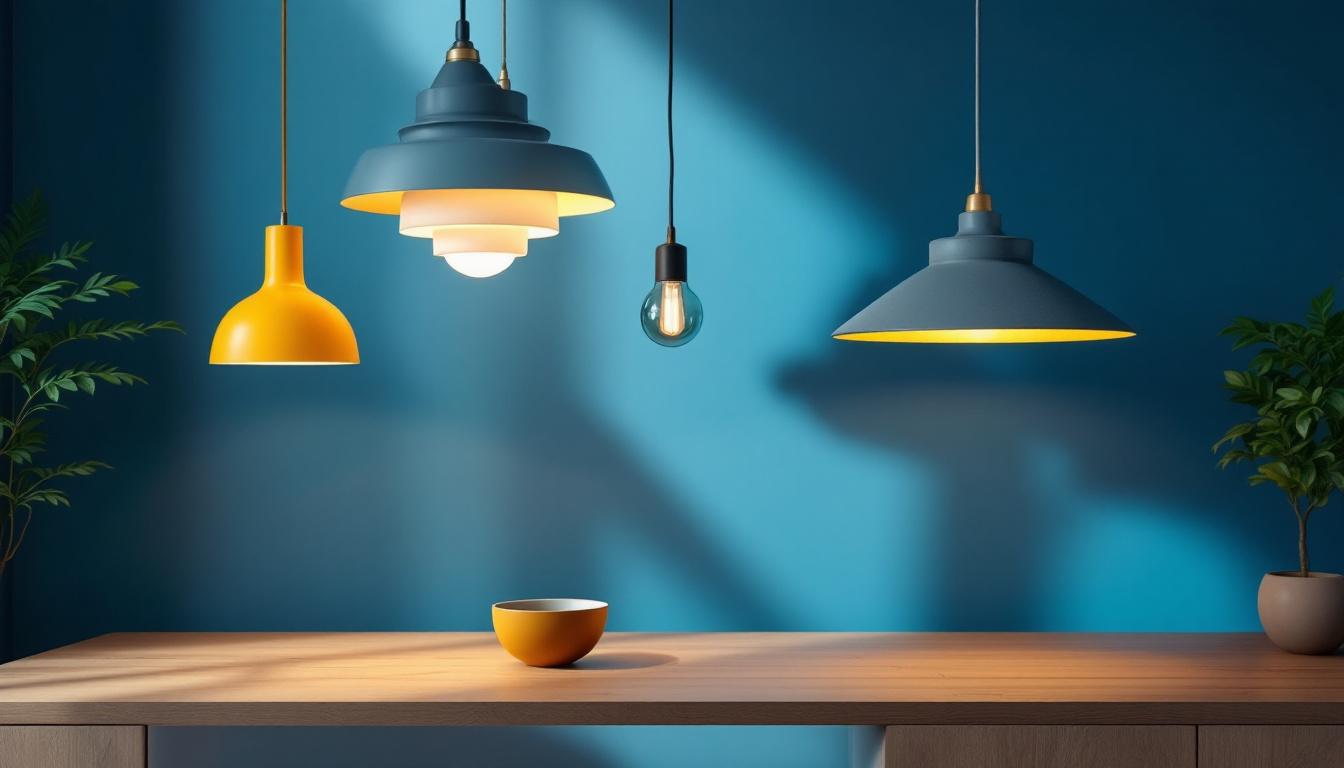
Designer pendant lighting has evolved beyond mere illumination to become a pivotal element in interior design. For lighting contractors, mastering the nuances of these fixtures can elevate project outcomes, enhance client satisfaction, and open doors to premium opportunities. Unlike standard lighting solutions, designer pendants combine form and function, offering aesthetic appeal alongside practical benefits. The right pendant can transform a mundane space into a captivating environment, highlighting architectural features and creating a warm, inviting atmosphere.
Incorporating designer pendant lighting into projects requires a keen eye for style, technical proficiency, and an understanding of spatial dynamics. These fixtures often serve as focal points in residential and commercial spaces, making their correct selection and installation critical. For contractors, this means not only installing lights but also advising clients on design compatibility, energy efficiency, and maintenance considerations. Additionally, the placement of pendant lights can significantly influence the perception of space; for instance, hanging them at varying heights can create depth and interest, while a cluster of pendants can add drama and sophistication to a room.
The Growing Demand for Designer Pendants
Market trends indicate a significant rise in demand for customized and designer lighting solutions. Consumers and businesses alike are seeking lighting that reflects personality and enhances ambiance. According to industry reports, decorative lighting accounts for a substantial portion of lighting sales, with pendant fixtures leading the category due to their versatility and visual impact. This trend is particularly evident in open-concept living spaces, where a striking pendant can delineate areas while providing essential lighting.
For contractors, tapping into this demand means staying informed about the latest styles, materials, and technologies. Designer pendants come in a variety of shapes, sizes, and finishes—from minimalist glass globes to intricate metalwork—allowing for tailored solutions that meet diverse client needs. Furthermore, the integration of smart lighting technology into designer pendants is reshaping the market, enabling users to control brightness and color temperature through mobile apps or voice commands. This not only enhances convenience but also allows for dynamic lighting scenarios that can adapt to different moods and activities, making the investment in designer pendants even more appealing to clients.
Smart Installation Hacks to Optimize Designer Pendant Lighting
Installing designer pendant lighting is not merely about connecting wires and mounting fixtures. It requires strategic planning and execution to maximize both aesthetic appeal and functional performance. Here are some essential hacks that smart lighting contractors use to ensure flawless installations.
1. Precise Height and Placement Calibration
The height at which a pendant hangs dramatically influences its visual and practical impact. For dining areas, pendants are typically installed 28 to 34 inches above the table surface, providing adequate illumination without obstructing sightlines. In kitchens or open spaces, adjustable suspension cables or rods offer flexibility to tailor the height to the room’s scale and purpose.
Contractors should also consider the fixture’s diameter relative to the space. A common guideline is to add the room’s length and width in feet and convert that number to inches to determine the ideal pendant diameter. For example, a 12×14-foot room suggests a pendant roughly 26 inches wide. This ensures balance and proportionality. Furthermore, the color and finish of the pendant can also play a significant role in how light is perceived in the room. Lighter finishes can reflect more light, enhancing brightness, while darker finishes may absorb light, creating a more intimate atmosphere.
2. Wiring and Junction Box Optimization
Designer pendants often feature complex wiring due to integrated dimmers, smart controls, or multi-light clusters. To streamline installation, contractors should pre-plan junction box locations and ensure they can support the fixture’s weight and electrical load. Using adjustable mounting brackets and reinforced boxes can prevent sagging and electrical hazards.
Additionally, integrating smart home systems requires familiarity with wireless protocols like Zigbee or Z-Wave. Pre-wiring for these controls during installation saves time and reduces the need for future modifications. It’s also beneficial to consider the potential for future upgrades; installing conduit or additional wiring pathways can facilitate the addition of new technologies without extensive renovations. This foresight not only enhances the longevity of the installation but also adds value to the property.
3. Layered Lighting Integration
Designer pendants rarely function as the sole light source. Effective lighting design involves layering ambient, task, and accent lighting. Contractors should coordinate pendant placement with recessed lights, wall sconces, and under-cabinet fixtures to create balanced illumination that enhances the pendant’s visual appeal.
Using dimmable LED bulbs and compatible dimmer switches allows clients to adjust lighting levels for different moods and activities, adding versatility to the space. Moreover, the strategic use of color temperature can further enhance the ambiance; warmer tones can create a cozy, inviting atmosphere, while cooler tones can promote focus and clarity, making them ideal for workspaces. Additionally, incorporating smart lighting controls can enable users to set scenes or schedules, ensuring that the lighting adapts seamlessly to their daily routines and special occasions alike.
Material and Style Considerations for Lighting Contractors
Choosing the right designer pendant involves understanding materials, finishes, and styles that complement the client’s interior design while meeting durability and maintenance requirements.
Popular Materials and Their Benefits
Metal pendants, often crafted from brass, copper, or stainless steel, provide durability and a sleek, modern look. Their reflective surfaces can amplify ambient light, creating a warm glow. Glass pendants, including frosted or colored varieties, diffuse light softly and add elegance. For eco-conscious clients, sustainably sourced wood or recycled materials offer unique textures and environmental benefits. Additionally, ceramic pendants can introduce a handcrafted feel, often featuring intricate glazes that add character and warmth to a space. The choice of material not only influences aesthetics but also contributes to the overall ambiance of the room, making it essential for contractors to consider the emotional impact of their selections.
Contractors should advise clients on maintenance implications. For example, intricate metal finishes may require periodic polishing, while glass shades need careful cleaning to avoid damage. It’s also worth noting that some materials, like untreated wood, may age beautifully over time, developing a patina that enhances their charm. Conversely, materials like stainless steel are more resistant to wear and tear, making them ideal for high-traffic areas. Understanding these nuances can help contractors guide clients toward choices that align with their lifestyle and preferences.
Matching Style to Space
Designer pendants span a wide range of styles—from industrial and mid-century modern to contemporary and rustic. Understanding the client’s design vision is essential to recommend fixtures that enhance architectural features and furnishings. For instance, a cluster of small pendants suits a modern kitchen island, while a single large pendant can anchor a grand foyer. Furthermore, the height at which pendants are hung can dramatically affect the perception of space; lower-hanging fixtures can create an intimate atmosphere, while higher placements can make a room feel more expansive. This spatial awareness is crucial for contractors as they help clients visualize the final outcome.
Lighting contractors should keep a portfolio of styles and manufacturers to provide clients with options that align with budget and aesthetic goals. This portfolio can also include mood boards that showcase how different lighting fixtures interact with various colors and textures in the space. By presenting a curated selection, contractors can facilitate informed decision-making, ensuring that clients feel confident in their choices. Additionally, staying updated on emerging trends in lighting design can help contractors introduce innovative solutions that not only meet current demands but also inspire clients to think creatively about their spaces.
Leveraging Technology for Enhanced Functionality
Smart lighting technology is transforming how pendant fixtures are controlled and experienced. Lighting contractors who embrace these innovations can offer clients superior convenience, energy savings, and customization.
Smart Controls and Automation
Integrating designer pendants with smart home systems enables remote control via smartphones, voice commands, or automated schedules. This is particularly attractive for commercial clients seeking to optimize energy use or create dynamic lighting scenes.
Contractors should be proficient in installing compatible dimmers, sensors, and hubs. Ensuring interoperability between devices from different manufacturers is crucial to avoid client frustration and costly rework.
Energy Efficiency and Sustainability
LED technology dominates the designer pendant market due to its longevity and low energy consumption. Selecting LED-compatible fixtures and bulbs helps clients reduce utility costs and environmental impact. Additionally, some modern pendants incorporate solar or battery-powered options, expanding installation possibilities where wiring is challenging.
Contractors can further promote sustainability by advising on recyclable materials and responsible disposal of old fixtures.
Best Practices for Client Communication and Project Management
Successful lighting projects hinge on clear communication and meticulous planning. Lighting contractors must guide clients through the selection, installation, and maintenance phases to ensure satisfaction.
Consultative Approach to Design
Engaging clients early with mood boards, 3D renderings, or virtual reality previews helps visualize how designer pendants will transform their spaces. Discussing lighting goals, lifestyle needs, and budget constraints upfront prevents misunderstandings and fosters trust.
Providing samples or mock-ups can also aid decision-making, especially when dealing with custom or high-end fixtures.
Coordinating with Other Trades
Lighting installation often intersects with electrical, carpentry, and interior design work. Coordinating schedules and sharing technical specifications ensures seamless integration. For example, pendant mounting points may require reinforcement by carpenters, or electrical circuits may need upgrading to support new fixtures.
Documenting these requirements and maintaining open communication channels reduces delays and cost overruns.
Post-Installation Support and Maintenance
Offering clients guidance on cleaning, bulb replacement, and troubleshooting extends the value of the lighting installation. Some contractors provide maintenance contracts or warranty services, which can differentiate their business and build long-term relationships.
Conclusion: Elevating Contractor Expertise with Designer Pendant Lighting
Designer pendant lighting presents an exciting avenue for lighting contractors to showcase expertise, creativity, and technical skill. By understanding design principles, mastering installation hacks, embracing technology, and prioritizing client collaboration, contractors can deliver lighting solutions that are both beautiful and functional.
Staying current with market trends and continuously refining skills will position contractors as trusted partners in creating inspiring, well-lit environments. Ultimately, smart lighting contractors who excel with designer pendants contribute not only to their clients’ satisfaction but also to the advancement of the lighting industry as a whole.
Get Your Designer Pendant Lighting at LumenWholesale
Ready to elevate your lighting projects with the exquisite range of designer pendant lighting? Look no further than LumenWholesale, where we provide you with the highest quality, spec-grade lighting products at prices that can’t be beaten. Say goodbye to the extra costs of dealing with middlemen and hello to our direct, wholesale rates. Our extensive selection not only meets but exceeds industry standards, ensuring that every installation shines with reliability and performance. Plus, with free shipping on bulk orders, you can stock up on premium lighting without worrying about hidden fees or compromises. Make the smart choice for your business and visit LumenWholesale today for the best value in wholesale lighting.