Why Outdoor Box Extensions Matter in Lighting Projects
When working on exterior lighting installations, the smallest details often make the biggest difference. One such detail that frequently goes unnoticed is the outdoor box extension. This simple component can dramatically improve the ease, safety, and aesthetics of your lighting design.
Outdoor box extensions serve as an essential bridge between the electrical box and the finished surface—be it stucco, brick, stone, or siding. Without the right extension, fixtures may sit too deep or unevenly, leading to installation headaches and compromised performance. For lighting contractors, understanding how and when to use these extensions is a game changer.
Common Challenges Without Proper Box Extensions
Many contractors encounter issues like recessed fixtures that don’t align flush with the wall surface, which can cause water intrusion or create unsightly gaps. In some cases, the electrical box might be set too far back within the wall cavity, making it impossible to securely mount certain fixtures without modifications.
Additionally, improper box placement can complicate wiring and increase labor time, especially when retrofitting older homes or commercial buildings. Outdoor box extensions provide the necessary depth adjustment, ensuring fixtures mount securely and wiring remains accessible for future maintenance.
Moreover, the aesthetic aspect of lighting cannot be overlooked. Fixtures that protrude awkwardly from the wall or are misaligned can detract from the overall visual appeal of a property. This is particularly critical in residential areas where curb appeal plays a significant role in property value. By utilizing outdoor box extensions, contractors can ensure that all fixtures are not only functional but also visually pleasing, creating a seamless integration with the surrounding architecture.
Another key benefit of outdoor box extensions is their role in enhancing safety. Properly installed fixtures reduce the risk of electrical hazards by ensuring that all connections are secure and protected from the elements. This is especially important in areas prone to heavy rain or snow, where moisture can seep into improperly sealed fixtures, leading to short circuits or even fire hazards. By investing in the right box extensions, contractors can provide their clients with peace of mind, knowing that their outdoor lighting systems are both safe and reliable.
Types of Outdoor Box Extensions and Their Applications
Not all box extensions are created equal. Selecting the right type depends on the wall material, fixture style, and environmental conditions. Here’s a rundown of the most common options and when to use them.
Plastic vs. Metal Extensions
Plastic box extensions are lightweight, corrosion-resistant, and easy to install. They’re ideal for residential projects and environments where moisture exposure is moderate. However, they may not offer the same durability as metal versions in harsh conditions. Additionally, plastic extensions can come in various colors, allowing for a more aesthetically pleasing match with the surrounding decor, which can be particularly beneficial in residential settings where appearance is a priority.
Metal extensions, often made of galvanized steel or aluminum, provide enhanced strength and grounding capabilities. These are preferred for commercial applications or areas prone to impact or extreme weather. Metal extensions also help dissipate heat from high-wattage fixtures, improving safety. Furthermore, many metal options are treated with protective coatings to resist rust and corrosion, making them suitable for coastal areas where saltwater exposure is a concern.
Adjustable Extensions for Versatility
Adjustable box extensions offer flexibility when wall thickness varies or when precise alignment is critical. These units can be extended or retracted to the exact depth needed, reducing the need for custom fabrication or multiple extension sizes. They’re especially useful in renovation projects where wall surfaces may be layered with insulation or cladding. This adaptability not only saves time during installation but also ensures that the electrical boxes are flush with the finished surface, providing a polished look that is essential for modern aesthetics.
Specialized Extensions for Unique Surfaces
For masonry or stucco walls, extensions with flanges or mounting brackets provide better sealing and stability. Some models include gasketed edges to prevent water infiltration, which is crucial for outdoor lighting longevity. In wood siding or vinyl installations, extensions designed to integrate seamlessly with the siding profile help maintain a clean, professional appearance. Additionally, there are extensions specifically designed for textured surfaces, which can accommodate varying wall profiles, ensuring that the electrical boxes remain secure and functional regardless of the underlying material.
Moreover, some specialized extensions come equipped with built-in cable management systems, allowing for a tidier installation by concealing wiring and preventing tangling. This feature is particularly beneficial in outdoor settings where exposure to the elements can lead to wear and tear on cables. By using these advanced extensions, homeowners and contractors can enhance both the safety and visual appeal of outdoor electrical installations, ensuring they withstand the test of time while maintaining a sleek appearance.
Installation Best Practices for Outdoor Box Extensions
Proper installation is key to maximizing the benefits of outdoor box extensions. Skipping steps or using the wrong hardware can lead to costly callbacks or safety hazards.
Ensuring a Weatherproof Seal
Outdoor lighting is exposed to the elements, so sealing around the box extension is non-negotiable. Use high-quality silicone or polyurethane sealants around the flange and between the extension and wall surface. For masonry walls, consider using expanding foam or backer rods to fill gaps before sealing.
Weatherproof gaskets included with some extensions should never be omitted. They provide an additional barrier against moisture and dust, protecting both the fixture and the wiring inside the box. Additionally, it’s advisable to inspect the seal regularly, especially after severe weather, to ensure that no cracks or deterioration have occurred, which could compromise the integrity of your installation.
Aligning Fixtures for Optimal Light Distribution
Box extensions help position fixtures flush with the wall, but it’s important to double-check alignment during installation. Uneven mounting can cause shadows, glare, or uneven illumination, detracting from the design intent.
Use a level and measuring tools to ensure the extension sits perfectly parallel to the wall. When installing multiple fixtures, maintain consistent spacing and height for a cohesive lighting effect. Consider the type of light bulbs you are using as well; LED bulbs, for instance, can create different lighting effects compared to incandescent bulbs, and their placement can significantly influence the ambiance of the outdoor space.
Securing the Extension and Fixture
Always use the manufacturer-recommended screws and fasteners to attach the box extension. Over-tightening can crack plastic extensions, while under-tightening risks loosening over time. For metal extensions, corrosion-resistant screws are a must to prevent rust.
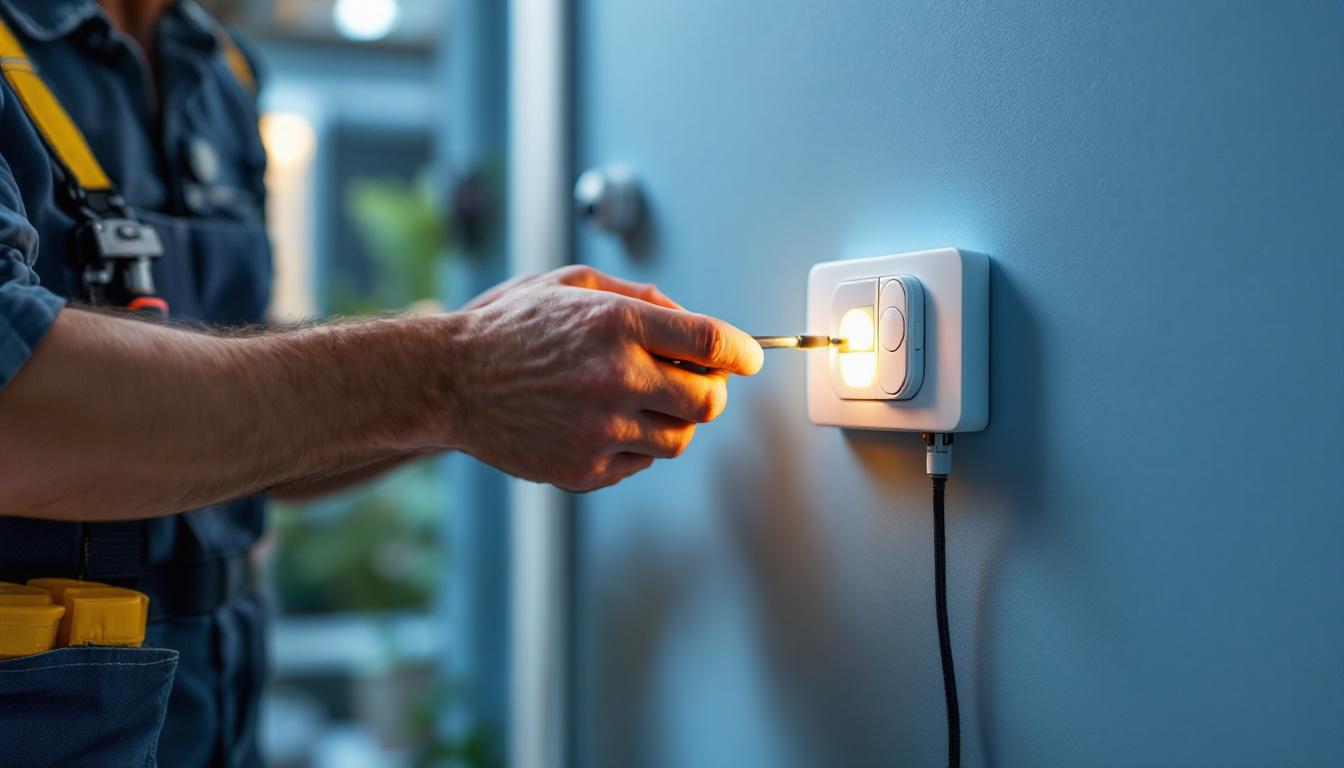
After the extension is secured, mount the fixture firmly, ensuring wiring connections remain accessible for future servicing. Labeling wires and documenting installation details can save time during maintenance or upgrades. Furthermore, consider implementing a routine maintenance schedule to check for any signs of wear or damage, which can help prolong the life of your outdoor lighting system and ensure it continues to function optimally throughout the seasons.
How Outdoor Box Extensions Enhance Lighting Design Outcomes
Beyond the technical benefits, box extensions contribute significantly to the overall success of a lighting project.
Improved Aesthetics and Professional Finish
Fixtures that sit flush with the wall surface look cleaner and more intentional. This attention to detail elevates the entire design, making the lighting installation appear seamless and integrated rather than an afterthought. Clients notice these subtle touches, which reflect professionalism and craftsmanship.
Increased Fixture Longevity
Properly installed box extensions reduce exposure to moisture and physical stress. This protection extends the lifespan of fixtures and wiring, reducing the frequency of repairs or replacements. For contractors, this means fewer callbacks and better client satisfaction.
Enhanced Safety and Code Compliance
Electrical codes often require outdoor boxes to be flush or slightly protruding from the finished surface to prevent water intrusion and allow proper fixture mounting. Using the correct box extension ensures compliance with these regulations, minimizing liability and inspection issues.
Case Studies: Real-World Benefits of Outdoor Box Extensions
Consider a recent commercial lighting retrofit where the existing electrical boxes were recessed behind thick stone veneer. Without box extensions, mounting the new LED wall sconces flush was impossible. Installing adjustable metal box extensions solved the depth issue, allowed for secure fixture attachment, and ensured a weatherproof seal. The final result was a sleek, modern façade with evenly distributed lighting that met all code requirements.
On a residential project, a contractor faced uneven stucco walls that caused standard box depths to misalign fixtures. Using plastic box extensions with flanged edges and gaskets, the fixtures were mounted perfectly flush, preventing water damage and enhancing curb appeal. The homeowner praised the contractor for the attention to detail and durability of the installation.
Tips for Selecting the Right Outdoor Box Extension
Choosing the correct extension requires assessing several factors upfront:
- Wall Material: Match the extension material and design to the substrate for secure attachment and weatherproofing.
- Fixture Type: Consider fixture depth and mounting requirements to determine extension depth.
- Environmental Conditions: Choose corrosion-resistant materials and sealed designs for coastal or high-moisture areas.
- Code Requirements: Verify local electrical codes for box placement and sealing standards.
Consulting product specifications and manufacturer guidelines can also prevent costly mistakes.
Conclusion: Small Component, Big Impact
Outdoor box extensions might seem like a minor accessory in lighting installations, but their impact is substantial. They solve common installation challenges, improve aesthetics, enhance safety, and contribute to long-term durability. For lighting contractors aiming to deliver flawless, professional results, incorporating the right box extension is a smart investment.
Mastering the use of outdoor box extensions not only simplifies your work but also elevates your reputation. The next time a project calls for exterior lighting, don’t overlook this secret weapon in your toolkit.
Illuminate Your Projects with LumenWholesale
Ready to enhance your lighting designs with the best outdoor box extensions on the market? Look no further than LumenWholesale, where we provide contractors with the highest quality, spec-grade lighting products at unbeatable wholesale prices. Say goodbye to local distributor markups and hello to superior lighting that meets the highest industry standards. With our hassle-free bulk buying and free shipping, you can trust that you’re getting premium lighting at the best value — no hidden fees, no compromises. Elevate your exterior lighting projects today by visiting Wholesale Lighting at the Best Value and experience the LumenWholesale difference.