Understanding the Importance of Green Screen Lighting
Green screens have become an essential tool in film production, live streaming, and photography, enabling the seamless integration of digital backgrounds. For lighting contractors, mastering green screen lighting is crucial to delivering high-quality results that meet clients’ expectations. Proper lighting ensures a clean key, minimizes post-production challenges, and enhances the overall visual appeal of the project.
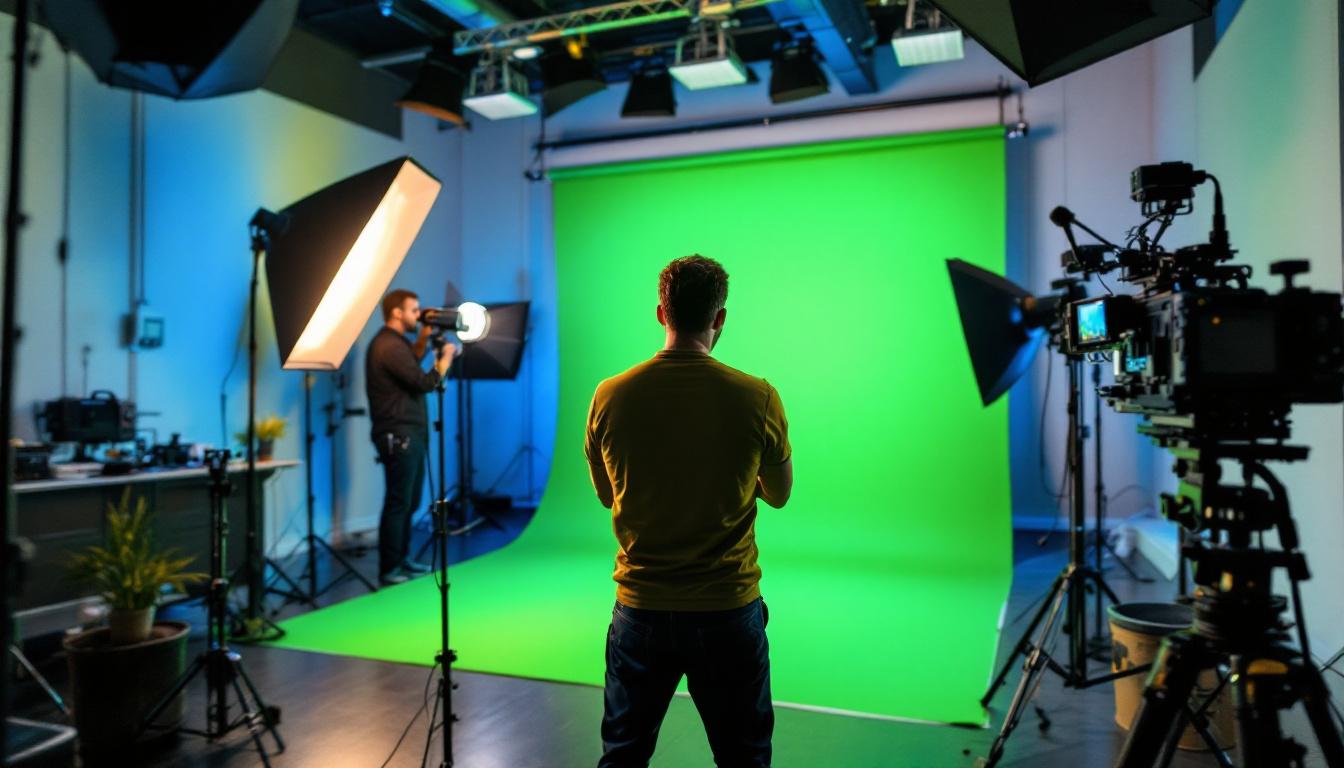
Unlike traditional lighting setups, green screen lighting requires a specialized approach that balances the illumination of the screen itself and the subject in front of it. The goal is to achieve an even, shadow-free green background while maintaining natural and flattering lighting on the subject. This delicate balance demands both technical expertise and creative insight.
Why Lighting Matters More Than Ever
With the rise of virtual production and remote content creation, the demand for green screen setups has surged. Clients expect flawless composites that look natural and professional. Poorly lit green screens can lead to uneven chroma keying, color spill, and time-consuming fixes in post-production. For lighting contractors, understanding the nuances of green screen lighting not only elevates the quality of their work but also enhances client satisfaction and repeat business.
Moreover, the advancements in camera technology and software have raised the bar for visual content. Cameras are now more sensitive to light, and editing software offers sophisticated tools for keying and compositing. This means that lighting contractors must stay informed about the latest equipment and techniques to ensure their setups are compatible with these advancements. Utilizing LED lights, for instance, can provide a consistent color temperature and reduce heat output, which is particularly beneficial in smaller studio environments where overheating can be a concern. Additionally, understanding the importance of diffusion and softening techniques can help in creating a more flattering light on the subject, further enhancing the overall quality of the production.
Furthermore, the psychological impact of lighting should not be overlooked. The way a subject is lit can dramatically alter the mood and tone of a scene, influencing how the audience perceives the content. For instance, a well-lit subject against a vibrant green screen can evoke feelings of energy and excitement, while harsh lighting may create tension or unease. This understanding allows lighting contractors to not only focus on the technical aspects of their work but also to contribute creatively to the storytelling process, making their role even more integral to the success of a project.
Key Principles of Effective Green Screen Lighting
Achieving Even Illumination
One of the most critical aspects of green screen lighting is ensuring the backdrop is lit evenly. Uneven lighting creates shadows and color variations that complicate the keying process. To achieve uniform illumination, contractors typically use multiple light sources positioned strategically around the screen.
Soft, diffused light is preferred to avoid hotspots and harsh shadows. Using softboxes, LED panels with diffusion filters, or bounce boards can help spread light evenly across the green surface. Consistent color temperature across all lights is also essential to maintain color accuracy and avoid green tint variations.
In addition to these techniques, the use of light meters can greatly enhance the effectiveness of the lighting setup. By measuring the light intensity across different areas of the green screen, contractors can make precise adjustments to ensure that every inch of the backdrop is evenly lit. This attention to detail not only simplifies the post-production process but also enhances the overall quality of the final output, making it look more professional and polished.
Separating Subject and Background
Maintaining a clear distinction between the subject and the green screen is vital to prevent color spill—where green light reflects onto the subject, causing unwanted green hues on their edges. To minimize spill, lighting contractors often use backlights or rim lights positioned behind the subject. These lights create a subtle halo effect that visually separates the subject from the background.
Additionally, positioning the subject several feet away from the green screen reduces the risk of shadows and spill. This spatial separation is a simple yet effective tactic that can dramatically improve keying quality.
Furthermore, utilizing flags or gobos can help control the light spill even more effectively. These tools can block unwanted light from hitting the subject, ensuring that the focus remains on the performance rather than any distracting color casts. The careful arrangement of these elements allows for a more dynamic and visually engaging composition, enhancing the storytelling aspect of the video production.
Balancing Subject Lighting
While focusing on the green screen, contractors must not overlook the subject’s lighting. The subject should be lit naturally and consistently, matching the intended scene’s mood and tone. Key lights, fill lights, and sometimes hair lights are used in combination to sculpt the subject’s features and provide depth.
Maintaining a consistent color temperature between subject lights and green screen lights prevents color mismatches during compositing. For example, mixing tungsten and daylight sources without proper gels or correction filters can create unwanted color shifts.
Moreover, the use of practical lights—such as lamps or ambient light sources within the scene—can add an extra layer of realism to the subject’s lighting. By integrating these practical elements into the lighting design, contractors can create a more cohesive look that feels authentic and immersive. This technique not only enhances the visual appeal but also aids in blending the subject seamlessly into the digitally created environments, making the final product more believable and engaging for the audience.
Advanced Techniques and Tools for Lighting Contractors
Using LED Technology for Precision and Flexibility
LED lighting has revolutionized green screen setups by offering adjustable color temperature, intensity control, and low heat output. These features allow lighting contractors to fine-tune the illumination with precision and adapt quickly to different shooting conditions.
Many modern LED panels come with built-in color calibration tools, enabling contractors to maintain consistent lighting across multiple setups. This consistency is especially valuable for projects involving multiple shooting days or locations.
Implementing Light Meters and Color Checkers
To ensure accuracy, professional lighting contractors often rely on light meters and color checkers. Light meters measure the intensity of light hitting the green screen and subject, helping to achieve even exposure. Color checkers assist in verifying color accuracy and white balance, which are critical for clean chroma keying.
Regular use of these tools reduces guesswork and enhances the reliability of lighting setups, ultimately saving time during post-production.
Employing Flags and Barn Doors for Light Control
Controlling light spill and shaping light beams is essential in green screen environments. Flags, barn doors, and gobos are indispensable tools for directing light precisely where it is needed and blocking it where it is not.
For instance, using barn doors on key lights can prevent unwanted illumination on the green screen, while flags can block reflections that cause spill. Mastery of these tools allows contractors to create clean, controlled lighting environments that facilitate high-quality keying.
Common Challenges and How to Overcome Them
Dealing with Wrinkles and Imperfections on the Green Screen
Physical imperfections such as wrinkles, seams, or dirt on the green screen surface can cause uneven lighting and shadows. Lighting contractors should inspect the screen before setup and smooth out any creases. Using tensioned fabric screens or painted walls can reduce these issues.
When imperfections are unavoidable, strategic lighting placement and diffusion can help minimize their visibility. Additionally, post-production software can sometimes compensate for minor flaws, but it is best to address problems at the source.
Managing Reflections and Green Spill on Shiny Surfaces
Subjects wearing reflective clothing or accessories can reflect the green screen, causing spill and complicating the keying process. Lighting contractors should advise clients on wardrobe choices and use polarizing filters on cameras to reduce reflections.
Moreover, adjusting the angle and intensity of lights, combined with increased distance between subject and screen, can mitigate spill. In some cases, adding black wrap or flags to absorb stray light helps maintain clean edges.
Adapting to Small or Unconventional Spaces
Not all shoots occur in spacious studios; many green screen setups happen in tight or irregularly shaped environments. Lighting contractors must be creative in these scenarios, using compact fixtures, portable diffusion materials, and flexible mounting options.
In confined spaces, LED panels with adjustable beam angles and wireless controls become invaluable, allowing precise control without cluttering the area. Careful planning and pre-visualization of the lighting layout ensure effective results despite spatial constraints.
Best Practices for Collaboration and Client Communication
Understanding Client Needs and Project Scope
Effective green screen lighting starts with a clear understanding of the client’s goals, budget, and timeline. Lighting contractors should engage in detailed discussions about the intended use of the footage, the desired aesthetic, and any technical requirements.
Knowing whether the project involves live streaming, film production, or photography influences lighting choices and equipment needs. Early alignment helps avoid costly adjustments and ensures the lighting design supports the creative vision.
Providing Clear Setup Documentation
Documenting lighting setups with diagrams, photos, and notes is a valuable practice. This documentation aids in recreating consistent lighting for multi-day shoots or future projects. It also facilitates communication with other crew members, such as camera operators and directors.
Sharing setup details with post-production teams can further streamline workflows by highlighting any lighting considerations that affect keying and compositing.
Continuous Learning and Staying Updated
The field of green screen lighting is continually evolving with new technologies and techniques. Lighting contractors should invest in ongoing education through workshops, industry forums, and trade publications.
Networking with peers and participating in professional communities can provide insights into emerging trends and practical solutions to common challenges. Staying informed ensures that contractors deliver cutting-edge services that meet the highest standards.
Conclusion: Elevating Green Screen Lighting Through Expertise
For lighting contractors, mastering green screen lighting is both an art and a science. It requires a deep understanding of light behavior, technical proficiency with equipment, and the ability to adapt to diverse shooting conditions. By adhering to best practices such as achieving even illumination, controlling spill, and maintaining consistent subject lighting, contractors can significantly enhance the quality of green screen productions.
Embracing advanced tools like LED technology, light meters, and precision control accessories further empowers contractors to deliver professional-grade results efficiently. Overcoming common challenges with thoughtful planning and creative problem-solving ensures smooth workflows and satisfied clients.
Ultimately, the commitment to continuous learning and clear communication solidifies a lighting contractor’s reputation as a trusted expert in green screen lighting. This expertise not only improves project outcomes but also fosters long-term relationships in an increasingly competitive market.
Illuminate Your Green Screen Projects with LumenWholesale
Ready to take your green screen lighting to the next level? LumenWholesale is here to support your journey towards lighting excellence. Our spec-grade lighting products are designed to meet the rigorous demands of professional green screen applications, ensuring you achieve that flawless key every time. With unbeatable wholesale prices and free shipping on bulk orders, you can access the best lighting solutions without the middleman markup. Elevate your lighting game and discover the perfect blend of quality, affordability, and convenience at LumenWholesale – Wholesale Lighting at the Best Value.