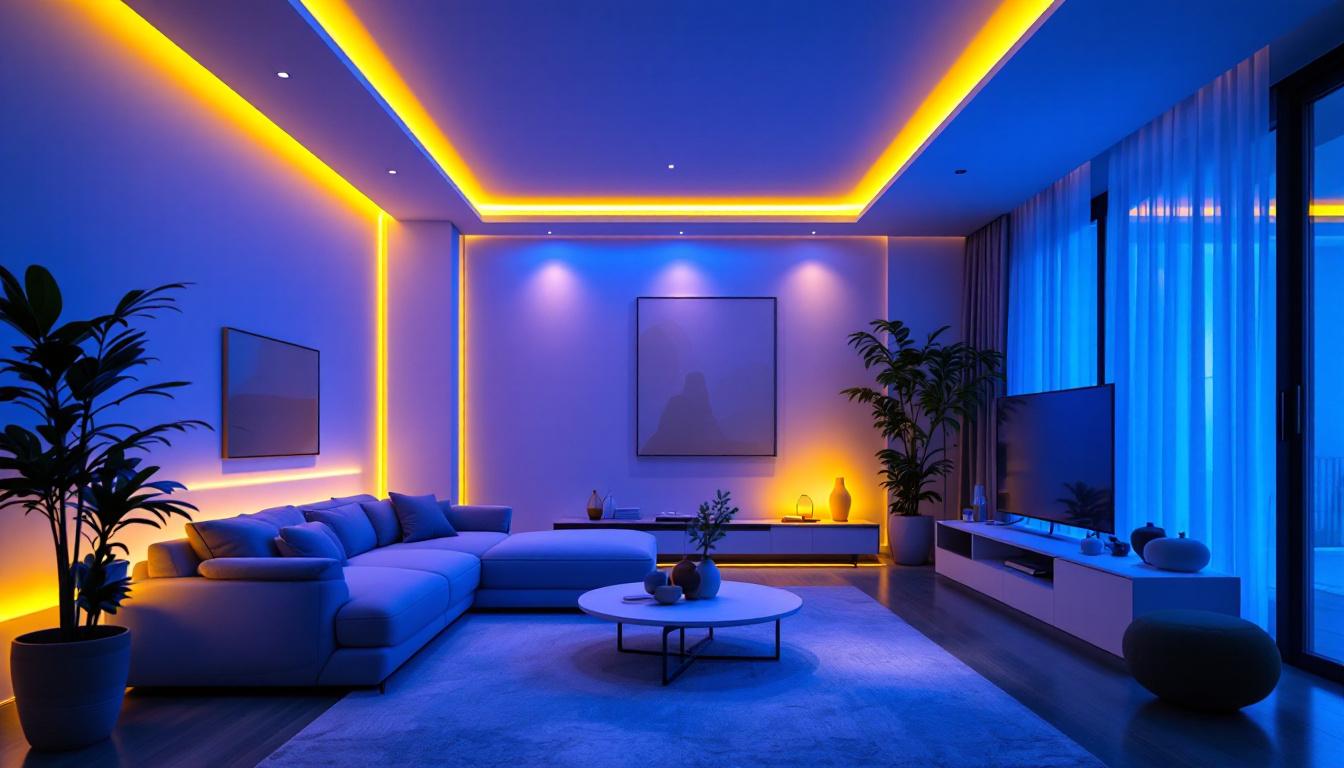
Understanding the Growing Demand for Recessed LED Lighting
Recessed LED lighting has become a cornerstone in modern lighting design, offering a sleek, energy-efficient solution that appeals to both residential and commercial clients. For lighting contractors, mastering the installation and optimization of recessed LED fixtures can significantly enhance project outcomes and client satisfaction.
Market trends indicate a steady rise in the adoption of LED technology, driven by increasing energy regulations and consumer awareness about sustainability. According to recent industry reports, LED lighting accounts for a substantial share of global lighting sales, with recessed fixtures being among the most popular choices due to their versatility and aesthetic appeal. The ability to integrate these fixtures seamlessly into ceilings allows for a clean, unobtrusive look that complements various interior styles, from minimalist to industrial chic.
Moreover, the technological advancements in LED lighting have led to the development of smart recessed fixtures that can be controlled via mobile apps or home automation systems. This added functionality not only enhances user convenience but also allows for customizable lighting scenarios that can adapt to different moods or activities, further increasing the appeal of recessed LED options. As homeowners and businesses alike seek to create more dynamic and responsive environments, the demand for such innovative solutions continues to grow.
Lighting contractors who understand these dynamics and adapt their skills accordingly position themselves as valuable partners in delivering cutting-edge lighting solutions. This article explores three key aspects of recessed LED lighting that contractors should focus on to maximize success. First, understanding the various types of recessed fixtures available, including adjustable, fixed, and wall-wash options, can help contractors recommend the best solutions tailored to specific client needs. Second, knowledge of proper installation techniques and the importance of selecting the right trim and finish can significantly impact the overall aesthetic and functionality of the lighting design. Lastly, staying informed about energy efficiency ratings and rebates can provide clients with cost-saving opportunities, making the transition to recessed LED lighting not only a stylish choice but also a financially savvy one.
1. Selecting the Right Recessed LED Fixtures for Each Project
Assessing Client Needs and Space Requirements
Choosing the appropriate recessed LED fixtures begins with a thorough assessment of the client’s needs and the characteristics of the installation space. Factors such as ceiling height, room function, and desired ambiance influence fixture selection.
For instance, in a commercial office setting, contractors might prioritize fixtures with high color rendering index (CRI) values to enhance visual clarity and reduce eye strain. Conversely, residential clients often seek warmer color temperatures to create a cozy atmosphere. Understanding these nuances allows contractors to recommend products that align with client expectations and functional requirements. Additionally, the layout of the space must be taken into account; open floor plans may benefit from strategically placed fixtures that provide uniform lighting, while smaller rooms might require focused lighting solutions to avoid overwhelming the space. Engaging in detailed discussions with clients about their daily activities can also reveal specific lighting needs that may not be immediately apparent, such as the necessity for task lighting in a kitchen or accent lighting in a living room.
Evaluating Fixture Specifications and Performance
Beyond aesthetics, technical specifications play a crucial role in fixture selection. Lighting contractors should evaluate lumen output, beam angle, dimmability, and energy consumption. Modern recessed LEDs offer a range of options, from narrow spotlights to wide floodlights, enabling precise control over light distribution.
Additionally, contractors must consider compatibility with existing electrical systems and controls. Selecting fixtures that support smart lighting integration can add value, especially in commercial projects where automation and energy management are priorities. The ability to control lighting through mobile apps or voice-activated systems not only enhances user convenience but also allows for dynamic adjustments based on time of day or occupancy, which can lead to significant energy savings. Furthermore, understanding the thermal management of fixtures is essential; proper heat dissipation can prolong the lifespan of LEDs and maintain consistent performance, making it a critical factor in the selection process.
Prioritizing Quality and Longevity
Investing in high-quality recessed LED fixtures ensures durability and reduces maintenance costs over time. Contractors should source products from reputable manufacturers that provide warranties and meet industry standards such as UL certification.
Long-lasting fixtures minimize callbacks and enhance the contractor’s reputation for reliability. Moreover, energy-efficient LEDs contribute to lower utility bills for clients, reinforcing the benefits of sustainable lighting solutions. In addition to energy savings, high-quality fixtures often feature advanced technologies that improve light quality and distribution, such as advanced optics and better thermal management systems. These innovations not only enhance the aesthetic appeal of a space but also ensure that the lighting remains consistent over time, reducing the likelihood of color shift or flickering. By prioritizing products that combine durability with cutting-edge technology, contractors can offer clients a lighting solution that is both economically and environmentally friendly, fostering a sense of trust and satisfaction in their services.
2. Mastering Installation Techniques for Optimal Performance
Preparing the Installation Site
Proper preparation is essential for a successful recessed LED lighting installation. Contractors should inspect ceiling structures to confirm they can accommodate the fixtures and verify that electrical wiring complies with local codes. This initial assessment not only ensures compliance but also helps in identifying any potential issues that could arise during installation, such as structural weaknesses or outdated wiring that may require upgrades.
Ensuring adequate clearance around fixtures prevents overheating and extends the lifespan of the LEDs. In retrofit projects, careful removal of existing fixtures and assessment of insulation contact (IC) ratings are critical to avoid fire hazards. Additionally, it’s advisable to check for any obstructions such as ductwork or plumbing that might interfere with the installation process. A well-prepared site sets the foundation for a seamless installation experience, minimizing delays and unexpected complications.
Implementing Precise Mounting and Wiring Practices
Accurate placement of recessed fixtures impacts both functionality and aesthetics. Contractors must measure and mark ceiling layouts meticulously to achieve uniform spacing and alignment. This attention to detail not only enhances the visual appeal of the space but also ensures that the lighting is effective in illuminating areas where it is most needed, such as workspaces or living areas.
During wiring, attention to secure connections and proper grounding is vital for safety and performance. Utilizing junction boxes and connectors designed for LED systems helps maintain electrical integrity and facilitates future maintenance. Moreover, it’s beneficial to label wires and connections during the installation process; this practice simplifies troubleshooting and repairs down the line, providing peace of mind for both the contractor and the homeowner.
Integrating Controls and Dimming Systems
Many recessed LED fixtures support dimming capabilities, which enhance energy savings and user comfort. Contractors should select compatible dimmers and program controls to ensure smooth operation without flickering or noise. It’s also important to educate clients on the benefits of dimming, such as the ability to create different moods and atmospheres in a space, which can significantly enhance the overall experience of a room.
Incorporating advanced control solutions such as occupancy sensors, daylight harvesting, and smart home integration can differentiate a contractor’s service offerings. These features appeal to clients seeking convenience and further energy efficiency. For instance, occupancy sensors can automatically turn lights on and off based on room usage, while daylight harvesting systems adjust artificial lighting based on the amount of natural light available, optimizing energy consumption throughout the day. By staying informed about the latest technologies and trends in lighting control, contractors can provide innovative solutions that meet the evolving needs of their clients.
3. Leveraging Post-Installation Strategies to Enhance Client Satisfaction
Conducting Thorough Testing and Quality Checks
After installation, comprehensive testing verifies that all fixtures operate as intended. Contractors should check for consistent light output, proper dimming response, and absence of flicker or buzzing sounds. This meticulous attention to detail not only ensures functionality but also enhances the overall aesthetic appeal of the space, as lighting plays a crucial role in setting the mood and highlighting architectural features.
Documenting these tests and addressing any issues promptly demonstrates professionalism and commitment to quality, fostering trust with clients. Additionally, sharing the results of these tests with clients can provide them with peace of mind, knowing that their investment has been thoroughly vetted. This transparency can lead to positive word-of-mouth referrals and a solid reputation in the community.
Providing Client Education and Support
Educating clients on the benefits and operation of their new recessed LED lighting system enhances user experience. Contractors can offer guidance on dimmer use, maintenance tips, and energy-saving practices. This education can also include information on how to adjust lighting to suit different activities, such as reading, entertaining, or relaxing, which can significantly improve the functionality of the space.
Providing clear documentation and contact information for support encourages clients to reach out with questions, reducing the likelihood of dissatisfaction or misuse. Furthermore, offering follow-up consultations or workshops can empower clients to make the most of their lighting systems, ensuring they feel confident in their choices and fostering a sense of community around the contractor’s brand.
Offering Maintenance and Upgrade Services
Establishing ongoing relationships through maintenance contracts or upgrade consultations creates additional revenue streams for contractors. Regular inspections and cleaning help maintain optimal lighting performance and prolong fixture life. These maintenance visits can also serve as an opportunity to assess the client’s evolving needs, allowing contractors to recommend adjustments or enhancements that align with lifestyle changes or new design trends.
Advising clients on emerging LED technologies and retrofit opportunities positions contractors as trusted advisors, increasing repeat business and referrals. By staying informed about the latest advancements in lighting technology, contractors can provide clients with innovative solutions that not only improve energy efficiency but also elevate the overall ambiance of their spaces. This proactive approach not only solidifies the contractor’s expertise but also reinforces the client’s investment in their lighting system, ensuring it remains both functional and stylish for years to come.
Conclusion
For lighting contractors, excelling in recessed LED lighting installation and service is a pathway to sustained success in a competitive market. By carefully selecting fixtures, mastering installation techniques, and delivering exceptional post-installation support, contractors can meet evolving client demands and contribute to energy-efficient, aesthetically pleasing lighting environments.
Staying informed about technological advancements and industry best practices ensures contractors remain at the forefront of lighting innovation, ultimately maximizing their business potential and client satisfaction.
Get Your Premium Recessed LED Lighting at LumenWholesale
Ready to elevate your lighting projects with the highest quality recessed LED fixtures? Look no further than LumenWholesale, where we provide contractors with spec-grade lighting products at unbeatable wholesale prices. Our commitment to cutting out the middleman means you get superior lighting without the inflated markups, and our extensive selection is designed to meet the highest industry standards. Plus, with free shipping on bulk orders, you can stock up on premium lighting at the best value — without any hidden fees. Make the smart choice for your business and visit LumenWholesale today to experience the perfect blend of quality, affordability, and convenience.