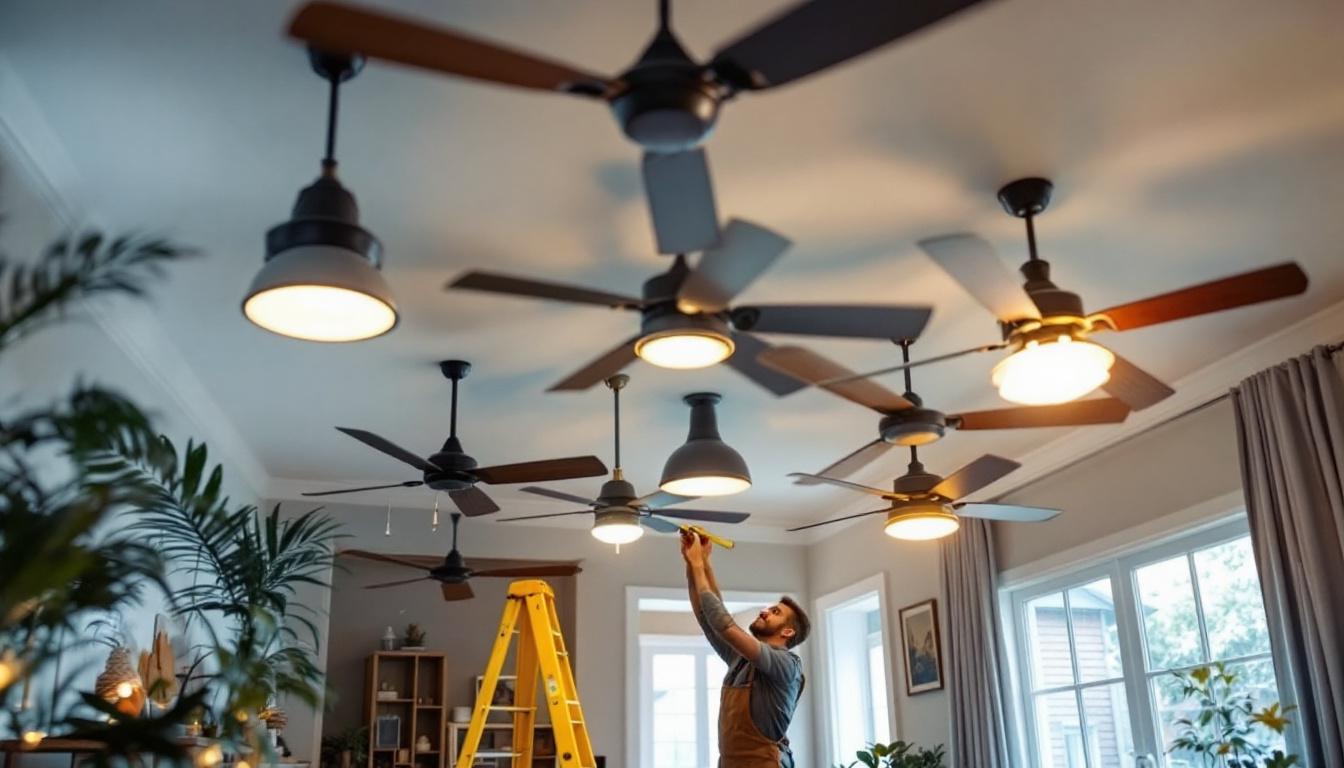
Understanding the Importance of Fan Size in Lighting and HVAC Installations
For lighting contractors, the integration of ceiling fans into residential and commercial spaces is often a critical component of the overall design and functionality. While fans primarily serve to improve air circulation and comfort, their size directly influences not only aesthetic appeal but also energy efficiency, safety, and lighting fixture compatibility.
Choosing the correct fan size ensures optimal airflow, prevents mechanical strain on mounting structures, and complements lighting installations without causing interference. Incorrect fan sizing can lead to uneven air distribution, increased energy consumption, and even structural damage over time. Therefore, a comprehensive understanding of fan size parameters is essential for contractors aiming to deliver high-quality, durable, and efficient installations.
Additionally, the size of the fan must be matched to the dimensions of the room to maximize its effectiveness. For instance, a small fan in a large room may struggle to circulate air effectively, leading to hot spots and discomfort for occupants. Conversely, an oversized fan in a compact space can create a wind tunnel effect, making it difficult to maintain a cozy atmosphere. This balance is crucial not only for comfort but also for the longevity of the fan itself, as improper sizing can lead to premature wear and tear on the motor and blades.
Moreover, the aesthetic aspect of fan size cannot be overlooked. A well-proportioned fan enhances the overall design of a space, harmonizing with other elements such as lighting fixtures, furniture, and architectural features. For example, in a modern minimalist setting, a sleek, compact fan can serve as a stylish focal point, while in a more traditional environment, a larger, ornate fan can complement classic décor. This attention to detail not only elevates the visual appeal of a room but also contributes to a cohesive design narrative that resonates with clients and enhances their satisfaction with the final installation.
Key Factors Influencing Fan Size Selection
Room Dimensions and Layout
The most fundamental consideration when selecting a fan size is the room’s square footage and ceiling height. Fans are rated based on the diameter of their blades, which typically ranges from 29 inches to 60 inches or more. A general rule of thumb is to match the fan diameter to the room size to ensure adequate airflow.
For example, a small room under 75 square feet is best served by a fan with a blade span of 29 to 36 inches, while larger rooms between 225 and 400 square feet typically require fans with blades spanning 52 to 60 inches. Additionally, the ceiling height influences the fan’s mounting style—flush mounts for low ceilings and downrods for higher ceilings—to maintain both safety and performance. It’s also worth noting that the layout of the room can impact airflow; for instance, an open-concept space may benefit from multiple fans to ensure even distribution of air throughout the area, preventing hot or cold spots.
Airflow Requirements and Efficiency
Airflow, measured in cubic feet per minute (CFM), is a critical metric that correlates directly with fan size. Larger fans generally provide higher CFM, which translates to better air circulation. However, efficiency is not solely dependent on size; blade pitch, motor quality, and design also play significant roles.
Lighting contractors should collaborate with HVAC professionals to understand the airflow needs of a space. For instance, a fan with a 52-inch blade span and a high CFM rating can effectively cool a living room or office space, reducing the reliance on air conditioning and contributing to energy savings. Furthermore, the fan’s energy efficiency rating can significantly impact long-term operational costs. Selecting a fan with an Energy Star certification can lead to considerable savings on electricity bills, making it a wise investment for both residential and commercial spaces. Additionally, the aesthetic design of the fan should complement the room’s decor, as a well-chosen fan can serve as a stylish focal point while also enhancing comfort and functionality.
Compatibility Between Fans and Lighting Fixtures
Integration Challenges and Solutions
One of the most common challenges lighting contractors face is integrating lighting fixtures with ceiling fans without compromising either function. The fan size affects the type and size of lighting fixtures that can be safely installed. Oversized fans may limit fixture options, while undersized fans might not accommodate multi-light setups.
Modern ceiling fans often come with integrated LED lighting kits designed to optimize both illumination and airflow. When retrofitting or installing new fans, contractors must verify that the lighting fixtures meet electrical codes and do not exceed the fan’s weight capacity. Additionally, ensuring that the light distribution complements the fan’s airflow pattern enhances the overall user experience.
Another critical aspect to consider is the type of bulb used in conjunction with the fan. LED bulbs are favored for their energy efficiency and longevity, but they also come in various color temperatures that can affect the ambiance of a room. For instance, a warm white light can create a cozy atmosphere, while a cooler daylight option may be better suited for task-oriented spaces like kitchens or offices. Therefore, selecting the right bulb not only ensures compatibility but also enhances the overall aesthetic and functionality of the space.
Design Considerations for Aesthetic and Functional Balance
Beyond technical compatibility, aesthetic harmony is crucial. Fans that are too large can overwhelm a room’s design, while fans that are too small may appear disproportionate and underperform. Lighting contractors should consider the style, finish, and color of both fans and lighting fixtures to create cohesive interiors.
For example, in contemporary commercial spaces, sleek fans with integrated downlights provide a minimalist look while maintaining functionality. In contrast, traditional residential settings may benefit from fans with ornate blades and chandelier-style lighting, provided the fan size supports such fixtures without compromising safety.
Moreover, the placement of both the fan and lighting fixtures can significantly impact the overall design. Strategically positioning lights to highlight architectural features or artwork can enhance the room’s character, while the fan’s location should ensure optimal airflow without obstructing light sources. Additionally, dimmable lighting options can offer versatility, allowing users to adjust the ambiance according to the time of day or activity, further enhancing the room’s functionality and comfort.
Safety and Installation Best Practices for Fan Sizing
Structural Support and Mounting Requirements
Proper installation is paramount to ensure the safety and longevity of ceiling fans. The size and weight of the fan dictate the type of mounting hardware and ceiling support needed. Larger fans require reinforced joists or specialized mounting brackets to prevent wobbling and potential detachment. It’s also important to consider the ceiling height; fans installed too low can obstruct movement and pose a risk, while those mounted too high may not provide adequate airflow.
Lighting contractors should perform thorough assessments of ceiling structures before installation. Consulting local building codes and manufacturer guidelines helps ensure compliance and reduces liability. Additionally, verifying that electrical boxes are rated for fan support is essential to avoid hazardous situations. Beyond structural integrity, it’s wise to evaluate the fan’s location concerning existing electrical outlets and switches to streamline the installation process and enhance user convenience. This proactive approach can save time and resources, ensuring that the fan operates efficiently right from the start.
Clearance and Airflow Optimization
Maintaining adequate clearance between fan blades, lighting fixtures, and surrounding walls or furniture is critical. The general recommendation is to have at least 7 feet of clearance from the floor to the fan blades and a minimum of 18 inches between the blades and any walls or obstacles. This spacing not only promotes safety but also enhances the fan’s performance, allowing it to circulate air more effectively throughout the room.
These clearances prevent injuries, allow for optimal airflow, and reduce noise caused by turbulence. Lighting contractors should coordinate with HVAC and interior design teams to plan fan placement that maximizes both safety and comfort. Additionally, considering the fan’s rotation direction can further optimize airflow; many fans have a switch that allows them to rotate clockwise in winter to circulate warm air and counterclockwise in summer for cooling. This dual functionality can significantly enhance energy efficiency and comfort levels in a space, making it a crucial aspect of fan installation planning.
Emerging Trends and Technologies in Fan Sizing and Lighting Integration
Smart Fans and Energy Management
The advent of smart home technology has transformed ceiling fan functionality. Many modern fans now feature adjustable speeds, remote controls, and integration with home automation systems. These innovations allow precise control over airflow and lighting intensity, enhancing energy efficiency.
Lighting contractors should stay informed about these technologies to offer clients solutions that reduce energy consumption and improve convenience. For example, fans equipped with occupancy sensors can automatically adjust operation based on room usage, contributing to sustainability goals.
Material Innovations and Design Flexibility
Advances in materials such as lightweight composites and aerodynamic blade designs have expanded fan size options without compromising performance. These innovations enable contractors to install larger fans in spaces with structural limitations or to achieve specific design aesthetics.
Furthermore, modular lighting kits compatible with various fan sizes provide greater flexibility in customizing installations. Contractors can tailor solutions to client preferences while adhering to technical requirements, ensuring satisfaction and functionality.
Conclusion: Mastering Fan Size Selection for Optimal Lighting and Comfort
For lighting contractors, understanding the nuances of fan size selection is indispensable. It impacts not only the mechanical and electrical aspects of installation but also the overall comfort, safety, and aesthetic quality of a space. By considering room dimensions, airflow needs, fixture compatibility, and emerging technologies, contractors can deliver superior outcomes that meet client expectations and industry standards.
Staying informed about best practices and innovations ensures that lighting contractors remain competitive and capable of addressing the evolving demands of modern building environments. Ultimately, mastering fan size selection is a key element in creating harmonious, efficient, and safe lighting and HVAC solutions.
Get Your Premium Lighting Supplies at LumenWholesale
Ready to elevate your lighting installations with the right fan size and superior lighting products? Look no further than LumenWholesale, where we offer an extensive selection of spec-grade lighting and ceiling fans that meet the highest industry standards. Enjoy unbeatable wholesale prices, free shipping on bulk orders, and the convenience of cutting out the middleman. Make your next project shine with quality, affordability, and hassle-free service. Discover the best value in wholesale lighting by visiting LumenWholesale today.