The Symbiotic Relationship Between Fans and Lighting in Modern Installations
In the evolving landscape of interior design and building technology, the integration of fans and lighting has become a critical consideration for lighting contractors. These two elements, often treated as separate components, actually share a symbiotic relationship that can significantly influence the functionality, aesthetics, and energy efficiency of a space.
Lighting contractors who understand the nuances of this relationship are better positioned to deliver comprehensive solutions that meet client expectations and regulatory standards. The interplay between fans and lighting affects everything from electrical load management to user comfort and energy consumption, making it essential knowledge for professionals in the field.
Understanding Electrical Load and Circuit Considerations
One of the primary technical challenges when combining fans and lighting is managing the electrical load. Fans, especially ceiling fans with integrated lighting kits, draw varying amounts of power depending on their speed settings and the type of bulbs used. Lighting contractors must carefully calculate the total load on circuits to prevent overloads and ensure compliance with electrical codes.
For example, LED lighting has become the standard due to its low energy consumption and long lifespan, but when paired with a high-wattage fan motor, the combined load can approach circuit limits. This necessitates precise planning during installation, including the potential need for dedicated circuits or the use of advanced dimmer and fan speed controls that optimize power use.
Moreover, the rise of smart home technology has introduced additional layers of complexity and opportunity in managing electrical loads. With smart fans and lighting systems that can be controlled remotely, contractors can offer clients the ability to customize their environment in real time. This not only enhances user experience but also allows for more efficient energy management, as users can adjust settings based on their immediate needs, reducing waste and lowering utility bills.
Enhancing Aesthetics Through Integrated Design
Beyond technicalities, the aesthetic integration of fans and lighting plays a vital role in client satisfaction. Coordinating the style, finish, and placement of fans and light fixtures can create a cohesive look that enhances the overall ambiance of a room. Lighting contractors who collaborate closely with interior designers and architects can influence these decisions early in the project, ensuring that both elements complement each other.
Modern fans often come with customizable lighting options, including adjustable color temperatures and dimming capabilities, which allow for dynamic lighting schemes. This flexibility enables contractors to tailor installations to the specific needs of residential, commercial, or hospitality environments, adding value to their services.
Additionally, the trend of using fans as statement pieces has gained traction, with many designs featuring artistic elements that serve as focal points in a room. This shift encourages lighting contractors to think creatively about how to highlight these features with complementary lighting techniques, such as accent lighting or strategically placed fixtures that draw attention to the fan’s design. By harmonizing these elements, contractors can elevate the overall design narrative, ensuring that both fans and lighting contribute to a unified aesthetic experience.
Energy Efficiency and Sustainability: A Dual Focus
Energy efficiency remains a top priority for building owners and occupants, and lighting contractors play a pivotal role in achieving sustainability goals through the strategic integration of fans and lighting.
Leveraging Advanced Technologies for Reduced Consumption
The adoption of energy-efficient technologies such as LED lighting and brushless DC (BLDC) motors in fans has revolutionized the market. BLDC fans consume significantly less power than traditional AC motors while providing superior performance and quieter operation. When paired with LED lighting, these fans contribute to substantial energy savings.
Lighting contractors should stay informed about the latest advancements in fan and lighting technology to recommend the most efficient products. Incorporating smart controls that allow users to adjust fan speed and lighting levels remotely or automatically based on occupancy and ambient light conditions further enhances energy savings. For instance, integrating Internet of Things (IoT) capabilities can enable real-time monitoring and data analysis, allowing for predictive maintenance and further optimization of energy use. This proactive approach not only extends the lifespan of the equipment but also ensures that energy consumption is kept at a minimum.
Meeting Regulatory Standards and Incentives
Compliance with energy codes and standards such as ASHRAE 90.1, the International Energy Conservation Code (IECC), and local regulations is non-negotiable. Lighting contractors must ensure that their fan and lighting installations meet or exceed these requirements to avoid costly rework and to qualify for incentives.
Many utility programs offer rebates and incentives for installing energy-efficient lighting and HVAC-related equipment, including fans. Contractors who are knowledgeable about these programs can help clients access financial benefits, making their proposals more attractive and competitive. Furthermore, staying abreast of evolving regulations and incentive programs can position contractors as trusted advisors, empowering clients to make informed decisions that align with both their financial goals and sustainability commitments. As energy efficiency becomes increasingly intertwined with corporate social responsibility, the role of lighting contractors is not just about installation but also about fostering a culture of sustainability within the communities they serve.
Optimizing Installation and Maintenance Practices
Successful projects depend not only on design and product selection but also on meticulous installation and ongoing maintenance strategies.
Streamlining Installation for Efficiency and Safety
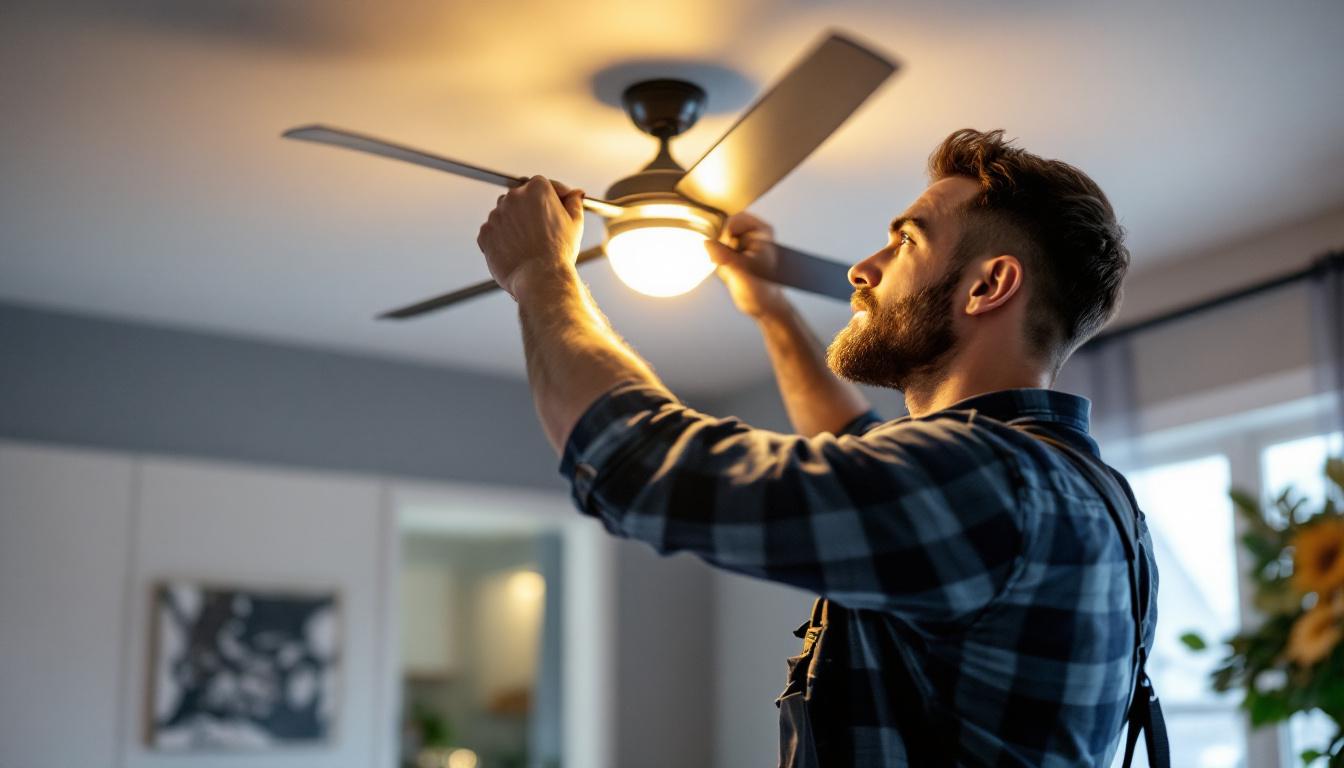
Installing fans with integrated lighting requires careful coordination to ensure electrical connections are secure and compliant with safety standards. Proper mounting techniques are essential to prevent vibrations and noise issues that could detract from user experience.
Lighting contractors should also consider the accessibility of fixtures for future maintenance. Designing installations that allow easy replacement of bulbs or servicing of fan motors can reduce long-term costs and downtime for clients. Furthermore, utilizing modular components can facilitate quicker repairs and upgrades, allowing clients to adapt their systems as technology evolves without the need for extensive renovations.
In addition, adopting advanced installation tools and techniques, such as laser alignment and digital measurement systems, can significantly enhance precision. This not only improves the quality of the installation but also minimizes the risk of errors that could lead to costly rework. Training installation teams on these modern practices can further elevate the standard of service provided, ensuring that clients receive installations that are not only functional but also aesthetically pleasing.
Establishing Preventive Maintenance Protocols
Regular maintenance extends the lifespan of both fans and lighting fixtures. Contractors can add value by offering maintenance plans that include cleaning, lubrication, inspection of electrical components, and timely replacement of parts. This proactive approach minimizes the risk of failures and maintains optimal performance.
Documenting maintenance activities and educating clients on proper usage and care are also crucial. Well-informed clients are more likely to appreciate the benefits of their investment and recommend contractors for future projects. Additionally, incorporating technology such as IoT sensors can provide real-time monitoring of fan and lighting performance, allowing for data-driven maintenance decisions. This not only enhances the reliability of the systems but also empowers clients with insights into their energy usage and operational efficiency.
Moreover, establishing a feedback loop with clients can help contractors refine their maintenance offerings. Soliciting input on service experiences and any issues encountered can lead to improved protocols and stronger client relationships. By fostering a culture of communication, contractors can ensure that their services evolve to meet the changing needs and expectations of their clients, ultimately reinforcing their reputation in the industry.
Leveraging Smart Home Integration for Enhanced Control
The rise of smart home technology presents new opportunities for lighting contractors to differentiate their services by integrating fans and lighting into centralized control systems.
Benefits of Smart Controls in Fan and Lighting Systems
Smart controls enable users to manage fans and lighting through mobile apps, voice commands, or automated schedules. This level of control enhances convenience, comfort, and energy efficiency. For instance, fans can be programmed to adjust speed based on room temperature, while lighting can adapt to natural light levels throughout the day.
Lighting contractors who offer expertise in smart home integration can tap into a growing market segment that values technology-driven solutions. This requires familiarity with popular platforms such as Zigbee, Z-Wave, and Wi-Fi-enabled devices, as well as the ability to troubleshoot interoperability issues.
Challenges and Considerations in Smart Integration
While smart technology offers many benefits, it also introduces complexity. Contractors must ensure that devices are compatible and that installations maintain network security to protect user privacy. Additionally, providing clear instructions and support to clients is essential to maximize the usability of smart systems.
Offering training sessions or detailed user manuals can enhance client satisfaction and reduce service calls related to user error or misunderstanding of system capabilities.
Building Strong Client Relationships Through Education and Communication
Beyond technical expertise, lighting contractors succeed by fostering trust and clear communication with clients regarding the integration of fans and lighting.
Educating Clients on Options and Benefits
Clients often face a bewildering array of choices when selecting fans and lighting. Contractors who take the time to explain the differences in technology, energy consumption, aesthetics, and maintenance requirements empower clients to make informed decisions.
Providing visual aids, such as product samples, lighting simulations, or case studies, can help clients visualize outcomes and appreciate the value of integrated solutions. This educational approach positions contractors as trusted advisors rather than mere installers.
Transparent Communication Throughout the Project Lifecycle
Clear communication about timelines, costs, and potential challenges builds client confidence. Lighting contractors should maintain regular updates and be proactive in addressing concerns or changes in project scope.
Post-installation follow-up is equally important. Checking in with clients to ensure satisfaction and addressing any issues promptly can lead to repeat business and referrals, which are vital for long-term success.
Conclusion: Elevating the Role of Lighting Contractors Through Integrated Fan and Lighting Solutions
For lighting contractors, mastering the integration of fans and lighting is more than a technical challenge—it is an opportunity to enhance service offerings, improve energy efficiency, and deliver superior client experiences. By understanding electrical considerations, embracing energy-efficient technologies, optimizing installation and maintenance, leveraging smart home integration, and prioritizing client education, contractors can maximize their success in a competitive market.
As building standards evolve and consumer expectations rise, those who adopt a holistic approach to fans and lighting will stand out as leaders in the industry, driving innovation and sustainability in every project they undertake.
Discover Unmatched Value with LumenWholesale
Ready to elevate your lighting and fan installations with products that blend quality, efficiency, and affordability? Look no further than LumenWholesale. We provide lighting contractors with an extensive selection of spec-grade lighting products at unbeatable wholesale prices, ensuring you can deliver on the promise of innovation and sustainability in every project. Say goodbye to inflated markups and hello to hassle-free bulk buying with free shipping. Take the next step in maximizing your success and explore our wholesale lighting solutions to find the best value for your business.