Introduction to Outdoor Motion Lighting Fixtures
Outdoor motion lighting fixtures have become a staple in residential, commercial, and industrial lighting solutions. For lighting contractors, understanding the nuances of these fixtures compared to alternative lighting options is essential to providing clients with the best possible outcomes. Motion-activated lights offer a unique blend of security, energy efficiency, and convenience, making them a compelling choice for many applications.
However, the decision to recommend motion lighting fixtures over other outdoor lighting alternatives requires a comprehensive understanding of their benefits, limitations, installation requirements, and long-term performance. This article explores these factors in detail, equipping lighting contractors with the insights needed to make informed decisions tailored to their clients’ specific needs.
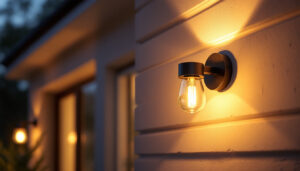
One of the primary advantages of outdoor motion lighting fixtures is their ability to enhance security. When strategically placed, these lights can deter potential intruders by illuminating dark areas around a property, creating a sense of visibility and safety. Many modern motion lights come equipped with advanced sensors that can detect movement from a significant distance, ensuring that any activity is promptly illuminated. This feature not only provides peace of mind for homeowners but can also be a valuable selling point for commercial properties looking to enhance their security measures.
In addition to security, energy efficiency is another crucial aspect of motion lighting that appeals to environmentally conscious clients. Unlike traditional outdoor lights that remain on for extended periods, motion-activated fixtures only illuminate when movement is detected, significantly reducing energy consumption. This not only lowers electricity bills but also contributes to a smaller carbon footprint. Furthermore, many of these fixtures now utilize LED technology, which is known for its longevity and low energy usage, making them an even more attractive option for those looking to invest in sustainable lighting solutions.
Benefits of Outdoor Motion Lighting Fixtures
Enhanced Security and Deterrence
One of the primary reasons clients opt for outdoor motion lighting is enhanced security. Motion-activated lights illuminate when movement is detected, startling potential intruders and alerting property owners. Studies have shown that well-lit properties are significantly less likely to experience break-ins or vandalism, with crime rates dropping by up to 30% in areas with effective outdoor lighting.
For lighting contractors, emphasizing this security benefit can be a strong selling point. Motion lighting not only deters unauthorized access but also improves the safety of occupants by reducing the risk of trips and falls in dark areas. Furthermore, many modern motion lights come equipped with advanced features such as adjustable sensitivity and customizable light duration, allowing homeowners to tailor their security measures to their specific needs. This adaptability ensures that the lights activate only when necessary, minimizing false alarms while maximizing safety.
Energy Efficiency and Cost Savings
Unlike traditional outdoor lighting that remains on for extended periods, motion lighting fixtures operate only when needed. This targeted illumination drastically reduces energy consumption. According to energy efficiency reports, motion-activated lighting can cut outdoor lighting energy use by as much as 50-70%, depending on usage patterns.
For clients concerned about utility bills or environmental impact, recommending motion lighting fixtures aligns with sustainable building practices. Additionally, many modern motion fixtures incorporate LED technology, which further enhances energy savings and reduces maintenance costs due to longer bulb lifespans. The combination of reduced energy consumption and lower replacement frequency means that homeowners can enjoy significant savings over time, making motion lighting not just a practical choice but also a financially savvy one.
Convenience and Automation
Motion lighting fixtures offer a level of automation that enhances convenience for property owners. They eliminate the need for manual switching or timers, providing light only when movement is detected. This feature is especially valuable in areas such as driveways, walkways, and entry points where sporadic lighting is sufficient.
For lighting contractors, integrating motion lighting into smart home or building automation systems can add value to their services. Many fixtures are compatible with wireless controls, enabling remote monitoring and customization of sensitivity and duration settings. This integration allows homeowners to receive notifications on their smartphones when motion is detected, providing peace of mind even when they are away from home. Additionally, the ability to program lights to activate at specific times or in response to other smart home devices can create a seamless and intuitive living experience, further enhancing the appeal of motion lighting solutions.
Comparing Outdoor Motion Lighting Fixtures to Alternatives
Traditional Timed Outdoor Lighting
Timed outdoor lighting remains a popular choice for many clients due to its simplicity. These systems turn lights on and off according to preset schedules, providing consistent illumination during designated hours. However, timed lighting can lead to unnecessary energy consumption when areas are lit despite no activity.
Compared to motion lighting, timed systems lack responsiveness and adaptability. Lighting contractors should consider the client’s usage patterns and security needs before recommending timed lighting, as it may not offer the same level of energy efficiency or deterrence.
Photocell-Activated Lighting
Photocell sensors activate lights based on ambient light levels, turning fixtures on at dusk and off at dawn. This alternative ensures outdoor areas remain illuminated throughout the night but does not account for actual activity or occupancy.
While photocell lighting is energy-efficient relative to manual operation, it cannot match the targeted activation of motion sensors. For areas requiring illumination only during use, motion lighting provides a more precise solution. Lighting contractors should evaluate whether continuous nighttime lighting is necessary or if motion activation better suits the client’s needs.
Smart Lighting Systems
Smart lighting systems offer advanced control through mobile apps, voice commands, and integration with other smart devices. These systems can include motion detection but also provide scheduling, dimming, and color-changing capabilities.
Although smart lighting offers flexibility and customization, it often comes with higher upfront costs and complexity. For clients seeking straightforward security lighting, motion fixtures provide a cost-effective and reliable option. However, for technologically savvy clients, integrating motion sensors within a smart system can deliver the best of both worlds.
Key Considerations for Lighting Contractors When Choosing Outdoor Lighting
Application and Location
The intended application and location of the lighting fixture significantly influence the choice between motion lighting and alternatives. High-traffic areas such as entryways, garages, and pathways benefit greatly from motion-activated lighting due to frequent but intermittent use.
Conversely, areas requiring constant illumination, such as parking lots or commercial yards, might be better served by timed or photocell-activated lighting. Lighting contractors should conduct thorough site assessments to understand traffic patterns, visibility requirements, and client preferences before making recommendations.
Sensor Technology and Sensitivity
Not all motion sensors are created equal. Passive infrared (PIR) sensors are common and detect heat signatures, while microwave sensors detect movement through radio waves. Each technology has pros and cons regarding sensitivity, range, and susceptibility to false triggers.
Lighting contractors must select fixtures with sensor technology that matches the environment. For example, PIR sensors are effective outdoors but can be triggered by animals or moving foliage, whereas microwave sensors offer broader detection but may penetrate walls and cause unintended activation. Combining sensor types or adjusting sensitivity settings can optimize performance.
Durability and Weather Resistance
Outdoor lighting fixtures must withstand harsh environmental conditions, including rain, wind, temperature fluctuations, and UV exposure. Motion lighting fixtures designed with robust materials and appropriate IP (Ingress Protection) ratings ensure longevity and reliable operation.
Lighting contractors should prioritize fixtures with at least an IP65 rating for outdoor use, guaranteeing protection against dust and water jets. Additionally, fixtures with corrosion-resistant finishes and impact-resistant lenses reduce maintenance and replacement costs over time.
Installation Complexity and Maintenance
Ease of installation and ongoing maintenance are critical factors for contractors and clients alike. Motion lighting fixtures with plug-and-play designs or wireless connectivity simplify installation, especially in retrofit projects. However, some systems may require professional calibration and periodic sensor cleaning to maintain optimal function.
Contractors should evaluate the client’s willingness to invest in maintenance and select fixtures that balance performance with practical upkeep. Offering maintenance contracts or guidance can enhance client satisfaction and ensure long-term system effectiveness.
Case Studies and Real-World Examples
Residential Security Enhancement
A suburban homeowner sought to improve security around their property without incurring high energy costs. The lighting contractor recommended LED motion-activated floodlights strategically placed near entry points and dark corners. The result was a noticeable reduction in suspicious activity and a 60% decrease in outdoor lighting energy consumption compared to the previous always-on system.
Commercial Parking Lot Lighting
A commercial property manager required reliable nighttime lighting for a large parking lot. The contractor suggested a hybrid approach: photocell-activated LED fixtures for baseline illumination supplemented by motion-activated lights in less trafficked areas. This strategy ensured safety and visibility while optimizing energy use, leading to positive tenant feedback and lower operational expenses.
Industrial Facility Perimeter Security
An industrial facility with extensive perimeter fencing implemented motion-activated lighting integrated with their security system. Microwave sensors were chosen for their wide detection range, and fixtures were selected for high IP ratings to withstand harsh conditions. The system successfully deterred unauthorized access and reduced false alarms caused by wildlife.
Conclusion: Making the Right Choice for Clients
For lighting contractors, selecting the appropriate outdoor lighting solution requires balancing security, energy efficiency, cost, and client preferences. Outdoor motion lighting fixtures offer distinct advantages in targeted illumination, automation, and energy savings, making them an excellent choice for many applications.
However, alternatives such as timed, photocell-activated, and smart lighting systems also have their place depending on the specific use case. By thoroughly assessing the environment, client needs, and technological options, contractors can deliver lighting solutions that enhance safety, reduce costs, and provide lasting value.
Ultimately, staying informed about the latest advancements in sensor technology, fixture durability, and integration capabilities empowers lighting contractors to recommend solutions that meet the evolving demands of outdoor lighting projects.
Illuminate Your Projects with LumenWholesale
Ready to elevate your lighting projects with the best in outdoor motion lighting fixtures and more? At LumenWholesale, we provide lighting contractors with the highest quality, spec-grade lighting products at prices that can’t be beaten. Say goodbye to local distributor markups and hello to our extensive selection that meets rigorous industry standards. With free shipping on bulk orders, you can trust that you’re getting premium lighting solutions at the best value, without any hidden fees. Don’t compromise on quality or cost. Discover the LumenWholesale difference today and bring unparalleled efficiency, security, and convenience to your clients’ outdoor spaces.