Understanding LED Strip Lighting Rolls: A Foundation for Contractors
LED strip lighting has transformed the lighting industry, offering unparalleled flexibility, energy efficiency, and design possibilities. For lighting contractors, mastering the use of rolls of LED strip lighting is essential to delivering high-quality, customized lighting solutions that meet client expectations. These rolls typically come in lengths of 5 meters (approximately 16 feet) or more, allowing contractors to tailor installations precisely to space requirements.
Before diving into installation techniques and best practices, it’s important to understand the core components and specifications of LED strip lighting rolls. These include the type of LEDs used (such as SMD 3528, 5050, or 2835), color temperature options, brightness levels measured in lumens per meter, and the IP rating which indicates suitability for indoor or outdoor use.
Contractors should also be aware of the power requirements and voltage ratings—most commonly 12V or 24V DC—to ensure compatibility with power supplies and controllers. Selecting the right roll based on these factors sets the stage for a successful project and long-lasting performance.
In addition to the technical specifications, understanding the various applications of LED strip lighting can significantly enhance a contractor’s ability to meet diverse client needs. For instance, LED strips can be used for accent lighting in residential spaces, providing a warm and inviting atmosphere in living rooms or bedrooms. They can also serve functional purposes in kitchens and workspaces, where bright, focused light is essential for tasks such as cooking or crafting. Furthermore, the versatility of these strips allows for creative installations, such as under-cabinet lighting, cove lighting, or even backlighting for signage, making them an invaluable tool in a contractor’s arsenal.
Moreover, the ease of installation and customization of LED strip lighting rolls is a game-changer for contractors. Many strips come with adhesive backing, allowing for quick application on various surfaces without the need for additional mounting hardware. This feature not only saves time but also reduces labor costs, making projects more profitable. Additionally, contractors can easily cut the strips to fit specific lengths and shapes, enabling them to adapt to unique architectural features or design elements within a space. This level of adaptability not only satisfies client demands but also opens the door to innovative lighting designs that can elevate a project’s overall aesthetic appeal.
Planning and Preparation: Setting the Stage for Success
Assessing Project Requirements and Site Conditions
Effective planning begins with a thorough assessment of the project’s lighting goals and the physical environment. Contractors must evaluate the space dimensions, surface types, and potential exposure to moisture or dust. For example, an outdoor pathway installation demands LED strips with a high IP65 or greater rating to resist water ingress, whereas indoor accent lighting may only require IP20-rated strips.
Understanding the client’s desired ambiance—whether warm white for cozy residential settings or dynamic RGB for commercial displays—also influences product selection. Documenting these requirements early helps avoid costly adjustments during installation. Additionally, considering the surrounding architecture and decor can enhance the overall aesthetic; for instance, integrating lighting with existing features such as beams or columns can create a harmonious look. Furthermore, it’s crucial to assess the availability of power sources and the potential need for additional electrical work, which can significantly impact the timeline and budget of the project.
Calculating Power and Length Needs
One of the most common pitfalls in LED strip lighting projects is miscalculating the total length of strip required and the associated power consumption. Rolls of LED strips can be cut at designated intervals, but exceeding recommended lengths without proper power injection leads to voltage drop, causing dimming and uneven lighting.
Lighting contractors should measure the installation area meticulously and plan for power supplies that can handle the total wattage. As a rule of thumb, it’s advisable to limit runs to 5 meters per power feed or use multiple feeds for longer runs to maintain consistent brightness. Additionally, it’s beneficial to account for future expansions or modifications; leaving room for additional strips or features can save time and money later. Understanding the electrical load and ensuring that circuits are not overloaded is essential for safety and compliance with local regulations, making it imperative to consult with an electrician when necessary to avoid potential hazards.
Installation Best Practices for LED Strip Lighting Rolls
Surface Preparation and Mounting Techniques
Proper surface preparation ensures the adhesive backing on LED strip rolls adheres securely. Surfaces should be clean, dry, and free from dust, grease, or loose paint. In situations where the adhesive alone may not suffice—such as on textured or uneven surfaces—additional mounting clips or channels can provide mechanical support. For optimal results, consider using a mild cleaning solution to remove any residues that could hinder adhesion, and allow the surface to dry completely before application.
Aluminum extrusion channels are highly recommended for protecting LED strips, enhancing heat dissipation, and delivering a polished, professional finish. These channels also help prevent damage from accidental contact and extend the lifespan of the LEDs. Furthermore, they can be customized in length and shape to fit various installation scenarios, from under-cabinet lighting to accentuating architectural features. The use of diffusers within these channels can also soften the light output, reducing harsh hotspots and creating a more ambient glow, which is particularly desirable in residential settings.
Electrical Connections and Safety Considerations
Lighting contractors must prioritize electrical safety when working with LED strip lighting rolls. Using connectors designed specifically for LED strips simplifies wiring and reduces the risk of poor contacts. Soldering connections, while more labor-intensive, offers the most reliable results for permanent installations. It is advisable to use heat-shrink tubing or electrical tape to insulate soldered joints, ensuring that moisture and dust do not compromise the integrity of the connection over time.
It’s crucial to observe polarity when connecting strips to power supplies and controllers. Reversing polarity can damage the LEDs or render the strip non-functional. Additionally, all wiring should comply with local electrical codes, and circuits should be protected with appropriate fuses or circuit breakers. For installations involving multiple strips or complex layouts, labeling wires and connections can help streamline troubleshooting and maintenance in the future, making it easier to identify issues without extensive disassembly.
Managing Voltage Drop and Power Injection
Voltage drop is a significant concern in LED strip lighting, especially with longer runs. It occurs when the voltage decreases along the length of the strip, leading to dimmer LEDs at the far end. To combat this, contractors can inject power at multiple points along the strip or use thicker gauge wiring to reduce resistance. Additionally, implementing a voltage drop calculator during the planning phase can help determine the most effective layout and gauge for the specific installation, ensuring optimal brightness and performance throughout the entire strip.
Designing the installation with shorter runs powered individually or employing 24V strips—which experience less voltage drop compared to 12V variants—can also improve uniformity. Using LED drivers with adjustable output and monitoring current levels during installation further enhances performance. It’s also beneficial to consider the overall layout and design aesthetics; strategically placing power injection points can minimize visible wiring and maintain a clean, seamless look. This attention to detail not only enhances functionality but also elevates the overall design of the space, making the lighting a standout feature rather than an afterthought.
Maintenance and Troubleshooting Tips for Contractors
Routine Inspection and Cleaning
Maintaining LED strip lighting installations ensures longevity and consistent performance. Contractors should advise clients on routine inspection schedules to check for signs of wear, adhesive failure, or moisture ingress. Cleaning the strips gently with a soft, dry cloth helps prevent dust accumulation that can reduce light output.
For outdoor or high-humidity environments, periodic checks of seals and protective channels are essential to prevent water damage. Promptly addressing minor issues can avoid costly repairs or replacements down the line.
Common Issues and Solutions
Lighting contractors frequently encounter problems such as flickering LEDs, sections not lighting up, or color inconsistencies. Flickering often results from unstable power supplies or loose connections, which can be remedied by securing wiring and upgrading to higher-quality drivers.
Non-functional sections may be caused by damaged LEDs or broken solder joints. Identifying the faulty segment and replacing or re-soldering it restores functionality. Color mismatches can occur if different batches of LED strips are mixed or if RGB controllers malfunction; ensuring uniform product sourcing and testing controllers before installation mitigates this risk.
Maximizing Client Satisfaction Through Expert LED Strip Lighting Installation
Customization and Design Flexibility
Rolls of LED strip lighting empower contractors to deliver highly customized lighting schemes that enhance architectural features, create mood lighting, or provide functional illumination. By leveraging dimmable strips, color-changing options, and smart controls, contractors can offer clients dynamic environments tailored to their preferences.
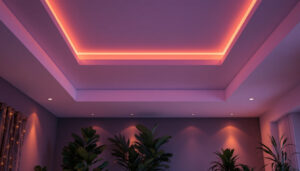
Integrating LED strips into coves, under cabinets, staircases, and signage exemplifies the versatility of these products. Contractors who stay current with design trends and emerging technologies position themselves as trusted experts in the field.
Energy Efficiency and Sustainability Benefits
Clients increasingly prioritize energy-efficient solutions to reduce operational costs and environmental impact. LED strip lighting consumes significantly less power compared to traditional incandescent or fluorescent lighting, while offering longer lifespans and lower maintenance requirements.
Contractors should highlight these benefits during consultations, emphasizing how LED strips contribute to sustainability goals and qualify for energy rebates or incentives in some jurisdictions. Demonstrating expertise in energy-efficient lighting solutions enhances credibility and client trust.
Conclusion: Elevating Lighting Projects with Rolls of LED Strip Lighting
For lighting contractors, mastering the use of rolls of LED strip lighting is a critical skill that combines technical knowledge, meticulous planning, and attention to detail. From selecting the right products and calculating power needs to executing precise installations and providing ongoing maintenance, adherence to best practices ensures outstanding results.
By embracing the flexibility and efficiency of LED strip lighting, contractors can deliver innovative, visually stunning, and sustainable lighting solutions that satisfy clients and elevate their professional reputation. Staying informed about product advancements and industry standards further empowers contractors to lead in the evolving lighting landscape.
Get Your Premium LED Strip Lighting at LumenWholesale
Ready to elevate your lighting projects with the highest quality LED strip lighting? Look no further than LumenWholesale, where we specialize in providing contractors with spec-grade lighting products at unbeatable wholesale prices. Say goodbye to inflated markups and hello to superior lighting solutions that meet rigorous industry standards. With our hassle-free bulk buying and free shipping, you can trust that you’re getting the best value without any hidden fees. Make your next project shine with the perfect blend of quality, affordability, and convenience. Visit LumenWholesale today for Wholesale Lighting at the Best Value.