Understanding the Importance of Gym Lighting
Lighting in gym environments is more than just a functional necessity; it plays a pivotal role in enhancing the overall user experience, safety, and energy efficiency. For lighting contractors, understanding the unique demands of gym lighting is essential to delivering solutions that meet client expectations and regulatory standards.
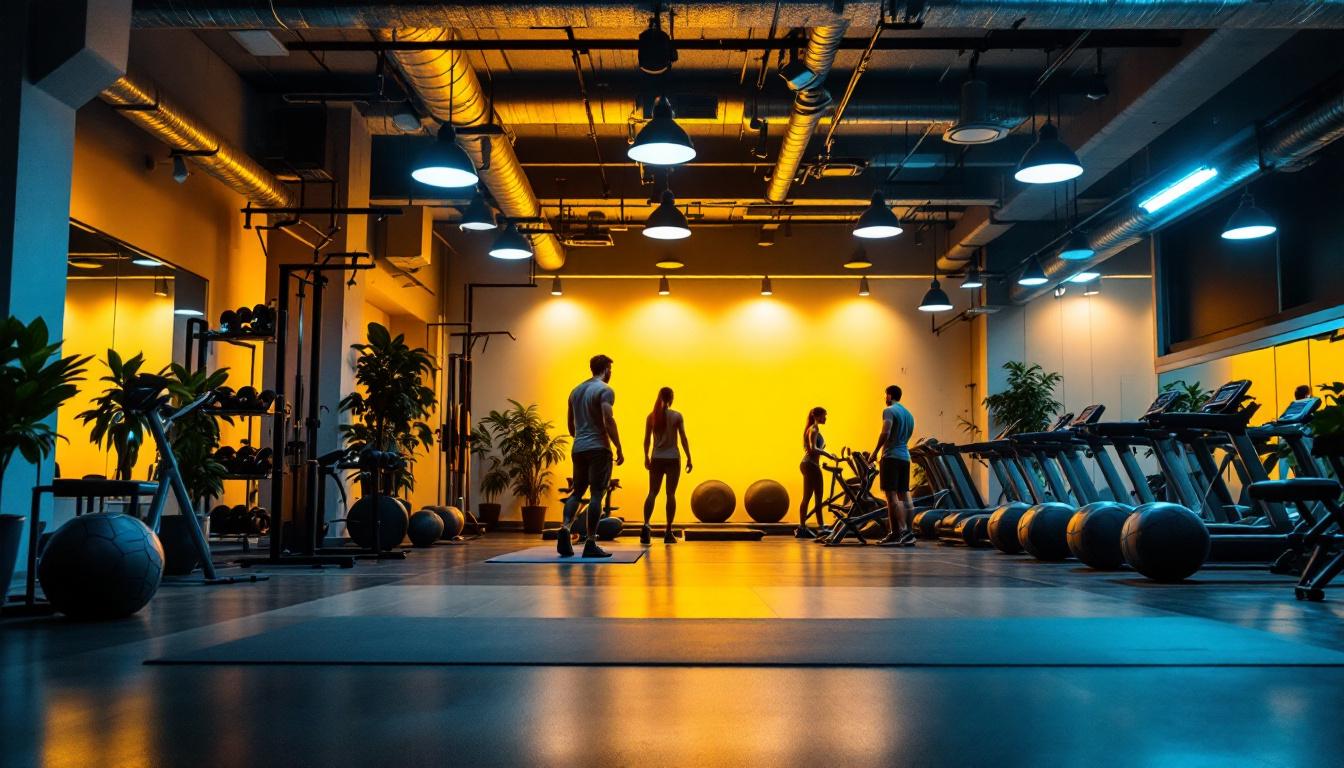
Gyms are dynamic spaces with diverse zones such as cardio areas, weight rooms, group exercise studios, and locker rooms. Each area requires tailored lighting strategies to optimize visibility, comfort, and ambiance. Poor lighting can lead to safety hazards, decreased motivation, and even reduced workout performance. For instance, in weight rooms, brighter, focused lighting can help users maintain proper form and technique, while softer lighting in yoga studios can create a calming atmosphere conducive to relaxation and mindfulness.
Furthermore, gyms often operate for extended hours, sometimes 24/7, which makes energy efficiency a critical consideration. Lighting contractors must balance brightness, color quality, and energy consumption to create sustainable and cost-effective lighting systems. Utilizing LED technology not only reduces energy costs but also minimizes maintenance needs due to their longer lifespan. Additionally, incorporating smart lighting systems that adjust based on occupancy and natural light levels can further enhance energy efficiency while ensuring that gym-goers always have the optimal lighting conditions for their workouts.
Moreover, the psychological effects of lighting should not be overlooked. Bright, well-lit environments can boost mood and motivation, encouraging users to push through their workouts. Conversely, dim or harsh lighting can create feelings of fatigue or discomfort. This is particularly important in group exercise classes, where the right lighting can enhance the overall experience, making workouts feel more engaging and dynamic. By strategically using color temperatures and lighting angles, gym owners can create an inviting atmosphere that not only attracts new members but also retains existing ones, fostering a sense of community and belonging within the gym environment.
Key Lighting Requirements for Gym Environments
Brightness and Uniformity
Gyms require bright, evenly distributed light to ensure safety and visibility. Uneven lighting can cause shadows that obscure equipment or flooring, increasing the risk of accidents. For example, weight rooms benefit from high uniformity to help users see equipment clearly and maintain proper form. In addition to safety, proper lighting can also enhance performance; studies have shown that athletes perform better in well-lit environments, as they can focus more effectively on their movements and surroundings.
Recommended illuminance levels typically range from 300 to 500 lux in general workout areas, with higher levels in precision zones like free weight sections. Lighting contractors should use photometric planning tools to achieve optimal uniformity ratios, generally aiming for 0.7 or higher. Furthermore, it’s essential to consider the layout of the gym; open spaces may require different lighting strategies compared to segmented areas, ensuring that every corner is adequately illuminated without creating harsh contrasts.
Color Temperature and Rendering
Color temperature significantly influences the mood and perceived energy of a gym space. Cooler temperatures (4000K to 5000K) are often preferred because they promote alertness and simulate daylight, which can enhance workout motivation. Warmer temperatures may be suitable for relaxation zones or yoga studios, where a calming atmosphere is desired. The choice of color temperature can also affect how users perceive their physical exertion; cooler light can make a space feel more invigorating, while warmer light can create a more soothing environment for post-workout activities.
Color Rendering Index (CRI) is another critical factor. A CRI of 80 or above is recommended to ensure colors appear natural and vibrant, which is important for both aesthetics and safety. For instance, accurate color rendering helps users distinguish between different equipment and read display panels clearly. Additionally, the right CRI can enhance the overall ambiance of the gym, making it a more inviting place for members to spend time and engage in their fitness routines.
Glare Control and Visual Comfort
Glare can be a significant issue in gyms, especially where reflective surfaces like mirrors and polished floors are common. Excessive glare causes discomfort and distraction, potentially leading to accidents. Lighting contractors should consider fixtures with diffusers, louvers, or indirect lighting techniques to minimize glare. Moreover, integrating smart lighting solutions can allow for dynamic adjustments based on the time of day or specific activities, ensuring that glare is consistently managed throughout the gym’s operational hours.
Adjustable lighting systems can also enhance visual comfort by allowing users or facility managers to modify brightness levels according to activity or time of day. This flexibility is particularly beneficial during group classes or personal training sessions, where different lighting moods can be set to match the intensity of the workout. Furthermore, incorporating natural light through windows or skylights can create a more pleasant environment, reducing reliance on artificial lighting and improving overall well-being for gym-goers.
Popular Gym Lighting Technologies: Pros and Cons
LED Lighting
LED technology has become the industry standard for gym lighting due to its energy efficiency, longevity, and versatility. LEDs offer instant full brightness, which is ideal for gyms that operate around the clock or have variable usage patterns.
Pros:
- Energy savings of up to 50-70% compared to traditional lighting
- Long lifespan, often exceeding 50,000 hours, reducing maintenance costs
- Wide range of color temperatures and dimming capabilities
- Low heat emission, enhancing comfort and reducing HVAC loads
Cons:
- Higher upfront cost compared to fluorescent or incandescent options
- Quality varies significantly between manufacturers, requiring careful specification
- Potential for blue light hazard if improperly selected, which can affect circadian rhythms
Fluorescent Lighting
Fluorescent lamps have historically been common in gyms due to their moderate cost and decent efficiency. However, their use is declining in favor of LEDs.
Pros:
- Lower initial cost compared to LEDs
- Good color rendering with certain phosphor blends
- Available in various sizes and shapes for different fixture types
Cons:
- Shorter lifespan (typically 7,000 to 15,000 hours) leading to frequent replacements
- Contains mercury, posing environmental and disposal concerns
- Flicker issues that can cause discomfort or headaches
- Reduced efficiency in cold environments
Halogen and Incandescent Lighting
These traditional lighting types are rarely recommended for gyms due to poor energy efficiency and heat generation.
Pros:
- Excellent color rendering (CRI close to 100)
- Simple dimming capabilities
Cons:
- Very high energy consumption
- Short lifespan (typically 1,000 to 2,000 hours)
- Excessive heat output, which can increase cooling costs
Advanced Lighting Solutions and Controls
Smart Lighting Systems
Smart lighting integrates sensors, wireless controls, and automation to optimize gym lighting dynamically. Motion sensors can turn lights on or off based on occupancy, while daylight sensors adjust artificial lighting to complement natural light levels.
This technology not only enhances energy savings but also improves user experience by adapting lighting to different activities or times of day. For example, bright, cool lighting can be activated during peak workout hours, while softer, warmer lighting can be used during yoga classes or evening hours.
Dimming and Zoning
Dimming capabilities allow precise control over light intensity, enabling gyms to create different atmospheres or reduce energy consumption during low-usage periods. Zoning divides the gym into multiple lighting circuits, allowing selective control of specific areas.
For lighting contractors, implementing these features requires careful planning of wiring and control systems but offers significant value to clients in terms of flexibility and operational cost savings.
Emergency and Safety Lighting
Safety is paramount in gyms, where users engage in physically demanding activities. Emergency lighting systems must comply with local codes and standards, providing adequate illumination during power outages or emergencies.
Lighting contractors should integrate emergency fixtures seamlessly with the main lighting design, ensuring they do not interfere with aesthetics but remain highly visible and functional when needed.
Challenges Lighting Contractors Face in Gym Projects
Balancing Aesthetics and Functionality
Gyms are not only functional spaces but also social hubs and brand showcases. Lighting contractors must collaborate closely with architects and interior designers to achieve a balance between visual appeal and practical requirements.
For example, incorporating accent lighting to highlight branding or architectural features should not compromise overall illumination levels or create distracting glare.
Meeting Energy Codes and Sustainability Goals
Many jurisdictions enforce stringent energy codes that impact lighting design choices. Lighting contractors must stay current with regulations such as maximum wattage per square foot, mandatory use of high-efficiency fixtures, and controls requirements.
Additionally, sustainability certifications like LEED or WELL Building Standard often influence gym projects. Contractors should be prepared to specify lighting solutions that contribute to these certifications, including the use of renewable energy-compatible systems and low-impact materials.
Addressing Diverse Client Needs and Budgets
Gyms vary widely in size, target clientele, and budget constraints. From boutique studios to large commercial fitness centers, lighting contractors must tailor solutions accordingly.
Cost-effective options might prioritize LED retrofit kits and basic controls, while premium projects may demand fully integrated smart lighting with sophisticated color tuning and scene setting.
Best Practices for Lighting Contractors in Gym Installations
Conduct Thorough Site Assessments
Understanding the gym’s layout, usage patterns, and architectural features is critical before designing the lighting system. Contractors should evaluate natural light availability, ceiling heights, and reflective surfaces to inform fixture selection and placement.
Collaborate with Stakeholders
Effective communication with gym owners, facility managers, architects, and electrical engineers ensures that lighting solutions align with operational goals and technical constraints. Early involvement in the design process helps avoid costly changes during installation.
Specify High-Quality Fixtures and Controls
Choosing reliable, well-reviewed products reduces maintenance issues and enhances client satisfaction. Lighting contractors should prioritize fixtures with proven performance data, warranties, and compatibility with control systems.
Implement Energy-Efficient and Adaptive Solutions
Incorporating occupancy sensors, daylight harvesting, and dimming controls maximizes energy savings and extends fixture lifespan. Adaptive lighting also improves user comfort and supports diverse activities within the gym.
Plan for Maintenance and Future Upgrades
Designing lighting systems with easy access for maintenance and modular components facilitates future upgrades. This foresight is particularly important in gyms, where technology and user expectations evolve rapidly.
Conclusion
For lighting contractors, gym lighting projects present unique challenges and opportunities. Delivering the best gym lighting requires a deep understanding of the space’s functional demands, user experience goals, and energy efficiency imperatives.
By carefully considering brightness, color quality, glare control, and advanced technologies like LED and smart controls, contractors can create lighting solutions that enhance safety, performance, and aesthetics. Navigating client budgets, regulatory requirements, and sustainability goals further underscores the importance of expertise and collaboration.
Ultimately, the best gym lighting solutions are those that balance innovation with practicality, providing gym owners and users with environments that inspire and support healthy lifestyles.
Illuminate Your Gym Projects with LumenWholesale
Ready to elevate your gym lighting installations with the perfect blend of innovation and practicality? At LumenWholesale, we provide lighting contractors with spec-grade lighting products that meet the highest industry standards. Our extensive selection is available at unbeatable wholesale prices, ensuring you can deliver top-quality gym lighting solutions while staying within budget. Say goodbye to inflated markups and hello to hassle-free bulk buying with free shipping. Don’t compromise on quality or value—choose LumenWholesale for your next project and experience the ultimate in affordability and convenience. Wholesale Lighting at the Best Value is just a click away.