Understanding Architectural Lighting: More Than Just Illumination
Architectural lighting is a specialized field that goes beyond simply brightening a space. It’s about shaping perception, enhancing aesthetics, and influencing how people experience an environment. For lighting contractors, mastering this discipline means blending technical skill with creative insight to deliver solutions that are both functional and visually compelling.
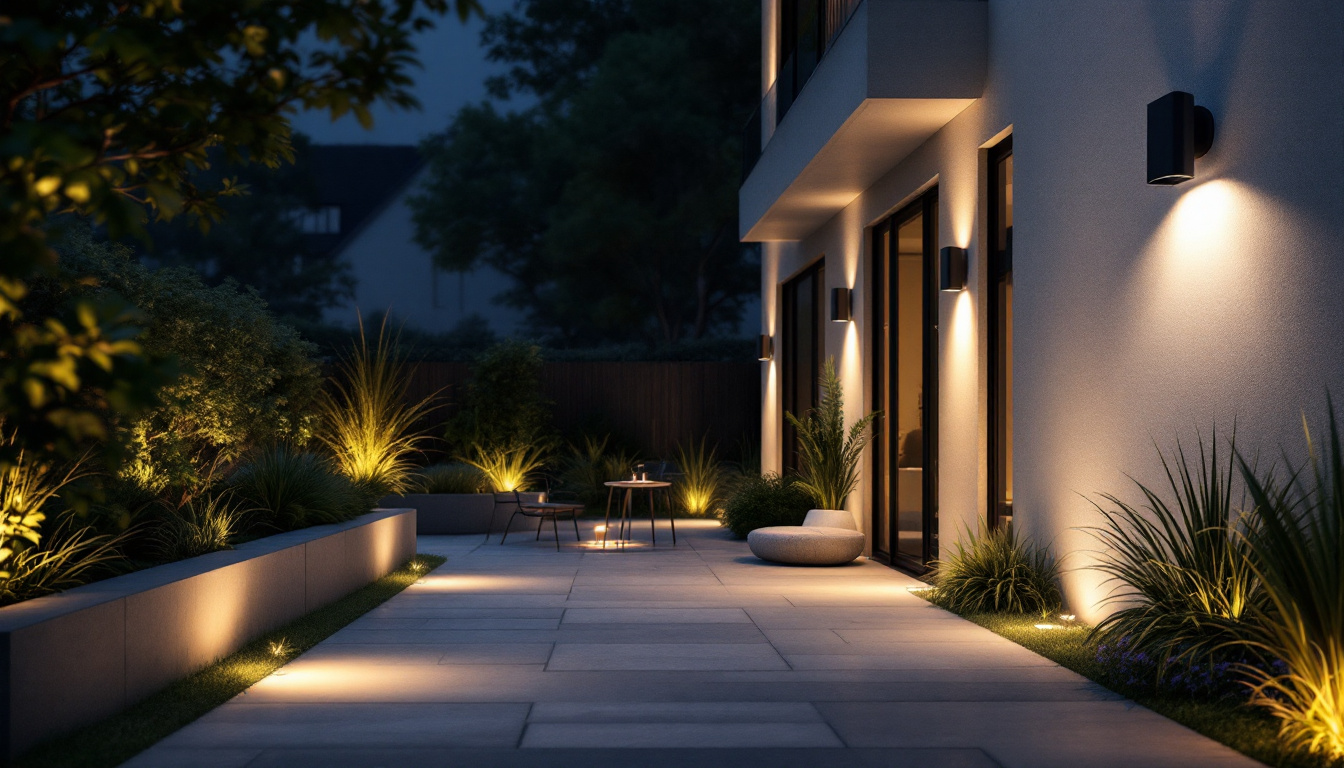
Unlike general lighting, architectural lighting integrates seamlessly with building design, highlighting architectural features, creating mood, and supporting the building’s purpose. Whether it’s a sleek office lobby, a historic facade, or a public plaza, the lighting must complement the structure and the intended use of the space.
Lighting contractors play a crucial role in this process. They must understand the nuances of light behavior, the latest technologies, and the practical challenges of installation. This knowledge ensures that the lighting not only looks great but also performs reliably and efficiently over time.
In addition to aesthetics, architectural lighting also considers energy efficiency and sustainability. With the growing emphasis on green building practices, lighting contractors are increasingly tasked with selecting fixtures and systems that minimize energy consumption while maximizing impact. This includes utilizing LED technology, which not only offers longer lifespans and lower energy use but also provides a range of color temperatures and dimming capabilities that can enhance the ambiance of a space. By incorporating smart lighting controls, such as sensors and timers, contractors can further optimize energy use, adapting the lighting to the needs of the occupants and the time of day.
Moreover, the psychological effects of lighting cannot be overlooked. Studies have shown that well-designed lighting can improve mood, productivity, and even health. For instance, in office environments, the right lighting can reduce eye strain and fatigue, fostering a more comfortable and efficient workspace. In public areas, strategic lighting can enhance safety and security, guiding people through spaces while also creating inviting atmospheres. As such, lighting contractors must not only be skilled technicians but also keen observers of human behavior, ensuring that their designs cater to the needs and experiences of all users.
Key Principles Lighting Contractors Should Know
Light Quality and Color Temperature
Light quality directly affects how colors and textures appear. Contractors need to select fixtures and bulbs with appropriate color rendering index (CRI) values to ensure materials are represented accurately. High CRI lighting (above 80) is typically preferred in architectural applications to maintain true-to-life colors. This is particularly important in settings such as art galleries and retail spaces, where the accurate representation of colors can influence purchasing decisions and the overall aesthetic experience. Additionally, the choice of light sources can also affect how textures are perceived; for instance, a warm light may soften the appearance of rough surfaces, while cooler light can enhance the details in smooth finishes.
Color temperature, measured in Kelvins (K), influences the mood of a space. Warm light (2700K–3000K) creates a cozy, inviting atmosphere, often used in hospitality and residential settings. Cooler light (4000K–5000K) feels more clinical and energizing, suitable for offices and retail environments. Matching the color temperature to the design intent is essential for achieving the desired effect. Moreover, understanding the psychological impact of color temperature can help contractors make informed decisions; for example, warmer tones can promote relaxation and comfort, making them ideal for bedrooms and lounges, while cooler tones can enhance focus and productivity in workspaces.
Layering Light for Depth and Functionality
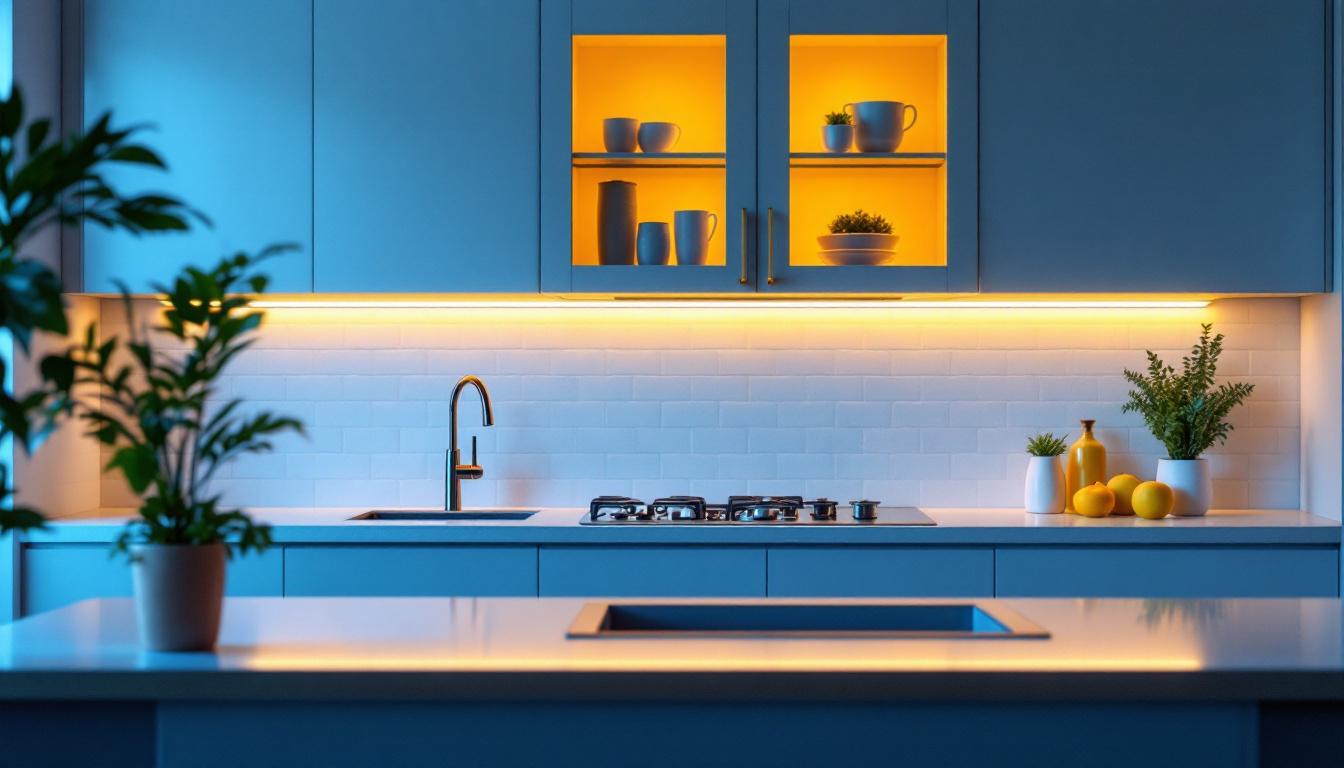
Effective architectural lighting uses multiple layers: ambient, task, and accent lighting. Ambient lighting provides general illumination, task lighting focuses on specific activities, and accent lighting highlights architectural elements or artwork. Each layer serves a unique purpose, and when combined thoughtfully, they create a harmonious environment that enhances both aesthetics and functionality.
Lighting contractors must design systems that balance these layers to avoid flat or overly harsh environments. For example, a museum might use soft ambient light to protect exhibits, supplemented by focused accent lights to draw attention to key pieces. Understanding how these layers interact helps contractors create dynamic, comfortable spaces. Additionally, the use of adjustable fixtures can allow for flexibility in lighting design, enabling spaces to adapt to different functions or events. This adaptability is particularly beneficial in multifunctional spaces such as community centers or conference halls, where the lighting needs may shift throughout the day.
Energy Efficiency and Sustainability
Energy codes and sustainability standards increasingly influence lighting design. Contractors should prioritize LED technology for its longevity and low energy consumption. Incorporating controls like dimmers, occupancy sensors, and daylight harvesting systems not only reduces energy use but also enhances user comfort. The integration of smart lighting systems can further optimize energy efficiency by allowing users to customize lighting settings based on their preferences and the time of day, leading to significant savings over time.
Sustainable lighting practices can significantly impact operational costs and environmental footprints. Lighting contractors who stay informed about evolving regulations and technologies provide added value to clients by delivering systems that meet or exceed compliance requirements. Furthermore, the use of recycled materials in fixtures and the consideration of the lifecycle impact of lighting products can contribute to a more sustainable approach. By advocating for energy-efficient designs and educating clients on the benefits of sustainable lighting, contractors can play a crucial role in promoting environmentally responsible practices within the industry.
Technical Considerations for Installation and Maintenance
Fixture Selection and Placement
Choosing the right fixtures involves more than aesthetics. Contractors must consider beam angles, mounting height, and fixture spacing to achieve uniform illumination and avoid glare or shadows. For example, narrow beam spotlights are ideal for highlighting columns or sculptures, while wide floodlights suit general wall washing.
Proper placement also ensures ease of maintenance. Fixtures should be accessible for bulb replacement or cleaning without disrupting the building’s operation. Lighting contractors often collaborate with architects and engineers early in the project to integrate these practical details into the design.
Wiring and Control Systems
Architectural lighting often involves complex wiring and control systems. Contractors need to be proficient with digital lighting controls, including DALI (Digital Addressable Lighting Interface) and DMX protocols, which allow for precise dimming, color changing, and scene setting.
Integration with building automation systems is increasingly common, enabling centralized control and monitoring. This requires careful planning to ensure compatibility and reliability. Lighting contractors must also ensure that wiring complies with electrical codes and safety standards to prevent hazards.
Maintenance Planning
Long-term performance depends on regular maintenance. Contractors should provide clients with maintenance schedules and recommendations, including cleaning, bulb replacement intervals, and control system updates. Predictive maintenance, enabled by smart lighting systems, can alert facility managers to potential issues before they become costly problems.
Trends and Innovations Lighting Contractors Should Watch
Human-Centric Lighting
Human-centric lighting (HCL) focuses on supporting human health and well-being by mimicking natural light patterns. It adjusts color temperature and intensity throughout the day to align with circadian rhythms, improving mood, productivity, and sleep quality.
Lighting contractors who understand HCL principles can offer clients solutions that enhance occupant comfort, especially in workplaces, healthcare, and educational facilities. Implementing tunable white LEDs and advanced controls is key to delivering these dynamic lighting environments.
Smart Lighting and IoT Integration
Smart lighting systems connected through the Internet of Things (IoT) provide unprecedented control and data collection capabilities. Sensors can adjust lighting based on occupancy, daylight availability, or user preferences, optimizing energy use and enhancing user experience.
For contractors, this means developing skills in networked lighting design, cybersecurity considerations, and software configuration. The ability to program and troubleshoot these systems adds a competitive edge in the market.
Innovative Materials and Fixtures
Advancements in materials science have led to new fixture designs that are lighter, more durable, and more efficient. OLED (Organic Light Emitting Diode) panels, for instance, offer ultra-thin, flexible lighting solutions with excellent color quality and uniformity.
Contractors should stay abreast of these innovations to recommend cutting-edge options that meet unique architectural challenges. Collaborating with manufacturers and designers can open opportunities for custom solutions that set projects apart.
Best Practices for Lighting Contractors in Architectural Projects
Early Collaboration with Design Teams
Getting involved early in the design process allows contractors to influence fixture selection, placement, and control strategies. This collaboration helps avoid costly changes during construction and ensures that lighting integrates seamlessly with architectural and mechanical systems.
Contractors should actively participate in design meetings, provide input on feasibility, and suggest innovative solutions that align with the project’s goals and budget.
Thorough Site Assessments
Before installation, conducting detailed site assessments is crucial. Understanding existing conditions, such as ambient light levels, electrical infrastructure, and architectural constraints, enables accurate planning and reduces surprises during implementation.
Lighting contractors should document findings meticulously and communicate any challenges or adjustments needed to the project team.
Quality Control and Testing
Ensuring the lighting system performs as intended requires rigorous quality control. Contractors should verify fixture operation, light levels, color consistency, and control system functionality before project handover.
Testing under different conditions, such as daylight and nighttime, confirms that the design intent is met and that occupants will have a positive experience.
Client Education and Support
Providing clients with clear instructions on operating and maintaining their lighting systems builds trust and satisfaction. Offering training sessions, user manuals, and ongoing support helps clients maximize the benefits of their investment.
Lighting contractors who maintain strong client relationships often gain repeat business and referrals, reinforcing their reputation in the architectural lighting market.
Conclusion: Mastery of Architectural Lighting is a Competitive Advantage
Architectural lighting demands a blend of technical expertise, aesthetic sensitivity, and forward-thinking innovation. Lighting contractors who understand the critical principles, stay current with technology trends, and engage proactively with design teams position themselves as invaluable partners in creating inspiring, functional spaces.
Success in this field hinges on attention to detail-from selecting the right fixtures and controls to ensuring seamless installation and maintenance. By embracing these essential facts, lighting contractors can elevate their craft, deliver exceptional results, and build lasting client relationships in the architectural lighting arena.
Illuminate Your Projects with LumenWholesale
Ready to take your architectural lighting projects to the next level? At LumenWholesale, we provide lighting contractors with the essential tools for success. Our spec-grade lighting products not only meet the highest industry standards but come at unbeatable wholesale prices, giving you the competitive edge you need. Say goodbye to inflated markups and hello to a vast selection of reliable, high-performance lighting. Plus, with free shipping on bulk orders, you can trust that you’re getting premium quality at the best value. Elevate your craft and create inspiring spaces with the perfect blend of quality, affordability, and convenience. Discover the difference at LumenWholesale – Wholesale Lighting at the Best Value.