Introduction to Solar Powered Security Lighting
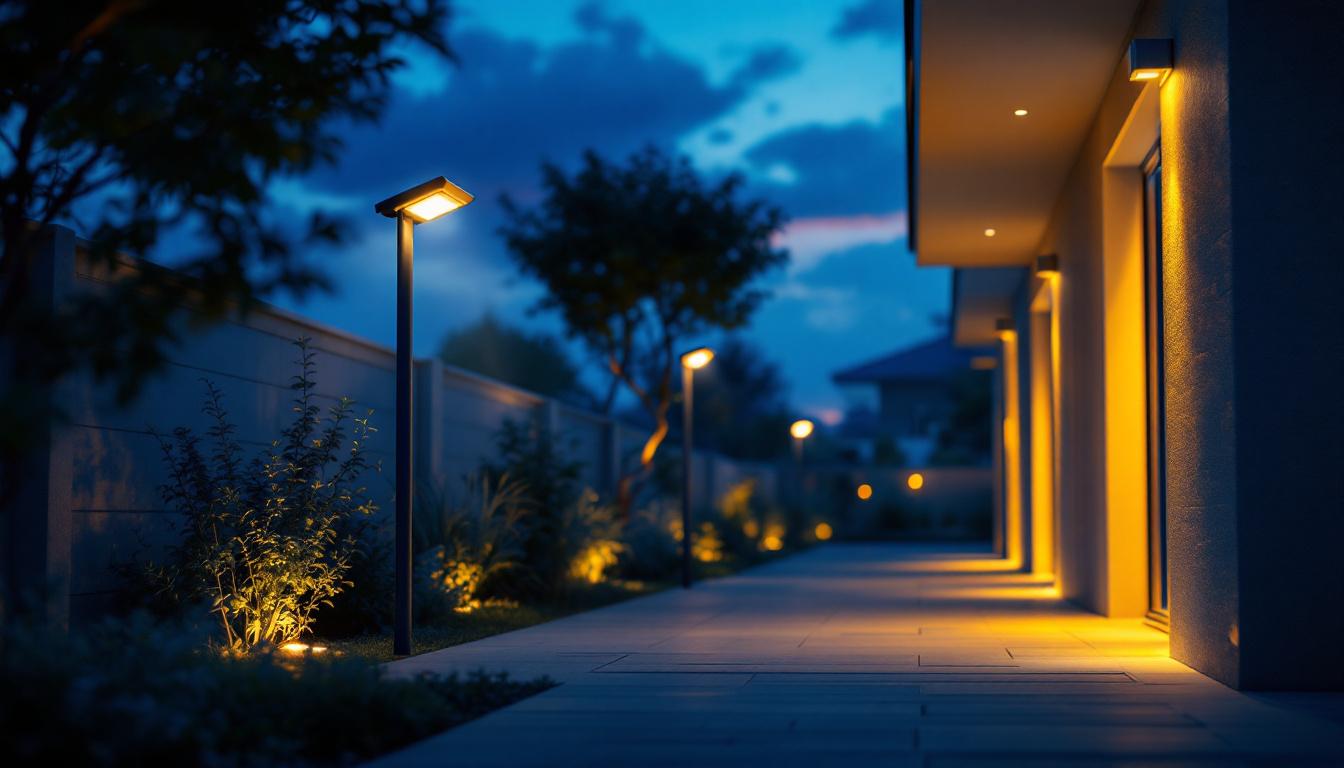
Security lighting has become an essential component of modern property safety, deterring intruders and enhancing visibility around homes, businesses, and public spaces. As energy efficiency and sustainability gain prominence, solar powered security lights have emerged as a preferred solution among lighting contractors. These systems harness renewable energy, reduce operational costs, and offer flexible installation options, making them an attractive choice for a wide range of applications.
For lighting contractors, understanding the nuances of solar powered security lighting is critical to delivering effective, reliable, and cost-efficient solutions to clients. This article explores the top strategies contractors use to optimize solar security lighting installations, ensuring maximum performance and customer satisfaction.
One of the key advantages of solar powered security lighting is its ability to operate independently of the electrical grid. This feature is particularly beneficial in remote areas where traditional wiring may be impractical or cost-prohibitive. Additionally, advancements in solar technology have led to more efficient photovoltaic cells and energy storage systems, allowing for longer operational hours even during cloudy days or in winter months. As a result, these systems can provide consistent lighting when it is needed most, enhancing security and peace of mind for property owners.
Moreover, the integration of smart technology into solar powered security lighting systems is revolutionizing the way contractors approach installations. Many modern solar lights now come equipped with motion sensors, timers, and even smartphone connectivity, enabling users to control their lighting remotely. This not only enhances the functionality of the lighting systems but also allows for tailored solutions that meet specific security needs. By leveraging these smart features, contractors can offer clients a more comprehensive security solution that adapts to their lifestyle and enhances overall safety.
Advantages of Solar Powered Security Lights
Energy Efficiency and Cost Savings
Solar powered security lights operate independently of the electrical grid, drawing energy from sunlight via photovoltaic panels. This eliminates electricity costs associated with traditional wired lighting systems and reduces the carbon footprint of the installation. For clients looking to minimize ongoing expenses, solar lighting offers a compelling value proposition.
Moreover, many solar security lights incorporate energy-efficient LED technology, which consumes less power while providing bright, consistent illumination. This combination extends battery life and reduces maintenance frequency, further enhancing cost-effectiveness. The longevity of LED bulbs, often lasting up to 50,000 hours, means that clients can enjoy years of reliable service without the hassle of frequent replacements, making solar lights not only economical but also a low-maintenance solution.
Ease of Installation and Flexibility
Unlike traditional wired security lights that require trenching, conduit installation, and electrical connections, solar powered systems are largely plug-and-play. This simplifies the installation process, reduces labor costs, and shortens project timelines. Contractors can install these lights in locations where running electrical wiring would be impractical or prohibitively expensive, such as remote areas, gardens, or temporary sites.
The flexibility of solar lighting also allows for easy repositioning or expansion of the system as client needs evolve. This adaptability is particularly valuable in commercial or industrial settings where security requirements may change over time. Additionally, many solar lights come equipped with motion sensors, allowing them to activate only when needed, which not only conserves energy but also enhances security by providing illumination at critical moments.
Environmental Impact and Client Appeal
With growing awareness of environmental issues, many clients prioritize sustainable building and safety solutions. Solar powered security lights align with green building standards and can contribute to LEED certification points, enhancing the marketability of a property.
Lighting contractors who promote solar security lighting as an eco-friendly option can differentiate themselves in a competitive marketplace, appealing to environmentally conscious customers and businesses. Furthermore, as governments and municipalities increasingly incentivize renewable energy solutions through rebates and tax credits, the financial benefits of installing solar security lights become even more attractive. Clients not only invest in a safer environment but also participate in a broader movement towards sustainability, making their choice a statement of values as much as a practical decision.
Key Considerations for Lighting Contractors
Assessing Site Conditions and Solar Potential
One of the most critical steps in designing an effective solar powered security lighting system is evaluating the site’s solar potential. Contractors must analyze factors such as sun exposure, shading from trees or buildings, and panel orientation to ensure adequate energy capture throughout the year.
Tools like solar pathfinders or smartphone apps can assist in this assessment, providing data on sunlight hours and shading patterns. Proper site evaluation prevents underperformance and client dissatisfaction resulting from insufficient lighting during low sunlight periods.
Choosing the Right Solar Security Light Components
Solar powered security lights consist of several key components: photovoltaic panels, batteries, LED fixtures, motion sensors, and control units. Selecting high-quality, compatible components is essential for system reliability and longevity.
Contractors should prioritize panels with high conversion efficiency and durable construction, as well as batteries with ample capacity and long cycle life, such as lithium-ion or advanced sealed lead-acid types. LED fixtures should offer adjustable brightness and beam angles to tailor illumination to specific security needs.
Motion sensors and smart controls enhance energy efficiency by activating lights only when needed, extending battery life and reducing light pollution. Integrating remote monitoring capabilities can also improve maintenance and troubleshooting.
Compliance with Safety and Lighting Standards
Security lighting installations must comply with local electrical codes, safety regulations, and lighting standards. Contractors should familiarize themselves with relevant guidelines such as the Illuminating Engineering Society (IES) recommendations for security lighting levels and glare control.
Ensuring proper mounting heights, beam angles, and light distribution prevents over-illumination or dark spots, which can compromise security effectiveness. Additionally, adherence to regulations regarding light trespass and wildlife protection is important in sensitive areas.
Installation Best Practices for Solar Security Lights
Optimizing Panel Placement and Angle
For maximum solar energy capture, photovoltaic panels should be installed in locations free from obstructions and oriented towards the sun’s path—typically facing true south in the northern hemisphere or true north in the southern hemisphere. The tilt angle should correspond to the site’s latitude to optimize year-round performance.
Contractors must also ensure panels are securely mounted to withstand wind and weather conditions, using corrosion-resistant hardware and weatherproof enclosures.
Strategic Light Fixture Positioning
Security light fixtures should be positioned to illuminate key areas such as entry points, driveways, walkways, and blind spots. Avoid placing lights too close to reflective surfaces that can cause glare or disorient users. Adjustable fixtures enable fine-tuning of beam direction after installation.
Incorporating multiple lights with overlapping coverage can eliminate shadows and enhance overall security. However, balancing illumination intensity is crucial to avoid excessive brightness that may disturb neighbors or violate local ordinances.
Integrating Motion Sensors and Timers
Motion sensors are vital for activating lights only when movement is detected, conserving battery power and providing immediate deterrence to potential intruders. Contractors should select sensors with appropriate detection ranges and sensitivity settings tailored to the site’s environment.
Timers or ambient light sensors can complement motion activation by controlling operating hours, ensuring lights function during nighttime or low-light conditions. Combining these controls optimizes energy use and extends system lifespan.
Maintenance and Troubleshooting Strategies
Routine Inspection and Cleaning
Maintaining solar powered security lights involves periodic inspection of panels, batteries, and fixtures. Dust, dirt, and debris accumulation on panels can significantly reduce energy absorption, so regular cleaning is essential, especially in dusty or polluted environments.
Contractors should advise clients on cleaning schedules and provide guidance on safe cleaning methods to avoid damaging sensitive components.
Battery Health Monitoring and Replacement
Batteries are the most critical and time-sensitive components in solar lighting systems. Over time, battery capacity diminishes, leading to reduced lighting duration and performance. Monitoring battery voltage and charge cycles helps identify when replacement is necessary.
Contractors can offer maintenance contracts or remote monitoring services to proactively manage battery health, minimizing downtime and ensuring continuous security coverage.
Addressing Common Issues
Common challenges with solar security lights include insufficient illumination, flickering lights, or failure to activate. These issues often stem from shading, battery degradation, sensor misalignment, or wiring faults.
Systematic troubleshooting involves checking panel exposure, verifying battery charge, recalibrating sensors, and inspecting connections. Prompt diagnosis and repair maintain client trust and system reliability.
Emerging Trends and Technologies in Solar Security Lighting
Smart Lighting Integration
Advancements in Internet of Things (IoT) technology enable solar powered security lights to be integrated into smart home and building management systems. Lighting contractors can leverage these capabilities to offer clients remote control, real-time monitoring, and data analytics on lighting usage and security events.
Smart integration enhances user experience, facilitates predictive maintenance, and improves overall security effectiveness.
Enhanced Battery Technologies
Innovations in battery chemistry, such as solid-state and advanced lithium-ion variants, promise longer lifespans, faster charging, and improved safety. Lighting contractors should stay informed about these developments to recommend cutting-edge solutions that maximize system durability and performance.
Hybrid Solar Lighting Systems
Combining solar power with auxiliary energy sources, such as grid electricity or wind turbines, offers hybrid solutions that ensure uninterrupted lighting even during extended periods of low sunlight. These systems provide redundancy and greater reliability, appealing to clients with critical security needs.
Conclusion: Maximizing Success with Solar Powered Security Lights
Solar powered security lighting represents a forward-thinking approach to property safety, blending sustainability with practical benefits. For lighting contractors, mastering the strategies outlined above—from site assessment and component selection to installation and maintenance—can significantly enhance project outcomes and client satisfaction.
By embracing innovation, adhering to best practices, and prioritizing quality, contractors can position themselves as trusted experts in solar security lighting, meeting the evolving demands of today’s energy-conscious market.
Illuminate Your Projects with LumenWholesale
Ready to elevate your lighting projects with the most efficient solar powered security lights? At LumenWholesale, we specialize in providing lighting contractors with superior, spec-grade lighting solutions at unbeatable wholesale prices. Our commitment to quality and affordability means you can access a vast selection of top-tier lighting products that meet the highest industry standards. Plus, with the convenience of free shipping on bulk orders, you can ensure your projects shine without the burden of hidden costs. Don’t compromise on performance or price. Discover wholesale lighting at the best value today and light up your work with confidence and sustainability.