Understanding Down Firing Outdoor Lights
Down firing outdoor lights are a versatile and effective solution for illuminating outdoor spaces. Unlike traditional lighting fixtures that project light upwards or sideways, down firing lights focus their illumination directly downward. This characteristic makes them particularly useful for highlighting pathways, gardens, and architectural features while minimizing light pollution and glare.
For lighting contractors, understanding the nuances of down firing outdoor lights is crucial. This knowledge not only enhances the aesthetic appeal of a project but also ensures compliance with local regulations regarding light pollution. By mastering the design and installation of these fixtures, contractors can deliver high-quality lighting solutions that meet client expectations and contribute to a sustainable environment. Moreover, staying updated with the latest advancements in lighting technology allows contractors to offer innovative solutions that can set them apart in a competitive market.
Benefits of Down Firing Lights
One of the primary advantages of down firing lights is their ability to provide targeted illumination. This focused approach helps in accentuating specific areas without disturbing the surrounding environment. For instance, when installed in a garden, these lights can highlight flower beds or sculptures without spilling light into neighboring properties. This not only enhances the beauty of the landscape but also respects the privacy and comfort of nearby residents.
Additionally, down firing outdoor lights are often designed to be energy-efficient. Many modern fixtures utilize LED technology, which not only reduces energy consumption but also extends the lifespan of the lighting system. This efficiency translates into lower operating costs and a reduced environmental footprint, making them an attractive option for eco-conscious clients. Furthermore, the longevity of LED down firing lights means less frequent replacements, which can significantly reduce maintenance efforts and costs over time, making them a wise investment for both residential and commercial properties.
Applications in Various Settings
Down firing outdoor lights are suitable for a wide range of applications. In residential settings, they can be used to illuminate driveways, patios, and walkways, enhancing safety and security. In commercial environments, these lights can accentuate storefronts or outdoor dining areas, creating an inviting atmosphere for customers. The strategic placement of these lights can also deter potential intruders, as well-lit outdoor spaces are less appealing targets for criminal activity.
Furthermore, down firing lights can be integrated into landscape designs, providing a subtle yet effective means of highlighting trees, shrubs, and architectural features. Their versatility makes them an essential tool for lighting contractors looking to create impactful outdoor spaces. In public parks and recreational areas, down firing lights can enhance visibility along trails and seating areas, promoting safety for nighttime visitors. Additionally, they can be used in event spaces to create a warm and welcoming ambiance during gatherings, making them a preferred choice for outdoor celebrations and community events.
Common Mistakes in Lighting Projects
Despite the benefits of down firing outdoor lights, many lighting contractors encounter pitfalls during their projects. Understanding these common mistakes can help prevent costly errors and ensure successful installations.
1. Inadequate Planning and Design
One of the most frequent mistakes is failing to adequately plan and design the lighting layout. A well-thought-out design takes into account the specific needs of the space, the desired ambiance, and the functionality of the lighting. Without proper planning, contractors may end up with uneven lighting, dark spots, or overly bright areas that detract from the overall aesthetic.
To avoid this mistake, contractors should conduct a thorough site assessment before installation. This assessment should include evaluating the existing landscape, identifying focal points, and determining the appropriate number and placement of fixtures. Engaging clients in this process can also provide valuable insights into their preferences and expectations. Additionally, utilizing design software can help visualize the lighting effects and make adjustments before the actual installation, ensuring that the final outcome aligns with the client’s vision.
2. Ignoring Local Regulations
Another common oversight is neglecting to consider local regulations regarding outdoor lighting. Many municipalities have specific guidelines aimed at reducing light pollution and protecting wildlife. Failing to comply with these regulations can result in fines, project delays, and the need for costly modifications.
Contractors should familiarize themselves with the local lighting codes and standards before beginning a project. This knowledge will not only help in avoiding penalties but also enhance the contractor’s reputation as a responsible and knowledgeable professional. Furthermore, staying updated on changes in legislation can provide a competitive edge, allowing contractors to offer solutions that are both compliant and innovative, ensuring that their projects contribute positively to the surrounding environment.
3. Underestimating Fixture Quality
The quality of lighting fixtures plays a significant role in the success of a lighting project. Many contractors make the mistake of choosing low-cost fixtures without considering their durability and performance. Inexpensive lights may save money upfront, but they often lead to higher maintenance costs and frequent replacements.
Investing in high-quality down firing outdoor lights ensures longevity and reliability. Contractors should prioritize fixtures that are weather-resistant, energy-efficient, and backed by a solid warranty. This approach not only enhances the quality of the installation but also fosters client trust and satisfaction. Additionally, selecting fixtures that offer adjustable features can provide versatility, allowing clients to modify the lighting as their needs change over time. By presenting these options, contractors can further demonstrate their commitment to providing value and enhancing the overall experience for their clients.
Best Practices for Successful Installations
To ensure successful installations of down firing outdoor lights, contractors should adhere to best practices that enhance both functionality and aesthetics.
1. Choose the Right Fixtures
Selecting the appropriate fixtures is paramount. Consider factors such as the lumen output, beam angle, and color temperature when choosing down firing lights. The lumen output will determine how bright the light is, while the beam angle affects how wide or narrow the light spread will be. Color temperature, measured in Kelvins, influences the ambiance of the space; warmer tones create a cozy atmosphere, while cooler tones can evoke a more modern feel.
Additionally, ensure that the fixtures are designed for outdoor use and are equipped with features such as adjustable angles or dimming capabilities. These features provide flexibility in achieving the desired lighting effect.
2. Proper Installation Techniques
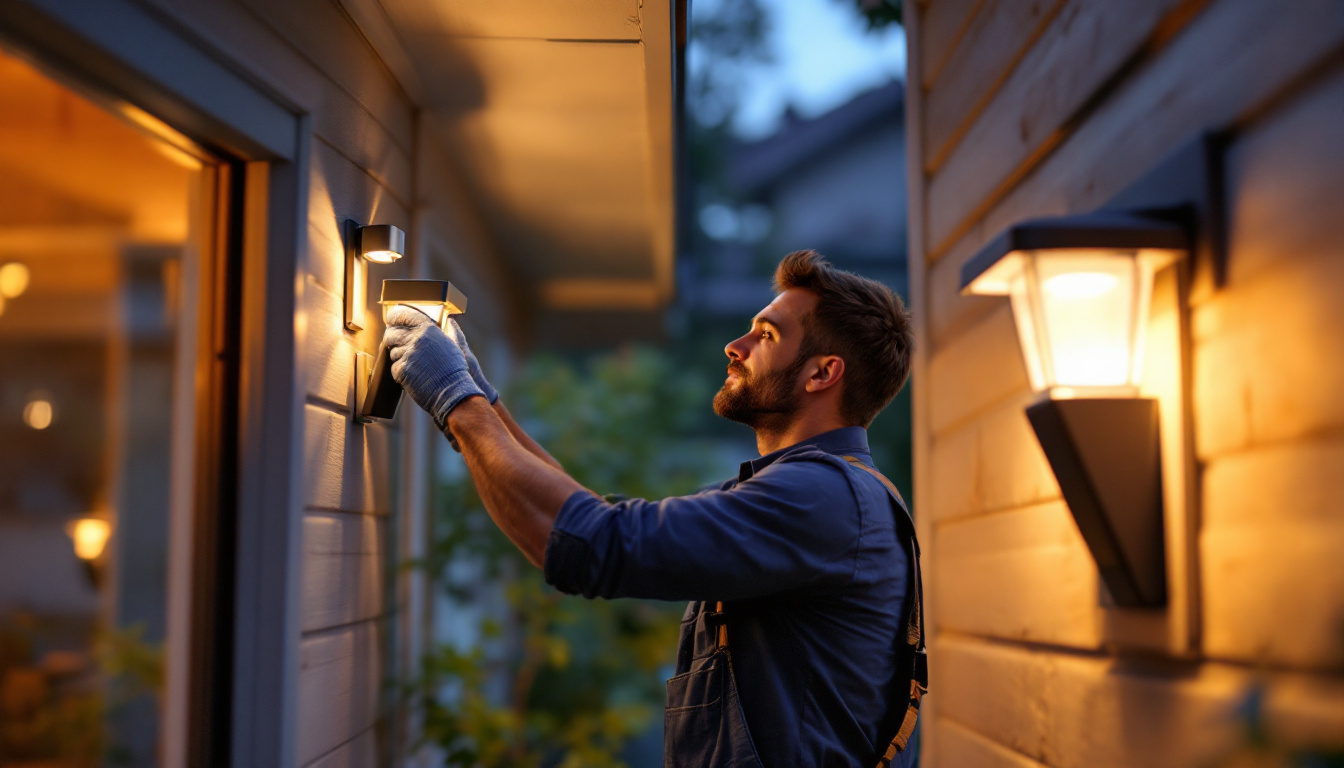
Proper installation techniques are essential for maximizing the performance of down firing outdoor lights. Begin by ensuring that all fixtures are securely mounted and positioned at the correct height. The height of the fixtures can significantly impact the quality of light distribution and the overall appearance of the space.
Furthermore, pay attention to the wiring and connections. Use weatherproof connectors and ensure that all electrical components are rated for outdoor use. This attention to detail will help prevent future issues and ensure the longevity of the lighting system.
3. Conducting Post-Installation Checks
After installation, conducting thorough checks is vital. Test each fixture to ensure it operates correctly and provides the intended illumination. Adjust the angles and brightness as necessary to achieve the desired effect.
Additionally, consider obtaining feedback from the client after the installation. This feedback can provide insights into their satisfaction and highlight any areas for improvement in future projects. A proactive approach to client communication fosters trust and can lead to repeat business and referrals.
Enhancing Aesthetics with Down Firing Lights
Beyond functionality, down firing outdoor lights offer significant opportunities for enhancing the aesthetics of outdoor spaces. By strategically placing these fixtures, contractors can create visually appealing environments that captivate and engage users.
1. Highlighting Architectural Features
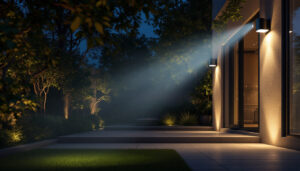
Down firing lights can be used to accentuate architectural features such as columns, arches, and textured walls. By directing light onto these elements, contractors can create dramatic effects that enhance the overall design of the space. This technique not only draws attention to the architecture but also adds depth and dimension to the environment.
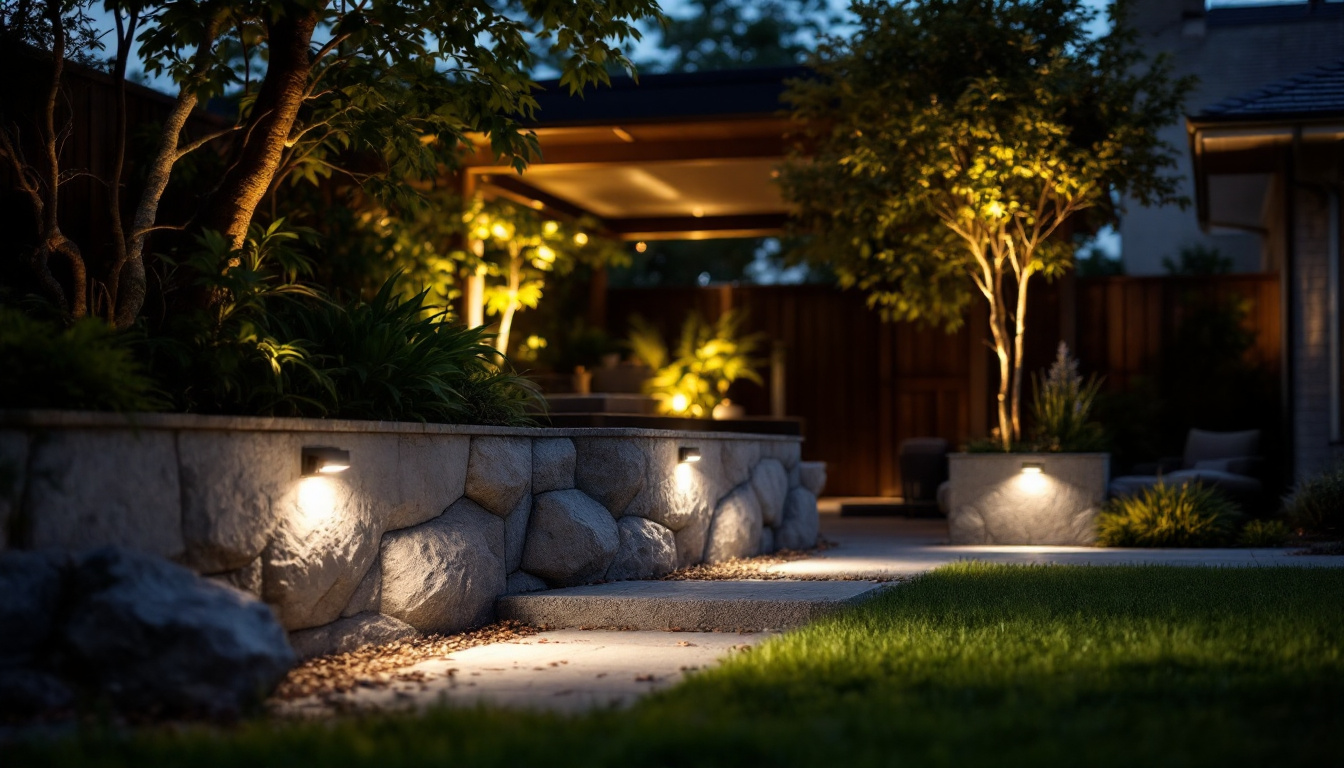
For instance, illuminating a stone wall with down firing lights can create a stunning visual impact, especially at night. This technique is particularly effective in outdoor dining areas or patios, where ambiance plays a crucial role in the overall experience.
2. Creating Safe Pathways
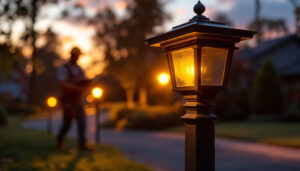
Safety is a primary concern in outdoor lighting design. Down firing lights can be strategically placed along pathways, driveways, and steps to provide clear visibility and guidance. This not only enhances safety but also contributes to the overall aesthetic appeal of the landscape.
Using down firing lights to illuminate pathways can create a warm and inviting atmosphere, encouraging outdoor use during the evening hours. Additionally, incorporating motion sensors can further enhance safety by automatically activating the lights when someone approaches.
3. Integrating with Landscape Design
Integrating down firing lights into the landscape design can create a harmonious and cohesive look. By illuminating trees, shrubs, and garden beds, contractors can enhance the natural beauty of the outdoor space. This integration helps to create a seamless transition between the built environment and nature.
Consider using down firing lights to highlight specific plants or features within the garden. For example, illuminating a flowering shrub can draw attention to its beauty while creating a serene atmosphere. This approach not only enhances the visual appeal but also encourages clients to spend more time enjoying their outdoor spaces.
Conclusion: Mastering Down Firing Outdoor Lighting
Mastering down firing outdoor lighting requires a combination of technical knowledge, creativity, and attention to detail. By understanding the benefits and applications of these fixtures, lighting contractors can avoid common mistakes and deliver exceptional results.
From proper planning and design to selecting high-quality fixtures and employing best installation practices, each step is crucial in achieving a successful lighting project. Furthermore, enhancing aesthetics through strategic placement and integration with landscape design can elevate the overall experience for clients.
Ultimately, down firing outdoor lights offer a unique opportunity to create beautiful, functional, and sustainable outdoor spaces. By embracing these principles, lighting contractors can ensure their projects stand out and meet the evolving needs of their clients.
Illuminate Your Projects with LumenWholesale
Ready to elevate your lighting projects with the highest quality down firing outdoor lights? At LumenWholesale, we provide lighting contractors with spec-grade lighting products that combine durability, efficiency, and aesthetic appeal. Our commitment to cutting out the middleman means you get the best wholesale prices without sacrificing quality. With free shipping on bulk orders, LumenWholesale is your go-to source for premium lighting solutions that fit your budget. Don’t compromise on quality or value; explore our selection and discover the ideal lighting for your next project at the best value.