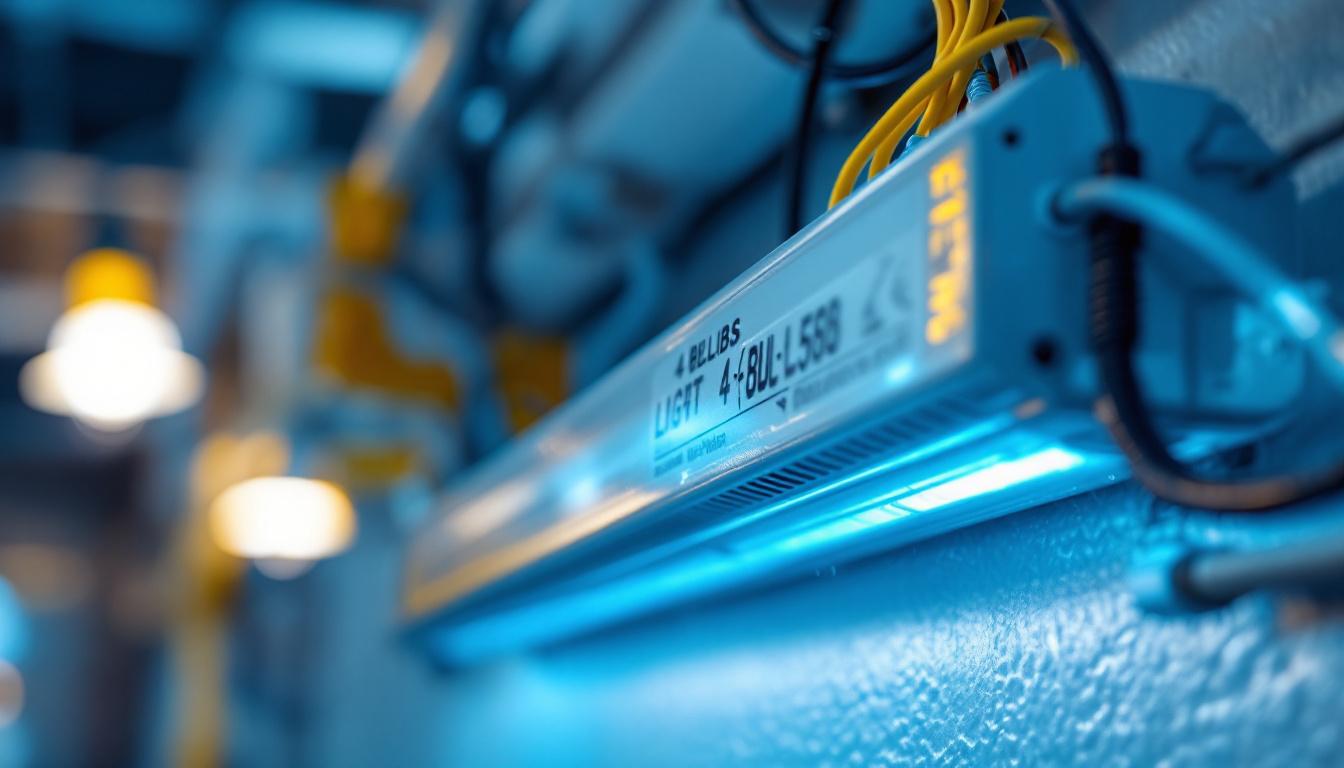
Understanding the Basics of 4 Bulb Fluorescent Light Ballasts
Fluorescent lighting remains a staple in commercial and industrial environments due to its energy efficiency and long lifespan. Central to the operation of these lighting systems is the ballast, a device that regulates the current to the fluorescent lamps and provides sufficient voltage to start them. Among the various types, the 4 bulb fluorescent light ballast is commonly used in fixtures housing four fluorescent tubes, offering a balance between lighting output and energy consumption.
For lighting contractors, a thorough understanding of the 4 bulb ballast is essential to ensure optimal installation, maintenance, and troubleshooting. These ballasts come in different configurations, including magnetic and electronic types, each with distinct characteristics affecting performance, noise levels, and energy efficiency. Overlooking these nuances can lead to subpar lighting quality, increased energy costs, and premature equipment failure.
Magnetic ballasts, while being the traditional choice, are often bulkier and can produce a noticeable hum during operation. They operate on electromagnetic principles, which can lead to flickering lights if not properly maintained. On the other hand, electronic ballasts are more compact and lightweight, providing a quieter operation and better energy efficiency. They can also support a wider range of fluorescent lamp types, including T5 and T8 tubes, making them a versatile choice for modern lighting solutions. Understanding the differences between these types can help contractors select the best option for specific applications, ensuring that clients receive the most suitable lighting solution for their needs.
Additionally, the installation process of a 4 bulb fluorescent ballast requires careful attention to detail. Proper wiring and configuration are crucial to prevent issues such as overheating or electrical shorts. Contractors must also consider the compatibility of the ballast with the specific fluorescent tubes being used, as mismatched components can lead to inefficiencies and reduced lifespan of the lamps. Regular maintenance checks, including inspecting connections and cleaning the fixtures, can prolong the life of the ballast and the bulbs, ensuring consistent performance and reliability in lighting. This proactive approach not only enhances the quality of illumination but also contributes to the overall energy savings that fluorescent lighting systems are known for.
Common Oversights in Selecting and Installing 4 Bulb Ballasts
Ignoring Compatibility with Lamp Types
One of the most frequent mistakes contractors make is neglecting to verify the ballast’s compatibility with the specific fluorescent lamps being used. Fluorescent lamps vary by length, diameter, and wattage, and the ballast must match these parameters precisely. For example, a ballast designed for T8 lamps will not perform correctly with T12 lamps, potentially causing flickering, reduced lamp life, or failure to start.
Additionally, some ballasts are designed for rapid start lamps, while others are for instant start or programmed start lamps. Selecting the wrong type can affect lamp longevity and energy efficiency. Contractors should always consult manufacturer specifications and ensure the ballast and lamp types align perfectly. Furthermore, it’s essential to consider the ballast’s power factor, as a low power factor can lead to increased energy costs and reduced efficiency. Understanding these nuances not only aids in achieving optimal performance but also enhances the overall lighting quality in a space, ensuring that the illumination meets the intended design and functional requirements.
Overlooking Electrical Load and Circuit Considerations
Electrical load calculations are critical when installing multiple ballasts or retrofitting existing fixtures. Each 4 bulb ballast adds a specific load to the circuit, and failing to account for this can lead to circuit overloads or nuisance tripping of breakers. Moreover, the inrush current of electronic ballasts can be significantly higher than their operating current, which should be considered during circuit design.
Contractors sometimes neglect to check the wiring gauge and circuit breaker ratings, which can compromise safety and code compliance. Proper planning ensures that the electrical infrastructure supports the ballast load without risking overheating or fire hazards. Additionally, it is advisable to factor in future expansions or modifications to the lighting system. By anticipating potential changes, contractors can avoid the need for costly upgrades later on. Implementing a thorough load analysis not only protects the integrity of the electrical system but also enhances reliability and performance, allowing for a safer and more efficient lighting environment.
Energy Efficiency and Regulatory Compliance: What Contractors Must Know
Energy Savings Through Electronic Ballasts
Electronic ballasts have largely supplanted magnetic ballasts due to their superior energy efficiency and reduced heat generation. They can improve energy savings by up to 30% compared to magnetic ballasts, a significant factor in large-scale commercial installations. Lighting contractors who overlook this transition risk installing outdated technology that increases operational costs for clients.
Furthermore, electronic ballasts eliminate the flicker and humming associated with magnetic ballasts, enhancing occupant comfort and productivity. Their ability to operate lamps at optimal frequencies also extends lamp life, reducing maintenance expenses. This longevity not only benefits the bottom line but also contributes to a more sustainable approach to lighting, as fewer replacements mean less waste and lower environmental impact. Additionally, many electronic ballasts are designed to work seamlessly with advanced lighting controls, such as dimmers and occupancy sensors, further optimizing energy use and providing tailored lighting solutions for diverse environments.
Meeting Energy Codes and Standards
Many jurisdictions have adopted stringent energy codes that regulate the types of ballasts allowed in commercial lighting. For instance, standards often mandate the use of high-efficiency electronic ballasts and restrict the use of magnetic ballasts due to their inefficiency and environmental concerns related to materials like PCBs.
Contractors must stay current with local and national codes such as ASHRAE 90.1 or Title 24 in California, which specify ballast efficiency requirements. Failure to comply can result in failed inspections, costly rework, and damage to professional reputation. Proactively selecting compliant ballasts demonstrates expertise and commitment to sustainable practices. Moreover, understanding these regulations can open up opportunities for contractors to educate clients about the benefits of energy-efficient solutions, potentially leading to increased customer loyalty and referrals. As energy efficiency becomes a priority for businesses aiming to reduce operational costs and carbon footprints, contractors who are well-versed in these standards can position themselves as trusted advisors in the industry, enhancing their competitive edge.
Maintenance and Troubleshooting: Avoiding Common Pitfalls
Recognizing Signs of Ballast Failure
Lighting contractors often overlook subtle indicators of ballast degradation, which can lead to premature lamp failure or fixture downtime. Common symptoms include flickering lights, delayed start times, unusual noises such as buzzing or humming, and discoloration of the ballast casing or fixture.
Routine inspection and preventive maintenance can identify these issues early. For example, thermal imaging can detect overheating ballasts before catastrophic failure occurs. Educating clients about these signs helps extend the life of lighting systems and reduces emergency repair calls. Additionally, contractors should encourage clients to maintain a log of any irregularities observed in their lighting systems, as this can provide valuable insights during troubleshooting. Keeping a record of service history not only aids in identifying patterns of failure but also assists in planning future upgrades or replacements.
Proper Disposal and Environmental Considerations
Fluorescent ballasts, especially older magnetic types, may contain hazardous materials such as polychlorinated biphenyls (PCBs). Contractors must ensure proper disposal in accordance with environmental regulations to avoid legal penalties and environmental harm.
Recycling programs and hazardous waste facilities are available for safe ballast disposal. Additionally, transitioning clients to newer, environmentally friendly electronic ballasts supports sustainability goals and enhances corporate social responsibility. It’s also important to inform clients about the benefits of LED technology, which not only eliminates the need for ballasts but also significantly reduces energy consumption and maintenance costs. As the lighting industry evolves, staying informed about the latest advancements and regulations will empower contractors to make responsible choices that benefit both their clients and the environment.
Enhancing Lighting Performance: Advanced Considerations
Integration with Lighting Controls
Modern lighting systems increasingly incorporate controls such as occupancy sensors, daylight harvesting, and dimming capabilities. Many electronic 4 bulb ballasts are compatible with these controls, enabling significant energy savings and improved user experience.
Contractors who overlook the compatibility of ballasts with control systems may miss opportunities to deliver smarter, more efficient lighting solutions. Understanding ballast dimming protocols (e.g., 0-10V or digital communication interfaces) is crucial for seamless integration.
Impact on Light Quality and Human Factors
Lighting quality extends beyond brightness to include factors such as color rendering index (CRI), flicker rate, and color temperature. The choice of ballast can influence these parameters indirectly by affecting lamp operation.
For instance, electronic ballasts operating at high frequencies reduce flicker, which can decrease eye strain and improve comfort in work environments. Contractors should consider these human-centric factors when recommending ballast options, as they contribute to occupant well-being and productivity.
Conclusion: Elevating Contractor Expertise with 4 Bulb Fluorescent Ballasts
For lighting contractors, mastering the intricacies of 4 bulb fluorescent light ballasts is vital to delivering high-quality, efficient, and compliant lighting solutions. From selecting the correct ballast type and ensuring electrical compatibility to embracing energy-efficient technologies and maintenance best practices, attention to detail can significantly impact project success.
By avoiding common oversights and staying informed about evolving standards and technologies, contractors not only enhance their professional reputation but also contribute to sustainable building practices and client satisfaction. The 4 bulb fluorescent ballast, often overlooked in its complexity, is a key component that deserves careful consideration in every lighting project.
Get Your Premium 4 Bulb Fluorescent Ballasts at LumenWholesale
Don’t let overlooked details compromise your lighting projects. At LumenWholesale, we provide lighting contractors with high-quality, spec-grade 4 bulb fluorescent ballasts that meet the highest industry standards. With our unbeatable wholesale prices and commitment to cutting out the middleman, you can trust that you’re getting the best value for your investment. Plus, with free shipping on bulk orders, you can stock up on the reliable, high-performance lighting you need without any hidden fees. Elevate your lighting solutions today and experience the perfect blend of quality, affordability, and convenience at LumenWholesale – Wholesale Lighting at the Best Value.