Understanding the Role of Ventilation in Lighting Installations
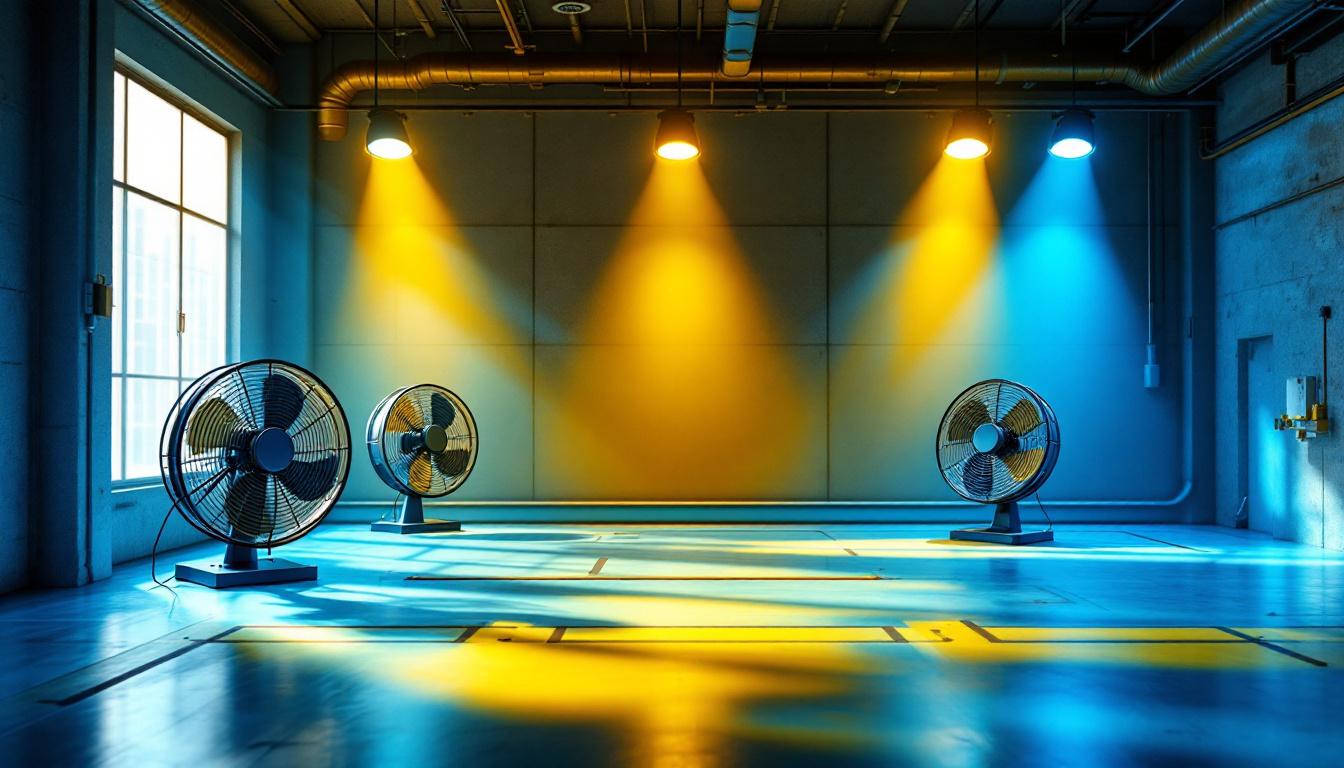
Lighting contractors often focus on the aesthetics, efficiency, and functionality of lighting systems. However, one critical yet sometimes overlooked aspect is the integration of proper ventilation, particularly through small industrial fans. These fans play a pivotal role in maintaining optimal operating conditions for lighting fixtures, especially in commercial and industrial environments where heat buildup can compromise both performance and safety.
Heat generated by lighting fixtures, especially high-intensity discharge (HID) lamps, LEDs with high wattage, or enclosed lighting systems, can lead to premature failure or reduced efficiency. Small industrial fans help dissipate this heat, ensuring that the lighting system performs reliably over its intended lifespan. For lighting contractors, understanding how to incorporate these fans into designs can dramatically improve outcomes.
Moreover, the strategic placement of ventilation systems can enhance air circulation, which is essential not only for lighting longevity but also for the comfort of occupants in the space. In environments such as warehouses or manufacturing facilities, where large lighting installations are common, the combination of effective lighting and proper ventilation can create a safer and more productive workspace. By reducing the ambient temperature, these fans can also help in maintaining the integrity of other electrical systems in the vicinity, preventing overheating and potential hazards.
Additionally, the integration of small industrial fans can contribute to energy efficiency. By enhancing the cooling of lighting fixtures, contractors can select higher-output lights without the associated risks of overheating. This allows for brighter, more effective lighting solutions that can improve visibility and safety in work areas. Furthermore, with the growing emphasis on sustainable practices, utilizing ventilation systems can also reduce the overall energy consumption of a facility, as less energy is required to cool the space when heat is actively managed. Thus, the role of ventilation in lighting installations extends beyond mere heat management; it is a crucial component in the design of modern, efficient, and safe lighting systems.
Why Heat Management is Crucial in Lighting Design
Impact on Lighting Performance and Longevity
Heat is one of the primary enemies of electronic components. Excessive temperatures can cause LEDs to degrade faster, reduce luminous efficacy, and even alter color temperature, impacting the quality of light. Studies have shown that LED lifespan can be reduced by up to 50% with every 10°C increase in junction temperature. This makes heat management not just a matter of safety but a critical factor in maintaining lighting quality. Furthermore, the efficiency of light output can diminish significantly when thermal conditions are not optimized, leading to increased energy consumption and higher operational costs over time.
Small industrial fans facilitate effective heat dissipation by promoting air circulation around fixtures. This active cooling method is often more efficient than passive heat sinks alone, especially in confined or poorly ventilated spaces. By integrating these fans into the lighting design, engineers can create a more controlled thermal environment that not only enhances the performance of the lighting system but also contributes to a more sustainable energy footprint. In addition, the use of advanced materials in fan construction, such as lightweight composites, can further improve the overall efficiency and longevity of the lighting fixtures.
Safety Considerations
Overheated lighting fixtures pose fire risks, especially when installed in tight spaces or near combustible materials. Small industrial fans reduce this risk by maintaining a stable temperature environment. Moreover, many industrial fans come with built-in safety features such as thermal cutoffs and explosion-proof designs, making them ideal for hazardous or sensitive installations. These safety mechanisms are essential in environments like manufacturing plants or laboratories, where the consequences of overheating can be catastrophic.
In addition to fire hazards, excessive heat can also lead to electrical failures or malfunctions, which can compromise the integrity of the entire lighting system. Regular maintenance of both the lighting fixtures and the cooling systems is essential to ensure optimal performance and safety. Implementing a routine inspection schedule can help identify potential issues before they escalate, ensuring that both the lighting and cooling systems operate efficiently. This proactive approach not only enhances safety but also extends the overall lifespan of the lighting installations, providing long-term value to facility managers and operators.
Types of Small Industrial Fans Suitable for Lighting Applications
Axial Fans
Axial fans are commonly used due to their ability to move large volumes of air efficiently. They are ideal for applications where airflow needs to be directed along the axis of the fan, such as cooling large lighting arrays or fixtures mounted in enclosed housings. Their compact size and relatively low noise levels make them suitable for both indoor and outdoor lighting systems. Additionally, axial fans can be easily integrated into existing lighting setups without requiring significant modifications, making them a popular choice for retrofitting older systems. Their versatility also extends to various mounting options, allowing for installation in tight spaces or unconventional angles, which can be particularly beneficial in creative lighting designs.
Blower Fans
Blower fans, including centrifugal types, are designed to generate higher pressure airflow, making them suitable for ducted or channelized ventilation systems. For lighting installations within architectural features or recessed spaces, blower fans can push or pull air through narrow passages, ensuring consistent cooling where axial fans might be less effective. These fans are particularly advantageous in environments where aesthetics are crucial, as they can be concealed within structures while still providing effective airflow. Furthermore, blower fans are often equipped with adjustable speed controls, allowing for tailored performance based on the specific thermal load of the lighting fixtures, which can enhance both energy efficiency and longevity of the lighting systems.
Mixed Flow Fans
Combining features of axial and centrifugal fans, mixed flow fans provide a balance of airflow volume and pressure. They are increasingly popular in lighting designs requiring moderate airflow with minimal noise, such as in office buildings or retail environments where lighting quality and ambiance are paramount. The hybrid design of mixed flow fans allows them to operate efficiently in various configurations, making them suitable for both direct and indirect lighting applications. Moreover, their ability to maintain consistent airflow at lower speeds can contribute to energy savings, which is an essential consideration in modern sustainable design practices. As lighting technology continues to evolve, the integration of mixed flow fans into smart lighting systems is becoming more common, allowing for automated adjustments based on real-time environmental conditions. This adaptability not only enhances comfort but also optimizes energy usage, aligning with the growing demand for eco-friendly solutions in industrial and commercial settings.
Integrating Small Industrial Fans into Lighting Designs
Design Considerations for Contractors
Successful integration begins with a thorough assessment of the lighting environment. Contractors should evaluate factors such as fixture type, enclosure size, ambient temperature, and airflow pathways. Selecting a fan with the appropriate airflow rate (measured in cubic feet per minute or CFM) and noise level is essential to balance cooling needs without compromising occupant comfort.
Additionally, the placement of fans must ensure unobstructed airflow. Positioning fans near heat-generating components or within fixture housings can optimize heat removal. Wiring and power supply considerations are also critical; fans should be compatible with the lighting system’s electrical specifications and ideally integrated into the control system for synchronized operation.
Case Study: Industrial Warehouse Lighting
In large warehouses, high-bay LED fixtures often generate significant heat, especially when operated continuously. By installing small axial fans within fixture housings or mounting them strategically around the lighting arrays, contractors have observed a marked improvement in fixture lifespan and energy efficiency. The fans help maintain a stable temperature environment, reducing maintenance costs and downtime.
Benefits Beyond Heat Management
Improved Air Quality and Dust Control
Small industrial fans not only manage heat but also contribute to better air circulation, which can reduce dust accumulation on lighting fixtures. Dust buildup can diminish light output and increase maintenance frequency. By promoting airflow, fans help keep fixtures cleaner, preserving light quality and reducing labor costs associated with cleaning.
Energy Efficiency Gains
While fans consume additional power, their contribution to maintaining optimal operating temperatures can indirectly enhance energy efficiency. Cooler LEDs operate more efficiently, requiring less power to produce the same light output. Moreover, by preventing overheating, fans reduce the risk of early fixture failure, protecting the investment in lighting infrastructure.
Choosing the Right Fan: Key Specifications for Lighting Contractors
Airflow Capacity and Static Pressure
Contractors should select fans based on the required airflow capacity to effectively cool the lighting fixtures. It is important to consider static pressure, especially in enclosed or ducted systems, to ensure the fan can overcome resistance and maintain adequate airflow.
Noise Levels
Noise can be a significant factor, particularly in commercial or office environments. Fans with low decibel ratings are preferable to avoid disrupting occupants or detracting from the lighting ambiance. Manufacturers often provide noise data, allowing contractors to make informed choices.
Durability and Maintenance
Given that lighting installations can be difficult to access, fans should be robust and require minimal maintenance. Features such as sealed bearings, corrosion-resistant materials, and dust filters extend fan life and reduce service intervals.
Future Trends: Smart Ventilation in Lighting Systems
As lighting technology advances, integration with smart building systems is becoming more prevalent. Small industrial fans are increasingly equipped with sensors and controllers that allow for dynamic operation based on temperature, occupancy, or time schedules. This smart ventilation approach optimizes energy use and enhances system longevity.
Lighting contractors who embrace these innovations can offer clients advanced solutions that improve comfort, safety, and cost-effectiveness. The synergy between lighting and ventilation technologies represents a promising frontier in building design.
Conclusion: Elevating Lighting Designs with Small Industrial Fans
Small industrial fans are a vital yet often underappreciated component in lighting design. Their ability to manage heat, improve air quality, and enhance energy efficiency makes them indispensable for modern lighting installations. For lighting contractors, integrating these fans thoughtfully can lead to superior performance, increased safety, and greater client satisfaction.
By understanding the types of fans available, key specifications, and best practices for integration, contractors can unlock the full potential of their lighting projects. As the industry moves toward smarter, more sustainable solutions, small industrial fans will continue to play a critical role in shaping the future of lighting design.
Get Superior Lighting Products at LumenWholesale
Ready to elevate your lighting designs with the efficiency and reliability of small industrial fans? Look no further than LumenWholesale, where we provide contractors with top-quality, spec-grade lighting products at unbeatable wholesale prices. Our extensive selection is designed to meet the highest industry standards, ensuring you get the most reliable and high-performance lighting solutions for your projects. Plus, with free shipping on bulk orders, you can enjoy premium lighting at the best value — without hidden fees or compromises. Don’t let inflated markups dim your project’s potential. Experience the perfect blend of quality, affordability, and convenience at LumenWholesale — your partner in superior lighting solutions.