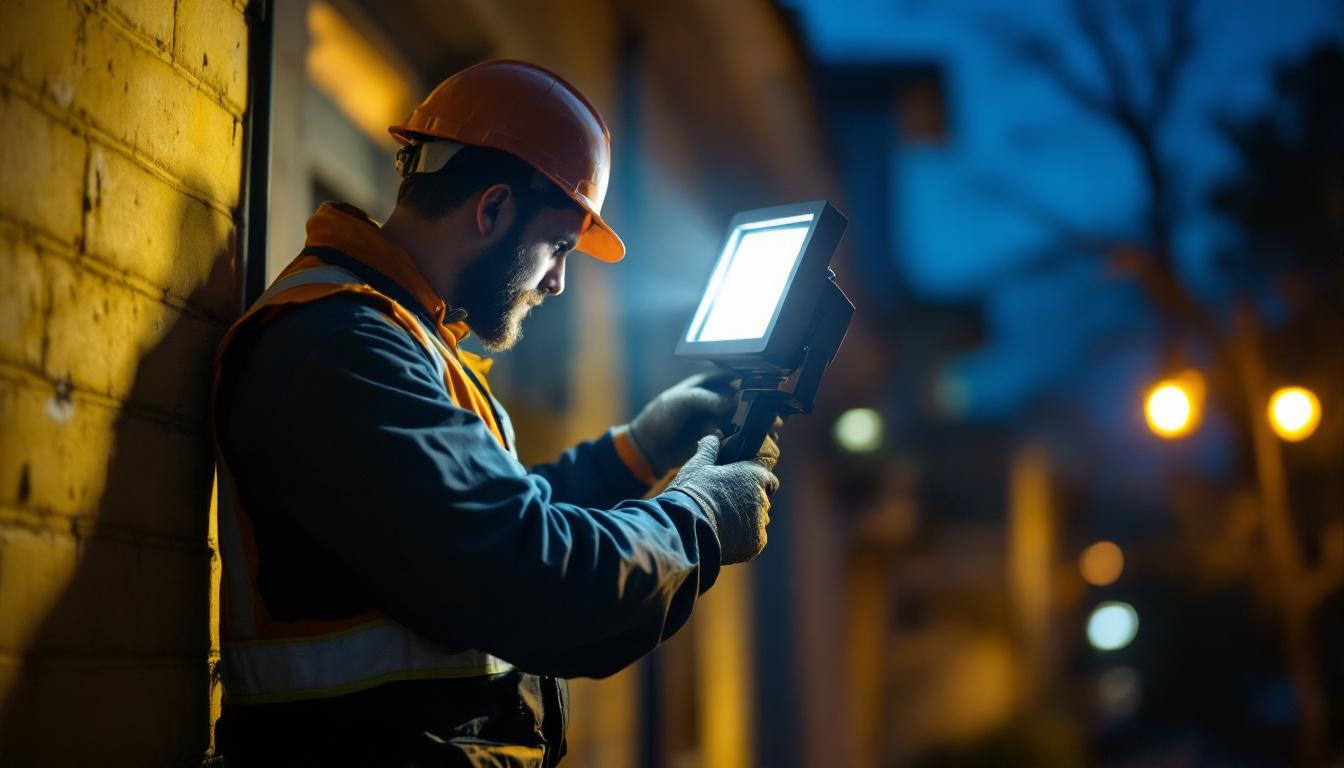
In the realm of commercial lighting, floodlights serve as a crucial element for illuminating vast spaces, enhancing security, and creating an inviting atmosphere. For lighting contractors, mastering the intricacies of commercial floodlights is essential to delivering high-quality installations that meet client expectations. This article delves into key tips and best practices that lighting contractors should consider when working with commercial floodlights.
Understanding the Basics of Commercial Floodlights
Before diving into advanced techniques and installation tips, it’s important to grasp the fundamental aspects of commercial floodlights. These fixtures are designed to emit a wide beam of light, making them ideal for illuminating large areas such as parking lots, sports fields, and building exteriors. Their versatility allows them to be used in various settings, from industrial sites to outdoor events, ensuring safety and visibility in darker conditions.
Types of Floodlights
Floodlights come in various types, each suited for specific applications. The most common types include LED, halogen, and metal halide floodlights. LED floodlights are increasingly popular due to their energy efficiency, longevity, and reduced heat output. They can last up to 50,000 hours, significantly reducing maintenance costs and the frequency of replacements. Halogen lights, while offering excellent color rendering, consume more energy and have a shorter lifespan, typically around 2,000 hours. Metal halide floodlights provide bright illumination but can take time to warm up, making them less ideal for situations requiring immediate light. Additionally, there are solar-powered floodlights available, which harness solar energy, making them an eco-friendly option for remote areas or locations without access to electricity.
Key Features to Consider
When selecting floodlights for commercial projects, several features should be taken into account. Lumens output is a critical factor, as it indicates the brightness of the light. For example, a floodlight with a higher lumen output is essential for large outdoor spaces, ensuring adequate visibility for safety and security. Additionally, the color temperature, measured in Kelvin, affects the ambiance created by the lighting. A cooler temperature (5000K) mimics daylight, while warmer temperatures (3000K) create a softer, more inviting atmosphere. Other important features include the floodlight’s beam angle, which determines how wide or narrow the light spreads, and its IP rating, which indicates its resistance to dust and moisture, crucial for outdoor installations. Furthermore, considering the mounting options and adjustability can enhance the effectiveness of the floodlight, allowing for optimal positioning to eliminate shadows and ensure comprehensive coverage.
Installation Best Practices
Proper installation is vital for ensuring the effectiveness and longevity of floodlights. Lighting contractors must adhere to specific guidelines to achieve optimal results.
Site Assessment
Conducting a thorough site assessment is the first step in any installation project. This involves evaluating the area to determine the appropriate number and placement of floodlights. Factors such as existing structures, landscape features, and the intended use of the space should all be considered. For instance, a parking lot may require more fixtures for even illumination, while a sports field may need strategically placed lights to minimize shadows. Additionally, it is important to assess the surrounding environment for potential light pollution issues, ensuring that the floodlights do not disrupt nearby residential areas or wildlife habitats. By taking these considerations into account, contractors can create a lighting plan that not only meets functional requirements but also respects the local ecosystem.
Mounting Techniques
Choosing the right mounting technique is essential for maximizing the effectiveness of floodlights. Options include pole mounting, wall mounting, and ground mounting. Each method has its advantages and is suited for different applications. For example, pole-mounted floodlights are ideal for large outdoor areas, while wall-mounted fixtures work well for building exteriors. Furthermore, the height of the mounting can significantly influence the light distribution; higher mounts may provide broader coverage but can also create dark spots if not positioned correctly. It is also worth considering adjustable mounts that allow for angling the lights to achieve the desired beam spread, enhancing the overall lighting quality and efficiency.
Wiring and Electrical Considerations
Electrical considerations are paramount during installation. Ensuring that the wiring is properly rated for the floodlight’s wattage is crucial to prevent overheating and potential fire hazards. Additionally, using weatherproof connectors and junction boxes can enhance durability, especially in outdoor applications where exposure to the elements is a concern. It is also advisable to incorporate surge protection devices to safeguard the lighting system from voltage spikes, which can be caused by lightning strikes or power surges. Proper grounding of the electrical system is another critical factor that should not be overlooked, as it helps to prevent electrical shock and ensures the safety of the installation. By adhering to these electrical best practices, contractors can ensure a reliable and safe lighting solution that will stand the test of time.
Optimizing Floodlight Performance
Once installed, optimizing the performance of floodlights is key to achieving the desired lighting effect and energy efficiency.
Adjusting Beam Angles
Many floodlights come with adjustable beam angles that allow contractors to direct light where it is needed most. Adjusting the beam angle can help eliminate dark spots and ensure uniform illumination across the area. It’s essential to test the lighting after installation to confirm that adjustments are made according to the specific requirements of the space.
Utilizing Smart Technology
Incorporating smart technology into floodlight systems can significantly enhance their functionality. Smart floodlights can be controlled remotely, allowing for adjustments based on occupancy or time of day. This not only improves convenience but also contributes to energy savings. Lighting contractors should consider recommending smart solutions to clients looking for modern, efficient lighting systems.
Maintenance and Troubleshooting
Regular maintenance is crucial for ensuring the longevity and performance of commercial floodlights. Lighting contractors should educate clients on proper care and troubleshooting techniques.
Routine Inspections
Conducting routine inspections can help identify potential issues before they escalate. This includes checking for signs of wear and tear, ensuring that fixtures are clean, and verifying that all connections are secure. Regular maintenance not only prolongs the life of the floodlights but also ensures consistent performance.
Troubleshooting Common Issues
Lighting contractors should be prepared to troubleshoot common issues that may arise with floodlights. Flickering lights may indicate a problem with the wiring or a failing bulb. In contrast, lights that do not turn on could be a result of a blown fuse or a tripped circuit breaker. Having a systematic approach to diagnosing these issues can save time and improve client satisfaction.
Energy Efficiency and Sustainability
As energy costs continue to rise, the importance of energy-efficient lighting solutions cannot be overstated. Lighting contractors play a vital role in promoting sustainable practices in commercial lighting.
Choosing Energy-Efficient Options
When selecting floodlights, opting for energy-efficient models can significantly reduce operational costs. LED floodlights are the most energy-efficient option, consuming up to 80% less energy than traditional halogen fixtures. Educating clients on the long-term savings associated with energy-efficient lighting can help them make informed decisions.
Implementing Lighting Controls
Incorporating lighting controls, such as timers and motion sensors, can further enhance energy efficiency. These controls ensure that floodlights are only active when needed, reducing unnecessary energy consumption. Contractors should consider integrating these technologies into their installations to promote sustainable lighting practices.
Compliance and Regulations
Understanding local regulations and compliance standards is essential for lighting contractors working with commercial floodlights. Adhering to these guidelines ensures safety and helps avoid legal complications.
Familiarity with Codes
Lighting contractors must familiarize themselves with local building codes and regulations related to outdoor lighting. This includes understanding restrictions on light pollution, as well as requirements for energy efficiency. Compliance with these codes not only ensures safety but also enhances the reputation of the contractor.
Permitting Requirements
In many jurisdictions, obtaining the necessary permits is a crucial step before installation. Contractors should be aware of the permitting process and assist clients in navigating it. This can involve submitting plans for review and ensuring that all installations meet the required standards.
Client Communication and Education
Effective communication with clients is vital in the lighting contracting business. Educating clients about floodlight options, installation processes, and maintenance requirements fosters trust and satisfaction.
Explaining Options Clearly
When discussing floodlight options with clients, clarity is key. Providing detailed explanations of different types of floodlights, their benefits, and potential drawbacks will help clients make informed decisions. Visual aids, such as product samples or case studies, can also enhance understanding.
Setting Realistic Expectations
Setting realistic expectations is essential for maintaining client satisfaction. Contractors should communicate timelines, potential challenges, and the expected outcomes of the installation. By being transparent about the process, contractors can build a strong rapport with clients and ensure a smoother project experience.
Conclusion
Mastering the art of commercial floodlighting requires a blend of technical knowledge, practical skills, and effective communication. By understanding the basics, adhering to best practices in installation, optimizing performance, and promoting energy efficiency, lighting contractors can elevate their services and meet the diverse needs of their clients. As the demand for efficient and sustainable lighting solutions continues to grow, staying informed about the latest trends and technologies will be crucial for success in the industry.
Ultimately, the goal of any lighting contractor should be to provide high-quality, reliable, and aesthetically pleasing lighting solutions that enhance safety and improve the overall experience of the spaces they illuminate. With the right approach and a commitment to excellence, lighting contractors can thrive in the competitive landscape of commercial floodlighting.
Illuminate Your Projects with LumenWholesale
Ready to take your lighting projects to the next level? At LumenWholesale, we provide lighting contractors like you with the highest quality, spec-grade commercial floodlights at unbeatable wholesale prices. Say goodbye to local distributor markups and hello to superior lighting products that meet the most rigorous industry standards. With our hassle-free bulk buying and free shipping, you can trust that you’re getting premium lighting at the best value — all without hidden fees or compromises. Elevate your lighting installations today and experience the best in wholesale lighting with LumenWholesale.