Understanding the 100W Incandescent Bulb: Brightness and Energy Use
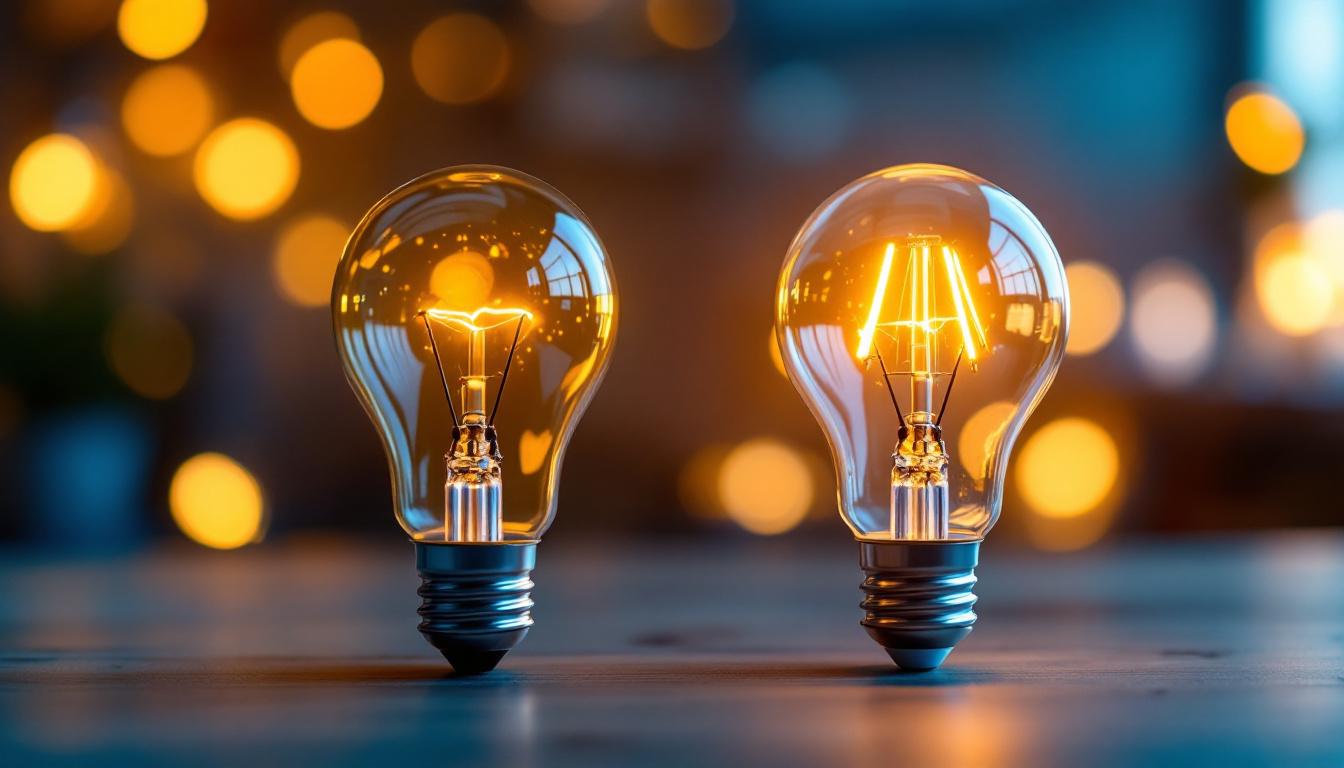
When a 100-watt incandescent bulb is mentioned, the immediate association is often with a bright, warm light source that has been a staple in homes and businesses for decades. Such bulbs typically emit around 1600 lumens, delivering a strong, inviting glow. However, the wattage—100 watts—indicates a significant energy draw compared to many modern alternatives.
For lighting contractors, grasping the relationship between wattage and lumens is essential. Lumens measure the actual light output, while watts indicate energy consumption. A 100W incandescent bulb producing 1600 lumens means it uses a lot of energy to create that brightness. This inefficiency is a key factor in why these bulbs are being phased out in many regions and replaced with more energy-efficient options.
In addition to their energy consumption, 100W incandescent bulbs have a relatively short lifespan, typically lasting around 1,000 hours. This is considerably less than compact fluorescent lamps (CFLs) or light-emitting diodes (LEDs), which can last anywhere from 10,000 to 25,000 hours. The frequent need for replacement not only contributes to higher costs over time but also increases waste, raising environmental concerns. As consumers become more eco-conscious, the demand for longer-lasting, energy-efficient lighting solutions continues to grow, prompting manufacturers to innovate and improve their product offerings.
Moreover, the warm light produced by incandescent bulbs is often favored for its aesthetic qualities, creating a cozy ambiance that many find appealing. This characteristic has led to a niche market for “vintage” incandescent bulbs, which mimic the look of traditional bulbs while incorporating some modern efficiencies. These bulbs, often marketed as “Edison bulbs,” are designed to provide the same warm glow while appealing to consumers’ nostalgia and desire for stylish lighting options. As the lighting industry evolves, it will be interesting to see how these aesthetic preferences shape the future of lighting technology.
Energy Efficiency Challenges of 100W Incandescent Bulbs
High Energy Consumption
Incandescent bulbs convert only about 10% of the electrical energy into visible light; the rest is lost as heat. For a 100W bulb, this means 90 watts are wasted as heat, making it an inefficient lighting choice. This inefficiency not only drives up electricity costs but also contributes to unnecessary heat buildup, which can affect cooling loads in buildings. In environments such as offices or retail spaces, where lighting is essential for visibility and ambiance, the additional heat generated can lead to increased air conditioning demands, further exacerbating energy consumption and costs.
For contractors, this inefficiency translates into higher operational costs for clients and potential issues in environments where heat generation is a concern. It also means that while the bulb provides adequate brightness, the energy cost per lumen is significantly higher than alternatives. As energy prices continue to rise, the financial implications of using incandescent bulbs become even more pronounced, prompting many businesses to explore energy-efficient lighting solutions such as LED or CFL options that offer longer lifespans and lower energy consumption. Additionally, the environmental impact of increased energy use cannot be overlooked, as higher energy demands contribute to greater carbon emissions from power plants.
Short Lifespan and Maintenance Implications
Another drawback of 100W incandescent bulbs is their relatively short lifespan, generally around 1,000 hours. This means frequent replacements, which can increase maintenance time and costs, especially in commercial or industrial settings where lighting needs are continuous and extensive. The need for regular bulb changes can lead to operational disruptions, particularly in settings like warehouses or manufacturing facilities, where consistent lighting is crucial for safety and productivity. Moreover, the disposal of burned-out bulbs poses additional challenges, as they often end up in landfills, contributing to waste management issues.
Frequent bulb changes can disrupt operations and add to labor expenses. Lighting contractors must weigh these factors when recommending solutions, particularly for clients seeking long-term cost savings and reliability. The cumulative costs of purchasing new bulbs and the labor associated with their installation can quickly outweigh the initial savings of using cheaper incandescent options. In contrast, investing in LED lighting, which can last up to 25,000 hours or more, not only reduces maintenance frequency but also enhances overall energy efficiency, making it a more sustainable choice for businesses looking to improve their bottom line while minimizing their environmental footprint.
Comparing 100W Incandescent to Modern Lighting Solutions
LEDs: Superior Efficiency and Longevity
Light Emitting Diodes (LEDs) have transformed the lighting industry by offering dramatically improved energy efficiency and lifespan. An LED bulb producing the same 1600 lumens as a 100W incandescent typically consumes around 14 to 20 watts, representing an 80% reduction in energy use.
Additionally, LEDs can last 25,000 to 50,000 hours, drastically reducing replacement frequency and maintenance costs. For contractors, recommending LEDs means delivering value through energy savings and lower long-term expenses, which clients increasingly demand. The versatility of LEDs is also noteworthy; they come in various color temperatures, allowing consumers to choose warm, soft light for cozy spaces or cooler, daylight-like brightness for work areas. This adaptability makes LEDs suitable for a wide range of applications, from residential to commercial settings, enhancing both functionality and aesthetic appeal.
Compact Fluorescent Lamps (CFLs): A Middle Ground
CFLs also offer better efficiency than incandescent bulbs, using roughly 23 to 30 watts to produce 1600 lumens. Their lifespan ranges from 8,000 to 15,000 hours, which is better but still falls short of LEDs. CFLs contain small amounts of mercury, which requires careful disposal, adding complexity to maintenance and environmental considerations. Despite their advantages, the warm-up time for CFLs can be a drawback; they often take a moment to reach full brightness, which can be inconvenient in spaces where immediate illumination is desired.
While CFLs were once the primary alternative to incandescent bulbs, their limitations have led many contractors and clients to prefer LEDs for new installations and retrofits. Furthermore, the growing awareness of environmental issues has prompted many consumers to seek out lighting solutions that not only save money but also reduce their carbon footprint. As a result, the shift towards LEDs is not just a trend but a reflection of a broader commitment to sustainability and energy conservation in modern lighting practices.
Environmental and Economic Impact of Using 100W Incandescent Bulbs
Carbon Footprint and Energy Waste
Using 100W incandescent bulbs contributes significantly to carbon emissions because of their high energy consumption. The electricity used to power these bulbs often comes from fossil fuel sources, so inefficient lighting directly correlates with higher greenhouse gas emissions.
For contractors advising environmentally conscious clients, highlighting the carbon savings from switching to LEDs or other efficient lighting options can be a persuasive argument. Reducing energy waste aligns with sustainability goals and regulatory pressures increasingly shaping lighting choices.
Cost Implications Over Time
While the upfront cost of a 100W incandescent bulb is low, the ongoing electricity and replacement costs add up quickly. Over the lifespan of an LED bulb, the total cost of ownership for an incandescent setup can be several times higher. This is a critical point for contractors to communicate clearly, as clients often focus on initial expenses rather than long-term savings.
Calculating total cost of ownership-including energy consumption, bulb replacement, and labor-helps clients make informed decisions that benefit both their budgets and operational efficiency.
Practical Considerations for Lighting Contractors
Assessing Client Needs and Environments
Not every lighting scenario demands the brightness or warmth of a 100W incandescent bulb. Contractors should evaluate the specific needs of each project, considering factors like ambient light, fixture compatibility, and desired ambiance. In some cases, lower wattage or different color temperatures may better serve the space.
Understanding these nuances allows contractors to recommend lighting solutions that optimize both performance and energy efficiency, enhancing client satisfaction and reducing unnecessary energy use.
Retrofitting and Upgrading Existing Installations
Many buildings still rely on incandescent lighting, particularly older structures. Contractors play a vital role in retrofitting these spaces with energy-efficient alternatives. This process involves assessing existing fixtures, determining compatible replacements, and educating clients on the benefits of upgrading.
Retrofitting can be straightforward with LED bulbs designed to fit standard sockets, but attention must be paid to dimming compatibility and light quality to ensure a seamless transition that meets client expectations.
Regulatory Compliance and Incentives
Regulations in various jurisdictions have phased out or restricted the sale of high-wattage incandescent bulbs due to their inefficiency. Contractors must stay informed about local codes and standards to ensure compliance and avoid recommending obsolete products.
Additionally, many utility companies offer rebates or incentives for upgrading to energy-efficient lighting. Contractors can leverage these programs to reduce upfront costs for clients, making the switch from 100W incandescent bulbs more attractive and financially viable.
Conclusion: Moving Beyond 100W Incandescent for a Sustainable Future
The 100W incandescent bulb, while historically significant, represents a lighting technology that is no longer practical in the context of energy efficiency and sustainability. Its high energy consumption, short lifespan, and heat generation make it a costly choice over time.
For lighting contractors, understanding these limitations is crucial when advising clients. The shift toward LEDs and other efficient lighting technologies offers clear benefits: reduced energy use, lower maintenance, and improved environmental impact. Embracing these changes not only helps clients save money but also supports broader efforts to reduce carbon emissions and promote sustainable building practices.
Ultimately, moving beyond the 100W incandescent bulb is a necessary step in modern lighting design-one that lighting professionals are uniquely positioned to lead.
Illuminate Your Projects with LumenWholesale
Ready to lead the charge towards a brighter, more sustainable future in lighting? At LumenWholesale, we provide lighting contractors like you with the highest quality, spec-grade lighting products at prices that can’t be beaten. Say goodbye to the middleman and hello to our extensive selection of energy-efficient lighting solutions that meet the strictest industry standards. With free shipping on bulk orders, you can stock up on premium lighting without worrying about hidden fees. Make the smart switch to LED and energy-saving alternatives today and enjoy the perfect combination of quality, affordability, and convenience. Take the first step towards enhanced energy efficiency and visit LumenWholesale for Wholesale Lighting at the Best Value.