Introduction to Ultraviolet Cleaning Lights
Ultraviolet (UV) cleaning lights have rapidly evolved from niche applications to mainstream solutions in commercial, healthcare, and residential settings. For lighting contractors, understanding the latest trends in UV technology is essential to meet growing client demands for effective, chemical-free sanitation methods. These lights harness the power of UV-C wavelengths to deactivate bacteria, viruses, and other pathogens, offering a powerful tool in infection control and surface disinfection.
As the awareness of hygiene and sanitation continues to rise globally, UV cleaning lights are becoming integral to lighting designs. This article explores the current trends, technological advancements, and practical considerations lighting contractors should be aware of when incorporating UV cleaning solutions into their projects.
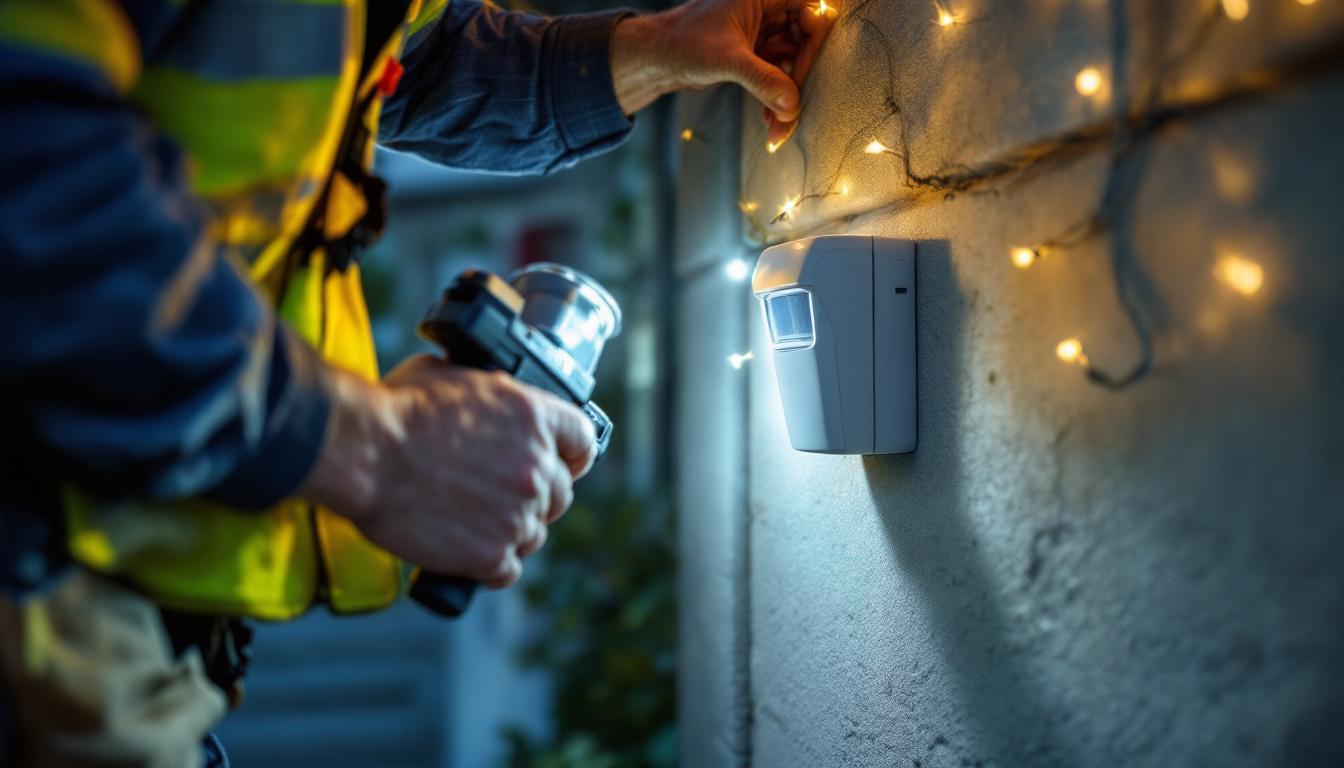
One of the most significant advancements in UV cleaning technology is the development of smart UV systems that can be integrated with existing building management systems. These systems allow for remote monitoring and control, enabling users to schedule cleaning cycles and receive real-time feedback on the effectiveness of the disinfection process. This level of automation not only enhances efficiency but also provides peace of mind to clients who are increasingly concerned about the cleanliness of their environments. Moreover, the integration of UV lights with motion sensors ensures that disinfection occurs only when spaces are unoccupied, maximizing safety and energy efficiency.
In addition to technological advancements, the design and aesthetics of UV cleaning lights have also seen considerable improvement. Modern UV fixtures are being designed to blend seamlessly into various environments, from sleek commercial spaces to cozy residential settings. This evolution in design means that lighting contractors can offer clients effective sanitation solutions without compromising on style. Furthermore, education and training on the safe use of UV technology are becoming essential, as contractors must be equipped to inform clients about the correct applications and safety measures associated with UV light, ensuring that these powerful tools are used effectively and responsibly.
Understanding UV-C Technology and Its Applications
The Science Behind UV-C Disinfection
Ultraviolet light is divided into several categories based on wavelength: UV-A, UV-B, and UV-C. UV-C light, typically ranging from 200 to 280 nanometers, is the most effective for disinfection purposes. It works by penetrating the cell walls of microorganisms and damaging their DNA or RNA, rendering them unable to reproduce and effectively inactivating them.
This germicidal property makes UV-C light highly effective against a broad spectrum of pathogens, including bacteria, viruses, molds, and spores. Unlike chemical disinfectants, UV-C does not leave residues or require ventilation, making it an attractive option for many environments. Furthermore, UV-C technology is not only effective in killing pathogens but also plays a crucial role in preventing the spread of infectious diseases, particularly in high-risk areas where hygiene is paramount.
Recent studies have highlighted the potential of UV-C light in combating airborne viruses, such as those responsible for respiratory illnesses. By incorporating UV-C systems into HVAC units, facilities can continuously disinfect the air, significantly reducing the likelihood of airborne transmission. This innovative approach has gained traction in various sectors, including education and public transportation, where maintaining a healthy environment is essential for the well-being of occupants.
Common Applications in Lighting Projects
Lighting contractors are increasingly integrating UV-C technology into various settings:
- Healthcare Facilities: Hospitals and clinics use UV-C lights for room disinfection, operating theaters, and equipment sterilization.
- Commercial Buildings: Office spaces, retail stores, and public transportation systems employ UV-C to reduce microbial load on high-touch surfaces.
- Residential Settings: Homeowners are adopting UV-C devices for air purification and surface cleaning, especially in kitchens and bathrooms.
- Food Processing and Hospitality: UV-C lights help maintain hygiene standards by disinfecting surfaces and air in food preparation areas.
Understanding these applications enables lighting contractors to tailor solutions that align with client needs and regulatory requirements. Moreover, as awareness of health and safety continues to grow, the demand for UV-C technology is expected to rise across various industries. This shift presents an opportunity for contractors to educate clients on the benefits of UV-C integration, including enhanced safety protocols and compliance with health regulations.
In addition to the applications mentioned, UV-C technology is also making strides in the agricultural sector, where it is used to sanitize water and surfaces in greenhouses. By reducing the microbial load in these environments, farmers can improve crop yields and ensure the safety of food products. The versatility of UV-C technology continues to expand, paving the way for innovative solutions across multiple fields and enhancing public health initiatives globally.
Emerging Trends in Ultraviolet Cleaning Lights
Far-UVC: A Safer Alternative for Occupied Spaces
One of the most exciting advancements in UV technology is the development of far-UVC light, which operates at wavelengths around 222 nanometers. Unlike traditional UV-C, far-UVC cannot penetrate the outer dead layer of human skin or the tear layer of the eyes, making it safe for use in occupied spaces.
This breakthrough allows continuous disinfection in environments such as schools, airports, and offices without health risks to occupants. Lighting contractors should monitor far-UVC products as they become more commercially available, as they represent a significant shift in how UV disinfection can be deployed. Moreover, ongoing research into far-UVC technology is revealing its potential applications beyond just surface disinfection; studies are suggesting that it may also be effective in reducing airborne pathogens, which could revolutionize air quality management in densely populated areas.
Integration with Smart Building Systems
Modern UV cleaning lights are increasingly integrated with smart building management systems. This integration allows for automated scheduling, remote monitoring, and real-time feedback on disinfection cycles. For contractors, this means offering clients advanced solutions that optimize energy use and ensure compliance with sanitation protocols.
Smart UV systems can be programmed to operate during off-hours or in response to occupancy sensors, enhancing safety and efficiency. The ability to collect data on usage and effectiveness also supports facility managers in maintaining high hygiene standards. Furthermore, as the Internet of Things (IoT) continues to expand, the potential for UV systems to communicate with other smart devices—such as HVAC systems—could lead to even more sophisticated sanitation strategies, ensuring that air and surfaces are consistently kept free of harmful microorganisms.
LED-Based UV-C Lighting
The shift from traditional mercury vapor lamps to LED-based UV-C lights is another key trend. UV-C LEDs offer numerous advantages, including instant on/off capability, longer lifespan, lower energy consumption, and the absence of hazardous materials like mercury.
For lighting contractors, LED UV-C technology simplifies installation and maintenance while providing more flexible design options. Additionally, LEDs can be tuned to specific wavelengths, improving disinfection efficacy and safety. The versatility of LED technology also opens the door for innovative applications, such as portable UV-C devices for personal use or small-scale environments, which can be particularly beneficial in settings like gyms or public transportation. As the demand for effective and safe disinfection methods continues to rise, the evolution of LED UV-C technology is poised to play a pivotal role in shaping the future of public health and safety measures.
Practical Considerations for Lighting Contractors
Safety Protocols and Regulatory Compliance
UV-C light can pose health risks if improperly used, including skin burns and eye injuries. Contractors must prioritize safety by ensuring that UV cleaning lights are installed with appropriate shielding, interlocks, and warning systems.
Compliance with standards from organizations such as the Illuminating Engineering Society (IES), the Occupational Safety and Health Administration (OSHA), and local building codes is critical. Understanding these regulations helps contractors avoid liability and ensures client confidence in the installed systems.
Design and Installation Challenges
Incorporating UV cleaning lights into existing or new lighting designs requires careful planning. Contractors must consider factors such as:
- Placement: UV-C light effectiveness depends on direct exposure, so fixtures must be positioned to maximize coverage of target surfaces.
- Material Compatibility: Prolonged UV exposure can degrade certain materials, so selecting UV-resistant components is essential.
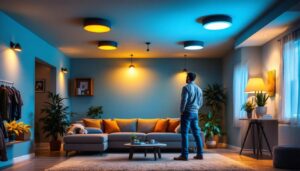
- Integration: Coordinating UV lighting with ambient and task lighting to maintain aesthetic and functional balance.
Addressing these challenges ensures that UV cleaning lights deliver optimal performance without compromising the overall lighting environment.
Maintenance and Lifecycle Management
UV cleaning lights require regular maintenance to sustain their effectiveness. For example, the output of UV-C lamps diminishes over time, necessitating periodic replacement or cleaning of fixtures. LED UV-C lights, while longer-lasting, still benefit from routine inspection.
Contractors should educate clients on maintenance schedules and offer service packages that include monitoring and upkeep. This proactive approach extends system lifespan and maintains high disinfection standards.
Market Outlook and Business Opportunities
Growing Demand Driven by Health Awareness
The global emphasis on health and hygiene has accelerated demand for UV cleaning solutions across multiple sectors. Lighting contractors positioned to offer expertise in UV technology can tap into this expanding market, differentiating themselves through specialized knowledge and service offerings.
Clients increasingly seek turnkey solutions that combine lighting design with advanced sanitation technologies, presenting opportunities for contractors to collaborate with architects, engineers, and facility managers.
Customization and Client Education
Providing customized UV lighting solutions tailored to specific environments enhances client satisfaction and project success. Contractors who invest time in understanding client needs and educating them about UV technology benefits and limitations build trust and foster long-term relationships.
Workshops, demonstrations, and detailed documentation are effective tools for client engagement. This approach not only supports sales but also promotes responsible use of UV cleaning lights.
Future Innovations to Watch
Looking ahead, innovations such as portable UV disinfection devices, hybrid lighting systems combining visible and UV light, and advances in far-UVC technology are poised to reshape the industry. Lighting contractors who stay informed about these developments will be well-positioned to offer cutting-edge solutions.
Continuous professional development and participation in industry forums can help contractors remain at the forefront of UV cleaning light trends.
Conclusion
Ultraviolet cleaning lights represent a transformative trend in lighting and sanitation, offering powerful solutions to meet modern hygiene challenges. For lighting contractors, mastering the nuances of UV-C technology, staying abreast of emerging trends, and prioritizing safety and compliance are key to capitalizing on this growing market.
By integrating UV cleaning lights thoughtfully and educating clients effectively, contractors can enhance their service portfolio, contribute to healthier environments, and drive business growth in an increasingly health-conscious world.
Get Your UV Cleaning Lights at LumenWholesale
Ready to elevate your lighting projects with the latest UV-C technology trends? Look no further than LumenWholesale for all your ultraviolet cleaning light needs. Our commitment to quality and affordability ensures that you can provide your clients with the best spec-grade lighting products without the burden of inflated costs. With our hassle-free bulk buying process and free shipping, you can trust that you’re getting the most value for your investment. Take advantage of our unbeatable wholesale prices and extensive selection to meet the highest industry standards for your next project. Wholesale Lighting at the Best Value is just a click away—experience the LumenWholesale difference today.