Understanding the Importance of Compliance in Salon Lighting
Salon lighting is more than just an aesthetic choice; it plays a critical role in the functionality, safety, and overall client experience within a salon environment. For lighting contractors, understanding the compliance requirements associated with salon lighting is essential to delivering installations that meet regulatory standards and client expectations.
Compliance ensures that lighting systems are safe, energy-efficient, and conducive to the tasks performed in salons. Failure to adhere to these standards can result in legal liabilities, increased operational costs, and compromised safety. Therefore, lighting contractors must be well-versed in the relevant codes, standards, and best practices specific to salon lighting.
Moreover, the right lighting can significantly enhance the aesthetic appeal of a salon, influencing how clients perceive the quality of services provided. For instance, proper color rendering is crucial in a salon setting, as it allows clients to see their hair color accurately, which is essential for color treatments and styling. Compliance with lighting regulations also includes considerations for glare reduction and uniform light distribution, which not only improve the visual comfort for both clients and staff but also help in reducing eye strain during long working hours.
In addition to aesthetic and safety considerations, energy efficiency is a key component of compliance in salon lighting. Utilizing LED fixtures and smart lighting controls can not only reduce energy consumption but also lower utility costs, making the salon more sustainable. Many regions offer incentives for salons that implement energy-efficient lighting solutions, which can further enhance the financial viability of compliance. Thus, lighting contractors should stay informed about the latest technologies and energy codes to provide clients with solutions that are both compliant and cost-effective, ultimately contributing to a more responsible and modern salon environment.
Key Regulatory Standards Affecting Salon Lighting
Electrical Safety Codes
One of the foremost considerations for lighting contractors is adherence to electrical safety codes. These codes, often governed by national and local authorities, dictate the installation practices, wiring methods, and equipment specifications to prevent electrical hazards such as shocks, fires, or malfunctions.
For salons, where water and electrical equipment coexist, compliance with these codes is paramount. Lighting fixtures must be installed with appropriate insulation, grounding, and protection against moisture ingress. Contractors should ensure that all lighting components are certified for commercial use and meet the minimum safety standards outlined by regulatory bodies. Additionally, regular inspections and maintenance of electrical systems are crucial to ensure ongoing compliance and safety. This proactive approach not only protects clients and staff but also helps in avoiding costly downtimes due to electrical failures.
Energy Efficiency and Environmental Regulations
Energy consumption is a significant operational cost for salons, making energy-efficient lighting solutions both economically and environmentally advantageous. Various regulations promote or mandate the use of energy-efficient lighting technologies, such as LED fixtures, which consume less power and have longer lifespans compared to traditional incandescent or fluorescent lights.
Lighting contractors should be familiar with local energy codes and incentive programs that encourage the adoption of sustainable lighting solutions. Compliance not only reduces the salon’s carbon footprint but also aligns with growing consumer demand for environmentally responsible businesses. Furthermore, salons that implement energy-efficient lighting can often benefit from reduced utility bills and potential rebates, making it a financially sound investment. As clients become increasingly eco-conscious, showcasing a commitment to sustainability can also enhance a salon’s brand image and attract a broader clientele.
Illumination Standards and Task Lighting Requirements
Salons require specific illumination levels to ensure precision in tasks such as hair coloring, cutting, and makeup application. The Illuminating Engineering Society (IES) provides guidelines on recommended lighting levels for various commercial spaces, including salons.
Contractors must design lighting systems that deliver uniform, glare-free illumination at appropriate brightness levels. This involves selecting the right combination of ambient, task, and accent lighting to create a comfortable and functional environment. Compliance with these standards enhances client satisfaction and supports the professional performance of salon staff. Moreover, the choice of color temperature in lighting can significantly affect the perception of hair color and skin tone, making it essential for contractors to consider how different lighting conditions can influence the final results of salon services. By integrating adjustable lighting solutions, salons can also adapt their environments for different services or times of day, further enhancing the overall client experience.
Practical Compliance Considerations for Lighting Contractors
Fixture Selection and Placement
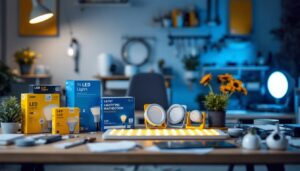
Choosing the right lighting fixtures is a critical step in ensuring compliance. Fixtures must be rated for commercial use and suitable for the specific conditions of a salon, such as resistance to humidity and ease of cleaning. For example, recessed LED downlights with a high Color Rendering Index (CRI) are preferred to accurately represent hair and skin tones. Additionally, fixtures should be energy-efficient to align with sustainability goals and reduce operational costs. This not only helps in compliance with energy regulations but also appeals to environmentally conscious clients.
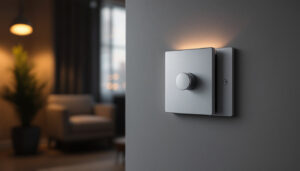
Placement also matters; lighting should minimize shadows and provide even coverage across workstations. Contractors should collaborate with salon designers and owners to understand workflow and spatial requirements, ensuring that lighting installations enhance both aesthetics and functionality. It is also beneficial to consider the use of dimmable fixtures, allowing for adjustable lighting levels that can create different moods throughout the day, from bright and vibrant during peak hours to softer, more relaxing tones during quieter times. This flexibility can significantly enhance the client experience while maintaining compliance with various lighting standards.
Emergency and Exit Lighting Compliance
Safety regulations often require the installation of emergency lighting and clearly marked exit signs in commercial spaces, including salons. These systems must be connected to backup power sources to operate during power outages, ensuring safe evacuation if necessary. The positioning of exit signs is equally important; they should be visible from all areas of the salon, guiding clients and staff effectively in case of an emergency.
Lighting contractors should verify that emergency lighting installations comply with local fire codes and building regulations. Regular testing and maintenance protocols should be recommended to salon owners to uphold compliance over time. Furthermore, it is advisable for contractors to provide salons with a comprehensive maintenance schedule and checklist that includes routine inspections of emergency lighting systems. This proactive approach not only ensures compliance but also fosters a culture of safety within the salon environment, reassuring both employees and clients.
Integration with Smart Lighting Controls
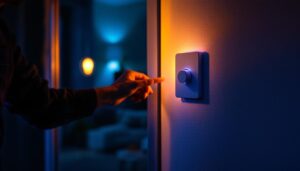
Modern salons increasingly adopt smart lighting controls to optimize energy use and customize lighting scenes. While these technologies offer benefits, they must be installed in compliance with electrical codes and interoperability standards. Smart systems can include features such as motion sensors and timers, which further enhance energy efficiency by ensuring lights are only on when needed.
Contractors should ensure that smart systems are compatible with existing infrastructure and do not compromise safety or performance. Proper documentation and training for salon staff on system operation are also essential components of compliance. In addition, providing a user-friendly interface for the smart lighting controls can empower salon staff to make adjustments easily, allowing them to create the perfect ambiance for various services. This not only enhances the overall client experience but also demonstrates the salon’s commitment to innovation and quality service, which can be a significant competitive advantage in the beauty industry.
Common Compliance Challenges and How to Overcome Them
Balancing Aesthetics with Regulatory Requirements
Salon owners often prioritize stylish lighting designs that create a unique atmosphere. However, some aesthetic choices may conflict with compliance mandates, such as insufficient illumination levels or the use of non-certified fixtures.
Lighting contractors must navigate these challenges by proposing solutions that satisfy both design aspirations and regulatory standards. This may involve recommending alternative fixtures, adjusting lighting layouts, or incorporating supplemental task lighting to meet illumination requirements.
Keeping Up with Evolving Codes and Technologies
Regulatory standards and lighting technologies are continually evolving. Contractors face the challenge of staying informed about the latest code updates, product innovations, and best practices to ensure ongoing compliance.
Engaging in continuous professional development, subscribing to industry publications, and participating in trade organizations can help contractors maintain up-to-date knowledge. This proactive approach enhances credibility and positions contractors as trusted advisors to salon clients.
Managing Client Expectations and Education
Sometimes, salon owners may underestimate the complexity of compliance or prioritize cost savings over regulatory adherence. Lighting contractors must effectively communicate the importance of compliance and the risks associated with non-compliance.
Providing clear explanations, cost-benefit analyses, and case studies can help clients understand the value of compliant lighting installations. Educating clients fosters collaboration and supports long-term satisfaction and safety.
Best Practices for Ensuring Compliance in Salon Lighting Projects
Conduct Thorough Site Assessments
Before designing or installing lighting systems, contractors should perform comprehensive site assessments. This includes evaluating existing electrical infrastructure, spatial layout, natural light availability, and specific salon activities.
Site assessments enable contractors to identify potential compliance issues early and tailor lighting solutions that meet regulatory and operational needs.
Document and Verify Compliance
Maintaining detailed documentation throughout the project lifecycle is crucial. This includes records of fixture specifications, installation procedures, inspections, and testing results.
Contractors should verify compliance through third-party inspections or certifications when required. Proper documentation protects contractors and clients and facilitates future maintenance or upgrades.
Collaborate with Other Professionals
Salon lighting projects often involve collaboration with architects, interior designers, electricians, and salon owners. Effective communication and coordination among stakeholders ensure that compliance requirements are integrated seamlessly into the overall project.
Contractors should establish clear roles, responsibilities, and timelines to avoid misunderstandings and ensure successful project outcomes.
Conclusion: The Contractor’s Role in Delivering Compliant Salon Lighting
Lighting contractors play a pivotal role in shaping the salon environment through compliant lighting solutions that enhance safety, functionality, and aesthetics. By understanding and adhering to relevant codes and standards, selecting appropriate fixtures, and engaging in proactive client education, contractors can deliver installations that meet regulatory demands and elevate the salon experience.
Staying informed about evolving regulations and technologies, conducting thorough assessments, and fostering collaboration are key strategies for overcoming compliance challenges. Ultimately, a commitment to compliance not only protects the contractor and salon owner but also contributes to the success and reputation of the salon business.
Get Your Salon Lighting Right with LumenWholesale
Ready to ensure your salon lighting projects shine with compliance, quality, and style? Look no further than LumenWholesale for all your lighting needs. We provide contractors with an unparalleled selection of spec-grade lighting products at wholesale prices that can’t be beaten. Our commitment to quality and affordability means you can deliver compliant, energy-efficient, and aesthetically pleasing lighting solutions to your clients without the burden of inflated costs. Plus, with free shipping on bulk orders, you can stock up on premium lighting essentials while keeping your project on budget. Elevate your salon lighting projects today by visiting Wholesale Lighting at the Best Value and experience the LumenWholesale difference.