Understanding the Unique Challenges of Baseball LED Lighting
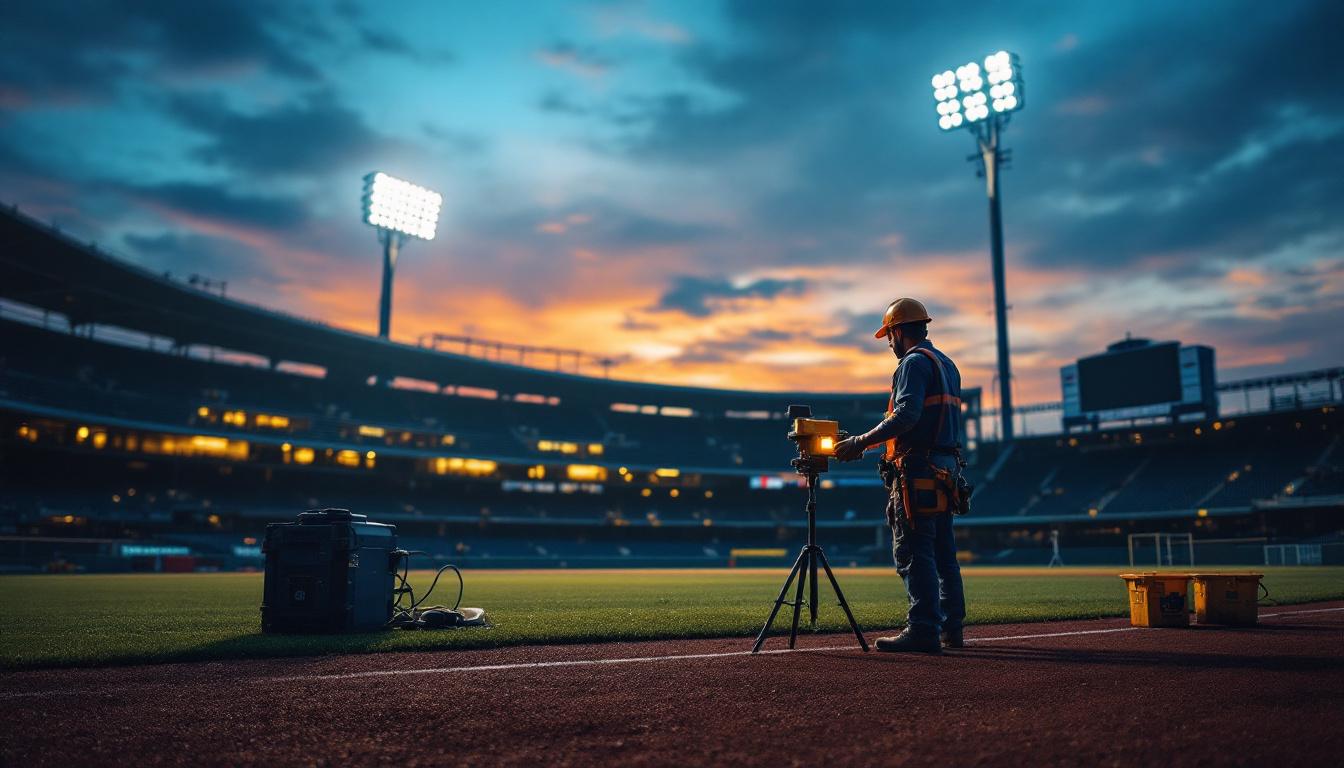
Lighting a baseball field is a specialized task that requires a deep understanding of both the sport’s demands and the technical aspects of LED lighting. Unlike general outdoor lighting, baseball fields present unique challenges such as varying field sizes, the need for uniform illumination, and minimizing glare for players and spectators. For lighting contractors, mastering these nuances is essential to delivering a successful project.
The primary goal is to create an environment where athletes can perform at their best and fans can enjoy the game without visual discomfort. This means balancing brightness, color temperature, and beam angles to meet the specific requirements of baseball. Failure to address these factors can lead to poor visibility, safety hazards, and dissatisfaction among clients. Additionally, the placement of lights is critical; they must be positioned to avoid casting shadows on the infield and outfield, which can disrupt play and affect player performance.
Moreover, the height of the lighting poles must be carefully considered to ensure that the light reaches all areas of the field without creating hotspots or dark spots. This requires a detailed analysis of the field’s layout and the specific positions of players during gameplay. The use of advanced lighting design software can aid contractors in visualizing the light distribution, ensuring that every inch of the field is adequately illuminated.
Why LED Lighting is the Preferred Choice for Baseball Fields
LED technology has revolutionized sports lighting due to its energy efficiency, long lifespan, and superior light quality. Baseball fields benefit from LEDs because they provide instant-on capabilities, consistent light output, and the ability to customize lighting patterns. These features not only enhance the playing experience but also reduce operational costs for stadium owners and municipalities. Additionally, LEDs emit less heat compared to traditional lighting options, which can be a significant advantage during hot summer games, as it helps maintain a comfortable environment for both players and fans.
However, the transition to LED requires careful planning and execution. Contractors must be aware of common pitfalls to avoid costly mistakes that can compromise the lighting system’s effectiveness and longevity. For instance, selecting the wrong color temperature can affect how players perceive the ball against the background of the field, potentially impacting their performance. Furthermore, ongoing maintenance and the ability to easily replace individual LED units can be a game-changer in ensuring the lighting system remains functional and efficient over time. As technology continues to advance, staying informed about the latest innovations in LED lighting will be crucial for contractors aiming to deliver top-notch solutions for baseball fields.
“`html
Common Mistakes Lighting Contractors Make with Baseball LED Installations
1. Neglecting Proper Lighting Design and Planning
One of the most frequent errors is insufficient upfront design work. Baseball fields vary widely in dimensions and usage, so a one-size-fits-all approach does not work. Lighting contractors must conduct thorough site assessments, including measurements of field dimensions, pole placements, and existing infrastructure.
Failing to use advanced lighting design software or neglecting photometric analysis can result in uneven illumination, dark spots, or excessive glare. These issues not only affect gameplay but can also lead to client dissatisfaction and potential liability. Furthermore, a well-thought-out design can enhance the aesthetic appeal of the field, creating an inviting atmosphere for players and spectators alike. By investing time in the planning phase, contractors can ensure a successful installation that meets both functional and visual requirements.
2. Overlooking Uniformity Requirements
Uniformity is critical in baseball lighting to ensure the entire field is evenly lit. The Illuminating Engineering Society (IES) recommends specific uniformity ratios for different levels of play, such as professional, collegiate, or recreational. Ignoring these standards can create areas where players struggle to see the ball, increasing the risk of injury and reducing the quality of the game.
Lighting contractors must prioritize uniformity by selecting fixtures with appropriate beam spreads and positioning them strategically. This often involves balancing the number of poles and fixture wattages to achieve consistent light levels across the infield and outfield. Additionally, contractors should consider the impact of surrounding structures, trees, or natural terrain that may cast shadows or obstruct light, further complicating uniformity. By addressing these factors, contractors can create a safer and more enjoyable playing environment.
3. Underestimating Glare Control
Glare is a significant concern in baseball lighting because it can impair players’ ability to track fast-moving balls and affect spectators’ viewing comfort. Contractors sometimes focus too much on brightness, neglecting the importance of glare reduction techniques.
Proper fixture selection with built-in glare shields, precise aiming angles, and the use of cutoff optics can minimize glare. Additionally, considering the height and orientation of light poles helps reduce direct line-of-sight glare for players and fans alike. It’s also essential for contractors to educate clients on the importance of glare control, as it can significantly enhance the overall experience for everyone involved. By prioritizing glare reduction, contractors contribute to a more enjoyable atmosphere that encourages community engagement and supports local teams.
4. Ignoring Color Temperature and Color Rendering Index (CRI)
Color temperature and CRI are often overlooked but play a vital role in the visual clarity and ambiance of a baseball field. A cooler color temperature (around 5000K to 5700K) is generally preferred as it mimics daylight, enhancing contrast and visibility.
High CRI values (above 70) improve the ability to distinguish colors accurately, which is crucial for players, umpires, and broadcasters. Using fixtures with inappropriate color characteristics can lead to a washed-out appearance or unnatural lighting, detracting from the overall experience. Moreover, the choice of color temperature can influence the mood of the game; warmer tones may create a more relaxed atmosphere, while cooler tones can energize the environment. By carefully selecting lighting that aligns with the intended use of the field, contractors can significantly enhance the overall quality of play and enjoyment for the audience.
“`
Best Practices for Successful Baseball LED Lighting Projects
Comprehensive Site Evaluation and Client Consultation
Before any installation begins, contractors should perform a detailed site evaluation. This includes understanding the field’s dimensions, existing lighting conditions, and any obstructions such as trees or nearby buildings. Engaging with the client to clarify their expectations, budget constraints, and future expansion plans is equally important.
Taking the time to gather this information helps tailor the lighting design to the specific needs of the facility, ensuring a more successful outcome and higher client satisfaction.
Utilizing Advanced Lighting Design Tools
Modern lighting design software enables contractors to simulate lighting layouts and predict performance before installation. These tools incorporate photometric data from LED fixtures, allowing precise calculation of light levels, uniformity, and glare.
By leveraging these technologies, contractors can optimize fixture placement, reduce the number of poles required, and avoid costly rework. This proactive approach also facilitates compliance with industry standards and client requirements.
Choosing the Right Fixtures and Components
Not all LED fixtures are created equal. Selecting products specifically engineered for sports lighting ensures durability, performance, and ease of maintenance. Features to look for include high lumen output, robust construction to withstand weather conditions, and IP ratings suitable for outdoor use.
Additionally, investing in fixtures with adjustable mounting brackets and aiming capabilities simplifies fine-tuning the lighting after installation. Contractors should also consider integrating smart controls for dimming and scheduling to enhance energy savings and operational flexibility.
Professional Installation and Quality Assurance
Proper installation is critical to the success of any lighting project. Contractors must follow manufacturer guidelines meticulously, ensuring secure mounting, correct aiming angles, and proper wiring practices. Safety protocols should be strictly observed to protect workers and the site.
After installation, conducting thorough testing and commissioning verifies that the lighting system meets design specifications. This includes measuring light levels, uniformity, and checking for glare. Documenting these results provides transparency and confidence to the client.
Maintaining Baseball LED Lighting Systems for Longevity and Performance
Regular Inspection and Cleaning
Outdoor lighting systems are exposed to dust, dirt, and weather elements that can degrade performance over time. Scheduling regular inspections allows contractors or facility managers to identify issues such as fixture misalignment, damaged lenses, or electrical faults early.
Cleaning LED fixtures periodically maintains optimal light output and prevents uneven illumination caused by dirt accumulation. Using appropriate cleaning methods and materials ensures the longevity of the fixtures without causing damage.
Timely Repairs and Upgrades
Addressing problems promptly prevents minor issues from escalating into major failures. Contractors should offer maintenance contracts or service agreements to provide ongoing support to clients. Upgrading components such as controls or fixtures can also improve energy efficiency and lighting quality as technology advances.
Proactive maintenance not only extends the life of the lighting system but also reinforces the contractor’s reputation for reliability and professionalism.
Conclusion: Delivering Excellence in Baseball LED Lighting
Lighting contractors play a pivotal role in enhancing the baseball experience through expertly designed and installed LED systems. Avoiding common mistakes such as inadequate planning, poor uniformity, glare issues, and neglecting color quality is essential to achieving success.
By embracing best practices—comprehensive site evaluation, advanced design tools, quality fixture selection, professional installation, and diligent maintenance—contractors can deliver lighting solutions that meet the high standards of the sport. These efforts not only satisfy clients but also contribute to safer, more enjoyable games for players and fans alike.
Ultimately, attention to detail and a commitment to excellence distinguish top-tier lighting contractors in the competitive field of baseball LED installations.
Illuminate Your Baseball Projects with LumenWholesale
Ready to elevate your lighting game? At LumenWholesale, we provide lighting contractors with the high-quality, spec-grade LED solutions you need to outshine the competition. With unbeatable wholesale prices and a vast selection that meets rigorous industry standards, you can trust us to light up your baseball field projects with reliability and performance. Say goodbye to inflated markups and hello to hassle-free bulk buying with free shipping. Don’t compromise on quality or value—click to experience the best in Wholesale Lighting at the Best Value and make your next installation a home run.