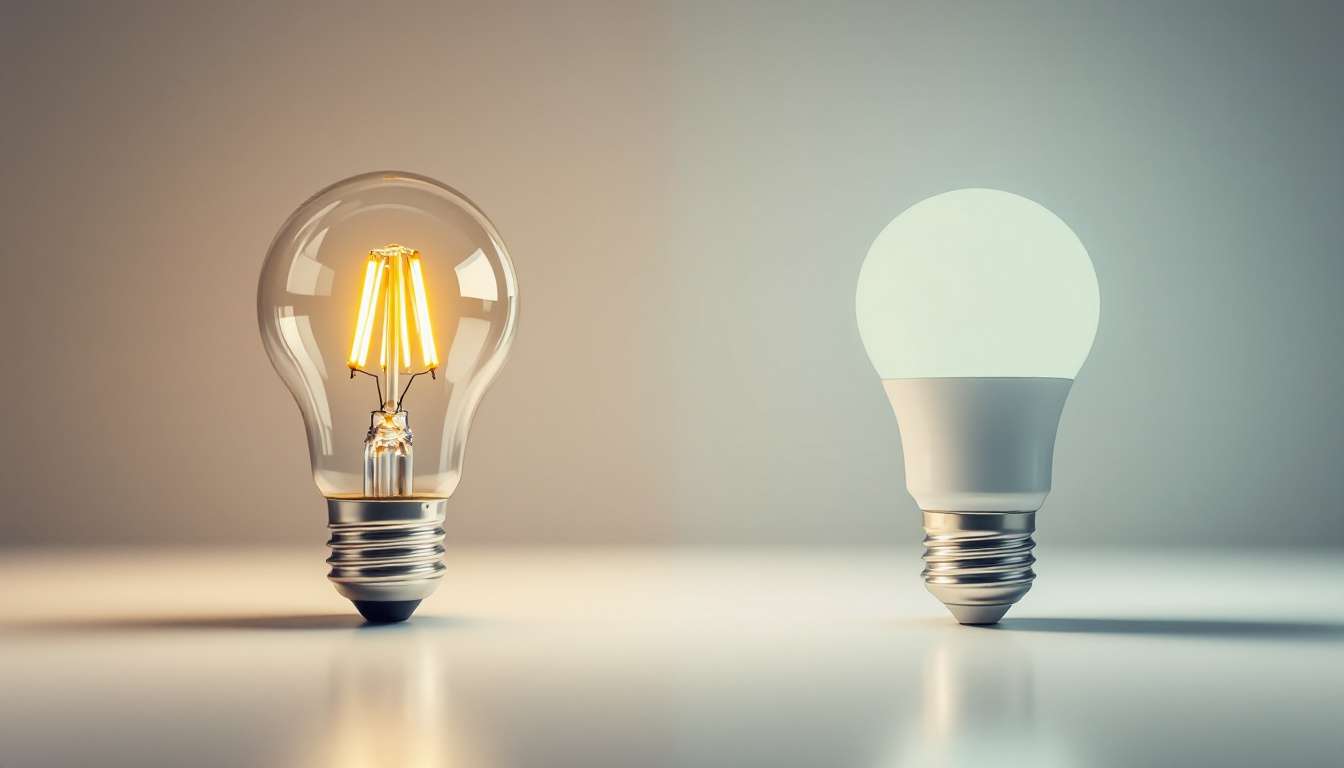
Understanding Fluorescent Lighting Fundamentals
Fluorescent lighting remains a cornerstone of commercial, industrial, and institutional illumination due to its energy efficiency and long lifespan compared to traditional incandescent bulbs. For lighting contractors, a deep understanding of fluorescent light technology is essential to ensure optimal performance, energy savings, and client satisfaction.
At its core, a fluorescent lamp produces light by passing an electric current through mercury vapor, which emits ultraviolet light. This ultraviolet light then excites a phosphor coating inside the tube, producing visible light. The process is efficient, but it requires precise control of electrical current and voltage, which is where the ballast comes into play.
Choosing the right fluorescent light and ballast combination is critical. The wrong pairing can lead to flickering, reduced lamp life, or even safety hazards. This guide will walk contractors through the key considerations and best practices for selecting and installing fluorescent lighting systems.
In addition to the technical aspects, understanding the various types of fluorescent lamps available can greatly enhance a contractor’s ability to meet specific client needs. For instance, T8 and T5 lamps are popular choices due to their slimmer profiles and improved efficiency over older T12 models. Furthermore, advancements in technology have led to the development of high-output and low-wattage options, allowing for greater flexibility in lighting design while still maintaining energy efficiency. Contractors should also consider the color temperature of the lamps, as this can significantly affect the ambiance of a space. Warmer tones are often preferred in retail environments to create a welcoming atmosphere, while cooler tones may be more suitable for workspaces that require higher concentration levels.
Moreover, the installation environment plays a pivotal role in the selection of fluorescent lighting. Factors such as temperature, humidity, and the presence of dimming controls can influence the performance of fluorescent lamps. For example, in colder environments, special cold-weather fluorescent lamps are available that maintain their brightness and efficiency. Additionally, integrating occupancy sensors and dimmers can further enhance energy savings and extend the lifespan of the lamps. By staying informed about these variables, contractors can provide tailored solutions that not only meet but exceed client expectations, ensuring a successful lighting installation.
Types of Fluorescent Lamps and Their Applications
Standard T12, T8, and T5 Lamps
Fluorescent lamps are commonly categorized by their diameter, measured in eighths of an inch. The most prevalent types are T12 (1.5 inches), T8 (1 inch), and T5 (5/8 inch). Each type offers distinct advantages and is suited for different applications.
T12 lamps, once the industry standard, are now largely obsolete due to their lower efficiency and higher energy consumption. However, they may still be found in older installations. T8 lamps are the most widely used today, offering a good balance of efficiency and cost. T5 lamps, being the smallest and most efficient, are ideal for applications requiring compact fixtures and high lumen output, such as retail or healthcare environments. The choice between these lamps often hinges on factors like energy savings, initial investment, and the specific lighting needs of the space.
Specialty Fluorescent Lamps
Beyond standard linear tubes, specialty fluorescent lamps include compact fluorescent lamps (CFLs), circular tubes, and U-shaped lamps. These are often used in fixtures with space constraints or specific design requirements. Lighting contractors should consider the fixture type, space, and desired light distribution when selecting these lamps.
Compact fluorescent lamps (CFLs) are particularly popular for residential and commercial use due to their energy efficiency and longer lifespan compared to traditional incandescent bulbs. They come in various shapes and sizes, making them versatile for different lighting fixtures, including table lamps and recessed lighting. Circular fluorescent lamps, often used in ceiling fixtures and decorative lighting, provide a unique aesthetic while delivering even light distribution. U-shaped fluorescent lamps, on the other hand, are typically employed in specialized applications like under-cabinet lighting or in fixtures designed for task lighting, where focused illumination is essential. Each of these specialty lamps not only enhances the functionality of a space but also contributes to energy conservation efforts, aligning with modern sustainability goals.
The Critical Role of Ballasts in Fluorescent Lighting
What is a Ballast?
A ballast regulates the current to the fluorescent lamp and provides sufficient voltage to start the lamp. Without a ballast, the lamp would draw excessive current, leading to rapid failure or damage. Ballasts are essential components that ensure the lamp operates safely and efficiently. In essence, they act as the gatekeepers of electrical flow, ensuring that the lamp receives just the right amount of power to function optimally. This regulation not only protects the lamp but also contributes to the overall energy efficiency of the lighting system.
Types of Ballasts
There are two primary categories of ballasts: magnetic and electronic. Magnetic ballasts are older technology, heavier, and less efficient. They operate at the power line frequency (50 or 60 Hz), which can cause noticeable flicker and audible hum. These ballasts typically contain a transformer and a choke, which work together to limit the current flowing to the lamp. While they were once the standard in fluorescent lighting, their inefficiencies have led to a decline in popularity.
Electronic ballasts, by contrast, operate at much higher frequencies (typically 20,000 Hz or higher), eliminating flicker and reducing noise. They are more energy-efficient and can extend the lamp’s lifespan. Additionally, electronic ballasts can provide features such as instant start, which allows the lamp to reach full brightness almost immediately. For modern installations, electronic ballasts are generally preferred, as they not only enhance the lighting experience but also contribute to energy savings and lower operational costs over time.
Ballast Compatibility and Lamp Performance
Matching the ballast to the fluorescent lamp is crucial. Ballasts are designed to work with specific lamp types, wattages, and configurations (e.g., single or multiple lamps). Using an incompatible ballast can cause poor lamp performance, reduced efficiency, and premature failure. For instance, a ballast designed for a lower wattage lamp may not provide enough voltage, leading to flickering or dim lighting, while a ballast meant for higher wattage could overdrive the lamp, resulting in burnout.
Additionally, some ballasts support dimming or rapid start capabilities, which may be required in certain applications. Contractors should verify ballast specifications and ensure compatibility with the intended lamp and fixture. It’s also worth noting that advancements in ballast technology have led to the development of smart ballasts, which can communicate with building management systems for enhanced control and monitoring. This innovation not only improves energy efficiency but also allows for tailored lighting solutions that can adapt to changing needs throughout the day, making them an exciting option for both commercial and residential settings.
Energy Efficiency and Regulatory Considerations
Energy Codes and Standards
Lighting contractors must stay informed about energy codes and standards that impact fluorescent lighting installations. Regulations such as those from the Department of Energy (DOE) and the Environmental Protection Agency (EPA) set minimum efficiency requirements for ballasts and lamps.
For example, many regions have phased out less efficient magnetic ballasts and T12 lamps in favor of higher-efficiency T8 and T5 systems with electronic ballasts. Compliance not only ensures legality but also results in long-term energy savings for clients.
Energy Savings Through Upgrades
Upgrading from older T12 magnetic ballast systems to modern T8 or T5 electronic ballast systems can reduce lighting energy consumption by 30% to 50%. Contractors can leverage these savings to recommend retrofit projects that improve building sustainability and reduce operational costs.
Furthermore, electronic ballasts generate less heat, reducing cooling loads and contributing to overall building energy efficiency. These factors make fluorescent lighting upgrades a compelling value proposition for clients.
Installation Best Practices for Lighting Contractors
Ensuring Proper Wiring and Compatibility
Correct installation of fluorescent lamps and ballasts is vital for safety and performance. Contractors should follow manufacturer instructions meticulously, paying attention to wiring diagrams, ballast input voltage, and lamp orientation.
Using the wrong wiring configuration can cause flickering, reduced lamp life, or ballast damage. It’s also important to verify that the ballast voltage rating matches the supply voltage to prevent electrical hazards.
Testing and Troubleshooting
After installation, thorough testing is essential. Check for stable lamp ignition, absence of flicker, and quiet operation. If issues arise, common troubleshooting steps include verifying wiring connections, ensuring ballast-lamp compatibility, and inspecting for damaged components.
Lighting contractors should also educate clients on proper maintenance practices, such as replacing lamps and ballasts promptly when signs of failure appear, to maintain optimal lighting quality.
Emerging Trends and Future Outlook
Integration with LED Technology
While fluorescent lighting remains prevalent, LED technology is rapidly gaining ground due to its superior energy efficiency, longer lifespan, and flexibility. Many contractors now encounter hybrid projects where fluorescent fixtures are retrofitted with LED tubes or integrated LED systems.
Understanding fluorescent technology remains important, especially for maintenance and retrofit projects. However, contractors should also be prepared to advise clients on LED options and the implications of transitioning from fluorescent to LED lighting.
Smart Ballasts and Controls
Advancements in ballast technology include smart ballasts that integrate with building automation systems. These ballasts enable features such as occupancy sensing, daylight harvesting, and remote dimming control, enhancing energy savings and user comfort.
Lighting contractors should familiarize themselves with these technologies to offer clients state-of-the-art solutions that align with modern energy management strategies.
Conclusion
For lighting contractors, selecting the right fluorescent light and ballast combination is a nuanced process that balances performance, efficiency, regulatory compliance, and client needs. By understanding the different lamp types, ballast technologies, and installation best practices, contractors can deliver reliable, energy-efficient lighting solutions that stand the test of time.
Staying abreast of emerging trends such as LED integration and smart ballast controls will further position contractors as knowledgeable professionals capable of guiding clients through the evolving lighting landscape. Ultimately, the right choices in fluorescent lighting components contribute to safer, more comfortable, and sustainable environments.
Illuminate Your Projects with LumenWholesale
Ready to elevate your lighting installations with the best in the business? Look no further than LumenWholesale for all your fluorescent lighting needs. Our extensive selection of spec-grade lighting products ensures you have access to the highest quality options at wholesale prices that can’t be beaten. Say goodbye to middleman markups and hello to hassle-free bulk buying with free shipping. Don’t compromise on quality or value—choose LumenWholesale for premium lighting solutions that blend efficiency, affordability, and convenience. Take the next step in optimizing your lighting projects by visiting Wholesale Lighting at the Best Value today.