Understanding the Unique Needs of Equine Arenas
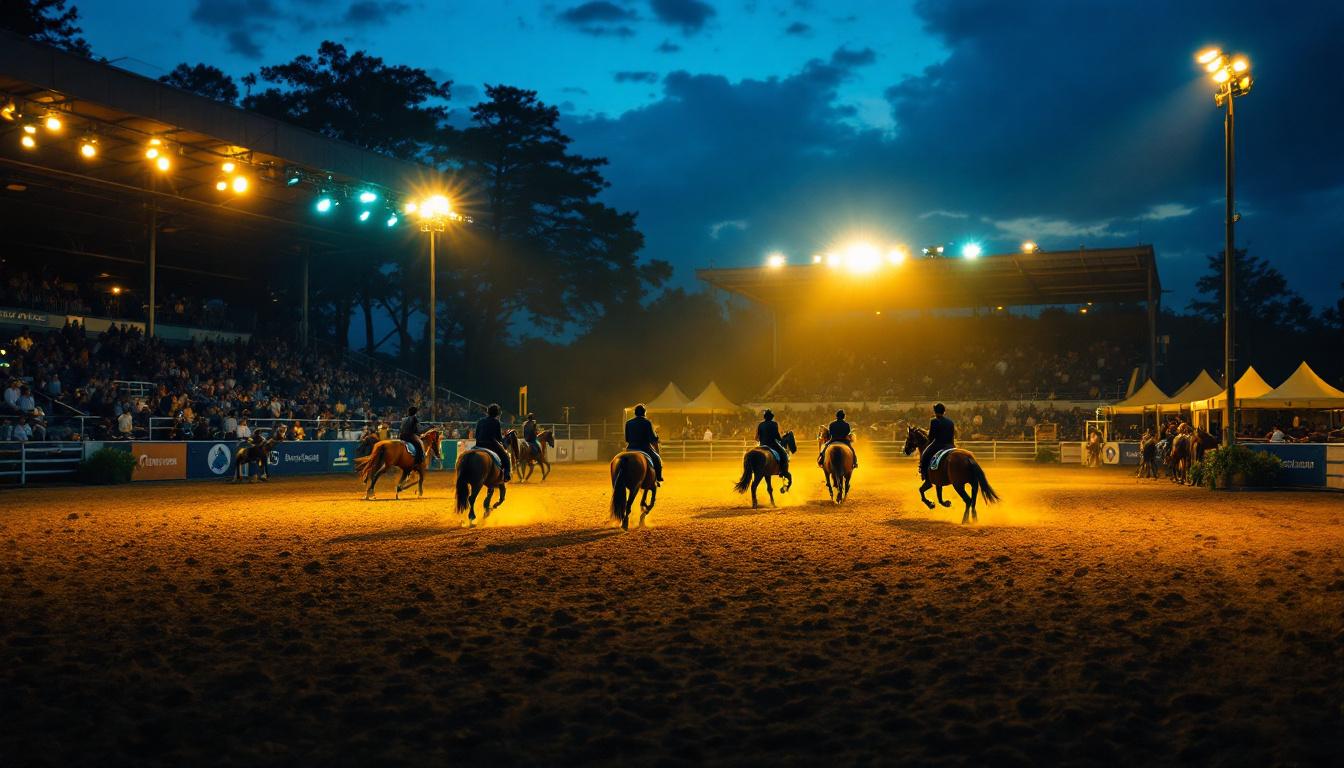
Lighting an equine arena is a specialized task that requires more than just installing bright lights. Lighting contractors must consider the unique environment, the safety of both horses and riders, and the functional requirements of the space. Unlike typical sports facilities, equine arenas often have irregular shapes, varying ceiling heights, and a mix of indoor and outdoor elements, all of which influence lighting design.
Equine arenas are used for a variety of activities, including training, competitions, and recreational riding. Each activity demands different lighting levels and quality. For example, dressage and jumping competitions require uniform, glare-free illumination to ensure riders can see obstacles clearly, while training sessions may prioritize energy efficiency and durability.
Additionally, horses are sensitive to sudden changes in lighting and shadows, which can startle them and create unsafe conditions. Contractors must therefore design lighting systems that provide consistent, even light distribution without harsh contrasts or flickering.
Key Considerations for Arena Lighting Design
When planning lighting for an equine arena, contractors should focus on several critical factors:
- Light Level Requirements: The Illuminating Engineering Society (IES) recommends a minimum of 50 foot-candles for general riding arenas, with competition arenas requiring up to 100 foot-candles for optimal visibility.
- Color Rendering Index (CRI): A CRI of 80 or higher is essential to accurately render colors, which is important for judging competitions and ensuring rider safety.
- Glare Control: Minimizing glare is crucial to prevent distractions and discomfort for both horses and riders.
- Uniformity: Even light distribution reduces shadows and dark spots that could spook horses or impair rider vision.
- Durability and Maintenance: Lighting fixtures must withstand dust, moisture, and impacts common in equine environments.
Moreover, the choice of lighting technology plays a significant role in the overall effectiveness of the arena’s illumination. LED lights have become increasingly popular due to their longevity and energy efficiency. These lights not only consume less power but also produce less heat, which is beneficial in maintaining a comfortable environment for both horses and riders. Additionally, the ability to dim or adjust LED lighting can help create the right ambiance for different activities, enhancing the overall experience within the arena.
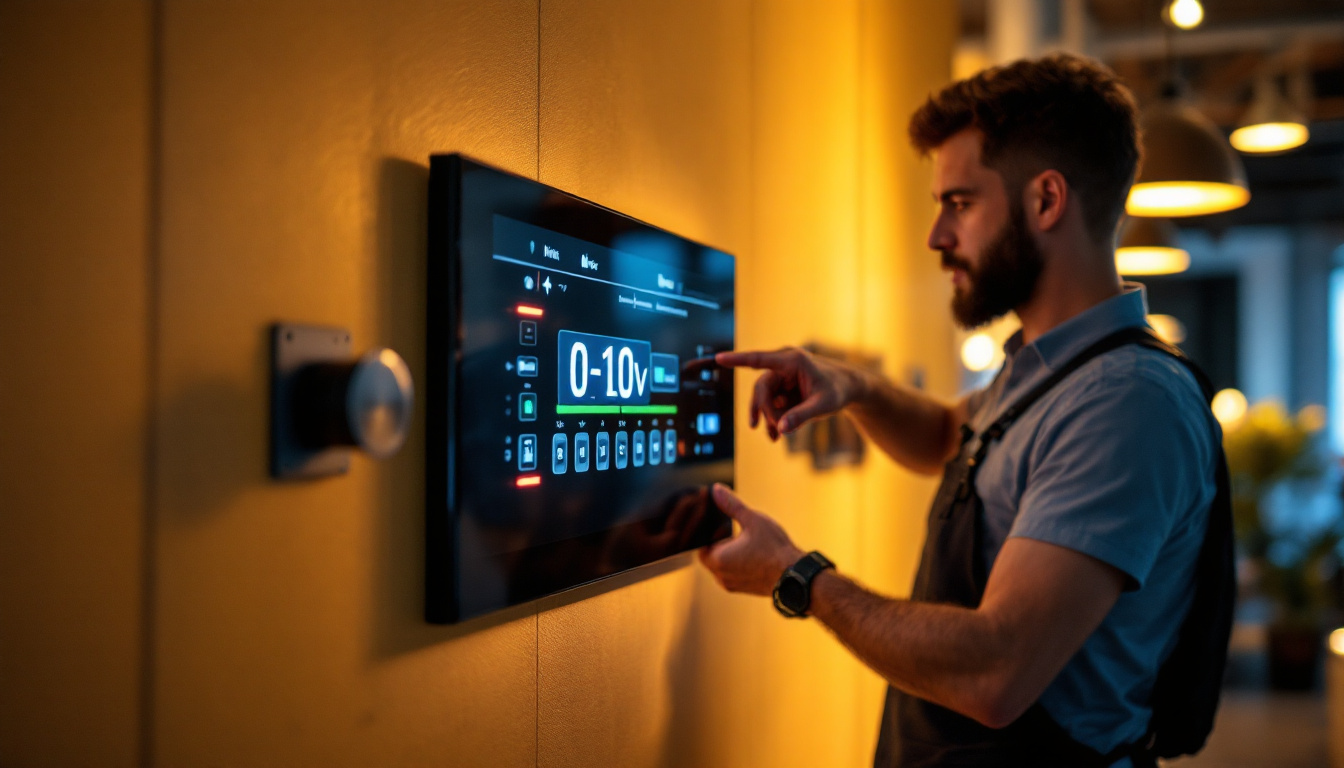
Another important aspect to consider is the integration of smart lighting systems. These advanced setups allow for automated adjustments based on the time of day or specific events taking place in the arena. For instance, during evening competitions, the system can automatically increase light levels to ensure optimal visibility, while during training sessions, it can be programmed to provide softer lighting to create a more relaxed atmosphere. This level of customization not only improves functionality but also contributes to the well-being of the horses, who thrive in environments that are both safe and comfortable.
Choosing the Right Lighting Technology
The lighting technology selected for an equine arena greatly impacts performance, energy consumption, and maintenance costs. Over the years, LED lighting has become the preferred choice among lighting contractors due to its numerous advantages.
LEDs offer superior energy efficiency, consuming up to 75% less energy than traditional metal halide or high-pressure sodium lamps. This reduction translates into significant cost savings over the lifespan of the installation, which can be especially important for large arenas that operate for many hours daily. Additionally, the lower energy consumption of LEDs contributes to a reduced carbon footprint, making them a more environmentally friendly option for equestrian facilities looking to promote sustainability.
Moreover, LEDs provide instant-on capabilities, eliminating warm-up times associated with older technologies. This feature is particularly beneficial in equine arenas where lighting may need to be switched on and off frequently during events or training sessions. The immediate illumination also enhances safety for both horses and riders, as it minimizes the risk of accidents during transitions between light and dark conditions.
Advantages of LED Lighting in Equine Arenas
- Longevity: LEDs can last up to 50,000 hours or more, reducing the frequency and cost of replacements.
- Improved Light Quality: LEDs offer high CRI values and customizable color temperatures, enhancing visibility and comfort.
- Directional Lighting: LEDs emit light in a specific direction, reducing light pollution and improving uniformity.
- Lower Heat Emission: LEDs generate less heat, which helps maintain a comfortable environment for horses and riders.
When to Consider Alternative Technologies
While LEDs are generally the best option, certain situations may call for alternative lighting technologies. For example, in arenas with extremely high ceilings or where initial budget constraints are tight, metal halide lamps might still be used. However, contractors should weigh the long-term operational costs and maintenance challenges against the upfront savings. It’s also worth considering that advancements in lighting technology are continually emerging, and what may have been a viable option in the past could soon be eclipsed by newer, more efficient solutions.
In addition, specific activities within the arena may require tailored lighting solutions. For instance, if the arena hosts competitions that require precise judging, the lighting must be optimized to eliminate shadows and provide consistent illumination across the entire space. In such cases, a hybrid approach that combines LEDs with other technologies could be explored to achieve the ideal lighting conditions. Ultimately, the decision should be informed by a thorough assessment of the arena’s unique requirements, as well as the preferences of the riders and trainers who utilize the space.
Designing for Safety and Comfort
Safety is paramount in equine arenas, and lighting plays a critical role in creating a secure environment. Lighting contractors must ensure that their designs minimize hazards and enhance the comfort of both horses and riders.
Minimizing Glare and Shadows
Glare can cause discomfort and impair vision, while shadows can startle horses or obscure obstacles. To address these issues, contractors should:
- Use fixtures with proper shielding and lenses to control light direction and reduce glare.
- Position lights to avoid casting shadows on riding surfaces, especially near jumps or other obstacles.
- Employ multiple light sources to ensure even illumination and eliminate dark spots.
Ensuring Adequate Light Levels Without Over-Illumination
Overly bright lighting can be as problematic as insufficient lighting. Excessive brightness may cause discomfort and increase energy costs unnecessarily. Lighting contractors should use photometric analysis tools to calculate the optimal number and placement of fixtures, ensuring compliance with recommended foot-candle levels without waste.
Consideration of Natural Light Integration
Many equine arenas incorporate skylights or large windows to take advantage of natural daylight. Contractors should design lighting systems that complement natural light, using daylight sensors and dimmable fixtures to adjust artificial lighting levels accordingly. This approach not only conserves energy but also creates a more pleasant environment.
Installation Best Practices
Proper installation is critical to the success of any equine arena lighting project. Lighting contractors should follow industry best practices to ensure durability, functionality, and safety.
Fixture Placement and Mounting Height
Fixtures should be mounted at heights that maximize coverage while minimizing glare and shadowing. Typically, mounting heights between 20 and 30 feet are common, but this can vary based on arena size and ceiling structure. Contractors should also consider the structural integrity of mounting points, especially in arenas with exposed beams or trusses.
Wiring and Electrical Considerations
Equine arenas often have high dust and moisture levels, so wiring and electrical components must be rated for these conditions. Use conduit and weatherproof fittings to protect wiring from damage. Additionally, ensure that all electrical work complies with local codes and standards, including grounding and surge protection.
Maintenance Accessibility
Design lighting installations with maintenance in mind. Fixtures should be accessible for cleaning, bulb replacement, and repairs without requiring extensive equipment or disruption to arena activities. Using LED fixtures with long lifespans can also reduce maintenance frequency.
Energy Efficiency and Sustainability
Energy efficiency is a growing concern for arena owners and operators, and lighting contractors play a vital role in promoting sustainable solutions.
Incorporating Controls and Automation
Installing lighting controls such as timers, occupancy sensors, and daylight harvesting systems can significantly reduce energy consumption. For example, occupancy sensors ensure lights are only on when the arena is in use, while daylight sensors adjust artificial lighting based on available natural light.
Choosing Energy-Efficient Fixtures
Specifying LED fixtures with high efficacy (lumens per watt) ensures maximum light output for minimum energy use. Contractors should also consider fixtures with dimming capabilities to tailor light levels to specific activities, further conserving energy.
Environmental Impact and Client Benefits
By designing energy-efficient lighting systems, contractors help clients reduce their carbon footprint and operational costs. This value proposition can be a compelling selling point when bidding for projects and building long-term client relationships.
Common Challenges and How to Overcome Them
Equine arena lighting projects can present unique challenges that require proactive solutions.
Dealing with Dust and Dirt Accumulation
Dust and dirt can degrade lighting performance and fixture lifespan. Selecting fixtures with sealed enclosures and easy-to-clean surfaces helps mitigate this issue. Regular maintenance schedules should be recommended to clients to keep lighting systems operating at peak efficiency.
Managing Budget Constraints
Clients may have limited budgets but still expect high-quality lighting. Contractors can offer phased installation plans, starting with essential lighting and adding enhancements over time. Providing detailed cost-benefit analyses helps clients understand the long-term savings of investing in quality lighting upfront.
Addressing Client-Specific Requirements
Every equine arena is different, and clients may have unique preferences or regulatory requirements. Effective communication during the design phase ensures that lighting solutions meet all expectations and comply with relevant standards.
Conclusion
Lighting contractors tasked with illuminating equine arenas must approach each project with a thorough understanding of the environment, safety considerations, and client needs. By selecting appropriate lighting technologies, designing for uniformity and glare control, and incorporating energy-efficient solutions, contractors can deliver lighting systems that enhance the functionality and safety of equine arenas.
Successful projects require attention to detail from design through installation and maintenance planning. Contractors who stay informed about industry best practices and emerging technologies will be well-positioned to provide superior lighting solutions that satisfy both horses and riders, while also meeting client expectations for performance and sustainability.
Illuminate Your Equine Arena with LumenWholesale
Ready to elevate your equine arena lighting project with the best in spec-grade lighting? At LumenWholesale, we provide lighting contractors with the high-quality, energy-efficient solutions you need to meet the unique demands of equine arenas. Our commitment to unbeatable wholesale prices means you can access premium lighting without the premium cost. With free shipping on bulk orders, you can ensure your project shines without straining your budget. Discover the ideal balance of quality, value, and convenience at LumenWholesale. Wholesale Lighting at the Best Value is just a click away.