Understanding the Challenges of Old Motion Sensor Lights
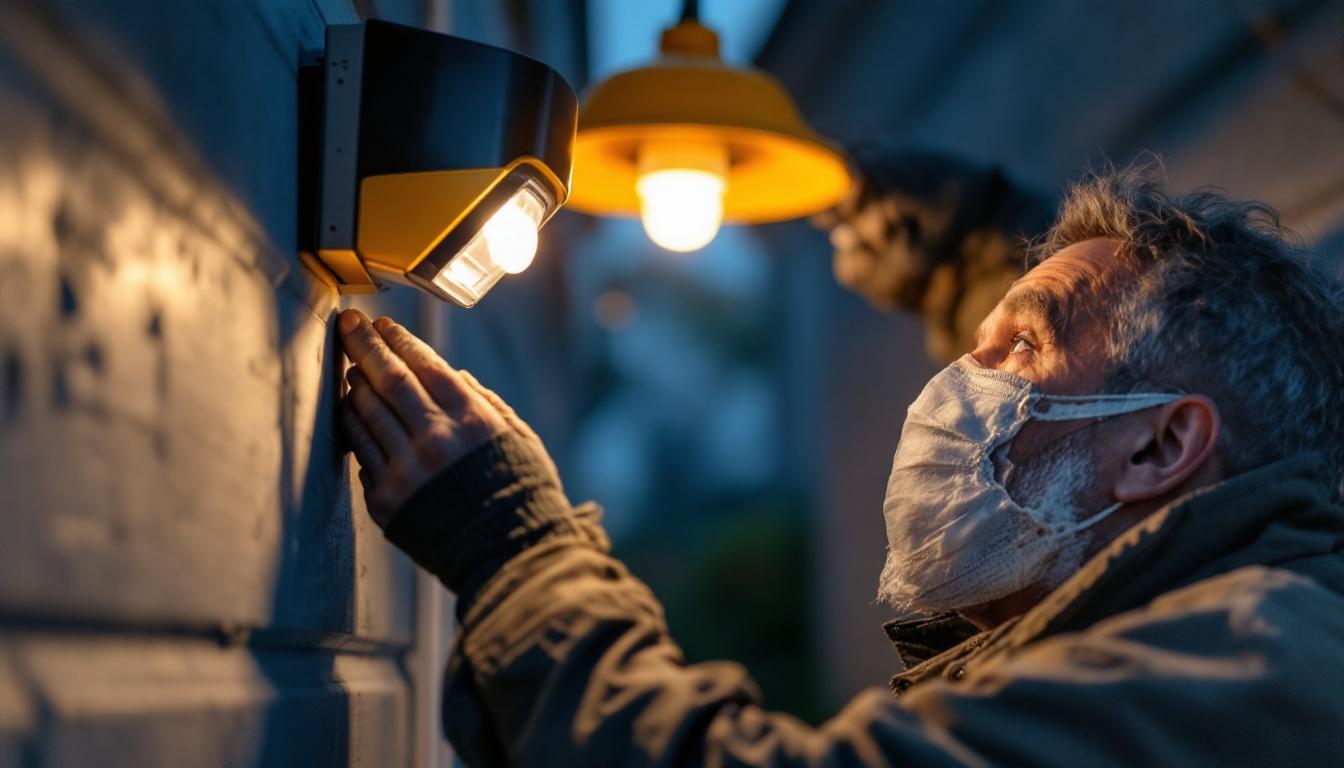
Old motion sensor lights can be a headache for lighting contractors. These units often come with outdated technology that struggles to meet the demands of modern installations. When clients call about flickering lights, false triggers, or complete sensor failures, it’s usually a sign that the old system is no longer up to par.
Many of these older models rely on passive infrared (PIR) sensors with limited sensitivity and range. They might have been cutting-edge a decade ago, but today’s standards require more reliable and energy-efficient solutions. The wiring and components inside these units can degrade over time, causing inconsistent performance or safety concerns.
For contractors, understanding the limitations and common failure points of these older systems is crucial. It’s not just about replacing a bulb or fixing a sensor; it’s about diagnosing whether the entire unit is obsolete and advising clients accordingly. This knowledge can lead to better customer satisfaction and potentially open the door for upselling newer, more efficient models that can save clients money in the long run.
Common Issues with Old Motion Sensor Lights
One of the most frequent complaints is false triggering. Older sensors may activate due to small animals, passing cars, or even changes in sunlight. This can frustrate homeowners and businesses alike, leading to unnecessary energy waste and reduced trust in the system. In addition, frequent false alarms can lead to a heightened sense of insecurity, as users may feel that their security system is unreliable.
Another problem is sensor lag or delayed response. The light might turn on several seconds after motion is detected, which defeats the purpose of having a sensor in the first place. In some cases, the sensor might fail to reset properly, leaving the light on longer than intended. This not only wastes energy but can also create safety hazards, as poorly lit areas can become dangerous for pedestrians or vehicles navigating through them.
Wiring problems are also common. Over time, connections can loosen or corrode, especially in outdoor installations exposed to weather. This can cause intermittent operation or complete failure. Moreover, the older wiring may not be compatible with newer sensor technologies, leading to further complications during upgrades. Contractors often find themselves in a position where they need to assess the entire electrical system to ensure that it can support new installations, adding another layer of complexity to the job.
Additionally, many older motion sensor lights lack the advanced features found in modern systems, such as adjustable sensitivity settings or programmable timers. These features allow users to customize their lighting experience and reduce the likelihood of false triggers. The absence of such capabilities in older models can make them less appealing to clients who are looking for flexibility and efficiency in their lighting solutions. As technology continues to evolve, the gap between old and new systems becomes increasingly apparent, prompting many to consider a complete overhaul rather than simply patching up an outdated system.
Do’s: Best Practices When Working with Old Motion Sensor Lights
Do Conduct a Thorough Assessment Before Repair or Replacement
Before making any recommendations, take the time to evaluate the existing system carefully. Check the sensor’s sensitivity settings, test the wiring, and observe how the light behaves under different conditions. This helps determine whether a simple adjustment can fix the issue or if a full replacement is necessary.
Document your findings and communicate them clearly to your client. Providing a detailed explanation builds trust and helps justify the cost of upgrades when needed. Additionally, consider creating a checklist that outlines the assessment process. This not only ensures that you don’t overlook any critical elements but also serves as a valuable reference for future projects. Clients appreciate a systematic approach, as it reflects professionalism and thoroughness.
Do Clean and Maintain Sensor Components
Sometimes, the problem is as simple as dirt, spider webs, or debris obstructing the sensor lens. Cleaning these components can restore proper function without additional expense. Use a soft cloth and mild cleaning solution to avoid damaging the sensor.
Regular maintenance visits can prevent many common issues. Encourage clients to schedule periodic checks, especially for outdoor installations exposed to dust and weather. You might also suggest that they consider installing protective covers or shields to minimize debris accumulation. These simple preventative measures can extend the lifespan of the sensors and reduce the frequency of service calls, ultimately saving your clients time and money.
Do Upgrade to More Efficient Technology When Appropriate
If the old motion sensor light is beyond repair or consistently unreliable, recommend upgrading to newer models. Modern sensors offer better detection accuracy, adjustable sensitivity, and energy-saving features like LED integration.
Advise clients on the benefits of smart lighting systems that can be controlled remotely or integrated with security setups. These options provide added value and future-proof the installation. Furthermore, highlight the environmental benefits of switching to energy-efficient models, such as reduced energy consumption and lower carbon footprints. Educating clients about the long-term savings on their energy bills can also incentivize them to invest in modern technology.
Do Follow Electrical Codes and Safety Standards
When working on any lighting system, especially older ones, always adhere to current electrical codes and safety regulations. This protects both you and your client from potential hazards.
Check for proper grounding, secure connections, and appropriate weatherproofing. Replace any damaged wiring or components that could pose a risk. Additionally, consider conducting a risk assessment to identify any potential safety issues that may not be immediately visible. This proactive approach not only enhances safety but also demonstrates your commitment to quality workmanship. Providing clients with a safety report after your inspection can further reassure them of the integrity of their lighting system.
Don’ts: Common Pitfalls to Avoid with Old Motion Sensor Lights
Don’t Ignore Client Complaints or Symptoms
Clients often notice problems before contractors do. Ignoring reports of flickering, delayed activation, or false triggers can damage your reputation. Take every complaint seriously and investigate promptly.
Failing to address these issues can lead to bigger problems down the line, including safety risks or costly emergency repairs. Additionally, consistent communication with clients about their concerns can foster trust and demonstrate your commitment to quality service. Regular follow-ups can also help identify any recurring issues that may not have been reported initially, allowing you to proactively address potential failures before they escalate.
Don’t Attempt Band-Aid Fixes on Failing Systems
Applying temporary solutions like taping wires or bypassing sensors might seem like a quick fix, but it rarely solves the root problem. These shortcuts can lead to system instability and void warranties.
Instead, recommend proper repairs or replacements. Explain the long-term benefits of investing in quality components and professional installation. Moreover, educating clients about the potential risks associated with makeshift repairs can help them understand the importance of a thorough and effective solution. Highlighting the advantages of modern sensor technology, such as enhanced sensitivity and energy efficiency, can also encourage clients to consider upgrades rather than temporary fixes.
Don’t Overlook Environmental Factors Affecting Sensor Performance
Old motion sensor lights may be installed in locations that no longer suit their capabilities. For example, sensors placed near heat sources, reflective surfaces, or heavy traffic areas can malfunction frequently.
Evaluate the installation environment carefully. Sometimes repositioning the sensor or adjusting its angle can significantly improve performance without replacing the entire unit. Additionally, consider the seasonal changes in the environment; for instance, foliage growth in spring and summer can obstruct sensors, while snow accumulation in winter can affect their functionality. By taking these factors into account, you can ensure that the sensors operate optimally throughout the year.
Don’t Forget to Educate Your Clients
Many users don’t understand how motion sensor lights work or what maintenance they require. Take time to explain proper usage, such as avoiding blocking the sensor or cleaning the lens regularly.
Providing this knowledge helps clients get the most out of their lighting system and reduces unnecessary service calls. Consider offering a simple maintenance checklist or a quick reference guide that clients can keep handy. This could include tips on how to test the sensor’s range, the importance of keeping the sensor clean from dust and debris, and reminders about battery replacements if applicable. Empowering clients with this information not only enhances their experience but also positions you as a knowledgeable and reliable resource in their ongoing maintenance needs.
How to Approach Replacement Projects for Old Motion Sensor Lights
Assessing Client Needs and Budget
Not every client requires the latest technology. Some may prioritize cost savings, while others want advanced features like integration with home automation. Discuss their goals and budget upfront to tailor your recommendations accordingly.
Offer a range of options, from basic upgrades to premium smart lighting systems. Transparency in pricing and benefits helps clients make informed decisions.
Choosing the Right Replacement Sensor
Select sensors that match the application environment. For outdoor security lighting, choose units with wide detection angles, adjustable sensitivity, and weather-resistant housings. For indoor use, consider sensors with smaller detection zones and softer activation to avoid nuisance triggers.
LED-compatible sensors are preferable for energy efficiency and longer lifespan. Also, look for models with customizable settings to fine-tune performance.
Professional Installation and Testing
Proper installation is key to maximizing the effectiveness of new motion sensor lights. Ensure wiring is secure, sensors are positioned correctly, and settings are optimized for the space.
After installation, conduct thorough testing during different times of day and under various conditions. This confirms the system operates as intended and allows for any necessary adjustments.
Final Thoughts: Building Trust Through Expertise
Old motion sensor lights present unique challenges, but they also offer opportunities to demonstrate your expertise and commitment to quality. By following these do’s and don’ts, lighting contractors can provide reliable solutions that satisfy clients and enhance safety.
Remember, your role goes beyond installation and repair. Educating clients, maintaining open communication, and delivering professional service build lasting relationships and a strong reputation in the industry.
Upgrade Your Lighting Solutions with LumenWholesale
Ready to tackle the challenges of old motion sensor lights with confidence? At LumenWholesale, we provide lighting contractors with the high-quality, spec-grade lighting products you need to deliver exceptional results. Say goodbye to inflated markups and hello to unbeatable wholesale prices. Our extensive selection is designed to meet the highest industry standards, ensuring your projects shine with reliability and performance. Plus, with free shipping on bulk orders, you can stock up on premium lighting without the worry of hidden fees. Don’t compromise on quality or value. Wholesale Lighting at the Best Value is just a click away. Elevate your lighting game with LumenWholesale today.