Introduction to Drop Ceiling Lighting in Contemporary Projects
Drop ceilings, also known as suspended ceilings, have become a staple in commercial, institutional, and even residential lighting design. Their versatility allows for easy access to electrical wiring and HVAC systems, while providing an aesthetic canvas for lighting fixtures. For lighting contractors, understanding the nuances of drop ceiling lighting is critical to delivering efficient, code-compliant, and visually appealing installations.
Modern drop ceiling lighting solutions not only focus on illumination but also on energy efficiency, ease of maintenance, and integration with smart building systems. As lighting technology evolves, so do the tools and techniques required to install and maintain these systems effectively. This article explores the essential tools every lighting contractor should have to excel in drop ceiling lighting projects.
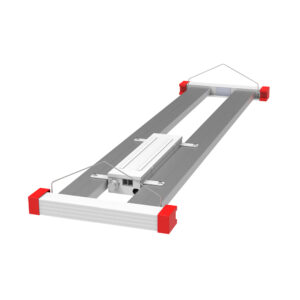
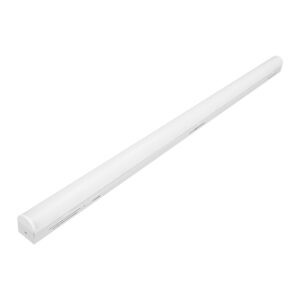
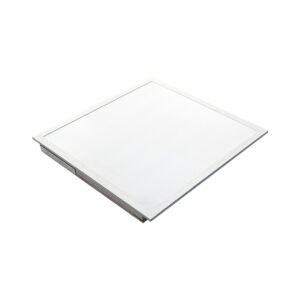
One of the primary advantages of drop ceilings is their ability to accommodate a variety of lighting fixtures, including recessed lights, LED panels, and pendant lights, each providing unique aesthetic and functional benefits. Recessed lights, for instance, create a sleek, unobtrusive look that can enhance the spaciousness of a room, while LED panels offer uniform light distribution and energy savings. Furthermore, pendant lights can serve as focal points in a space, adding character and style. The choice of fixtures can significantly impact the overall ambiance and functionality of the environment, making it essential for contractors to stay informed about the latest trends and technologies in lighting design.
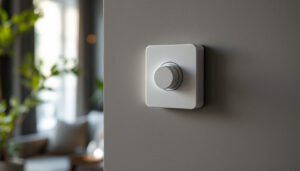
In addition to the aesthetic considerations, drop ceiling lighting systems can also be tailored to meet specific functional needs. For example, in environments such as offices or classrooms, lighting can be designed to reduce glare and enhance visual comfort, which is crucial for productivity and learning. Moreover, the integration of smart lighting controls allows for dynamic adjustments based on occupancy and natural light levels, providing both convenience and energy savings. As the demand for sustainable building practices continues to grow, contractors must also be adept at selecting energy-efficient fixtures and understanding the implications of lighting on overall building performance, including compliance with local energy codes and certifications.
Understanding the Unique Challenges of Drop Ceiling Lighting
Accessibility and Space Constraints
One of the primary challenges in drop ceiling lighting is the limited space above the ceiling grid. Contractors must navigate tight spaces filled with ductwork, wiring, and structural elements. This requires precision tools that can operate in confined areas without damaging existing infrastructure. The complexity of these installations often necessitates a thorough understanding of the building’s layout, as well as the ability to foresee potential obstacles that may arise during the installation process.
Moreover, the accessibility of fixtures for maintenance or replacement is often limited. Choosing lighting fixtures that are easy to install and remove, along with the right tools, can significantly reduce labor time and costs. Additionally, the design of the drop ceiling itself can impact how easily technicians can access these fixtures. For example, using modular panels that can be easily lifted or removed can facilitate quicker repairs and upgrades, ensuring that the lighting system remains functional and efficient over time. This foresight in planning can save both time and money, making it a crucial consideration for any contractor involved in drop ceiling installations.
Compliance with Electrical and Building Codes
Lighting contractors must ensure that all installations comply with local electrical codes and building regulations. This includes adherence to fire safety standards, proper grounding, and correct wiring methods. Tools that assist in verifying compliance, such as circuit testers and multimeters, are indispensable for ensuring safe and code-compliant installations. Additionally, staying updated on changes in regulations is vital, as codes can evolve to address new safety concerns or technological advancements in lighting.
Furthermore, understanding the nuances of energy efficiency standards is becoming increasingly important. Many regions have adopted stricter regulations aimed at reducing energy consumption, which can influence the types of fixtures that are permissible in drop ceiling applications. Contractors must be well-versed in these standards to recommend the most efficient lighting solutions, such as LED fixtures that not only meet code requirements but also offer long-term cost savings through reduced energy usage. This knowledge not only enhances the safety and compliance of the installation but also positions contractors as informed professionals in a competitive market.
Essential Tools for Drop Ceiling Lighting Installation
1. Laser Distance Measurer
Accurate measurements are foundational to any lighting project. Laser distance measurers allow contractors to quickly and precisely measure ceiling heights, fixture spacing, and distances between electrical boxes. This tool reduces human error and speeds up layout planning, especially in large commercial spaces where precision is paramount. With the ability to store multiple measurements, some advanced models even allow for quick calculations of area and volume, making them invaluable for estimating material needs and costs. Additionally, many laser distance measurers come equipped with Bluetooth capabilities, enabling seamless data transfer to smartphones or tablets for further analysis and planning.
2. Recessed Lighting Cutout Tools
Installing recessed lights in drop ceilings requires clean, precise cutouts in ceiling tiles or drywall panels. Specialized hole saws and rotary cutting tools designed for ceiling materials ensure smooth edges and reduce the risk of damaging tiles. Some advanced models come with dust collection attachments, maintaining a clean work environment. Furthermore, these tools often feature adjustable cutting depths, allowing for versatility in various ceiling thicknesses. This adaptability is particularly beneficial when working in older buildings where ceiling materials may differ significantly from modern standards, ensuring that even the most challenging installations can be completed with a professional finish.
3. Wire Strippers and Crimpers
Electrical connections must be secure and reliable. High-quality wire strippers and crimpers designed for various wire gauges streamline the process of preparing and connecting wires. Ergonomic designs reduce hand fatigue during repetitive tasks, increasing productivity and safety. Some models also include built-in measurement guides for stripping lengths, which can save time and ensure consistency across multiple connections. Additionally, investing in color-coded tools can help contractors quickly identify the right tool for the job, further enhancing efficiency and reducing the risk of errors during installation.
4. Circuit Testers and Multimeters
Before and after installation, verifying electrical circuits is crucial. Circuit testers quickly identify live wires, while multimeters provide detailed measurements of voltage, current, and resistance. These tools help contractors troubleshoot issues, confirm proper wiring, and ensure the safety of the installation. Many multimeters now come with advanced features such as data logging and the ability to measure temperature, which can be particularly useful in diagnosing problems related to overheating or faulty connections. Moreover, some models offer audible alerts for specific readings, making it easier to monitor conditions without needing to constantly check the display.
5. LED Lighting Installation Kits
Modern drop ceiling lighting often involves LED fixtures, which require specific connectors, mounting brackets, and drivers. Comprehensive LED installation kits include all necessary components, simplifying the installation process and reducing the likelihood of missing parts on site. These kits often come with detailed instructions and diagrams, making them accessible even for less experienced contractors. Additionally, some kits include energy-efficient drivers that can help reduce overall energy consumption, aligning with sustainability goals and potentially lowering utility costs for clients. The integration of smart technology in some LED kits also allows for remote control and dimming capabilities, enhancing the functionality of the lighting system.
6. Cordless Power Tools
Portability and ease of use are vital when working in ceiling spaces. Cordless drills and impact drivers with compact designs allow contractors to work efficiently without the constraints of power cords. Battery life and power output are important considerations when selecting these tools. Modern lithium-ion batteries provide longer run times and faster charging, enabling contractors to complete jobs without frequent interruptions. Additionally, many cordless tools now feature brushless motors, which offer greater efficiency and durability, making them a worthwhile investment for professionals who rely on these tools daily. The lightweight design of these tools also reduces strain during overhead work, enhancing overall productivity.
7. Inspection Cameras and Flashlights
Inspecting the ceiling cavity for wiring paths, obstructions, or damage is easier with inspection cameras. These devices provide visual access to hard-to-reach areas, enabling contractors to plan installations and identify potential issues. High-lumen flashlights complement this by illuminating dark spaces during work. Some inspection cameras come with flexible cables and adjustable lenses, allowing for a more comprehensive view of complex wiring layouts. Additionally, many models now feature Wi-Fi connectivity, enabling real-time streaming and sharing of footage with clients or team members for collaborative decision-making. This integration of technology not only enhances the inspection process but also improves communication and transparency throughout the project.
Advanced Tools and Technologies Enhancing Drop Ceiling Lighting
Smart Lighting Control Systems
Integration of smart lighting controls is becoming increasingly common in commercial projects. Tools that assist in programming and testing these systems, such as wireless signal testers and configuration software, are valuable for contractors specializing in modern lighting solutions.
Thermal Imaging Cameras
Thermal imaging can detect overheating components or poor connections within lighting fixtures and wiring. This technology helps contractors identify potential fire hazards or inefficiencies before they become serious problems, enhancing safety and reliability.
3D Modeling and Layout Software
Before physical installation, many contractors use 3D modeling software to design lighting layouts within drop ceilings. These tools allow for visualization of fixture placement, light distribution, and integration with other ceiling elements. Software that supports BIM (Building Information Modeling) can also streamline coordination with other trades.
Best Practices for Lighting Contractors Working with Drop Ceilings
Planning and Coordination
Successful drop ceiling lighting projects start with thorough planning. Contractors should collaborate closely with architects, electricians, and HVAC professionals to ensure that lighting fixtures do not interfere with other ceiling components. Early coordination helps avoid costly rework and delays.
Prioritizing Energy Efficiency
With increasing emphasis on sustainability, contractors should prioritize energy-efficient lighting solutions such as LED fixtures and occupancy sensors. Selecting tools and products that support these technologies not only meets client expectations but also aligns with regulatory incentives and standards.
Ensuring Safety and Ergonomics
Working above drop ceilings can pose ergonomic and safety challenges. Contractors should use tools that minimize physical strain and adhere to safety protocols, including the use of proper ladders, harnesses, and protective equipment. Regular training on tool use and safety practices is essential.
Conclusion: Equipping for Success in Drop Ceiling Lighting
For lighting contractors, mastering the installation and maintenance of drop ceiling lighting requires a blend of technical knowledge, precision tools, and strategic planning. Modern tools—from laser measurers to thermal cameras—enhance accuracy, safety, and efficiency, enabling contractors to deliver superior results.
Staying updated with the latest technologies and best practices not only improves project outcomes but also positions contractors as trusted experts in a competitive market. By investing in the right tools and continuously refining skills, lighting contractors can confidently tackle the complexities of modern drop ceiling lighting installations.
Discover Unmatched Value with LumenWholesale Lighting
Ready to elevate your drop ceiling lighting installations with the best tools in the trade? Look no further than LumenWholesale for a comprehensive range of top-quality, spec-grade lighting products. Our unbeatable wholesale prices, combined with free shipping on bulk orders, ensure that you get the most value for your investment. Say goodbye to inflated markups and hello to reliable, high-performance lighting that meets the highest industry standards. Take the next step in enhancing your lighting projects by visiting Wholesale Lighting at the Best Value and experience the LumenWholesale difference today.