Understanding the Role of Lamp Mounting Plates in Lighting Installations
In the world of lighting projects, every component plays a critical role in ensuring both functionality and aesthetics. Among these components, the lamp mounting plate often goes unnoticed, yet it is a fundamental element that can determine the success or failure of a lighting installation. For lighting contractors, recognizing the importance of the lamp mounting plate is essential to delivering high-quality, safe, and durable lighting solutions.
A lamp mounting plate serves as the structural interface between the lighting fixture and the building’s electrical system. It provides a secure base for attaching lamps, ensuring that they remain stable and properly aligned. Without a reliable mounting plate, fixtures may suffer from misalignment, vibration, or even detachment, which can compromise safety and performance.
What Exactly Is a Lamp Mounting Plate?
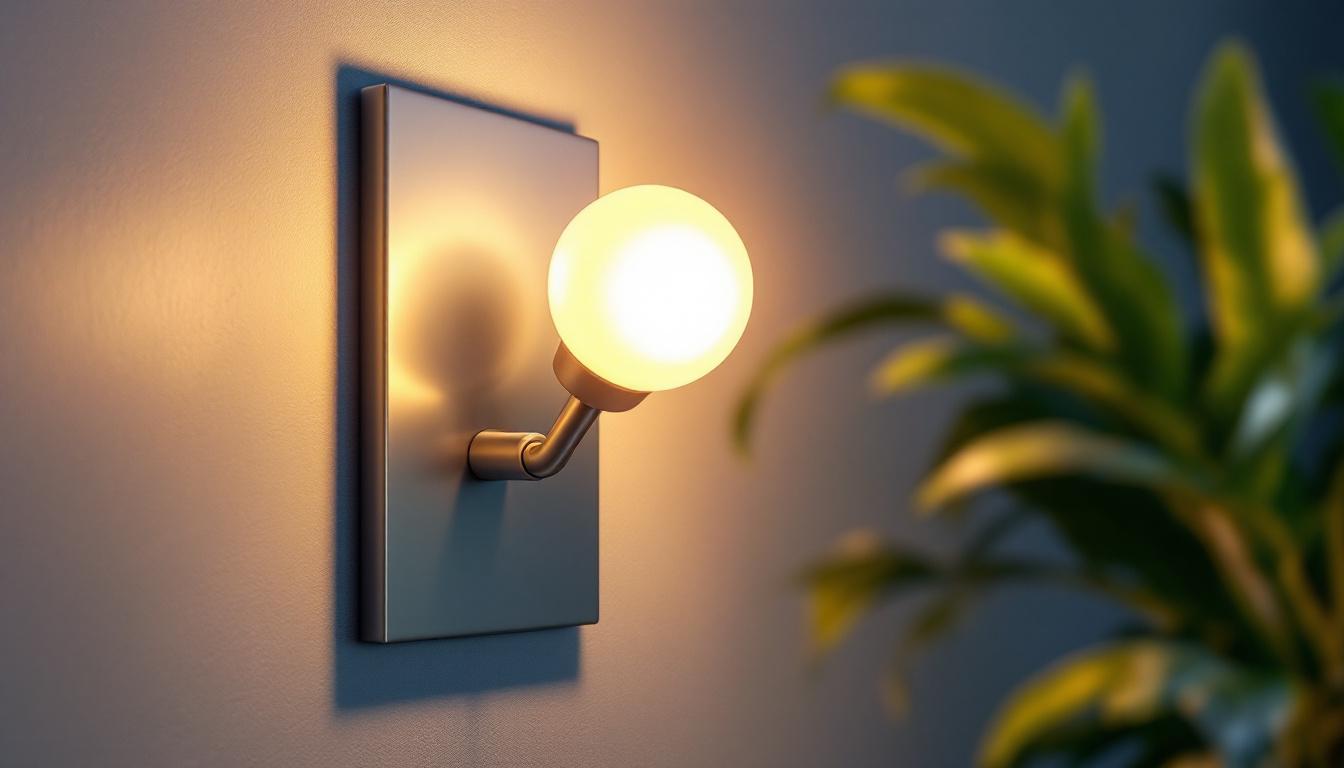
A lamp mounting plate is typically a flat or slightly contoured metal or composite plate designed to attach to an electrical box or directly to a surface such as a wall or ceiling. It features pre-drilled holes or slots to accommodate screws, bolts, or other fasteners, allowing the lighting fixture to be securely mounted. Some mounting plates also incorporate features for wire management, grounding, or additional support for heavier fixtures.
While seemingly simple, the design and material choice of a mounting plate can significantly impact installation efficiency and fixture longevity. For example, steel plates offer robust strength and durability, whereas aluminum plates provide corrosion resistance and lighter weight, beneficial in certain environments. Furthermore, the thickness of the mounting plate can influence its ability to withstand environmental factors such as humidity or temperature fluctuations, making it crucial to select the right type for the specific installation context.
Additionally, the versatility of lamp mounting plates extends beyond mere functionality; they can also enhance the aesthetic appeal of a lighting installation. Many modern designs incorporate sleek finishes or decorative elements that complement the overall decor of a space. This attention to detail not only elevates the visual impact of the lighting but also provides an opportunity for designers to express creativity through lighting solutions. As such, selecting the right mounting plate can be as much about style as it is about structural integrity, making it an essential consideration for both contractors and designers alike.
Why Lamp Mounting Plates Are Often Overlooked
Despite their importance, lamp mounting plates are frequently overlooked in the planning and procurement stages of lighting projects. This oversight can stem from several factors:
- Perceived Simplicity: Because mounting plates are often standard components, contractors may assume that any plate will suffice without considering specific project requirements.
- Focus on Fixtures and Bulbs: The visual and functional appeal of lighting fixtures and the efficiency of bulbs often dominate attention, pushing mounting hardware to the background.
- Project Time Constraints: Under tight deadlines, detailed evaluation of mounting solutions may be sacrificed for speed, increasing the risk of suboptimal choices.
Ignoring the mounting plate can lead to complications such as improper fixture alignment, increased installation time, and even safety hazards due to insecure attachments. In some cases, this can result in costly rework or liability issues if fixtures fail.
Real-World Consequences of Neglecting Mounting Plates
Consider a commercial lighting retrofit where contractors used generic mounting plates without verifying compatibility with new LED fixtures. The result was uneven fixture alignment and difficulty securing the units, causing delays and additional labor costs. Furthermore, in one instance, a poorly mounted fixture became loose, posing a safety risk to occupants and necessitating emergency repairs.
These examples underscore the critical need for careful selection and installation of lamp mounting plates tailored to each project’s specific demands. Additionally, the choice of material and design of the mounting plate can significantly impact the overall performance and longevity of the lighting installation. For example, using corrosion-resistant materials in environments with high humidity can prevent premature failure, while adjustable mounting plates can offer flexibility in fixture positioning, accommodating various ceiling heights and designs. Such considerations not only enhance the aesthetic appeal of the lighting but also ensure that the fixtures operate safely and efficiently over time.
Moreover, the integration of modern technologies, such as smart lighting systems, further complicates the mounting plate selection process. As lighting solutions become more sophisticated, the mounting hardware must also adapt to support features like wireless controls and energy management systems. This evolution necessitates a more comprehensive understanding of how mounting plates interact with these advanced technologies, ensuring that all components work harmoniously together. By prioritizing these details, project managers can avoid potential pitfalls and create a lighting solution that is both functional and visually appealing.
Key Factors to Consider When Selecting a Lamp Mounting Plate
Choosing the right lamp mounting plate involves more than picking a standard part off the shelf. Lighting contractors should evaluate several key factors to ensure optimal performance and compliance with safety standards.
Material and Durability
The mounting plate material must match the environmental conditions and load requirements of the fixture. Steel plates, often galvanized or powder-coated, provide excellent strength and resistance to mechanical stress. Aluminum plates offer corrosion resistance, making them suitable for outdoor or humid environments.
In environments prone to moisture, chemical exposure, or extreme temperatures, selecting a mounting plate with appropriate protective finishes or made from corrosion-resistant alloys can extend the lifespan of the installation.
Compatibility with Fixtures and Electrical Boxes
Mounting plates must be compatible with both the lighting fixture and the electrical box or mounting surface. This includes matching hole patterns, screw sizes, and ensuring the plate can support the fixture’s weight and dimensions.
Many manufacturers provide detailed specifications and mounting templates to assist contractors in verifying compatibility. Utilizing these resources can prevent installation issues and reduce the risk of damage to fixtures or wiring.
Ease of Installation and Adjustability
Mounting plates that allow for some degree of adjustability can greatly simplify installation, especially in retrofit projects where exact alignment is challenging. Features such as slotted holes or swivel mechanisms enable fine-tuning of fixture positioning without requiring re-drilling or additional hardware.
Time saved during installation translates directly into cost savings and improved project timelines, making adjustable mounting plates a valuable asset for contractors.
Compliance with Safety and Building Codes
Lighting installations must adhere to local electrical codes and safety standards, including those related to grounding, load capacity, and fire resistance. Mounting plates should be certified or tested to meet these requirements, ensuring that the entire lighting assembly is safe and code-compliant.
Contractors should verify that mounting plates carry appropriate certifications and consult with local authorities or inspectors when in doubt.
Innovations and Trends in Lamp Mounting Plates
As lighting technology evolves, so do the components that support it. Recent innovations in lamp mounting plates reflect the industry’s push toward greater efficiency, safety, and adaptability.
Integration with Smart Lighting Systems
Modern mounting plates are increasingly designed to accommodate smart lighting components, such as sensors, wireless modules, and adjustable drivers. Some plates feature built-in channels or compartments for wiring and control devices, simplifying installation and maintenance.
This integration supports the growing demand for connected lighting solutions in commercial and residential settings, enabling contractors to offer advanced systems without complex retrofitting.
Modular and Universal Designs
To address the challenge of fixture diversity, manufacturers are developing modular mounting plates that can adapt to various fixture types and sizes. Universal plates with adjustable brackets and multiple mounting points reduce the need for custom fabrication and inventory complexity.
Such designs empower contractors to handle a wider range of projects with fewer parts, improving efficiency and reducing costs.
Eco-Friendly Materials and Manufacturing
Environmental considerations are influencing the choice of materials and production methods for mounting plates. Recycled metals, low-impact coatings, and sustainable manufacturing processes are becoming more common, aligning with green building standards and client expectations.
Contractors who prioritize eco-friendly components can enhance their marketability and contribute to sustainable construction practices.
Best Practices for Installing Lamp Mounting Plates
Proper installation of lamp mounting plates is critical to ensuring the safety and longevity of lighting fixtures. Lighting contractors should follow established best practices to achieve optimal results.
Pre-Installation Planning
Before installation, review all project specifications, fixture requirements, and mounting plate documentation. Confirm that the selected plate matches the fixture’s weight, size, and mounting pattern. Inspect the mounting surface and electrical box to ensure they are secure and capable of supporting the load.
Planning also includes verifying that all necessary tools and hardware are available, and that any special installation instructions are understood.
Secure Attachment and Alignment
Attach the mounting plate firmly to the electrical box or surface using appropriate fasteners. Use a level to ensure the plate is perfectly aligned, as even slight deviations can affect fixture positioning and light distribution.
When possible, use locking washers or thread-locking compounds to prevent loosening over time due to vibration or thermal expansion.
Wire Management and Safety Checks
Organize and secure wiring to prevent strain or damage during and after fixture installation. Ensure that grounding connections are properly established according to electrical codes.
After mounting the plate and fixture, conduct thorough safety checks, including verifying mechanical stability and electrical continuity. Testing before finalizing the installation can prevent future failures and safety hazards.
Conclusion: Elevating Lighting Projects with the Right Mounting Plate
For lighting contractors, the lamp mounting plate is far more than a simple accessory—it is a critical component that underpins the entire lighting installation. By understanding its role, carefully selecting the appropriate plate, and following best installation practices, contractors can enhance project quality, reduce risks, and improve client satisfaction.
In an industry where precision, safety, and efficiency are paramount, giving due attention to the lamp mounting plate can transform lighting projects from merely functional to truly exceptional. As lighting technology continues to advance, embracing innovative mounting solutions will position contractors at the forefront of the field, ready to meet the evolving demands of modern lighting design.
Discover Unmatched Quality and Value with LumenWholesale
Ready to elevate your lighting projects with the right lamp mounting plate? Look no further than LumenWholesale, where we offer an extensive selection of spec-grade lighting products designed to meet the highest industry standards. With our commitment to quality, affordability, and convenience, you’ll find everything you need to ensure your installations shine. Take advantage of our unbeatable wholesale prices, hassle-free bulk buying, and free shipping. Don’t let hidden fees or inflated markups dim your project’s potential. Experience the LumenWholesale difference today and make your next lighting project exceptional. Wholesale Lighting at the Best Value.