Understanding the Critical Role of Lighting in Restaurants
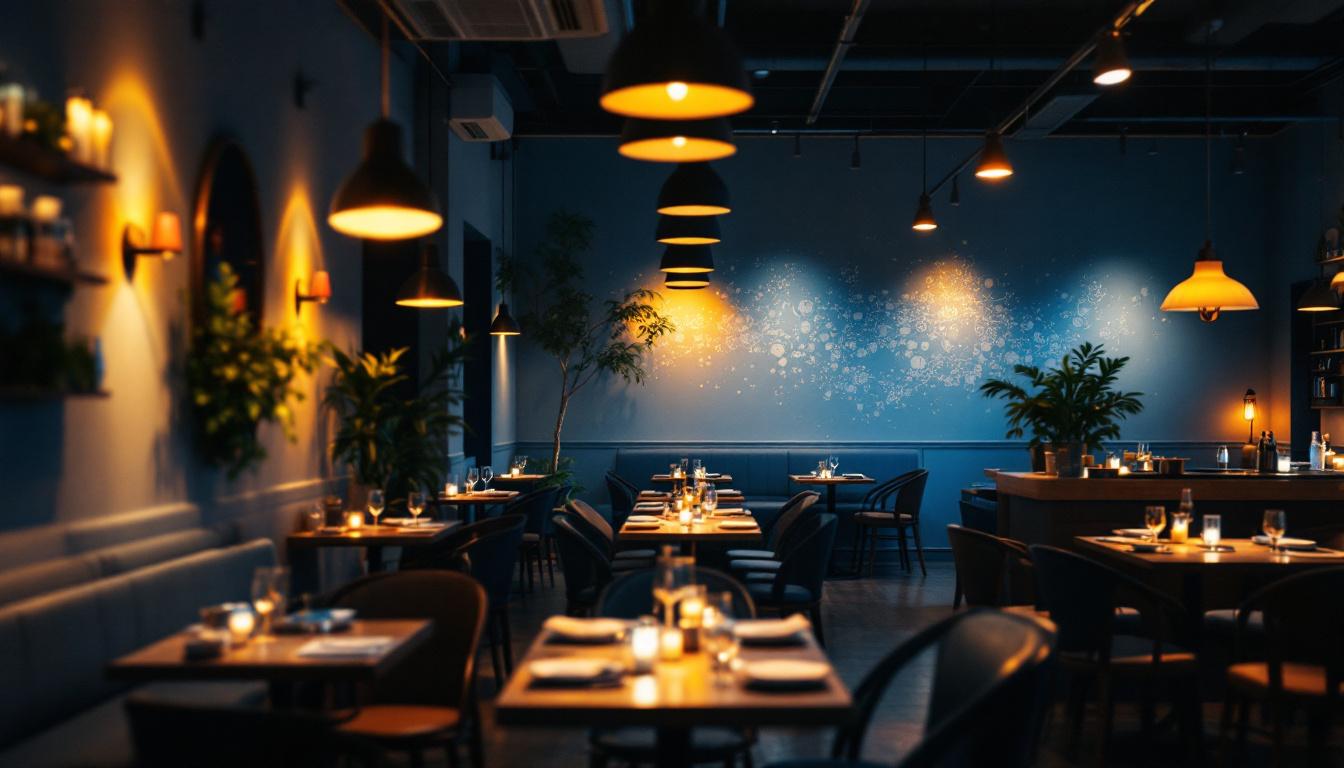
Lighting in restaurants is far more than a mere functional necessity. It shapes the atmosphere, influences customer behavior, and even impacts operational efficiency. For lighting contractors, grasping this multifaceted role is essential to delivering solutions that elevate the dining experience and meet the unique demands of restaurant environments.
Restaurants rely heavily on lighting to create ambiance, highlight design elements, and ensure comfort for both patrons and staff. The right lighting can increase table turnover, enhance food presentation, and contribute to the overall brand identity. Conversely, poor lighting choices can detract from the dining experience, leading to dissatisfied customers and lost revenue.
Given these stakes, lighting contractors must approach restaurant projects with a nuanced understanding of how lighting interacts with space, color, and human psychology. This foundational knowledge helps avoid common pitfalls that can undermine even the most technically sound installations.
Moreover, the strategic use of lighting can serve as a storytelling mechanism, guiding diners through their culinary journey. For instance, a gradual transition from bright, energizing light during lunch hours to softer, warmer tones in the evening can evoke a sense of relaxation and intimacy as the day progresses. This dynamic approach not only enhances the mood but also aligns with the natural rhythms of dining, encouraging guests to linger longer and enjoy their meals. Additionally, the use of accent lighting can draw attention to signature dishes or unique architectural features, creating focal points that captivate diners and enhance their overall experience.
In the realm of sustainability, modern lighting solutions also offer restaurants an opportunity to reduce energy consumption while maintaining an inviting atmosphere. LED technology, for instance, not only provides versatility in color temperature and intensity but also significantly lowers operational costs over time. By integrating smart lighting systems that adjust based on occupancy or time of day, restaurants can further optimize their energy use, contributing to both environmental responsibility and improved bottom lines. As the culinary landscape continues to evolve, the role of lighting will undoubtedly remain a pivotal element in crafting memorable dining experiences that resonate with guests long after they leave the table.
Common Mistakes Lighting Contractors Make in Restaurant Projects
1. Neglecting the Importance of Layered Lighting
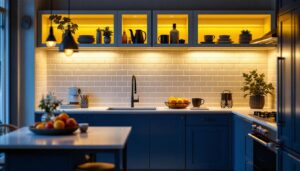
One of the most frequent errors is relying solely on a single type of lighting, such as overhead fixtures, without incorporating layered lighting techniques. Layered lighting involves combining ambient, task, and accent lighting to create a balanced and dynamic environment.
In restaurants, ambient lighting provides general illumination, task lighting supports activities like reading menus or food preparation, and accent lighting highlights architectural features or artwork. Ignoring this layering can result in flat, uninspiring spaces that fail to engage customers or meet functional needs.
Lighting contractors should design with multiple layers in mind, ensuring flexibility and adaptability. For example, dimmable ambient lighting paired with adjustable task lights can accommodate different times of day and dining scenarios, enhancing both comfort and aesthetics.
2. Overlooking the Impact of Color Temperature
Color temperature plays a pivotal role in setting the mood and influencing how food appears. Warm light (typically around 2700K to 3000K) tends to create a cozy, inviting atmosphere, while cooler light can feel sterile and unwelcoming.
Contractors often fall into the trap of selecting lighting based on fixture availability or cost rather than considering the psychological and visual effects of color temperature. For instance, a seafood restaurant might benefit from cooler lighting to emphasize freshness, whereas a steakhouse might prefer warmer tones to evoke comfort and richness.
Moreover, inconsistent color temperatures within the same space can confuse the eye and disrupt the ambiance. Ensuring uniformity and appropriateness of color temperature across all lighting elements is crucial for a cohesive dining experience.
3. Ignoring Glare and Shadows
Glare and harsh shadows are common complaints in poorly lit restaurants. These issues not only cause discomfort but can also make it difficult for customers to read menus or see their food clearly.
Lighting contractors sometimes prioritize brightness over quality, installing fixtures that produce direct, intense light without proper diffusion or shielding. This approach can create hotspots and uneven illumination, detracting from the overall experience.
To mitigate glare and shadows, contractors should use fixtures with appropriate beam angles, incorporate diffusers or frosted lenses, and strategically position lights to minimize direct line-of-sight exposure. Additionally, testing lighting setups in situ before final installation can help identify and resolve these issues early.
4. Failing to Account for Energy Efficiency and Maintenance
Restaurants operate on tight margins, making energy consumption and maintenance costs critical considerations. Lighting contractors sometimes overlook the long-term operational impact of their choices, focusing primarily on upfront costs or aesthetics.
Choosing energy-efficient LED fixtures with long lifespans and low heat output can significantly reduce utility bills and maintenance frequency. Furthermore, integrating smart controls such as dimmers, occupancy sensors, and programmable timers can optimize energy use without compromising ambiance.
Contractors should also consider ease of access for bulb replacement and fixture cleaning, especially in high-ceiling or hard-to-reach areas. Designing with maintenance in mind prevents costly disruptions and ensures consistent lighting quality over time.
5. Disregarding the Influence of Natural Light
Natural light is a valuable asset in restaurant design, offering dynamic illumination that changes throughout the day and enhances the dining environment. However, contractors often fail to integrate natural light considerations into their lighting plans.
Ignoring windows, skylights, and other sources of daylight can lead to over-illumination during daytime hours or insufficient lighting when natural light fades. Additionally, uncontrolled sunlight can cause glare or heat gain, negatively affecting comfort and energy use.
Effective lighting design involves assessing natural light patterns and incorporating adjustable artificial lighting that complements rather than competes with daylight. Employing shading devices, light shelves, or automated blinds can further optimize the interplay between natural and artificial light.
Best Practices for Lighting Contractors in Restaurant Projects
Conduct Comprehensive Site Assessments
Before selecting fixtures or designing layouts, contractors should perform thorough site evaluations. Understanding the restaurant’s architectural features, existing lighting infrastructure, and natural light availability informs more tailored and effective solutions.
Engaging with restaurant owners and managers during this phase helps clarify operational needs, brand identity goals, and customer demographics. This collaboration ensures that lighting designs align with the restaurant’s vision and practical requirements.
Prioritize Flexibility and Control
Restaurants often require adaptable lighting to accommodate different times of day, special events, and varying customer moods. Installing lighting systems with adjustable controls—such as dimmers, color tunability, and scene settings—empowers staff to modify ambiance easily.
Smart lighting technologies that integrate with building management systems or mobile apps provide additional convenience and precision. Contractors should specify and install controls that are intuitive and reliable to maximize user adoption and satisfaction.
Focus on Human-Centric Lighting Design
Human-centric lighting considers the biological and psychological effects of light on people. For restaurants, this means creating environments that not only look appealing but also support comfort, alertness, and positive social interactions.
Contractors can incorporate circadian-friendly lighting strategies, such as warmer tones in the evening to promote relaxation and cooler tones during lunch hours to enhance alertness. Attention to glare reduction, uniformity, and color rendering index (CRI) also contributes to a more pleasant experience.
Use High-Quality Fixtures and Components
Investing in reputable, high-performance lighting products reduces the risk of premature failures, color shifts, and inconsistent output. Quality fixtures often come with better warranties, improved energy efficiency, and superior aesthetic finishes.
Contractors should balance cost considerations with long-term value, recognizing that cutting corners on lighting components can lead to costly replacements and customer dissatisfaction down the line.
Case Studies Illustrating Lighting Contractors’ Mistakes and Successes
Case Study 1: The Pitfall of Uniform Overhead Lighting
A mid-sized urban bistro installed only recessed ceiling lights to achieve a modern look. While the space was evenly lit, customers reported the atmosphere felt cold and uninviting. Staff struggled with menu readability, and food presentation appeared dull under the flat lighting.
Upon reevaluation, the lighting contractor introduced layered lighting elements, including pendant lights over tables and wall sconces to add warmth and depth. The addition of dimmable controls allowed ambiance adjustments for different service periods, resulting in improved customer satisfaction and increased repeat visits.
Case Study 2: Color Temperature Confusion in a Multi-Zone Restaurant
A restaurant with distinct dining zones inadvertently used varying color temperatures—cool white in the bar area and warm white in the dining room—without a cohesive plan. This inconsistency created a disjointed visual experience and confused patrons about the restaurant’s identity.
The lighting contractor corrected this by standardizing the color temperature across all zones to a warm 3000K, enhancing brand consistency and creating a seamless flow throughout the space. The upgrade also improved food appearance and overall ambiance.
Case Study 3: Energy Inefficiency Due to Lack of Controls
A high-volume restaurant installed energy-efficient LED fixtures but neglected to include dimmers or occupancy sensors. As a result, lights remained at full brightness during off-peak hours and in unoccupied spaces, leading to unnecessarily high energy bills.
Retrofitting the lighting system with smart controls enabled automatic dimming and shutoff, reducing energy consumption by over 30%. The contractor’s proactive maintenance plan also extended fixture lifespan and minimized downtime.
Conclusion: Elevating Restaurant Lighting Through Informed Practices
Lighting contractors play a pivotal role in shaping the success of restaurant environments. Avoiding common mistakes—such as neglecting layered lighting, mismanaging color temperature, ignoring glare, overlooking energy efficiency, and disregarding natural light—can dramatically improve outcomes for both clients and end users.
By embracing comprehensive site assessments, prioritizing flexibility, focusing on human-centric design, and selecting high-quality components, contractors can deliver lighting solutions that enhance ambiance, functionality, and sustainability. These best practices not only satisfy restaurant owners but also enrich the dining experience, fostering customer loyalty and business growth.
Ultimately, mastering the art and science of restaurant lighting requires continuous learning, attention to detail, and collaboration with stakeholders. Lighting contractors who commit to these principles position themselves as trusted partners in the vibrant and competitive hospitality industry.
Illuminate Your Projects with LumenWholesale
Ready to elevate your restaurant lighting projects and avoid common pitfalls? At LumenWholesale, we provide lighting contractors with the high-quality, spec-grade lighting products you need to succeed. Our unbeatable wholesale prices and extensive selection ensure you have access to the best lighting solutions that meet the highest industry standards. Say goodbye to inflated markups and hello to hassle-free bulk buying with free shipping. Don’t compromise on quality or value—choose LumenWholesale for a seamless blend of affordability and convenience. Elevate your lighting game and discover wholesale lighting at the best value today.