Understanding the Importance of Proper Under-Cupboard LED Lighting
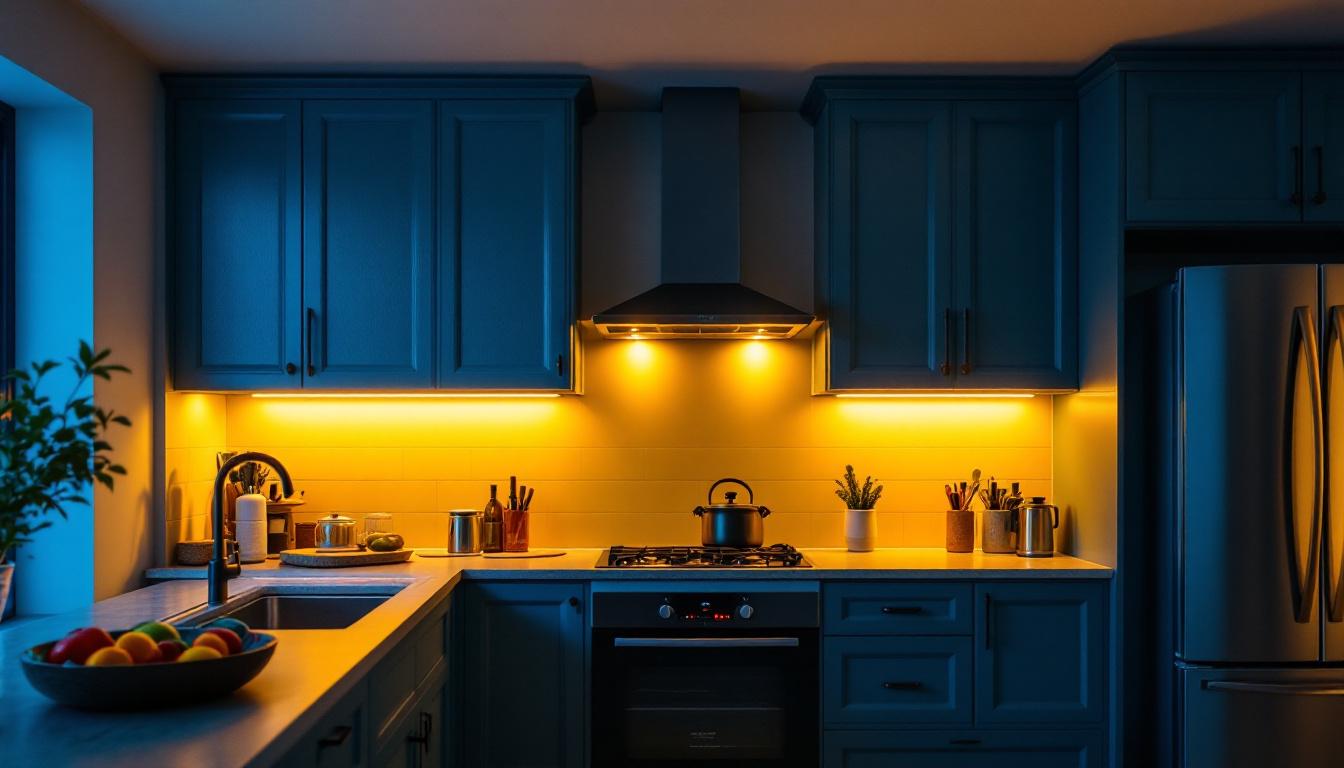
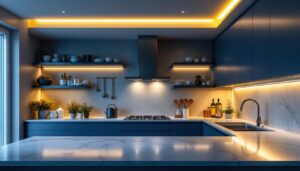
Under-cupboard LED lighting has become a staple in modern kitchen and workspace design, providing both functional illumination and aesthetic appeal. For lighting contractors, mastering the installation and specification of these fixtures is crucial to delivering projects that satisfy clients and stand the test of time. Despite their seemingly straightforward nature, under-cupboard LED lighting projects often present pitfalls that can lead to costly mistakes, from improper wiring to poor fixture selection. Understanding the nuances of these installations ensures efficiency, safety, and client satisfaction.
LED technology offers significant advantages over traditional lighting, including energy efficiency, longer lifespan, and customizable color temperatures. However, these benefits can only be realized when the lighting system is thoughtfully planned and executed. Lighting contractors must balance factors such as brightness, color rendering, placement, and power supply to create an effective under-cupboard lighting solution.
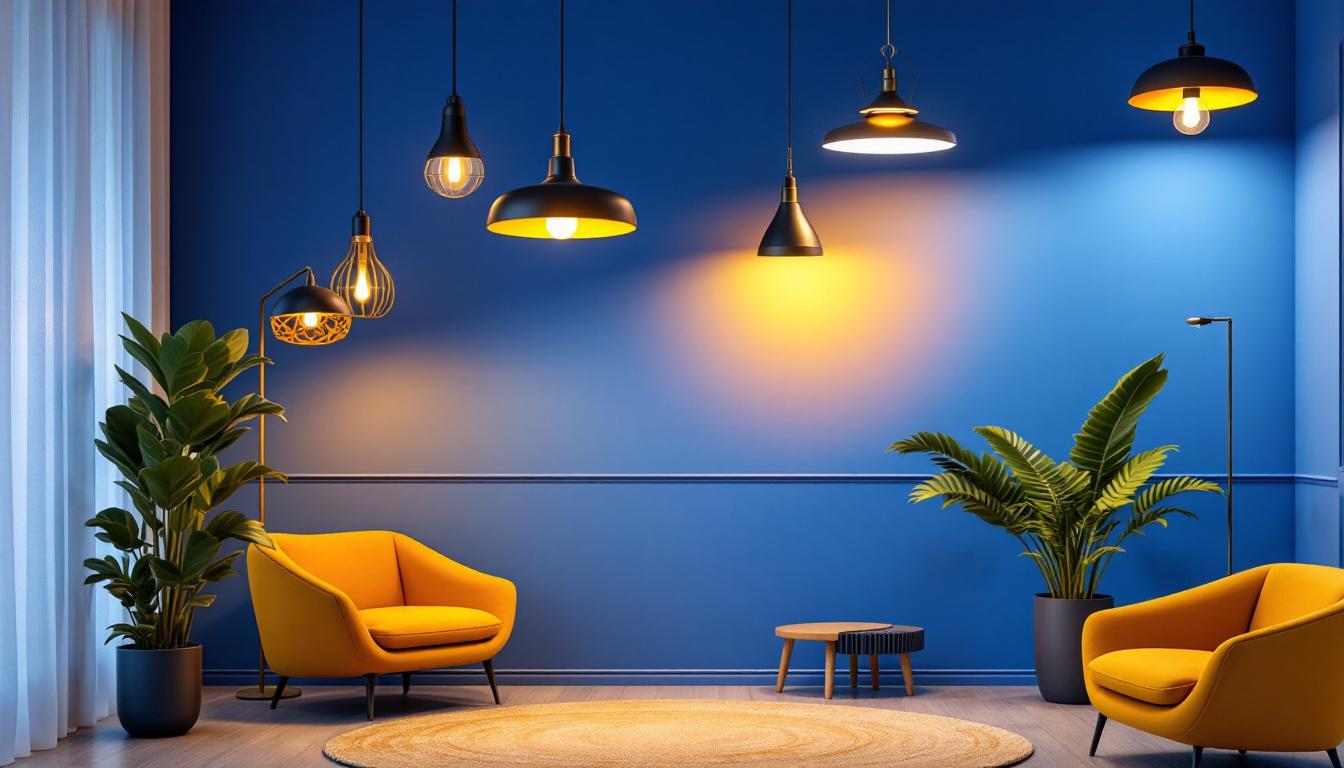
Moreover, the choice of LED fixtures can dramatically influence the overall ambiance of a space. For instance, warm white LEDs can create a cozy and inviting atmosphere, ideal for kitchens where families gather, while cool white LEDs may be more suitable for workspaces that require a sharper focus and clarity. Additionally, dimmable options can offer versatility, allowing users to adjust the lighting according to the time of day or the specific task at hand. This adaptability not only enhances functionality but also contributes to energy savings, as users can reduce brightness when full illumination is unnecessary.
Another critical aspect to consider is the integration of under-cupboard lighting with other elements of the kitchen or workspace design. For example, pairing LED strips with smart home technology can allow for remote control and automation, providing convenience and modernity. Furthermore, the strategic placement of fixtures can help eliminate shadows and dark spots, ensuring that every corner of the workspace is well-lit. This attention to detail not only improves the usability of the space but also elevates the overall design aesthetic, making it essential for contractors to stay informed about the latest trends and technologies in lighting design.
Common Costly Mistakes in Under-Cupboard LED Lighting Projects
1. Inadequate Planning and Measurement
One of the most frequent errors contractors make is insufficient planning before installation. Under-cupboard spaces vary widely in size and shape, and failing to measure accurately can result in uneven lighting or fixtures that do not fit properly. For example, installing LED strips that are too long or too short can lead to awkward cuts or unsightly gaps.
Additionally, neglecting to consider the location of power sources and switches can complicate wiring and increase labor costs. A thorough site survey and precise measurements are essential to avoid these issues. Taking the time to create a detailed layout plan can help visualize the installation and ensure that every aspect is accounted for. This includes considering the placement of cabinets, appliances, and even decorative elements that may influence how light is distributed throughout the space. Moreover, using tools like laser measuring devices can enhance accuracy and save time during the planning phase.
2. Choosing the Wrong LED Fixtures
Not all LED lights are created equal, and selecting the wrong type of fixture can compromise both performance and durability. Some contractors opt for cheaper, low-quality LED strips or puck lights that may have poor color rendering or insufficient brightness. This can result in a lighting effect that is either too harsh or too dim, failing to meet the functional needs of the space.
Furthermore, fixtures lacking proper IP ratings may not withstand the humidity and occasional splashes common in kitchen environments, leading to premature failure and costly replacements. It’s also important to consider the beam angle of the fixtures; a narrow beam may not provide adequate coverage, while a wide beam can create unwanted shadows. Investing in higher-quality fixtures with adjustable features can enhance versatility and allow for customized lighting solutions that cater to various tasks, from cooking to entertaining.
3. Ignoring Color Temperature and CRI
The color temperature and Color Rendering Index (CRI) of LED lights significantly impact the ambiance and functionality of under-cupboard lighting. Using lights with a color temperature that is too cool (blueish) or too warm (yellowish) can clash with the overall kitchen design and affect how colors appear on surfaces.
Low CRI LEDs distort colors, which is particularly problematic in kitchens where accurate color perception is important for food preparation. Lighting contractors must specify LEDs with a CRI of 80 or higher to ensure natural, vibrant illumination. Additionally, considering the color temperature in relation to the time of day can enhance the kitchen’s atmosphere; warmer tones may be more inviting during evening meals, while cooler tones can provide a refreshing feel during daytime cooking. Experimenting with different color temperatures can help achieve a balance that complements both the kitchen’s aesthetic and its functionality.
4. Poor Wiring and Power Management
Electrical errors are a major source of costly setbacks. Overloading circuits, using inappropriate wire gauges, or failing to secure connections can lead to flickering lights, shorts, or even fire hazards. Additionally, neglecting to incorporate dimmers or smart controls can limit the functionality and energy savings of the lighting system.
Contractors should adhere strictly to electrical codes and manufacturer guidelines, and consider integrating low-voltage systems with appropriate transformers to optimize safety and performance. Furthermore, planning for future upgrades or expansions can save time and money down the line. For instance, installing additional outlets or conduits during the initial setup can facilitate easy modifications later, allowing homeowners to adapt their lighting as needs change. Incorporating energy-efficient practices, such as using occupancy sensors or timers, can also enhance the overall efficiency of the lighting system, reducing both energy consumption and utility bills.
Best Practices for Successful Under-Cupboard LED Lighting Installations
Comprehensive Site Assessment and Design
Before selecting fixtures or beginning installation, conduct a detailed assessment of the space. This includes measuring the length and depth of the cupboards, identifying potential obstructions, and noting the location of existing electrical outlets and switches.
Use this information to create a lighting plan that ensures even coverage and minimizes shadows. Consider the tasks performed in the area—such as chopping, cooking, or reading recipes—to determine the appropriate brightness level, usually measured in lumens per square foot. Additionally, think about the overall aesthetic of your kitchen; the lighting should not only be functional but also enhance the visual appeal of the space. Experiment with different layouts, perhaps using software or apps designed for lighting design, to visualize how various configurations will affect the ambiance and usability of the kitchen.
Selecting High-Quality, Suitable Fixtures
Choose LED products designed specifically for under-cupboard use. Look for fixtures with high CRI values (above 80) and color temperatures between 2700K and 3500K for warm to neutral white light that complements most kitchen designs.
Water-resistant or damp-rated fixtures are advisable in kitchens to prevent damage from moisture. Additionally, opt for fixtures with integrated diffusers to avoid glare and create a smooth, even light distribution. Consider the style of the fixtures as well; sleek, modern designs may suit contemporary kitchens, while more traditional styles might be better suited for classic designs. Furthermore, explore options for adjustable fixtures that allow you to direct light where it’s needed most, enhancing both functionality and flexibility in your kitchen lighting scheme.
Proper Electrical Installation and Safety Compliance
Ensure all wiring complies with local electrical codes and standards. Use the correct gauge wires and connectors, and secure all connections to prevent loosening over time. Incorporating dimmable drivers or smart lighting controls can enhance user experience and energy efficiency.
Test the system thoroughly before finalizing the installation, checking for flickers, voltage drops, and proper operation of switches and dimmers. Document the installation details for future maintenance or troubleshooting. Additionally, consider the long-term implications of your lighting choices; opting for energy-efficient LED options not only reduces your carbon footprint but can also lead to significant savings on your energy bills over time. Keep in mind that regular maintenance, such as cleaning fixtures and checking connections, will ensure the longevity and performance of your under-cupboard lighting, keeping your kitchen bright and welcoming for years to come.
Enhancing Project Value with Advanced LED Lighting Features
Smart Lighting Integration
Integrating smart controls into under-cupboard LED lighting can significantly increase the value and appeal of a project. Features such as voice activation, remote dimming, and programmable scenes allow users to customize their lighting environment effortlessly.
For contractors, offering smart lighting solutions can differentiate their services and meet the growing demand for connected home technologies. Ensure compatibility between LED fixtures and smart controllers, and provide clear instructions for setup and use.
Energy Efficiency and Sustainability
LED lighting is inherently energy-efficient, but optimizing the system further can reduce operational costs and environmental impact. Select fixtures with high luminous efficacy (lumens per watt) and incorporate sensors or timers to minimize unnecessary usage.
Promoting energy-efficient lighting aligns with current sustainability trends and can qualify projects for green building certifications, enhancing the contractor’s reputation and marketability.
Conclusion: Delivering Excellence in Under-Cupboard LED Lighting
Under-cupboard LED lighting projects, when executed with care and expertise, can transform kitchens and workspaces into well-lit, inviting environments. Avoiding common mistakes such as poor planning, incorrect fixture selection, and substandard electrical work is essential to prevent costly rework and ensure client satisfaction.
By adhering to best practices—thorough site assessment, choosing quality products, ensuring electrical safety, and embracing advanced features—lighting contractors can deliver superior results that stand out in a competitive market. Staying informed about the latest LED technologies and installation techniques will further empower contractors to meet evolving client expectations and industry standards.
Get Your Premium Under-Cupboard LED Lighting at LumenWholesale
Ready to elevate your lighting projects with the highest quality under-cupboard LED solutions? Look no further than LumenWholesale for an unbeatable combination of spec-grade lighting products and wholesale pricing. We provide contractors with the reliable, high-performance lighting you need to avoid costly mistakes and exceed client expectations. With free shipping on bulk orders, you can stock up on superior lighting without the hidden fees. Don’t compromise on quality or value—discover wholesale lighting at the best value today and bring excellence to every installation.