Introduction to Standing Solar Lights in Modern Lighting Solutions
Standing solar lights have become a transformative element in outdoor lighting design, offering sustainable, cost-effective, and aesthetically pleasing solutions. For lighting contractors, mastering the integration and installation of these systems is essential to meet growing client demands for eco-friendly and low-maintenance lighting options.
As urban development increasingly emphasizes green infrastructure, standing solar lights provide a practical alternative to traditional wired lighting. Their independence from electrical grids reduces installation complexity and long-term operational costs, making them highly attractive for residential, commercial, and public space projects.
Moreover, the technology behind solar lights has evolved significantly, with advancements in solar panel efficiency and battery storage capabilities. Modern solar lights can harness sunlight even on cloudy days, ensuring reliable performance throughout various weather conditions. This reliability is crucial for clients who seek consistent illumination for safety and aesthetic purposes, particularly in high-traffic areas. Additionally, many standing solar lights now come equipped with motion sensors and adjustable brightness settings, allowing for enhanced security and energy conservation, as they only activate when needed.
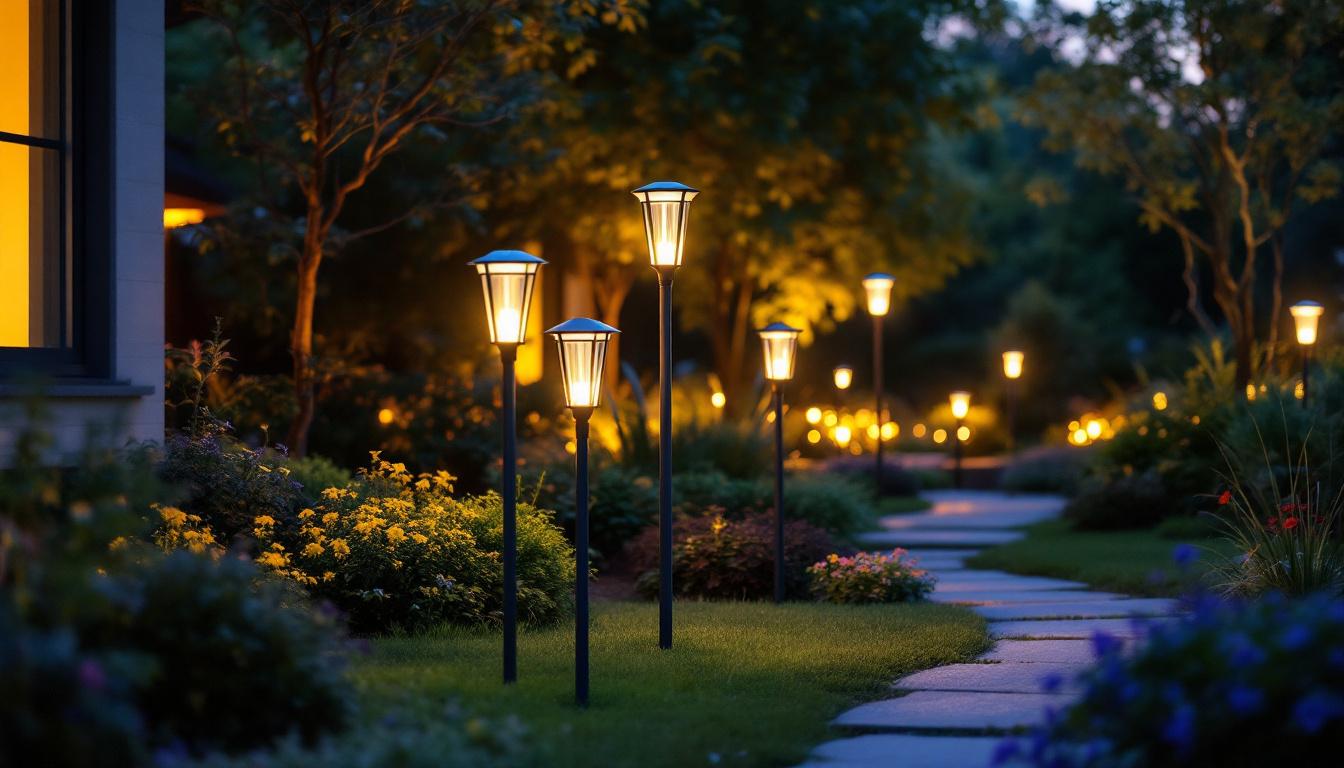
Incorporating standing solar lights into landscape design not only enhances the visual appeal of outdoor spaces but also promotes biodiversity. By illuminating pathways and gardens without the need for extensive wiring, these lights minimize disruption to existing flora and fauna. Furthermore, their presence can attract nocturnal wildlife, creating a vibrant ecosystem that benefits both nature and the community. As more designers and contractors recognize the multifaceted advantages of standing solar lights, they are increasingly seen as essential components in modern outdoor lighting strategies, blending functionality with environmental stewardship.
Understanding the Technology Behind Standing Solar Lights
Core Components and Functionality
Standing solar lights consist primarily of photovoltaic panels, rechargeable batteries, LED light fixtures, and integrated control systems. The photovoltaic panels capture sunlight during the day, converting it into electrical energy stored in batteries. This stored energy powers the LED lights after dusk, ensuring consistent illumination without external power sources.
LED technology is pivotal in these systems, offering high luminous efficacy and extended lifespan compared to traditional bulbs. Additionally, smart controllers regulate charging and discharging cycles, optimizing battery health and light output based on environmental conditions. These controllers can also include timers and dimming features, allowing users to customize their lighting experience according to specific needs or preferences.
Advancements in Solar Lighting Technology
Recent innovations include improved battery chemistries such as lithium-ion, which offer higher energy density and faster charging capabilities. Enhanced solar panel efficiencies and integrated sensors for motion detection and ambient light adjustment further elevate the performance and versatility of standing solar lights. These sensors not only help conserve energy by ensuring that lights are only activated when necessary, but they also contribute to increased safety and security in outdoor spaces.
For lighting contractors, staying abreast of these technological developments is crucial. Selecting the right components tailored to project requirements can significantly impact system reliability and client satisfaction. Furthermore, the integration of IoT (Internet of Things) capabilities into solar lighting systems allows for remote monitoring and control, enabling users to manage their lighting setups through smartphone apps. This level of connectivity not only enhances user convenience but also provides valuable data analytics on energy consumption and performance, paving the way for more efficient and sustainable lighting solutions in the future.
Design Considerations for Effective Installation
Site Assessment and Solar Access
Successful installation begins with a thorough site assessment. Lighting contractors must evaluate solar access—ensuring panels receive unobstructed sunlight for optimal charging. Factors such as shading from trees, buildings, or other structures can drastically reduce system efficiency. Additionally, it’s crucial to consider the orientation of the panels; south-facing installations typically capture more sunlight in the northern hemisphere, while north-facing panels are more effective in the southern hemisphere. This directional consideration can significantly influence energy output and overall system performance.
Understanding the geographic location and seasonal sun angles aids in positioning solar panels to maximize exposure. Utilizing tools like solar pathfinders or digital modeling software can enhance precision during planning stages. Furthermore, contractors should take into account the potential for future growth of nearby vegetation or construction that may obstruct sunlight. Regular monitoring and adjustments may be necessary to maintain optimal performance over time, ensuring that the solar installation continues to meet energy needs efficiently.
Light Placement and Coverage Planning
Determining the appropriate number and placement of standing solar lights is essential for achieving uniform illumination. Contractors should consider the intended use of the space—whether for pathway lighting, security, or decorative purposes—and adjust spacing accordingly. For instance, areas designated for high foot traffic may require closer spacing to ensure safety and visibility, while decorative lighting in gardens can be more spaced out to create an ambient atmosphere. Additionally, the height of the fixtures plays a significant role in the quality of light distribution, with taller installations casting broader light coverage.
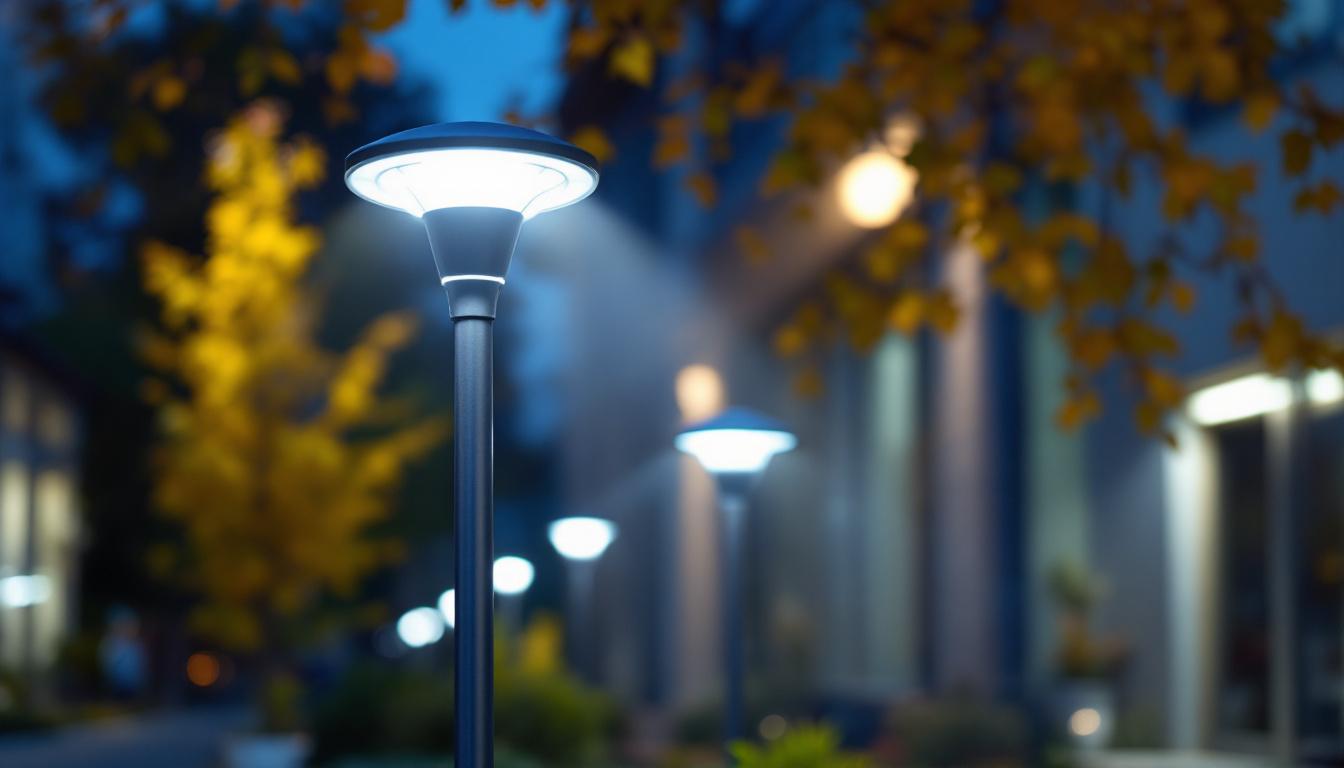
Incorporating photometric analysis helps predict light distribution and intensity, ensuring compliance with local lighting ordinances and client expectations. Proper placement also minimizes light pollution and glare, enhancing the overall user experience. Moreover, considering the color temperature of the lights can influence the ambiance of the area; warmer tones may create a cozy feel for residential settings, while cooler tones could be more suitable for commercial spaces. Engaging with clients during the design phase to discuss their preferences can lead to a more satisfying final result, fostering a collaborative approach to lighting design.
Installation Best Practices for Lighting Contractors
Preparation and Safety Protocols
Before installation, contractors must verify that all components are compatible and inspected for defects. Site preparation includes clearing the area, marking installation points, and ensuring ground stability for mounting poles or fixtures. It’s also critical to assess the surrounding landscape, taking note of any potential obstructions such as trees or buildings that could cast shadows on the solar panels, thereby affecting their efficiency. Additionally, contractors should consider the local climate and weather patterns, as these factors can influence the performance of solar lighting systems.
Adhering to safety standards is paramount. This involves using appropriate personal protective equipment (PPE), following electrical safety guidelines even though solar lights are low voltage, and securing permits if required by local authorities. Furthermore, contractors should conduct a risk assessment of the installation site to identify any hazards, such as uneven terrain or nearby power lines, and develop a plan to mitigate these risks. Training team members on emergency procedures and first aid can also enhance safety during the installation process, ensuring that everyone is prepared for unexpected situations.
Step-by-Step Installation Process
Installation typically involves assembling the pole and fixture, mounting the solar panel in an optimal orientation, and connecting the battery and control systems. Ensuring tight, weatherproof connections protects against moisture ingress and corrosion. Additionally, contractors should pay attention to the angle and height of the solar panel to maximize sunlight exposure throughout the day. A well-placed panel can significantly improve the system’s overall efficiency and longevity, making it crucial to consider the sun’s path across the sky during different seasons.
Contractors should verify system functionality immediately after installation, testing light activation, sensor responsiveness, and charging efficiency. Providing clients with operational guidance and maintenance recommendations enhances long-term satisfaction. This includes educating them on the importance of keeping solar panels clean and free from debris, as even a thin layer of dust can reduce their efficiency. Offering a follow-up service or maintenance plan can also help clients feel more secure in their investment, ensuring that their lighting systems continue to perform optimally for years to come.
Maintenance and Troubleshooting for Longevity
Routine Maintenance Tasks
While standing solar lights require minimal upkeep, periodic maintenance is necessary to sustain performance. Cleaning solar panels to remove dust, debris, or bird droppings ensures maximum energy absorption. Inspecting batteries and electrical connections for signs of wear or damage helps prevent unexpected failures.
Replacing batteries at the end of their service life is a critical maintenance task. Contractors should educate clients on typical battery lifespan and provide options for eco-friendly disposal or recycling.
Common Issues and Solutions
Lighting contractors often encounter problems such as dim illumination, inconsistent operation, or complete outages. Diagnosing these issues involves checking battery charge levels, verifying sensor settings, and inspecting for physical damage.
In cases of shading or panel misalignment, repositioning or trimming surrounding vegetation may be necessary. Firmware updates for smart controllers can also resolve software-related malfunctions, underscoring the importance of manufacturer support and training.
Business Opportunities and Client Engagement
Expanding Service Offerings with Solar Lighting
Incorporating standing solar lights into service portfolios allows lighting contractors to tap into the expanding market for sustainable outdoor lighting. This diversification can differentiate a business and attract environmentally conscious clients.
Offering design consultation, installation, and maintenance packages creates recurring revenue streams and fosters long-term client relationships. Partnering with reputable solar component manufacturers ensures access to quality products and technical support.
Educating Clients on Benefits and ROI
Contractors play a vital role in communicating the advantages of standing solar lights, including energy savings, reduced carbon footprint, and minimal infrastructure requirements. Demonstrating cost savings over the system’s lifespan and highlighting incentives or rebates can facilitate client decision-making.
Providing case studies or testimonials from previous projects builds trust and showcases expertise. Transparent discussions about system limitations and maintenance expectations also help manage client expectations effectively.
Conclusion: Mastering Standing Solar Lights for Future-Ready Lighting Solutions
Standing solar lights represent a forward-thinking approach to outdoor illumination, blending sustainability with functional design. For lighting contractors, mastering the technical, design, and business aspects of these systems is essential to thrive in a competitive and evolving industry.
By embracing innovation, adhering to best practices, and prioritizing client education, contractors can deliver high-quality solar lighting solutions that meet modern demands. This expertise not only enhances project outcomes but also contributes to a greener, more energy-efficient future.
Illuminate Your Projects with LumenWholesale
Ready to elevate your lighting game with the latest in standing solar lights? Look no further than LumenWholesale, where we provide lighting contractors with the highest quality, spec-grade lighting products at prices that can’t be beaten. Say goodbye to local distributor markups and hello to our extensive selection that meets rigorous industry standards. With LumenWholesale, you can count on reliable, high-performance lighting for every project. Plus, enjoy the convenience of bulk buying with free shipping, ensuring you get the best value without any hidden costs. Make the smart choice for your business and explore our wholesale lighting options today.