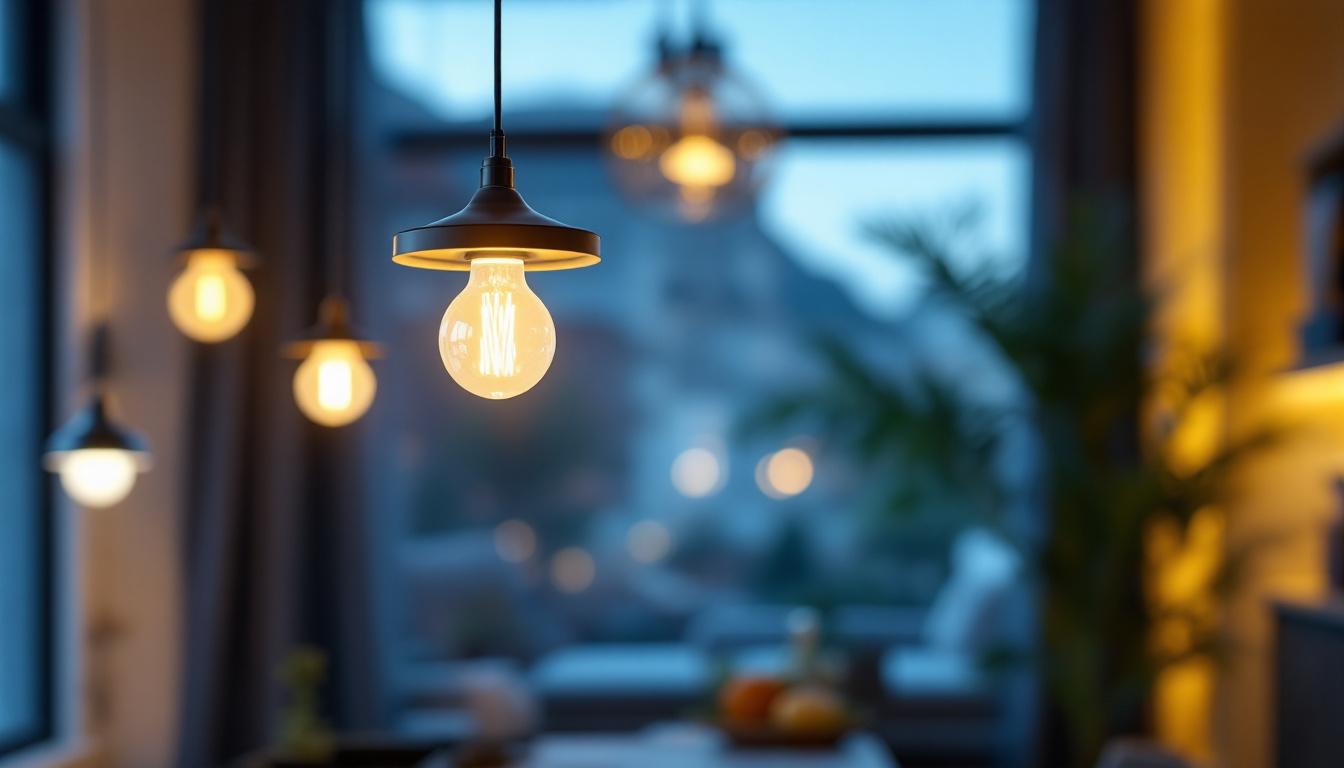
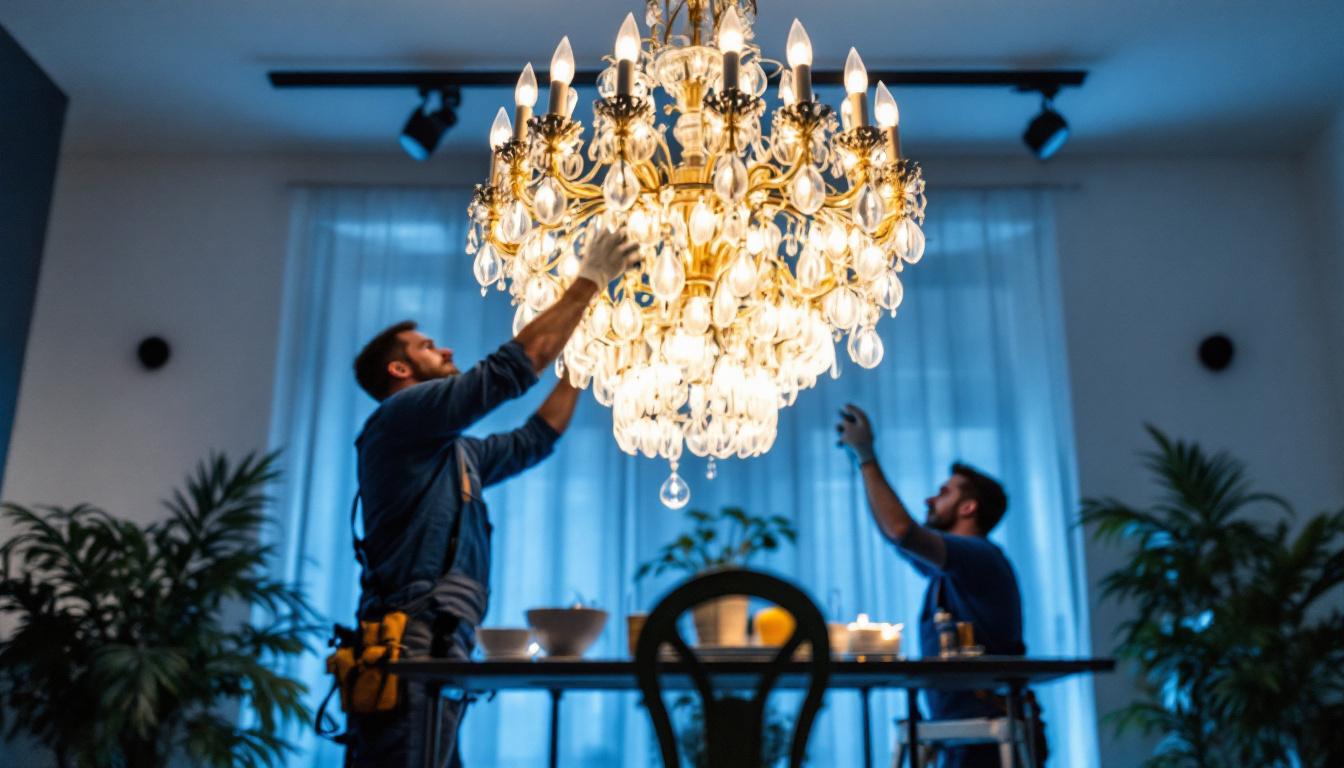
Understanding LED Pendant Fixtures and Their Role in Modern Lighting
LED pendant fixtures have become a staple in contemporary lighting design, offering a blend of aesthetic appeal and energy efficiency. For lighting contractors, mastering the nuances of these fixtures is essential to delivering high-quality, sustainable lighting solutions that meet client expectations and regulatory standards.
Unlike traditional incandescent or fluorescent lighting, LED pendant fixtures utilize light-emitting diodes to produce illumination. This technology inherently consumes less power and generates less heat, making it an environmentally friendly choice. Additionally, the versatility in design—from minimalist industrial styles to elegant, decorative pendants—allows these fixtures to complement a wide range of interior environments. This adaptability not only enhances the visual appeal of spaces but also enables designers to create unique atmospheres tailored to specific moods or functions.
Understanding the fundamental characteristics of LED pendant fixtures lays the groundwork for optimizing their efficiency. This includes knowledge of lumen output, color temperature, beam angle, and dimming capabilities, all of which influence the overall performance and energy consumption of the lighting installation. For instance, selecting the appropriate color temperature can dramatically affect the ambiance of a room; warmer tones can create a cozy, inviting space, while cooler tones are often preferred in modern, professional settings. Furthermore, the ability to adjust brightness through dimming features allows for greater control over the lighting environment, making it possible to adapt to various activities, from intimate dinners to lively gatherings.
In addition to their functional benefits, LED pendant fixtures also offer significant advantages in terms of longevity and maintenance. Unlike traditional bulbs that may require frequent replacements, LED fixtures can last up to 25,000 hours or more, reducing the need for regular upkeep and associated costs. This durability is particularly advantageous in commercial settings, where minimizing downtime and maintenance disruptions is crucial. Moreover, many LED pendant designs incorporate innovative features such as integrated smart technology, allowing users to control lighting remotely or set schedules, further enhancing convenience and efficiency in modern lighting applications.
Key Factors Influencing Efficiency in LED Pendant Lighting
Lumen Output and Light Distribution
One of the primary metrics for evaluating lighting efficiency is the lumen output relative to energy consumption, often expressed as lumens per watt (lm/W). LED pendant fixtures typically offer high lm/W ratios, but contractors must ensure that the chosen fixture provides adequate illumination for the intended space.
Light distribution is equally important. Pendants with well-designed optics can direct light precisely where it is needed, reducing wasted light and minimizing glare. For example, fixtures with adjustable beam angles allow customization for task lighting or ambient illumination, enhancing both functionality and energy savings. Additionally, the placement of the pendant can significantly impact how light is distributed in a room. For instance, hanging a pendant at the right height can create a focal point while ensuring that the light reaches all corners of the space effectively. This thoughtful approach to placement not only maximizes efficiency but also elevates the aesthetic appeal of the environment.
Color Temperature and Color Rendering Index (CRI)
Color temperature, measured in Kelvins (K), affects the ambiance and perceived brightness of a space. Cooler temperatures (4000K-5000K) are often preferred in commercial or task-oriented settings for their crisp, alerting qualities, while warmer temperatures (2700K-3000K) create a cozy atmosphere suitable for hospitality or residential applications.
CRI is a measure of a light source’s ability to reveal colors accurately compared to natural light. High CRI LEDs (above 80) are crucial in environments where color differentiation is important, such as retail or art galleries. Selecting fixtures with appropriate color temperature and CRI ensures visual comfort and enhances the effectiveness of the lighting design. Furthermore, the choice of color temperature can also influence mood and productivity. Studies have shown that cooler light can enhance focus and alertness, making it an excellent choice for workspaces, while warmer light can promote relaxation and comfort, ideal for living areas and restaurants. Understanding these nuances allows designers to create spaces that not only look good but feel good as well.
Dimming and Controls Integration
Incorporating dimming capabilities and smart controls significantly enhances the efficiency of LED pendant fixtures. Dimming not only reduces energy consumption but also extends the lifespan of the LEDs by lowering operating temperatures.
Advanced control systems, including occupancy sensors, daylight harvesting, and programmable schedules, allow lighting to adapt dynamically to usage patterns. This level of control is particularly beneficial in commercial and institutional settings, where lighting needs fluctuate throughout the day. Moreover, integrating smart technology can lead to significant cost savings over time. For instance, occupancy sensors can automatically turn off lights in unoccupied areas, while daylight harvesting systems can adjust artificial lighting based on the amount of natural light available. This not only conserves energy but also creates a more responsive and user-friendly lighting environment. As the demand for sustainable and efficient lighting solutions grows, the integration of these advanced features is becoming increasingly essential in modern lighting design.
Installation Best Practices for Maximizing Efficiency
Optimal Placement and Mounting Height
Proper placement of LED pendant fixtures is critical for maximizing their efficiency. The height at which a pendant is installed affects the spread and intensity of light on work surfaces or floors. Generally, mounting heights between 30 to 36 inches above a countertop or table provide balanced illumination without causing shadows or glare. This height range not only enhances visibility but also contributes to the aesthetic appeal of the space, creating a warm and inviting atmosphere.
Spacing between fixtures should be calculated based on the beam angle and lumen output to ensure uniform light distribution. Overlapping light patterns can create hot spots, while excessive spacing leads to dark areas, both of which compromise efficiency and comfort. For larger spaces, consider using a grid layout to optimize light coverage, ensuring that each area receives adequate illumination. Additionally, utilizing adjustable pendants can offer flexibility, allowing for modifications in height and angle to accommodate different activities or design preferences.
Wiring and Electrical Considerations
Efficient wiring practices contribute to the overall performance of LED pendant installations. Using appropriately gauged wiring minimizes voltage drop, which can reduce light output and cause flickering. Additionally, ensuring compatibility between the fixture’s driver and the building’s electrical system prevents energy losses and potential damage. It’s advisable to consult with a licensed electrician to assess the existing wiring and make necessary upgrades to support the new fixtures, ensuring optimal performance from the outset.
Contractors should also verify that dimmers and control systems are compatible with the LED fixtures to avoid operational issues. Employing high-quality components and adhering to electrical codes safeguards both efficiency and safety. Furthermore, incorporating smart lighting solutions can enhance user experience, allowing for programmable settings that adjust brightness based on time of day or occupancy, thereby optimizing energy consumption and extending the lifespan of the fixtures.
Thermal Management and Fixture Maintenance
Although LEDs generate less heat than traditional bulbs, effective thermal management remains essential for maintaining efficiency and longevity. Pendant fixtures should be designed or selected with adequate heat sinks or ventilation to dissipate heat away from the LEDs. This is particularly important in enclosed spaces where heat can accumulate, potentially leading to premature failure of the lighting components. Selecting fixtures with built-in thermal management features can significantly enhance their performance and durability.
Routine maintenance, such as cleaning lenses and checking for dust accumulation, ensures that light output remains consistent. Neglecting maintenance can lead to reduced lumens and increased energy consumption as fixtures compensate for diminished brightness. Additionally, inspecting the wiring and connections periodically can prevent potential issues before they arise, ensuring that the lighting system operates at peak efficiency. Implementing a maintenance schedule can help keep the fixtures in optimal condition, prolonging their lifespan and maintaining the desired ambiance of the space.
Leveraging Technology and Innovations in LED Pendant Lighting
Smart Lighting Systems
Smart lighting technology is revolutionizing how LED pendant fixtures are used and controlled. Integration with building automation systems allows for real-time monitoring and adjustments, optimizing energy use based on occupancy, daylight availability, and user preferences.
These systems can generate data analytics that help contractors and facility managers identify inefficiencies and opportunities for improvement. The ability to remotely control and program lighting schedules also reduces operational costs and enhances occupant comfort.
Advanced Materials and Design Innovations
Recent advancements in materials science have led to the development of more efficient LED chips and fixture components. For instance, improved phosphor coatings enhance color rendering and light quality without sacrificing efficiency.
Design innovations, such as modular pendants and customizable optics, allow contractors to tailor lighting solutions precisely to project requirements. This flexibility supports sustainable design principles by minimizing waste and maximizing performance.
Case Studies: Successful Optimization of LED Pendant Fixtures
Commercial Office Space
In a large commercial office retrofit, replacing outdated pendant fixtures with high-efficiency LED models equipped with smart controls resulted in a 40% reduction in lighting energy consumption. Strategic placement and beam angle selection improved task lighting quality, enhancing employee productivity and satisfaction.
The integration of occupancy sensors and daylight harvesting systems ensured that lights operated only when needed, further driving down energy costs while maintaining a comfortable work environment.
Hospitality Industry Application
A boutique hotel implemented warm color temperature LED pendant fixtures with dimming capabilities in its dining and lounge areas. This approach created an inviting ambiance while reducing energy use by nearly 35% compared to previous halogen installations.
Regular maintenance protocols and thermal management features preserved light quality over time, demonstrating the long-term benefits of investing in efficient LED pendant lighting solutions.
Conclusion: Best Practices for Lighting Contractors
Optimizing LED pendant fixtures for maximum efficiency requires a comprehensive understanding of lighting technology, thoughtful design, and meticulous installation practices. Lighting contractors play a pivotal role in ensuring that these fixtures deliver not only energy savings but also superior lighting quality and user satisfaction.
By prioritizing factors such as lumen output, color temperature, dimming capabilities, and smart controls, contractors can tailor solutions that meet diverse client needs while supporting sustainability goals. Attention to installation details, including placement, wiring, and thermal management, further enhances fixture performance and longevity.
Embracing technological advancements and learning from successful case studies empowers contractors to stay ahead in a competitive market, delivering lighting solutions that are efficient, effective, and elegant.
Illuminate Your Projects with LumenWholesale
Ready to elevate your lighting projects with the efficiency and elegance of LED pendant fixtures? At LumenWholesale, we provide lighting contractors with the superior, spec-grade products you need to outshine the competition. Our commitment to quality and affordability means you can access a vast array of high-performance lighting options at wholesale prices, all with the convenience of free shipping. Don’t let inflated markups dim your project’s potential. Choose LumenWholesale for your lighting solutions and experience the ideal combination of quality, value, and service. Start optimizing your lighting efficiency today by visiting Wholesale Lighting at the Best Value.