Understanding the Importance of Over Bed Lighting
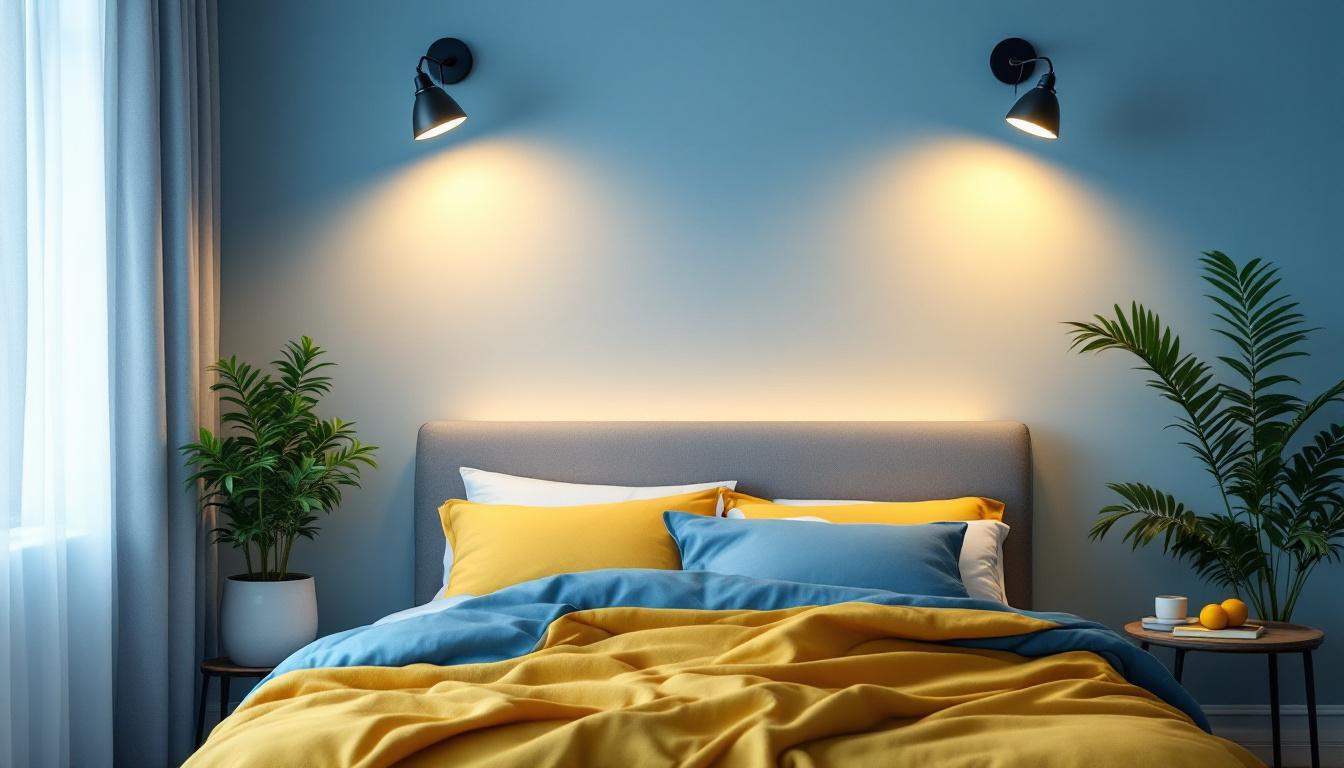
Over bed lighting plays a crucial role in healthcare settings, hospitality environments, and residential care facilities. These fixtures are not just about illumination; they directly impact patient comfort, caregiver efficiency, and overall room ambiance. For lighting contractors, recognizing the unique demands of over bed lighting projects is essential to delivering solutions that meet both functional and aesthetic requirements.
In healthcare, for instance, proper over bed lighting supports medical examinations, patient reading, and nighttime visibility without disturbing rest. In hospitality, it enhances guest experience by providing convenient and adjustable lighting. Missteps in selecting or installing these fixtures can lead to increased costs, client dissatisfaction, and even safety hazards.
Moreover, the design of over bed lighting can significantly influence the psychological well-being of patients and guests alike. Warm, inviting light can create a calming atmosphere that promotes relaxation and healing, while harsh, cold lighting may contribute to anxiety and discomfort. In addition, the ability to adjust brightness levels allows users to tailor their environment to their specific needs, whether it’s for reading a book, watching television, or simply winding down for the night. This adaptability is particularly beneficial in multi-functional spaces, where the same room may serve different purposes throughout the day.
Furthermore, advancements in technology have introduced smart lighting solutions that can be integrated into over bed fixtures. These systems allow for remote control, automation, and even mood settings that can be programmed to change throughout the day. Such innovations not only enhance user experience but also promote energy efficiency, which is increasingly important in both healthcare and hospitality sectors. By investing in modern over bed lighting solutions, facilities can improve operational efficiency while also appealing to environmentally conscious consumers.
Common Costly Mistakes in Over Bed Lighting Projects
Neglecting Compliance with Healthcare Lighting Standards
One of the most frequent errors contractors make is overlooking the stringent standards governing lighting in medical environments. Regulatory bodies such as the Illuminating Engineering Society (IES) and healthcare accreditation organizations specify minimum illumination levels, color rendering indexes (CRI), and glare control measures. Failure to comply can result in project rework, penalties, or compromised patient care.
For example, insufficient illumination can hinder medical assessments, while excessive glare may cause discomfort or visual fatigue. Ensuring that over bed lights meet the recommended lux levels—typically between 300 to 500 lux for examination tasks—is a non-negotiable aspect of project success. Additionally, lighting must be designed to accommodate various medical procedures, which often require specific lighting conditions. For instance, surgical lighting not only needs to be bright but also should minimize shadows to ensure precision during operations. By adhering to these standards, contractors can enhance patient safety and satisfaction while avoiding costly legal ramifications.
Ignoring the Importance of Adjustable Lighting Controls
Another costly oversight is installing fixed-intensity lighting without adjustable controls. Patients and caregivers have varying needs throughout the day and night, requiring flexibility in light intensity and direction. Without dimmers or adjustable arms, the lighting may be too harsh or too dim, leading to dissatisfaction and potential safety issues.
Integrating user-friendly controls not only enhances usability but also promotes energy efficiency by allowing users to tailor the lighting to their needs. This adaptability reduces unnecessary energy consumption and extends the lifespan of the fixtures, ultimately saving money over time. Moreover, adjustable lighting can play a crucial role in creating a calming environment for patients, which is particularly important in settings such as intensive care units or palliative care. Studies have shown that the ability to modify lighting can significantly impact a patient’s mood and overall recovery experience, making it an essential consideration in the design of healthcare spaces.
Choosing Inappropriate Fixtures and Bulbs
Selecting the wrong type of fixture or bulb can significantly impact both performance and cost. For over bed lighting, contractors must prioritize fixtures that provide uniform illumination, minimize shadows, and offer high CRI to accurately render colors, which is especially vital in medical settings.
LED technology has become the industry standard due to its energy efficiency, longevity, and low heat emission. However, not all LEDs are created equal. Using low-quality LEDs can lead to flickering, color inconsistency, and premature failure, resulting in costly replacements and client dissatisfaction. Furthermore, the placement of fixtures is equally critical; poorly positioned lights can create unwanted shadows or hotspots, complicating medical procedures and affecting the comfort of both patients and staff. Therefore, conducting a thorough assessment of the space and understanding the specific lighting requirements of various medical tasks can help ensure that the selected fixtures and bulbs will deliver optimal performance while adhering to budget constraints.
Best Practices for Successful Over Bed Lighting Installations
Conduct Thorough Site Assessments
Before selecting fixtures or designing layouts, contractors should perform comprehensive site assessments. This process includes measuring room dimensions, evaluating existing lighting conditions, and understanding the specific needs of the end-users. For healthcare facilities, consulting with medical staff can provide valuable insights into functional requirements.
Accurate assessments help avoid over-illumination or under-illumination, ensuring that lighting solutions are both effective and efficient. Additionally, considering factors such as ceiling height, bed placement, and potential obstructions will influence fixture choice and positioning. It is also essential to take into account the color temperature of the lighting, as warmer tones can create a calming atmosphere conducive to rest, while cooler tones may enhance alertness during daytime hours. Furthermore, understanding the layout of the room can help in identifying areas that may require additional lighting, such as reading nooks or spaces for family visits, thereby enhancing the overall functionality of the environment.
Prioritize Ergonomic and Patient-Centered Design
Over bed lighting should enhance comfort and usability. Ergonomic considerations include the height and angle of fixtures, ease of control access, and minimizing glare. For patients, lighting that can be adjusted without assistance fosters independence and improves overall satisfaction.
Contractors should also consider integrating features like motion sensors or touchless controls to accommodate patients with limited mobility or hygiene concerns. These design elements demonstrate attention to detail and contribute to higher client approval. Moreover, incorporating adjustable brightness levels can allow patients to customize their lighting based on their activities, whether it be reading, watching television, or simply relaxing. This flexibility not only enhances comfort but also promotes a sense of control over their environment, which is especially important in healthcare settings where patients may feel vulnerable. Additionally, using fixtures with soft diffusers can help create a more inviting atmosphere, reducing the harshness often associated with clinical lighting.
Collaborate with Electrical and Medical Professionals
Successful over bed lighting projects often require multidisciplinary collaboration. Working closely with electricians ensures that wiring, power loads, and safety measures are correctly implemented. Coordination with medical professionals or facility managers guarantees that lighting solutions align with clinical protocols and patient care standards.
This teamwork approach mitigates risks, streamlines installation, and fosters trust with clients, positioning contractors as reliable experts in their field. Engaging with lighting designers can also be beneficial, as they bring specialized knowledge in creating visually appealing and functional lighting schemes. Furthermore, regular feedback sessions during the design and installation phases can help identify any potential issues early on, allowing for timely adjustments. By fostering a culture of open communication among all stakeholders, contractors can ensure that the final lighting solutions not only meet technical specifications but also enhance the overall experience for patients and staff alike.
Technological Innovations Enhancing Over Bed Lighting
Smart Lighting Systems
The integration of smart lighting technology has revolutionized over bed lighting. Systems that allow remote control via mobile devices or centralized building management platforms provide unprecedented flexibility. Features such as preset lighting scenes, automated dimming, and occupancy sensing optimize both comfort and energy use.
For contractors, offering smart lighting solutions can differentiate services and meet the growing demand for intelligent, connected environments. However, it is vital to ensure compatibility with existing infrastructure and provide adequate training for end-users.
Human-Centric Lighting (HCL)
Human-centric lighting focuses on mimicking natural light patterns to support circadian rhythms and improve well-being. Over bed lights equipped with tunable white LEDs can adjust color temperature throughout the day, promoting alertness during daytime and relaxation at night.
Implementing HCL in healthcare settings has been linked to faster patient recovery, reduced stress, and better sleep quality. Contractors should stay informed about these advancements and consider their incorporation to add value to projects.
Cost Management Strategies for Over Bed Lighting Projects
Accurate Budgeting and Avoiding Scope Creep
One of the primary causes of cost overruns is inadequate budgeting and uncontrolled scope changes. Contractors should develop detailed project plans that include fixture costs, labor, controls, and contingency allowances. Transparent communication with clients about potential expenses and changes helps manage expectations.
Regularly reviewing project progress and adjusting plans as necessary prevents surprises and maintains financial control.
Investing in Quality to Reduce Long-Term Costs
While it may be tempting to cut initial costs by choosing cheaper fixtures or materials, this approach often leads to higher maintenance and replacement expenses. Investing in high-quality, durable over bed lighting solutions reduces downtime and service calls, enhancing client satisfaction and profitability.
Contractors should educate clients on the total cost of ownership, emphasizing the benefits of reliable products and professional installation.
Leveraging Energy Efficiency Incentives
Many regions offer rebates or incentives for installing energy-efficient lighting systems, including LED fixtures and smart controls. Contractors should research available programs and incorporate eligible products into their proposals. These incentives can offset upfront costs and provide additional value to clients.
Moreover, promoting energy-saving solutions aligns with sustainability goals increasingly prioritized by healthcare and hospitality sectors.
Conclusion: Delivering Excellence in Over Bed Lighting Projects
Over bed lighting projects demand meticulous planning, adherence to standards, and a focus on user needs. Avoiding common mistakes such as neglecting compliance, disregarding adjustability, and selecting inappropriate fixtures can save contractors significant time and money.
By embracing best practices, leveraging technological innovations, and managing costs strategically, lighting contractors can deliver solutions that enhance environments, satisfy clients, and reinforce their reputation as industry leaders. Staying informed and proactive is the key to success in this specialized and impactful area of lighting design.
Illuminate Your Projects with LumenWholesale
Ready to elevate your over bed lighting projects with the highest quality fixtures at the best value? Look no further than LumenWholesale. Our spec-grade lighting products are designed to meet the rigorous demands of any lighting project, ensuring compliance, adjustability, and user satisfaction. With unbeatable wholesale prices and the convenience of free shipping on bulk orders, you can trust LumenWholesale to provide the perfect blend of quality, affordability, and convenience. Don’t compromise on your lighting needs—choose LumenWholesale for Wholesale Lighting at the Best Value and make your next project a shining success.