Understanding Lumens: The Foundation of Lighting Design
When it comes to lighting projects, one of the most critical factors contractors must grasp is the measurement of brightness, commonly expressed in lumens. Lumens quantify the total amount of visible light emitted by a source, providing a more accurate representation of brightness than watts, which measure energy consumption rather than light output. For lighting contractors, understanding lumens is essential to designing spaces that meet client expectations for visibility, ambiance, and energy efficiency.
In practical terms, lumens help determine how well a space will be illuminated. For example, a 40-lumen light source emits a modest amount of light, suitable for specific applications such as accent lighting, nightlights, or small task lights. Recognizing where 40 lumens fits within the spectrum of lighting options enables contractors to specify fixtures that optimize both functionality and aesthetics.
Moreover, the importance of lumens extends beyond mere brightness; it also plays a pivotal role in the overall design and mood of a space. For instance, a well-lit living room may require anywhere from 1,500 to 3,000 lumens to create a warm and inviting atmosphere, while a kitchen might need upwards of 5,000 lumens to ensure tasks can be performed safely and efficiently. By understanding the specific lumen requirements for different areas, contractors can tailor their lighting solutions to enhance both the usability and comfort of each environment.
Additionally, the concept of lumens is increasingly relevant in the context of energy efficiency and sustainability. With the rise of LED technology, which offers higher lumen output per watt compared to traditional incandescent bulbs, contractors are now able to provide clients with lighting solutions that not only illuminate spaces effectively but also reduce energy consumption and lower utility bills. This shift towards energy-efficient lighting not only meets modern environmental standards but also aligns with the growing consumer demand for sustainable practices in home and commercial design.
How Bright Is 40 Lumens? Context and Comparisons
To appreciate the brightness of 40 lumens, it helps to compare it to common lighting sources and everyday experiences. A standard candle emits approximately 12.6 lumens, so 40 lumens is roughly equivalent to the light produced by three candles. This level of brightness is subtle but sufficient for certain purposes. In fact, many people may find that this gentle illumination creates a cozy atmosphere, perfect for intimate gatherings or quiet evenings at home.
For further context, a typical 60-watt incandescent bulb produces around 800 lumens, making 40 lumens only about 5% of that output. This comparison underscores that 40 lumens is relatively low in brightness, but not insignificant. It’s ideal for applications where soft, gentle illumination is desired without overwhelming a space. In contrast, brighter settings, like those created by 100-watt bulbs, can be jarring and may detract from a serene environment. Thus, understanding the nuances of lumens allows for better design choices that enhance the atmosphere of any room.
In outdoor lighting, a 40-lumen flashlight beam is enough to illuminate a small area for close-up tasks or navigation in the dark. Similarly, in residential settings, nightlights often emit around 40 lumens, providing enough light to move safely without disturbing sleep. This makes them particularly useful in nurseries or children’s rooms, where a soft glow can ease nighttime fears while ensuring parents can check in without turning on brighter lights.
Applications Where 40 Lumens Shine
Lighting contractors frequently encounter scenarios where 40 lumens is the perfect specification. Examples include:
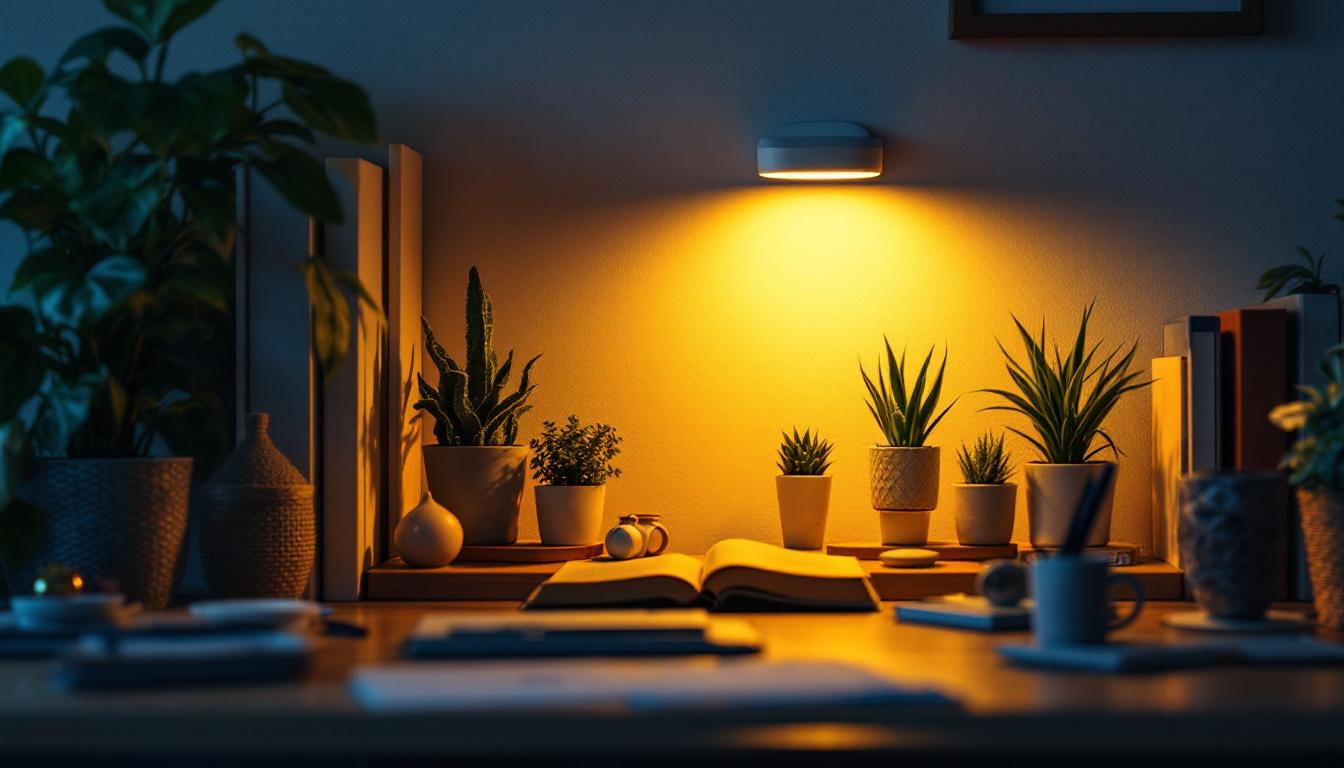
- Accent Lighting: Highlighting architectural details, artwork, or plants without overpowering the main lighting scheme. This subtle touch can transform a space, drawing attention to features that might otherwise go unnoticed.
- Nightlights and Safety Lighting: Providing low-level illumination in hallways, bathrooms, or children’s rooms to prevent accidents during nighttime hours. These lights can be designed to turn on automatically, ensuring safety without requiring any action from the user.
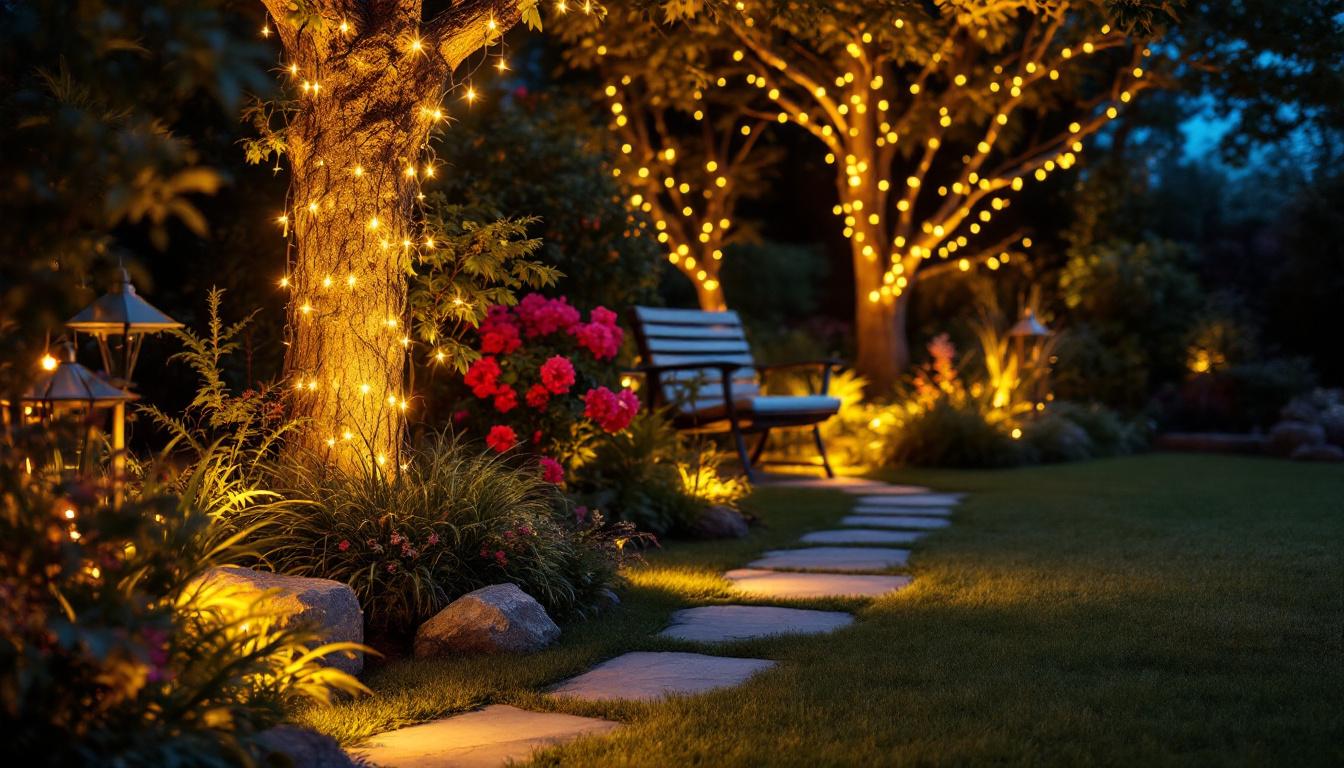
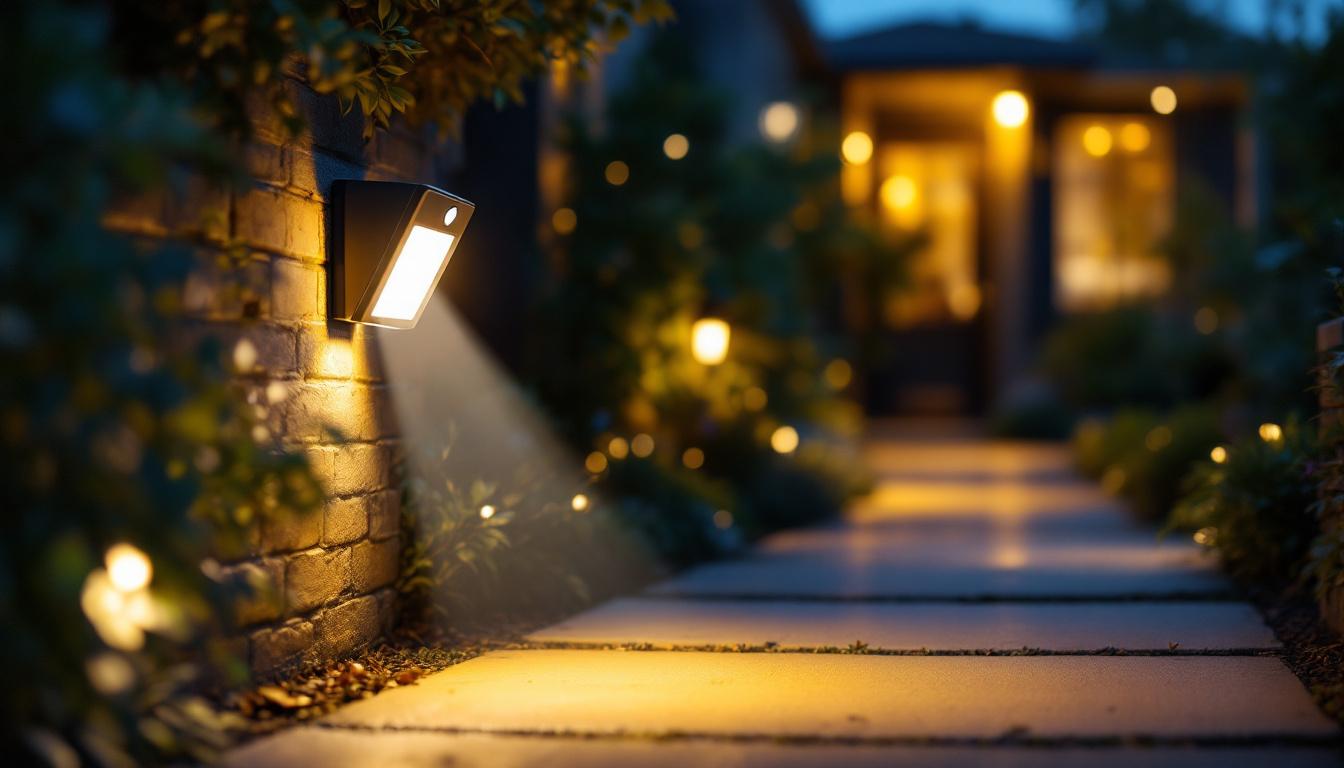
- Pathway and Step Lighting: Offering subtle guidance in outdoor or indoor areas, improving safety while maintaining ambiance. Whether it’s a garden path or a staircase, these lights can enhance visibility while adding an aesthetic element to the landscape.
Understanding these applications helps contractors recommend lighting solutions that balance brightness with energy efficiency and user comfort. Additionally, many modern LED options allow for customization in color temperature, which can further enhance the effectiveness of 40-lumen lighting. For instance, a warm white light can create a welcoming environment, while a cooler tone might be more appropriate for task-oriented spaces. By considering both lumens and color temperature, lighting professionals can tailor their recommendations to meet the specific needs and preferences of their clients.
Energy Efficiency and Practicality of 40 Lumens
One of the advantages of using lighting fixtures that emit around 40 lumens is their energy efficiency. Low-lumen lights typically consume minimal power, which can contribute to reduced electricity bills and lower environmental impact. For contractors aiming to meet green building standards or clients prioritizing sustainability, specifying 40-lumen fixtures in appropriate areas is a strategic choice. This approach not only aligns with eco-friendly practices but also appeals to a growing demographic of environmentally conscious consumers who are increasingly making purchasing decisions based on sustainability metrics.
LED technology has revolutionized how contractors approach low-lumen lighting. LEDs can produce 40 lumens or more while consuming a fraction of the energy used by traditional incandescent bulbs. Additionally, LEDs have longer lifespans, reducing maintenance costs and replacement frequency—an important consideration in commercial and residential projects. The durability of LED fixtures also means they are less likely to fail in critical applications, providing peace of mind for both contractors and end-users. Furthermore, many LED products are now designed with smart technology, allowing for enhanced control over lighting conditions through dimming options and remote management, which can further optimize energy use and user experience.
Balancing Brightness and Energy Use
While 40 lumens is energy-efficient, it’s crucial to ensure that the brightness level meets the functional requirements of the space. Overly dim lighting can cause eye strain or safety hazards, while excessive brightness wastes energy and can create discomfort. Lighting contractors must assess the intended use of the space, ambient light levels, and user needs to determine if 40 lumens is appropriate. This assessment often involves considering the color temperature of the light as well, as warmer tones can create a cozy atmosphere, while cooler tones may enhance focus and productivity.
For example, in a corridor or stairwell, 40 lumens may be sufficient for safe navigation, especially when combined with reflective surfaces or daylight. However, in a workspace or kitchen, higher lumen levels are typically necessary to support detailed tasks. In such environments, a layered lighting approach can be beneficial, where low-lumen fixtures provide ambient light while task lighting with higher lumens is strategically placed to illuminate work areas. This not only ensures functionality but also enhances the overall aesthetic of the space, allowing for both practicality and style in design.
Integrating 40-Lumen Fixtures into Lighting Designs
Successful lighting projects often involve layering different light sources to achieve balanced illumination. Incorporating 40-lumen fixtures as part of a comprehensive lighting plan can enhance both functionality and visual appeal.
For instance, a lighting contractor might use 40-lumen LED puck lights under cabinets to provide subtle task lighting in a kitchen, complementing brighter overhead fixtures. Similarly, 40-lumen pathway lights can be integrated into landscape designs to create inviting outdoor environments without excessive glare.
Design Tips for Using 40 Lumens Effectively
To maximize the impact of 40-lumen lighting, consider the following strategies:
- Placement: Position fixtures where low-level illumination enhances safety or highlights features without competing with primary light sources.
- Fixture Selection: Choose fixtures with adjustable brightness or beam angles to tailor the light distribution precisely.
- Complementary Lighting: Combine 40-lumen lights with higher-lumen fixtures to create depth and dimension in the lighting scheme.
By thoughtfully integrating 40-lumen fixtures, contractors can deliver lighting solutions that are both practical and visually pleasing.
Addressing Challenges and Misconceptions About 40 Lumens
Despite its usefulness, 40 lumens is sometimes underestimated or misunderstood in the lighting industry. Some clients may perceive low-lumen lighting as insufficient or associate it with outdated technology. Lighting contractors play a vital role in educating clients about the benefits and appropriate uses of 40-lumen fixtures.
One common misconception is that low-lumen lighting cannot contribute meaningfully to a lighting design. In reality, carefully applied 40-lumen lights can improve ambiance, reduce energy consumption, and enhance safety without overwhelming the environment.
Overcoming Installation and Specification Challenges
Specifying and installing low-lumen lighting requires attention to detail. Contractors must ensure that the fixtures are compatible with the existing electrical infrastructure and that the light output aligns with the intended purpose. Additionally, the color temperature and color rendering index (CRI) of 40-lumen lights should be considered to maintain visual comfort and color accuracy.
Effective communication with clients about the role and benefits of 40-lumen lighting can help manage expectations and foster satisfaction with the final outcome.
Conclusion: The Strategic Value of 40 Lumens in Lighting Projects
For lighting contractors, understanding how bright 40 lumens is—and where it fits within the broader lighting spectrum—is essential for delivering successful projects. While modest in brightness, 40 lumens offers versatility, energy efficiency, and design flexibility that can enhance safety, ambiance, and functionality in a variety of settings.
By integrating 40-lumen fixtures thoughtfully and educating clients about their benefits, contractors can elevate lighting designs and contribute to sustainable, user-friendly environments. Whether used for accent lighting, nightlights, or pathway illumination, 40 lumens is a valuable tool in the lighting professional’s arsenal.
Illuminate Your Projects with LumenWholesale
Ready to harness the strategic value of 40 lumens in your lighting projects? Look no further than LumenWholesale for all your lighting needs. Our extensive selection of top-quality, spec-grade lighting products is available at unbeatable wholesale prices, ensuring you get the best value for your investment. Say goodbye to inflated markups and hello to reliable, high-performance lighting that meets the highest industry standards. Plus, with free shipping on bulk orders, you can stock up on premium lighting without worrying about hidden fees. Elevate your lighting designs today and create sustainable, user-friendly environments with ease. Visit LumenWholesale now and experience the perfect blend of quality, affordability, and convenience.