Introduction: The Evolving Landscape of Lighting
Lighting contractors operate in a dynamic industry where technology, design preferences, and sustainability considerations continuously shape the market. Staying informed about the latest trends in light fixtures is essential not only for meeting client expectations but also for maintaining a competitive edge. This article explores the most influential trends in light fixtures that every lighting contractor should be aware of, providing insights to help navigate the evolving landscape effectively.
One of the most significant trends in recent years has been the rise of smart lighting solutions. These advanced systems allow users to control their lighting remotely via smartphones or smart home devices, offering unparalleled convenience and customization. Features such as dimming, color changing, and scheduling not only enhance the user experience but also contribute to energy efficiency, making them an attractive option for environmentally conscious consumers. As a lighting contractor, understanding the integration of smart technology into traditional lighting systems can open new avenues for client engagement and project scope.
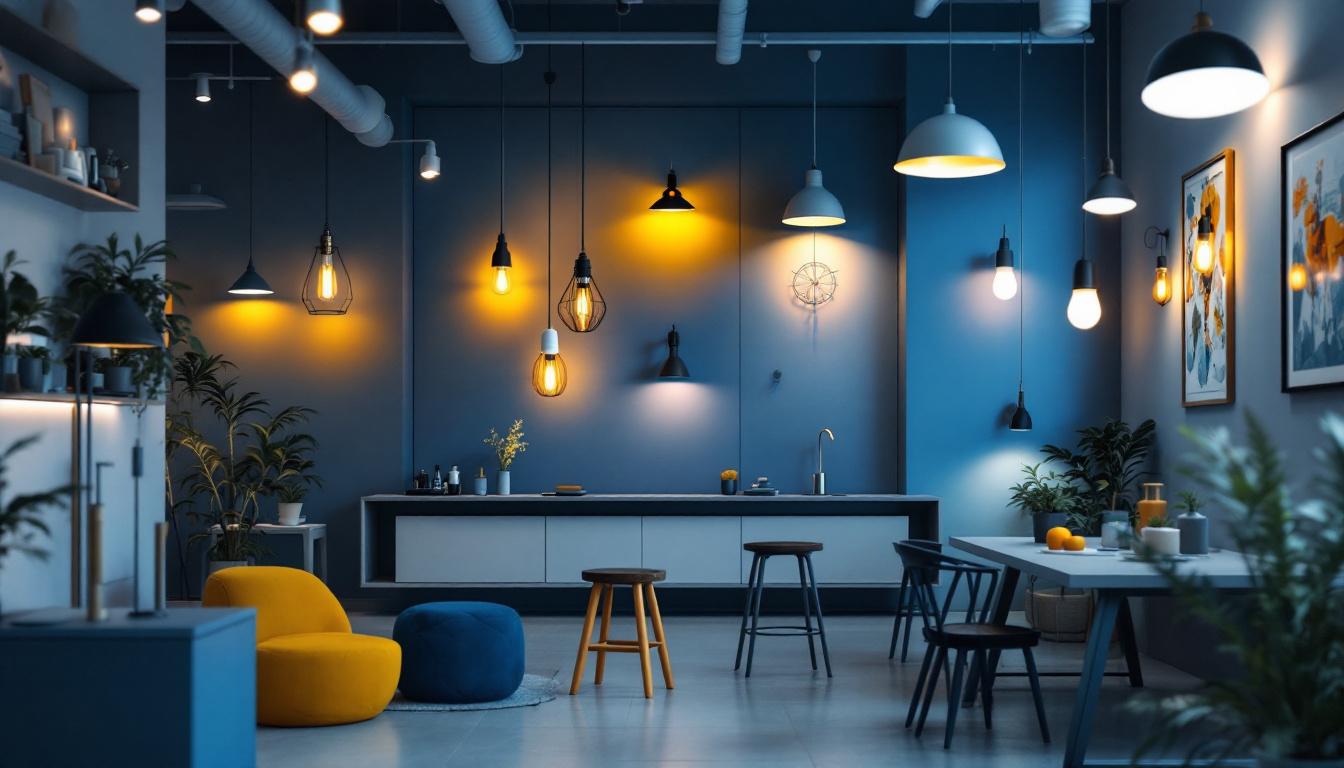
Additionally, the aesthetic aspect of lighting design has evolved dramatically, with a growing emphasis on unique and artistic fixtures that serve as focal points in interior spaces. Designers are increasingly opting for statement pieces that blend functionality with artistic expression, such as sculptural pendant lights or minimalist wall sconces. This shift towards personalized and visually striking designs reflects a broader trend in interior design, where lighting is no longer just a utility but a key component of the overall ambiance and style of a space. By staying attuned to these aesthetic trends, lighting contractors can better advise clients on how to achieve their desired look while also ensuring optimal performance and efficiency.
Embracing Energy Efficiency and Smart Lighting
LED Technology Dominance
Light Emitting Diode (LED) technology has revolutionized the lighting industry, offering unparalleled energy efficiency, longevity, and versatility. For lighting contractors, understanding the nuances of LED fixtures—such as color temperature options, dimmability, and compatibility with control systems—is critical. LEDs consume up to 75% less energy than traditional incandescent bulbs and can last 25 times longer, making them a preferred choice in both residential and commercial projects.
Moreover, the integration of LEDs with smart lighting systems enables contractors to offer clients advanced features like customizable scenes, remote control, and adaptive lighting schedules. These capabilities not only enhance user experience but also contribute to significant energy savings over time. The ability to tailor lighting to specific activities—whether it’s a bright, energizing light for work or a warm, soft glow for relaxation—can dramatically improve the ambiance of a space. Additionally, the reduced heat output of LEDs minimizes cooling costs, further enhancing their appeal in energy-conscious designs.
Smart Lighting Systems and IoT Integration
The Internet of Things (IoT) has introduced a new dimension to lighting solutions. Smart lighting systems that connect to home automation platforms allow for seamless control via smartphones, voice assistants, or automated sensors. For contractors, this means expanding expertise beyond traditional wiring and installation to include network setup and software configuration. The rise of smart homes has shifted the focus towards integrated systems that offer not just lighting control but also enhanced security and energy management.
Clients increasingly demand lighting that can adapt to their lifestyle, such as motion-activated fixtures, circadian rhythm lighting that adjusts color temperature throughout the day, and integration with security systems. Lighting contractors who can provide these smart solutions position themselves as valuable partners in creating modern, efficient living and working environments. Furthermore, the ability to monitor energy consumption in real-time through smart systems empowers users to make informed decisions about their energy use, promoting sustainability and reducing overall carbon footprints. As technology continues to evolve, staying abreast of the latest innovations will be essential for contractors looking to remain competitive in this rapidly changing landscape.
Design Trends Shaping Light Fixtures
Minimalism and Clean Lines
Contemporary design trends favor minimalism, with light fixtures that emphasize clean lines, geometric shapes, and understated elegance. Lighting contractors should familiarize themselves with popular styles such as linear LED pendants, recessed lighting, and flush-mount fixtures that blend seamlessly with architectural elements.
This trend reflects a broader shift towards simplicity and functionality in interior design, where lighting serves as both a practical necessity and a subtle aesthetic statement. Offering clients fixtures that complement minimalist interiors can enhance overall project cohesion and appeal. Additionally, the use of energy-efficient LED technology in these minimalist designs not only aligns with the sustainable design movement but also reduces energy costs for homeowners, making it a win-win solution. As clients increasingly prioritize eco-friendly options, contractors can leverage this trend to showcase their commitment to sustainability while meeting modern design expectations.
Statement Fixtures as Focal Points
While minimalism dominates, there is also a growing appetite for statement light fixtures that serve as focal points in a room. Chandeliers with sculptural forms, oversized pendant lights, and fixtures crafted from unique materials like reclaimed wood or hand-blown glass are increasingly popular.
Lighting contractors should be prepared to source and install these bespoke fixtures, often requiring specialized mounting solutions and electrical considerations. These pieces not only illuminate spaces but also contribute significantly to the ambiance and character of a room. The trend towards customization allows homeowners to express their individuality, with many opting for fixtures that reflect personal stories or local craftsmanship. This shift towards unique, handcrafted items can also create opportunities for contractors to collaborate with local artisans, thereby enriching the design narrative and supporting the community.
Mixed Materials and Textures
Combining different materials such as metal, glass, wood, and fabric in light fixtures adds depth and visual interest. For example, fixtures featuring matte black metal paired with warm wood accents or frosted glass with brass details are trending in both residential and commercial settings.
Understanding how to integrate these materials effectively can help contractors recommend fixtures that align with client tastes and interior design themes, enhancing satisfaction and project outcomes. Moreover, the interplay of textures can evoke different moods; for instance, a rustic wood and metal combination may create a warm, inviting atmosphere, while sleek glass and chrome can lend a more modern, sophisticated feel. As clients become more discerning about the materials in their spaces, contractors who can skillfully navigate these combinations will not only elevate their projects but also establish themselves as trusted advisors in the ever-evolving landscape of interior design.
Sustainability and Environmental Responsibility
Eco-Friendly Materials and Manufacturing
Environmental consciousness is increasingly influencing purchasing decisions. Lighting contractors should be knowledgeable about fixtures made from sustainable or recycled materials and those produced through environmentally responsible manufacturing processes.
Clients often seek certifications such as ENERGY STAR or compliance with LEED standards, which indicate a product’s environmental performance. Recommending fixtures that meet these criteria not only supports sustainability goals but also adds value to projects by aligning with green building practices. Additionally, the use of low-impact materials can significantly reduce the carbon footprint of a project. For instance, fixtures made from bamboo or reclaimed wood not only provide a unique aesthetic but also promote the use of renewable resources. By integrating such materials, contractors can appeal to eco-conscious clients who prioritize environmental stewardship in their purchasing decisions.
Reducing Light Pollution
Addressing light pollution is a growing concern, especially in urban and environmentally sensitive areas. Fixtures designed to minimize glare and direct light precisely where needed help reduce skyglow and preserve night-time environments.
Contractors can advise on using full cutoff or shielded fixtures and implementing lighting controls that reduce unnecessary illumination. This approach not only benefits the environment but can also improve client satisfaction by enhancing outdoor aesthetics and compliance with local ordinances. Furthermore, educating clients on the ecological impacts of light pollution can foster a deeper appreciation for responsible lighting choices. For example, highlighting how excessive artificial light disrupts wildlife patterns and human circadian rhythms can motivate clients to invest in solutions that prioritize both functionality and ecological integrity. By promoting thoughtful lighting design, contractors can play a pivotal role in creating harmonious spaces that respect both human needs and the natural world.
Technological Innovations Impacting Installation and Maintenance
Modular and Easy-to-Install Fixtures
Advancements in fixture design have led to modular systems that simplify installation and maintenance. Lighting contractors benefit from products with standardized components, snap-fit connectors, and tool-less assembly options, which reduce labor time and potential errors.
These innovations also facilitate future upgrades or repairs, allowing contractors to offer clients scalable and adaptable lighting solutions that can evolve with changing needs.
Wireless Power and Control Solutions
Wireless technologies are transforming how lighting is powered and controlled. Battery-operated fixtures, wireless dimmers, and Bluetooth-enabled controls reduce the need for extensive wiring, enabling more flexible installation options.
For contractors, mastering these technologies opens opportunities in retrofit projects and spaces where traditional wiring is challenging or undesirable. Additionally, wireless systems can simplify troubleshooting and enhance user convenience.
Market Insights and Client Expectations
Customization and Personalization
Clients increasingly expect lighting solutions tailored to their specific needs and preferences. Customizable fixtures, whether through adjustable brightness, interchangeable shades, or bespoke designs, are highly sought after.
Lighting contractors who can collaborate with manufacturers or artisans to deliver personalized products distinguish themselves in a competitive market. This approach fosters stronger client relationships and repeat business.
Integration with Architectural and Interior Design
Successful lighting projects require close coordination with architects and interior designers. Contractors must understand how fixtures interact with space, color, and function to enhance the overall design intent.
Participating early in the design process enables contractors to recommend appropriate fixtures, anticipate installation challenges, and ensure seamless integration. This collaborative approach leads to superior project outcomes and client satisfaction.
Conclusion: Staying Ahead in a Competitive Industry
For lighting contractors, keeping abreast of trends in light fixtures is more than a matter of aesthetics—it is a strategic imperative. Energy-efficient technologies, smart lighting integration, evolving design preferences, sustainability considerations, and technological innovations all shape the future of lighting.
By embracing these trends and continuously expanding their expertise, lighting contractors can deliver superior value, meet diverse client demands, and secure their position in a rapidly changing marketplace.
Illuminate Your Projects with LumenWholesale
Ready to stay ahead of the curve and equip your lighting projects with the latest trends? At LumenWholesale, we provide lighting contractors like you with the highest quality, spec-grade lighting products at prices that can’t be beaten. Say goodbye to local distributor markups and hello to a vast selection of reliable, high-performance lighting that meets the most rigorous industry standards. With free shipping on bulk orders, you can trust that you’re getting premium lighting at the best value — no hidden fees, no compromises. Elevate your lighting game and explore our wholesale lighting options today to find the perfect blend of quality, affordability, and convenience for your next project.