Understanding the Market for For Sale Lights
For lighting contractors, the phrase “for sale lights” often signals opportunity. Whether you’re sourcing fixtures for a client’s commercial project or advising homeowners on residential lighting upgrades, knowing what’s available on the market—and how to evaluate it—makes a tangible difference in your service quality.
Lighting is no longer just about illumination. It’s about aesthetics, energy efficiency, and smart integration. The market reflects this shift with a diverse array of products: from traditional incandescent bulbs to advanced LED systems with customizable color temperatures and smart controls. Staying current with these trends helps contractors recommend solutions that meet client expectations and comply with evolving regulations.
Why Market Awareness Matters
Lighting contractors who understand the nuances of the “for sale” lighting market can better navigate pricing, warranties, and product quality. For instance, LED technology dominates the market due to its longevity and energy savings, but not all LEDs are created equal. Some cheaper models may have poor color rendering or flicker issues that can lead to client dissatisfaction.
Additionally, lighting contractors often face tight project budgets. Knowing where to find reliable, cost-effective fixtures without sacrificing quality can be a competitive advantage. This means building relationships with trusted suppliers and staying informed about sales, new product launches, and industry certifications.
Moreover, the rise of smart lighting solutions has introduced an entirely new dimension to the market. These systems not only allow for remote control and automation but also integrate with home automation systems, enhancing user convenience and energy management. Understanding the compatibility of various smart lighting products with existing technologies can empower contractors to offer tailored solutions that resonate with tech-savvy clients. Furthermore, as sustainability becomes a priority for many consumers, contractors can leverage their knowledge of eco-friendly lighting options to appeal to environmentally conscious customers, thus expanding their market reach.
In addition to product knowledge, staying abreast of industry trends and consumer preferences is crucial. The growing emphasis on wellness and human-centric lighting—where light quality is tailored to enhance mood and productivity—has led to innovations in tunable white lighting and circadian-friendly solutions. By being aware of these developments, contractors can position themselves as experts who not only provide lighting solutions but also contribute to the overall well-being of their clients. This holistic approach can significantly enhance a contractor’s reputation and client loyalty, ultimately leading to more referrals and repeat business.
Evaluating Lighting Products: What to Look For
When selecting lights for sale, contractors must assess more than just price and appearance. Several technical and practical factors influence the success of a lighting installation.
Energy Efficiency and Compliance
Energy codes and standards are increasingly stringent. Lighting contractors should prioritize products with high efficacy ratings—lumens per watt—as these reduce energy consumption and operating costs. Look for fixtures that meet ENERGY STAR or DLC (DesignLights Consortium) certifications, which ensure verified performance.
Compliance is not just about codes; it also affects client satisfaction. Efficient lighting reduces utility bills and can qualify clients for rebates or tax incentives. Being knowledgeable about these benefits allows contractors to add value during consultations. Additionally, staying updated on local and national energy regulations can help contractors guide clients in making informed decisions that align with sustainability goals, ultimately enhancing the contractor’s reputation as a knowledgeable professional in the field.
Color Quality and Lighting Design
Color rendering index (CRI) and correlated color temperature (CCT) are critical for creating the right ambiance. A CRI of 80 or higher is generally recommended for most applications, ensuring colors appear natural under the light. For retail or hospitality clients, a CRI closer to 90 may be necessary to enhance product displays or create inviting environments.
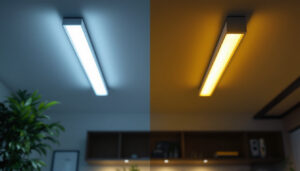
CCT affects mood and functionality. Warmer tones (2700K-3000K) suit residential or hospitality settings, while cooler tones (4000K-5000K) are better for offices or industrial spaces. Offering clients options and explaining these differences can prevent costly changes later. Furthermore, integrating dimmable fixtures can provide flexibility in lighting design, allowing clients to adjust brightness levels for different occasions, which enhances the overall user experience and satisfaction.
Durability and Warranty Considerations
Lighting fixtures often endure harsh conditions, especially in outdoor or industrial environments. Contractors should select fixtures with appropriate ingress protection (IP) ratings to resist dust and moisture. Metal housings and robust construction extend fixture lifespan, reducing maintenance calls.
Warranty terms also matter. Reputable manufacturers typically offer warranties ranging from three to five years on LEDs and fixtures. Understanding warranty coverage helps contractors protect their clients and themselves from premature failures. Additionally, contractors should consider the availability of replacement parts and support services, as these factors can significantly impact long-term maintenance and client satisfaction. By ensuring that the products they recommend are not only durable but also backed by strong support, contractors can foster lasting relationships with their clients based on trust and reliability.
Smart Lighting and Integration
Smart lighting is reshaping the industry. For contractors, this means expanding expertise beyond traditional wiring and installation to include networked systems and controls.
Benefits of Smart Lighting Systems
Smart lighting offers energy savings through occupancy sensors, daylight harvesting, and scheduling. It also enhances user experience with features like dimming, color tuning, and remote control via apps or voice assistants. These systems can adapt to the natural light available in a space, automatically adjusting brightness levels to create a comfortable environment while minimizing energy consumption. Furthermore, the integration of smart lighting with other smart home devices allows for seamless automation, enhancing the overall functionality of a smart home ecosystem.
Contractors who can install and program these systems position themselves as forward-thinking professionals. Clients increasingly expect these capabilities, especially in commercial and high-end residential projects. The ability to customize lighting scenes for different activities—be it a cozy movie night or a vibrant dinner party—adds significant value to the client experience. As smart technology continues to evolve, staying updated on the latest trends and innovations will be crucial for contractors looking to maintain a competitive edge.
Choosing Compatible Components
One challenge with smart lighting is ensuring compatibility among fixtures, controls, and communication protocols. Zigbee, Z-Wave, Wi-Fi, and Bluetooth are common standards, each with pros and cons. Contractors must evaluate the project’s scale, network infrastructure, and client preferences before selecting a system. For instance, while Wi-Fi-based systems may offer higher bandwidth for data-heavy applications, they can also lead to network congestion if not managed properly. On the other hand, protocols like Zigbee and Z-Wave are designed for low-power, low-bandwidth applications, making them ideal for smart lighting but requiring a dedicated hub for operation.
Partnering with manufacturers that provide comprehensive support and training can ease the learning curve. Additionally, offering maintenance contracts for smart systems can create recurring revenue streams. This not only ensures that the systems remain operational and up-to-date but also builds long-term relationships with clients, who will appreciate the ongoing support. As smart lighting technology advances, contractors who invest in their education and adapt to new tools and techniques will find themselves well-positioned to meet the growing demand for intelligent lighting solutions.
Purchasing Strategies for Lighting Contractors
Securing the right lighting products at the right price requires strategic purchasing approaches. Lighting contractors who master procurement can improve project margins and client satisfaction.
Building Supplier Relationships
Long-term partnerships with manufacturers and distributors often lead to better pricing, priority on backorders, and access to exclusive products. Contractors should cultivate these relationships by communicating project needs clearly and paying invoices promptly.
Attending trade shows and industry events can also uncover new suppliers and innovations. These venues provide opportunities to negotiate deals and evaluate products firsthand.
Bulk Buying and Inventory Management
Buying in bulk can reduce costs, but it requires careful inventory management to avoid overstocking obsolete items. Contractors should analyze project pipelines and seasonal demand to optimize purchasing schedules.
Maintaining an organized inventory system helps track stock levels and product performance. This reduces delays caused by missing components and enhances overall efficiency.
Leveraging Online Marketplaces
Online platforms offer convenience and competitive pricing, but contractors must exercise caution. Verify seller reputations, product authenticity, and return policies before committing.
Combining online purchases with traditional supplier relationships can provide flexibility. For example, urgent orders might be fulfilled faster through e-commerce, while bulk or specialized items come from trusted distributors.
Installation Best Practices and Client Communication
Even the best lighting products can fall short if not installed correctly or if clients aren’t properly informed.
Ensuring Proper Installation
Follow manufacturer guidelines meticulously to maintain warranties and ensure safety. Pay attention to wiring, mounting, and environmental conditions. For smart lighting, thorough testing of connectivity and control functions is essential before project handoff.
Documenting installation steps and any deviations helps with future troubleshooting and client transparency.
Educating Clients on Maintenance and Use
Clients often underestimate the importance of routine maintenance, such as cleaning fixtures and updating software for smart systems. Providing clear instructions and offering maintenance services can extend product life and satisfaction.
Explain energy savings and operational features in simple terms. Demonstrating how to use controls or apps empowers clients and reduces support calls.
Staying Ahead in a Competitive Industry
Lighting contractors who combine technical expertise with savvy purchasing and client management will thrive. The market for for sale lights is dynamic, and success depends on continuous learning and adaptation.
Investing time in product training, industry certifications, and networking pays dividends. Clients notice when contractors bring knowledge and professionalism to every project, making them the go-to experts for lighting solutions.
Illuminate Your Projects with LumenWholesale
Ready to elevate your lighting game? Look no further than LumenWholesale for a vast selection of top-quality, spec-grade lighting products at unbeatable wholesale prices. Say goodbye to local distributor markups and hello to superior lighting that meets the highest industry standards. With LumenWholesale, bulk buying is a breeze, and with free shipping, you can rest assured that you’re getting premium lighting at the best value — without any hidden fees. Don’t compromise on quality, affordability, or convenience. Make the smart choice for your lighting needs and explore our collection at LumenWholesale now.