The Historical Context of Interior Wall Lighting
Interior wall lighting has undergone a remarkable transformation over the decades, evolving from simple, functional fixtures to sophisticated design elements that enhance both ambiance and utility. For lighting contractors, understanding this evolution is crucial, as it informs the choices made in modern installations and client consultations.
Initially, wall lighting primarily served a utilitarian purpose—providing basic illumination in residential and commercial spaces. Early wall sconces were often bulky and limited in style, relying on incandescent bulbs that consumed significant energy and generated heat. These fixtures were typically installed in hallways, stairwells, and other transitional spaces where overhead lighting was insufficient.
As architectural styles evolved, so did the demand for lighting that complemented interior aesthetics. The mid-century modern movement, for example, introduced sleek, minimalist wall lights that doubled as decorative accents. This shift marked the beginning of lighting becoming an integral part of interior design rather than merely a functional necessity.
By the late 20th century, the introduction of new materials and technologies further revolutionized wall lighting. The use of fluorescent and later LED bulbs not only improved energy efficiency but also allowed for more innovative designs. Fixtures could now be crafted from a variety of materials, including glass, metal, and even sustainable options like bamboo, enabling designers to create unique pieces that catered to diverse tastes and styles. This era also saw the rise of smart lighting, where wall fixtures could be controlled remotely, allowing homeowners to customize their lighting experience according to mood or activity.
Moreover, the integration of wall lighting with smart home systems has added another layer of functionality. Homeowners can now program their wall lights to adjust automatically based on the time of day or their daily routines, enhancing both convenience and energy savings. This technological advancement has made wall lighting not just a design choice, but a pivotal element in creating a cohesive and responsive living environment. As such, lighting contractors must stay abreast of these trends and technologies to provide clients with the most current and effective solutions for their spaces.
Technological Advancements Shaping Wall Lighting
The Rise of LED Technology
The most significant technological leap in interior wall lighting has been the adoption of LED (Light Emitting Diode) technology. LEDs offer numerous advantages over traditional incandescent and fluorescent bulbs, including superior energy efficiency, longer lifespan, and reduced heat output. For lighting contractors, this means installations that require less maintenance and offer clients substantial cost savings over time.
Moreover, LED technology has enabled the development of ultra-thin and flexible fixtures, expanding design possibilities. Wall lights can now be integrated seamlessly into architectural elements, creating subtle yet impactful lighting effects. The ability to produce a wide spectrum of colors and adjustable color temperatures also allows for customizable ambiance tailored to the specific needs of a space. This flexibility is particularly beneficial in environments such as galleries or retail spaces, where lighting can dramatically influence the perception of products and artwork. The ability to change the mood with just a few taps on a smartphone or a voice command has revolutionized how we think about wall lighting in both residential and commercial settings.
Smart Lighting Integration
Another transformative trend is the integration of smart lighting systems. Interior wall lights equipped with sensors, wireless controls, and connectivity to smart home ecosystems provide unprecedented convenience and functionality. Lighting contractors must now consider compatibility with platforms such as Zigbee, Z-Wave, and Wi-Fi to meet the expectations of tech-savvy clients.
Smart wall lights can be programmed to adjust brightness and color based on time of day, occupancy, or user preference, enhancing both energy efficiency and user experience. This evolution demands that contractors stay updated on software and hardware developments to offer cutting-edge solutions. Furthermore, the incorporation of voice-activated assistants like Amazon Alexa or Google Assistant into lighting systems allows users to control their environment hands-free, making it easier to set the perfect atmosphere for any occasion. As these technologies continue to evolve, we can expect even more innovative features, such as automated lighting schedules that sync with users’ daily routines, ensuring that spaces are always illuminated in the most efficient and effective manner. The potential for integration with other smart home devices, such as security systems and climate control, further enhances the appeal of smart wall lighting solutions, creating a cohesive and responsive living environment.
Design Trends Influencing Wall Lighting Choices
Minimalism and Clean Lines
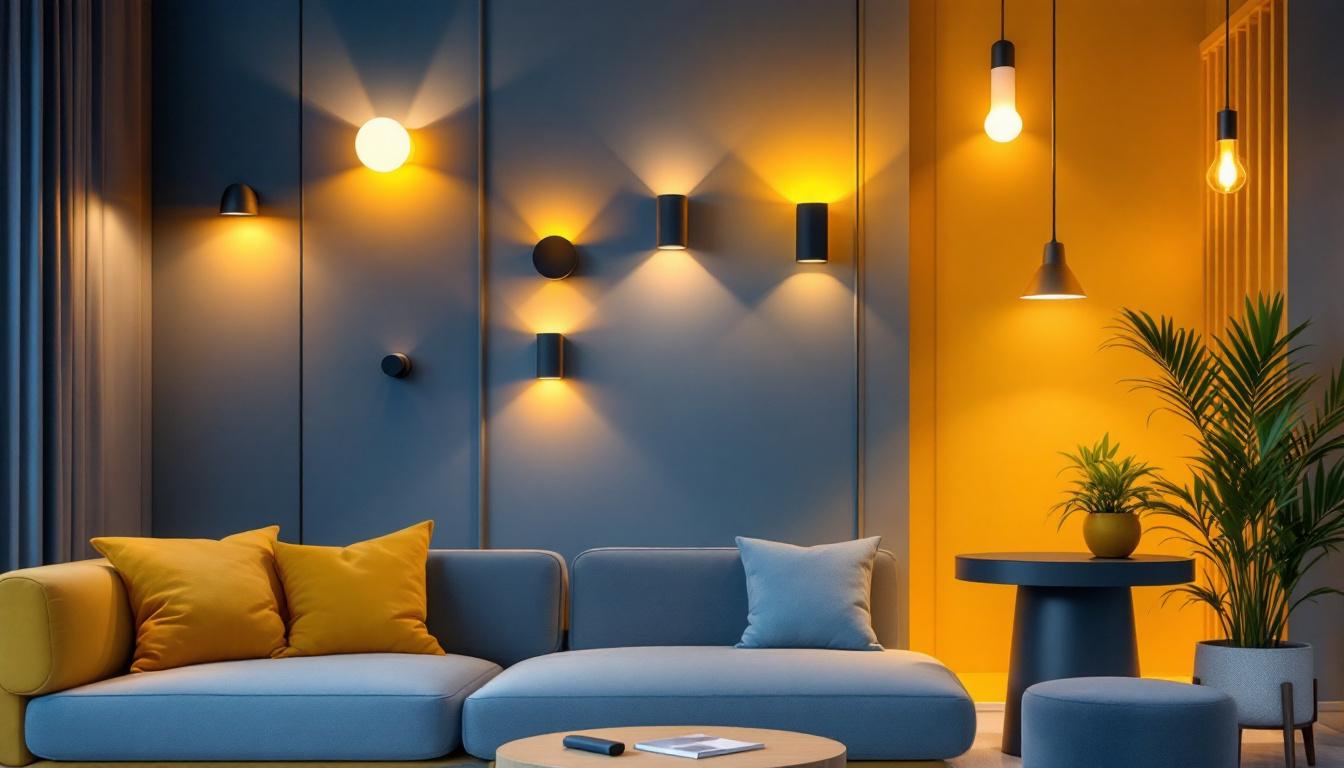
Modern interior design trends favor minimalism and clean lines, which have influenced the style of wall lighting fixtures. Lighting contractors often encounter requests for sconces and wall lamps that blend seamlessly with the surrounding décor, avoiding visual clutter while providing effective illumination.
Fixtures with slim profiles, matte finishes, and hidden light sources are increasingly popular. These designs emphasize indirect lighting techniques, such as wall washing and grazing, which highlight textures and architectural details without overpowering the space. The focus on energy efficiency has also led to the integration of LED technology in these minimalist designs, allowing for longer-lasting illumination while reducing energy consumption. As a result, homeowners are not only embracing aesthetics but also prioritizing sustainability in their lighting choices.
Statement Lighting as Art
Conversely, there is a growing appetite for statement wall lighting that serves as an artistic focal point. Bold shapes, sculptural forms, and innovative materials are being used to create fixtures that double as wall art. This trend offers lighting contractors opportunities to collaborate with interior designers and architects to deliver bespoke solutions that elevate interiors.
These striking fixtures often incorporate unexpected elements, such as mixed metals, glass, and even natural materials like wood or stone, which add depth and character to a space. Designers are increasingly experimenting with color and texture, creating pieces that not only illuminate but also provoke conversation and enhance the overall ambiance. As homeowners seek to express their individuality, the demand for unique, custom-designed wall lighting continues to rise, pushing the boundaries of traditional lighting design and transforming walls into canvases of creativity.
Energy Efficiency and Sustainability Considerations
Energy efficiency is no longer optional but a critical consideration in all lighting projects. Interior wall lights contribute significantly to a building’s overall energy consumption, especially in commercial settings. Lighting contractors must prioritize fixtures that meet or exceed energy standards such as ENERGY STAR certification. By selecting energy-efficient lighting solutions, businesses can not only reduce their utility bills but also minimize their carbon footprint, which is increasingly important in today’s environmentally conscious market. Furthermore, the integration of smart lighting systems, which allow for automated control and scheduling, can enhance energy savings even further by ensuring that lights are only used when necessary.
In addition to energy savings, sustainability encompasses the use of environmentally friendly materials and responsible manufacturing processes. Fixtures made from recycled or recyclable materials, as well as those designed for easy disassembly and recycling at end-of-life, are increasingly in demand. This aligns with broader industry moves toward green building certifications like LEED and WELL. Moreover, the adoption of LED technology not only provides longer lifespans and lower energy usage but also reduces the need for frequent replacements, further decreasing waste. As consumers become more aware of their choices, manufacturers are responding by innovating products that not only meet aesthetic needs but also adhere to stringent environmental standards, thus fostering a culture of sustainability within the lighting industry.
Installation and Maintenance: Challenges and Best Practices
Wiring and Compatibility
Installing interior wall lights requires careful attention to wiring and compatibility with existing electrical systems. Lighting contractors must assess load capacities, switch types, and dimmer compatibility to ensure safe and optimal operation. The shift toward low-voltage LED systems introduces additional considerations, such as transformer placement and wiring gauge. Furthermore, understanding the nuances of different lighting technologies—like incandescent, fluorescent, and LED—can significantly impact energy efficiency and overall performance. For instance, while LEDs offer longevity and reduced energy consumption, their installation may necessitate specific dimmers designed to work with their unique electrical characteristics. This comprehensive evaluation ensures that the chosen lighting not only meets aesthetic preferences but also aligns with functional requirements and energy standards.
Accessibility for Maintenance
Designing installations with maintenance in mind helps reduce long-term costs and downtime. Easily accessible fixtures facilitate bulb replacement, cleaning, and repairs. Lighting contractors should advise clients on the benefits of modular designs and quick-release mounting systems that simplify upkeep. Additionally, incorporating smart lighting technology can enhance maintenance efficiency; systems that provide diagnostic feedback can alert users to issues before they become significant problems, allowing for proactive rather than reactive maintenance. Moreover, when planning the layout of lighting fixtures, considering the height and placement can prevent unnecessary strain during maintenance tasks. This foresight not only enhances safety but also ensures that the lighting remains functional and visually appealing over time, ultimately contributing to a more sustainable and user-friendly environment.
The Future of Interior Wall Lighting
Looking ahead, interior wall lighting is poised to become even more integrated with smart building technologies. Advances in human-centric lighting, which adjusts spectrum and intensity to support circadian rhythms, will likely influence fixture design and control systems. Additionally, the incorporation of sensors for occupancy, daylight harvesting, and air quality monitoring will further embed wall lights into intelligent building ecosystems.
For lighting contractors, staying abreast of these developments will be essential to maintaining relevance and delivering value to clients. Continuous education, partnerships with manufacturers, and hands-on experience with emerging technologies will empower contractors to lead in this dynamic industry.
Conclusion
The evolution of interior wall lighting reflects broader trends in technology, design, and sustainability. From rudimentary fixtures to sophisticated, multifunctional installations, wall lights have become indispensable elements of modern interiors. Lighting contractors play a pivotal role in this evolution, bridging the gap between innovation and practical application.
By embracing advancements such as LED technology, smart integration, and sustainable materials, contractors can offer clients solutions that enhance aesthetics, improve energy efficiency, and future-proof spaces. Understanding historical context, current trends, and future directions equips professionals to meet the diverse demands of today’s lighting projects with confidence and expertise.
Illuminate Your Projects with LumenWholesale
As you navigate the evolving landscape of interior wall lighting, partner with LumenWholesale to bring your lighting projects to life. Our commitment to providing contractors with spec-grade lighting products at unbeatable wholesale prices ensures that you can offer your clients the perfect blend of aesthetics, efficiency, and innovation. With our extensive selection that meets the highest industry standards, you’ll find everything you need to create spaces that are both beautifully lit and sustainably designed. Take advantage of our hassle-free bulk buying options and free shipping to get premium lighting at the best value. Elevate your lighting solutions today by visiting Wholesale Lighting at the Best Value and discover how we can help you shine in the lighting industry.