Understanding Ceiling Fluorescent Lamps: A Foundation for Lighting Contractors
Ceiling fluorescent lamps have long been a staple in commercial, institutional, and industrial lighting due to their energy efficiency and relatively low operating costs. For lighting contractors, a thorough understanding of these fixtures is essential to ensure optimal installation, maintenance, and client satisfaction.
Fluorescent lamps operate by exciting mercury vapor inside a glass tube, producing ultraviolet light that then causes a phosphor coating inside the tube to fluoresce, emitting visible light. This technology offers several advantages, including higher luminous efficacy compared to incandescent bulbs and a longer lifespan. However, the complexity of fluorescent fixtures, including ballasts and starters, requires specialized knowledge for proper handling.
Lighting contractors must stay informed about the latest developments in fluorescent technology, such as electronic ballasts, which have largely replaced magnetic ballasts due to their improved energy efficiency, reduced flicker, and quieter operation. Understanding these components is crucial when recommending solutions to clients or troubleshooting issues.
Moreover, the design and placement of ceiling fluorescent lamps can significantly impact the overall lighting quality in a space. Factors such as the color temperature of the bulbs, which can range from warm white to cool daylight, play a critical role in setting the ambiance of a room. For instance, cooler temperatures are often preferred in workspaces to enhance alertness and productivity, while warmer tones may be more suitable for relaxation areas. Contractors should also consider the layout of fixtures to minimize shadows and ensure uniform light distribution, which can enhance both functionality and aesthetics in commercial environments.
In addition to understanding the technical aspects of fluorescent lamps, contractors must also be aware of the environmental considerations associated with their use. Fluorescent lamps contain small amounts of mercury, which necessitates proper disposal methods to prevent environmental contamination. As sustainability becomes increasingly important in the lighting industry, contractors should educate clients on recycling programs and the benefits of transitioning to LED alternatives, which offer even greater energy savings and reduced environmental impact. This knowledge not only positions contractors as informed professionals but also helps clients make responsible choices for their lighting needs.
Key Considerations When Installing Ceiling Fluorescent Lamps
Fixture Selection and Compatibility
Choosing the right fluorescent fixture is the first critical step. Contractors should consider the lamp type (e.g., T5, T8, T12), fixture size, and ballast compatibility. T8 lamps, for instance, have become the industry standard due to their balance of efficiency and cost, while T5 lamps offer higher efficiency but at a higher initial cost. When selecting fixtures, it’s also important to consider the intended use of the space; for example, T5 lamps are often favored in commercial settings where high lumen output is required, while T8 fixtures may be more suitable for residential applications.
Compatibility between lamps and ballasts is paramount. Using mismatched components can lead to reduced lamp life, flickering, or even fixture failure. Electronic ballasts designed for specific lamp types should be prioritized to maximize performance and energy savings. Additionally, contractors should consider the dimming capabilities of the ballast, as this can provide added flexibility in lighting design and enhance the functionality of the space. Understanding the specific needs of the environment can lead to more informed decisions that improve overall satisfaction with the lighting installation.
Proper Mounting and Wiring Techniques
Accurate mounting ensures both safety and optimal light distribution. Ceiling fluorescent fixtures are often installed in suspended ceilings, requiring precise alignment and secure fastening to avoid vibration or sagging over time. Contractors must adhere to manufacturer guidelines and local electrical codes to guarantee safety and compliance. The use of appropriate mounting hardware is also crucial; for instance, using toggle bolts in drywall ceilings can provide added support and stability, especially in high-traffic areas.
Wiring should be executed with attention to detail. Using the correct gauge wire, ensuring secure connections, and properly grounding the fixture are essential steps. Additionally, contractors should verify that the power supply matches the ballast’s voltage requirements to prevent damage. It is also advisable to label all wiring connections clearly, which can facilitate future maintenance or upgrades. Incorporating circuit breakers or fuses can further enhance safety by providing protection against overloads, ensuring that the installation remains reliable over time.
Energy Efficiency and Regulatory Compliance
Energy codes and regulations increasingly emphasize efficiency, making it vital for contractors to recommend fixtures that meet or exceed standards such as those set by ENERGY STAR or local building codes. Electronic ballasts and high-efficiency lamps can significantly reduce energy consumption and operating costs for clients. Moreover, the integration of smart lighting controls can enhance energy savings by allowing for automated adjustments based on occupancy or natural light levels, further optimizing the use of fluorescent lighting in various environments.
Lighting contractors should also be aware of regulations regarding mercury content and disposal, as fluorescent lamps contain small amounts of mercury. Proper handling and recycling protocols are essential to comply with environmental regulations and promote sustainability. In addition, educating clients about the importance of responsible disposal can foster a culture of environmental stewardship. Providing information on local recycling programs or hazardous waste disposal sites can empower clients to make informed decisions about their lighting systems, ensuring that they contribute positively to environmental conservation efforts.
Maintenance and Troubleshooting Tips for Ceiling Fluorescent Lamps
Routine Inspection and Cleaning
Regular maintenance extends the life of fluorescent fixtures and maintains light quality. Dust and dirt accumulation on lamps and reflectors can reduce light output by up to 30%, impacting energy efficiency and visual comfort. Contractors should advise clients on scheduled cleaning routines and offer maintenance services where appropriate. This cleaning process can be as simple as wiping down the fixtures with a damp cloth or using a vacuum with a brush attachment to remove dust without damaging the lamp surfaces. Additionally, using a mild detergent can help remove stubborn grime that may have built up over time, ensuring that the fixtures operate at peak performance.
Inspecting fixtures for signs of wear, such as darkened lamp ends or flickering, can preempt failures. Early detection allows for timely replacement of lamps or ballasts, minimizing downtime and inconvenience. It’s also beneficial to check the alignment of fixtures, as improper positioning can lead to uneven lighting and shadows in the workspace. Keeping a log of maintenance activities can help track the performance of fixtures over time, making it easier to identify patterns or recurring issues that may require more in-depth investigation.
Common Issues and Their Solutions
Flickering lights are a frequent complaint and can stem from several causes, including failing ballasts, loose wiring, or aging lamps. Contractors should systematically diagnose the issue, starting with lamp replacement and progressing to ballast testing if problems persist. In some cases, flickering can also be attributed to voltage fluctuations in the electrical supply, so it’s wise to check the circuit for any irregularities that might affect performance. Keeping spare lamps and ballasts on hand can significantly reduce response time when addressing these issues.
Buzzing noises often indicate magnetic ballast issues or loose components. Replacing magnetic ballasts with electronic alternatives can resolve noise problems and improve energy efficiency. Furthermore, ensuring that all connections are tight and secure can help eliminate vibrations that contribute to buzzing sounds. If noise persists after these adjustments, it may be worthwhile to consider upgrading to LED fixtures, which operate silently and offer longer lifespans, further enhancing the overall lighting experience.
In cases where lamps fail to start or exhibit delayed ignition, checking the starter (if applicable) and ballast is essential. Modern electronic ballasts typically eliminate the need for starters, simplifying troubleshooting. However, if older fixtures are in use, replacing the starter can often resolve these issues quickly. Additionally, ensuring that the fixtures are not subjected to extreme temperatures or humidity can prevent premature failures, as these environmental factors can adversely affect the performance of fluorescent lamps. Regularly reviewing the operational environment can help maintain optimal conditions for lighting systems.
Advancements and Alternatives: Preparing for the Future
The Shift Toward LED Technology
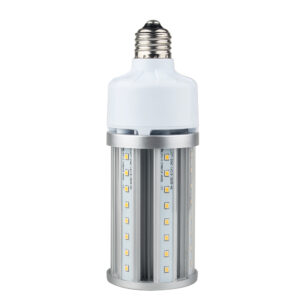
While fluorescent lamps remain prevalent, the lighting industry is witnessing a significant shift toward LED technology. LEDs offer superior energy efficiency, longer lifespans, and reduced environmental impact due to the absence of mercury. Lighting contractors should familiarize themselves with LED retrofit kits designed for fluorescent fixtures, enabling clients to upgrade existing installations cost-effectively.
Advising clients on the benefits and potential cost savings of LED conversions can position contractors as trusted experts and open new business opportunities. Understanding the nuances of LED drivers, color temperature options, and dimming capabilities is essential for successful implementation.
Hybrid and Smart Lighting Solutions
Emerging trends include integrating smart controls with fluorescent and LED lighting systems. Occupancy sensors, daylight harvesting, and networked lighting controls enhance energy savings and user comfort. Contractors should explore these technologies to provide comprehensive lighting solutions that meet modern building requirements.
Training in smart lighting installation and programming can differentiate contractors in a competitive market, enabling them to offer value-added services that align with client sustainability goals.
Best Practices for Client Communication and Project Management
Assessing Client Needs and Site Conditions
Successful lighting projects begin with a thorough assessment of client requirements and site conditions. Contractors should conduct detailed surveys to evaluate existing lighting levels, fixture conditions, and electrical infrastructure. Understanding the client’s budget, aesthetic preferences, and operational needs helps tailor solutions that balance performance and cost.
Providing clients with clear, data-driven recommendations—including energy savings estimates and maintenance projections—builds trust and facilitates informed decision-making.
Documentation and Compliance Assurance
Maintaining comprehensive documentation throughout the project lifecycle is crucial. This includes wiring diagrams, fixture specifications, and compliance certifications. Proper records support warranty claims, future maintenance, and regulatory inspections.
Contractors should also ensure that all work complies with relevant electrical and building codes, securing necessary permits and inspections. Demonstrating adherence to standards protects both the contractor and the client from liability and ensures project success.
Ongoing Support and Service Agreements
Offering post-installation support and maintenance agreements can enhance client satisfaction and generate recurring revenue. Regular follow-ups to assess fixture performance and address issues reinforce the contractor’s commitment to quality and service.
Educating clients on proper lamp replacement schedules, cleaning protocols, and energy-saving practices empowers them to maximize the benefits of their lighting systems.
Conclusion: Elevating Expertise in Ceiling Fluorescent Lighting
For lighting contractors, mastery of ceiling fluorescent lamp technology is a vital component of delivering effective and efficient lighting solutions. By understanding the intricacies of fixture selection, installation, maintenance, and emerging trends, contractors can provide superior service that meets client expectations and regulatory demands.
Staying abreast of technological advancements, particularly the transition toward LED and smart lighting, positions contractors for sustained success in a rapidly evolving industry. Through diligent project management, clear client communication, and commitment to quality, lighting contractors can confidently navigate the complexities of ceiling fluorescent lighting and contribute to well-lit, energy-efficient environments.
Upgrade Your Lighting Solutions with LumenWholesale
Ready to elevate your lighting projects with the highest quality ceiling fluorescent lamps and advanced LED alternatives? Look no further than LumenWholesale, where we provide contractors with spec-grade lighting products at unbeatable wholesale prices. Say goodbye to local distributor markups and hello to our extensive selection that meets rigorous industry standards. Plus, with free shipping on bulk orders, you can ensure your projects shine with premium lighting at the best value. Don’t compromise on quality or cost. Discover wholesale lighting at the best value today and light up your projects with confidence and convenience.