Introduction to Outdoor Strip Lighting and Its Growing Market
Outdoor strip lighting has rapidly evolved from a niche decorative option to a mainstream solution embraced by homeowners, commercial property managers, and public spaces alike. For lighting contractors, this trend represents a significant opportunity to expand service offerings and increase profitability. Understanding the nuances of outdoor strip lighting—from design possibilities to installation challenges—can directly impact a contractor’s bottom line.
As the demand for energy-efficient, customizable, and aesthetically pleasing outdoor lighting grows, contractors who master outdoor strip lighting stand to benefit from increased project volume and higher-value contracts. This article explores how outdoor strip lighting ideas influence the financial outcomes for lighting contractors, offering insights into market dynamics, installation best practices, and strategic business considerations.
The versatility of outdoor strip lighting is one of its most appealing attributes. Available in various colors, lengths, and brightness levels, these lights can be tailored to fit any outdoor setting, from cozy residential patios to expansive commercial landscapes. Moreover, advancements in LED technology have made it possible to create dynamic lighting effects that can enhance the ambiance of outdoor gatherings or highlight architectural features. This adaptability not only meets the diverse aesthetic needs of clients but also allows contractors to showcase their creativity and technical skills, setting them apart in a competitive market.
Furthermore, the growing trend toward smart home integration has opened new avenues for outdoor strip lighting applications. Many homeowners are now seeking solutions that can be controlled via smartphone apps or voice-activated systems, allowing for remote operation and customization of lighting schemes. This shift toward automation not only enhances user convenience but also encourages energy savings, as homeowners can easily adjust lighting levels based on their needs. For contractors, staying abreast of these technological advancements is crucial; it not only enriches their service portfolio but also positions them as forward-thinking professionals in the eyes of potential clients.
Market Trends Driving Demand for Outdoor Strip Lighting
Energy Efficiency and Sustainability
One of the primary drivers behind the surge in outdoor strip lighting is the global push toward energy efficiency. LED strip lights are inherently low-power, long-lasting, and environmentally friendly, making them attractive to clients seeking sustainable lighting solutions. Lighting contractors who emphasize these benefits can appeal to eco-conscious customers and commercial clients aiming to reduce operational costs and carbon footprints. Furthermore, the longevity of LED technology means less frequent replacements, which not only saves money but also minimizes waste, aligning with the growing consumer preference for sustainable practices. As more municipalities adopt regulations promoting energy-efficient products, the demand for outdoor strip lighting is likely to continue its upward trajectory.
Versatility and Customization
Outdoor strip lighting offers unparalleled versatility. From accentuating architectural features and landscaping elements to creating ambiance in outdoor dining areas or pathways, strip lights can be tailored in color, brightness, and placement. This flexibility allows contractors to propose creative lighting designs that enhance property value and client satisfaction, opening doors to premium pricing and repeat business. Additionally, the ability to integrate strip lighting into various outdoor settings—from residential patios to commercial storefronts—means that contractors can cater to a diverse clientele. The trend of outdoor living spaces has also contributed to this demand, as homeowners increasingly seek to extend their living areas into the outdoors, making effective lighting essential for usability and aesthetics.
Technological Advancements
Advances in smart lighting technology have further fueled demand. Integration with wireless controls, color-changing capabilities, and programmable lighting sequences enable dynamic outdoor environments. Contractors who stay abreast of these technologies can differentiate themselves by offering cutting-edge solutions that command higher margins. Moreover, the rise of home automation systems has made it easier for consumers to incorporate outdoor lighting into their overall smart home setups. Features such as voice control and remote access not only enhance convenience but also allow for creative lighting scenarios that can be adjusted based on mood or occasion. As this technology continues to evolve, the potential for innovative applications in outdoor strip lighting will likely expand, leading to even more exciting opportunities for contractors in the industry.
How Outdoor Strip Lighting Impacts Installation and Labor Costs
Complexity of Installation
While outdoor strip lighting may appear straightforward, installation can be complex depending on the project scope. Proper surface preparation, weatherproofing, and electrical considerations require skilled labor. Contractors who invest in training and quality installation practices reduce callbacks and warranty claims, protecting profitability. Moreover, the intricacies of working with various outdoor environments, such as uneven surfaces or extreme weather conditions, can further complicate the installation process. For instance, ensuring that the lighting is securely mounted and properly angled for optimal illumination requires a keen understanding of both the product and the specific site conditions.
Material Costs and Sourcing
High-quality outdoor-rated strip lighting materials, including waterproof casings and durable adhesives or mounting hardware, tend to be more expensive than indoor alternatives. Contractors must balance material costs with client expectations for longevity and performance. Establishing relationships with reliable suppliers can secure better pricing and availability, improving project margins. Additionally, considering the environmental impact of materials is becoming increasingly important. Many clients are now seeking energy-efficient options that not only reduce electricity costs but also contribute to sustainability efforts. This demand for eco-friendly materials can influence sourcing decisions and potentially lead to higher upfront costs, but it often results in long-term savings and customer satisfaction.
Time Efficiency and Project Management
Efficient project management is crucial. Outdoor strip lighting projects can vary from small residential jobs to large commercial installations. Contractors who develop streamlined workflows—such as pre-cutting strips, pre-programming controllers, and scheduling work to minimize weather disruptions—can reduce labor hours and increase profitability. Furthermore, leveraging technology for project management, such as using software to track progress and communicate with team members, can enhance coordination and reduce delays. By adopting a proactive approach to potential challenges, such as unexpected site conditions or supply chain issues, contractors can maintain momentum and ensure that projects stay on schedule, ultimately leading to better client relationships and repeat business.
Design Considerations That Influence Contractor Profitability
Client Consultation and Custom Design
Effective communication during the design phase ensures that client expectations align with budget and technical feasibility. Contractors who offer detailed proposals with visualizations or mock-ups can upsell premium design features, such as multi-zone lighting or integration with existing landscape elements. This consultative approach builds trust and justifies higher fees.
Balancing Aesthetics and Functionality
Successful outdoor strip lighting installations balance beauty with practical illumination. Over-lighting wastes energy and can detract from the intended ambiance, while under-lighting compromises safety and usability. Contractors who demonstrate expertise in lighting design principles can optimize material use and client satisfaction, leading to positive referrals and repeat business.
Durability and Maintenance Planning
Outdoor environments expose strip lighting to moisture, temperature fluctuations, and physical wear. Contractors who specify durable products and educate clients on maintenance requirements reduce the risk of premature failures. Offering maintenance contracts or extended warranties can create additional revenue streams.
Marketing and Business Strategies for Lighting Contractors
Positioning as Outdoor Lighting Specialists
Lighting contractors who position themselves as specialists in outdoor strip lighting can capture a niche market segment. This includes developing portfolio showcases, customer testimonials, and case studies that highlight successful projects. Specialization can justify premium pricing and reduce competition from general electricians or DIY suppliers.
Leveraging Digital Tools and Social Media
Visual platforms such as Instagram and Pinterest are ideal for showcasing outdoor lighting projects. Contractors who invest in high-quality photography and engaging content can attract new clients and establish brand authority. Additionally, offering virtual consultations and digital design previews can streamline the sales process.
Collaborations and Partnerships
Forming partnerships with landscapers, architects, and property developers can generate steady referral streams. Collaborative projects often involve larger budgets and more complex lighting requirements, allowing contractors to demonstrate expertise and command higher fees.
Case Studies: Real-World Examples of Profit Impact
Residential Landscape Lighting Upgrade
A lighting contractor working with a high-end residential client incorporated outdoor strip lighting to highlight garden pathways and water features. By proposing a smart lighting system with color-changing LEDs and remote control, the contractor increased the project value by 35% compared to a standard lighting upgrade. The client’s satisfaction led to referrals, expanding the contractor’s residential market share.
Commercial Outdoor Dining Area Enhancement
For a restaurant client, a contractor designed and installed waterproof strip lighting under awnings and along railings to create an inviting atmosphere. The project required careful coordination to meet health and safety codes, but the contractor’s expertise allowed for a smooth installation. The restaurant reported increased evening patronage, and the contractor secured a maintenance contract, adding recurring revenue.
Public Park Pathway Illumination
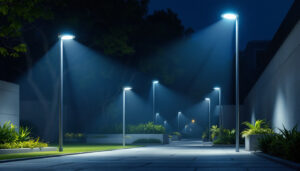
In a municipal project, a contractor installed solar-powered strip lighting along park walkways to improve safety and aesthetics. The use of renewable energy solutions aligned with the city’s sustainability goals, resulting in positive publicity. The contractor’s ability to deliver on time and within budget enhanced their reputation, leading to additional municipal contracts.
Challenges and Risks in Outdoor Strip Lighting Projects
Weather and Environmental Factors
Outdoor installations are vulnerable to weather-related issues such as water ingress, UV degradation, and temperature extremes. Contractors must select appropriate materials and installation techniques to mitigate these risks. Failure to do so can result in costly repairs and damage to reputation.
Regulatory Compliance and Permitting
Lighting contractors must navigate local regulations regarding outdoor lighting, including brightness limits, light pollution controls, and electrical safety codes. Staying informed and proactive in securing permits prevents project delays and fines.
Client Expectations and Communication
Misaligned expectations about lighting effects, costs, or timelines can jeopardize client relationships. Clear contracts, detailed proposals, and regular updates are essential to maintain trust and ensure project success.
Conclusion: Maximizing Profit Through Expertise in Outdoor Strip Lighting
Outdoor strip lighting represents a lucrative and growing segment within the lighting industry. For contractors, success hinges on combining technical proficiency with creative design, efficient project management, and strategic marketing. By embracing the latest technologies, understanding client needs, and delivering high-quality installations, lighting contractors can significantly enhance their bottom line.
Investing in education, building strong supplier and partner networks, and positioning as outdoor lighting specialists will enable contractors to capitalize on this dynamic market. Ultimately, outdoor strip lighting is not just a design trend—it’s a business opportunity that can drive sustainable growth and profitability.
Illuminate Your Projects with LumenWholesale
Ready to elevate your outdoor strip lighting projects and boost your bottom line? Look no further than LumenWholesale for all your lighting needs. Our extensive selection of spec-grade lighting products is designed to meet the highest industry standards, ensuring you deliver exceptional quality to your clients. With unbeatable wholesale prices and the convenience of free shipping on bulk orders, we provide the value and reliability that lighting contractors require. Don’t let inflated markups diminish your profits. Choose LumenWholesale for the perfect blend of quality, affordability, and convenience. Wholesale Lighting at the Best Value is just a click away.