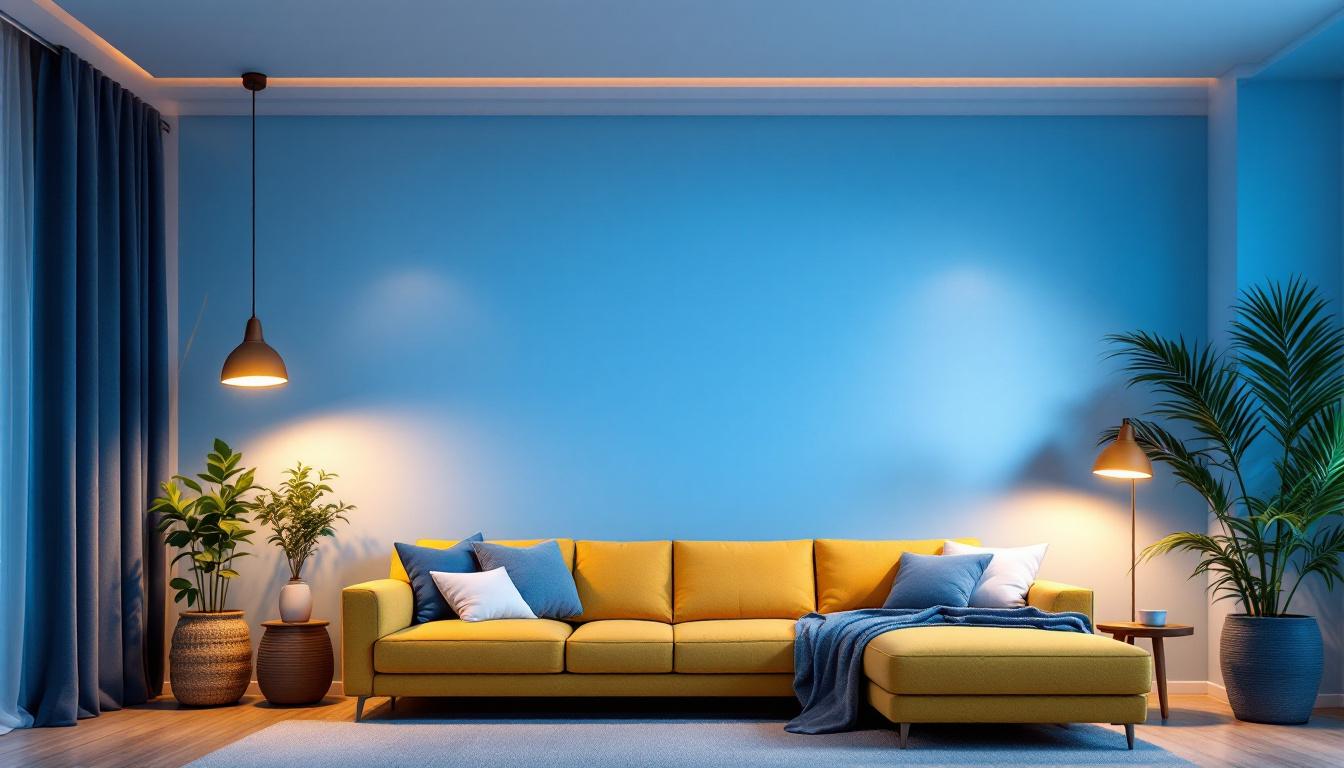
Understanding the Importance of Proper Ceiling Lighting in Living Rooms
For lighting contractors, the living room often represents the heart of a home—a space where ambiance, functionality, and aesthetics converge. Ceiling lighting plays a pivotal role in defining this environment, influencing everything from mood to usability. However, achieving the perfect ceiling lighting setup requires more than just installing fixtures; it demands a nuanced understanding of spatial dynamics, lighting technology, and client needs.
Many contractors underestimate the complexity of living room lighting, leading to common pitfalls that can compromise both the visual appeal and comfort of the space. In this guide, we will explore critical mistakes to avoid and share best practices to help contractors deliver lighting solutions that elevate living rooms to their full potential.
One of the key considerations in ceiling lighting is the layering of light sources. A well-designed lighting scheme incorporates ambient, task, and accent lighting to create a harmonious atmosphere. Ambient lighting provides the overall illumination needed for the space, while task lighting focuses on specific areas where activities like reading or playing games occur. Accent lighting, on the other hand, highlights architectural features or artwork, adding depth and character to the room. By thoughtfully combining these layers, contractors can ensure that the living room is not only functional but also inviting and visually appealing.
Moreover, the choice of fixtures can dramatically influence the room’s aesthetic. From sleek modern designs to rustic chandeliers, the style of ceiling lights should complement the overall decor theme of the living room. Additionally, energy-efficient options, such as LED lighting, are becoming increasingly popular due to their longevity and reduced energy consumption. Contractors should also consider the color temperature of the bulbs; warmer tones can create a cozy atmosphere, while cooler tones can lend a more vibrant and energetic feel. By staying attuned to trends and innovations in lighting technology, contractors can provide clients with tailored solutions that enhance their living spaces.
Common Mistakes in Ceiling Living Room Lighting and How to Avoid Them
1. Overlooking Layered Lighting Concepts
One of the most frequent errors is relying solely on a single ceiling fixture as the primary light source. Living rooms benefit immensely from layered lighting—combining ambient, task, and accent lighting to create a versatile and inviting atmosphere.
Ambient lighting provides general illumination, task lighting supports specific activities like reading or playing games, and accent lighting highlights architectural features or artwork. Neglecting this layered approach can result in spaces that feel either too harsh or insufficiently lit.
Lighting contractors should recommend a combination of ceiling fixtures, floor lamps, wall sconces, and even smart lighting controls to clients. This approach ensures adaptability and enhances the overall user experience. For instance, strategically placed floor lamps can create cozy reading nooks, while wall sconces can add a touch of elegance and warmth, making the living room feel more inviting during evening gatherings.
Moreover, incorporating dimmable options within each layer of lighting allows homeowners to adjust the ambiance based on the time of day or the occasion, further enhancing the versatility of the space. This thoughtful layering not only elevates the aesthetic appeal but also contributes to a more functional living environment.
2. Ignoring Room Size and Ceiling Height
Failing to tailor lighting solutions to the dimensions and ceiling height of the living room is a critical oversight. A fixture that looks proportionate in a small room may overwhelm a larger space, while a delicate chandelier might get lost in a room with high ceilings.
Contractors must assess the room’s size and ceiling height before selecting fixtures. For example, recessed lighting works well in rooms with lower ceilings, providing unobtrusive illumination without sacrificing headroom. Conversely, pendant lights or chandeliers can add character and scale to rooms with higher ceilings.
Calculating the appropriate lumen output based on room size is also essential. A general rule is to provide 10-20 lumens per square foot for ambient lighting, adjusting as needed for task or accent lighting. Additionally, considering the layout and furniture arrangement is crucial; for example, a large sectional sofa may require more focused task lighting to ensure that every corner of the seating area is well-lit.
Furthermore, using multiple smaller fixtures instead of one large fixture can create a more balanced look in spacious living rooms, allowing for a more even distribution of light and reducing the likelihood of dark corners.
3. Neglecting Color Temperature and CRI
Color temperature and Color Rendering Index (CRI) significantly impact the ambiance and how colors appear under artificial light. Many contractors overlook these factors, resulting in lighting that feels unnatural or unflattering.
Warm white light (2700K to 3000K) is typically preferred in living rooms for its cozy and inviting quality. However, cooler temperatures may be appropriate in modern or minimalist designs. Ensuring a high CRI (above 80) is crucial for accurate color representation, especially in spaces where artwork or décor is prominent.
Lighting contractors should educate clients on these aspects and select fixtures and bulbs that align with the desired atmosphere and design intent. For instance, using LED bulbs with adjustable color temperatures can provide flexibility, allowing homeowners to switch between warm and cool lighting depending on the time of day or activity. This adaptability can enhance the overall mood of the room, making it feel more dynamic and responsive to the needs of its inhabitants.
Additionally, considering the natural light sources in the room is vital. The interplay between natural and artificial light can create a harmonious environment, so selecting fixtures that complement the existing daylight can further enhance the living space.
4. Skipping Dimmers and Smart Controls
Lighting control is an often-overlooked element that can drastically enhance living room lighting functionality. Installing dimmers or integrating smart lighting systems allows users to adjust brightness levels according to time of day, activity, or mood.
Without dimmers, fixed brightness levels can lead to discomfort or inefficient energy use. Smart controls also enable scene setting, remote operation, and integration with other smart home devices, adding value and convenience.
Contractors should prioritize including dimmers and recommend compatible fixtures and bulbs, ensuring seamless integration and user-friendly operation. For example, a well-placed dimmer switch can transform a bright, functional space into a cozy retreat for movie nights or intimate gatherings with friends. Additionally, smart lighting systems can be programmed to gradually brighten in the morning, mimicking natural sunlight and promoting a more pleasant waking experience.
Moreover, the ability to control lighting via smartphone apps or voice commands adds an extra layer of convenience, allowing homeowners to adjust their environment without having to get up from their seats. This modern approach to lighting control not only enhances comfort but also contributes to energy efficiency, as users can easily turn off lights in unoccupied areas.
5. Poor Fixture Placement and Spacing
Even the best fixtures can fail to deliver if they are poorly placed. Uneven lighting, shadows, and glare often stem from incorrect fixture spacing or positioning.
For recessed lighting, a common guideline is to space fixtures approximately half the ceiling height apart to achieve uniform illumination. For example, in an 8-foot ceiling, fixtures should be spaced about 4 feet apart.
Additionally, fixtures should be positioned to avoid glare on television screens or reflective surfaces. Contractors must consider furniture layout and focal points during installation to optimize lighting distribution. This means taking into account the placement of sofas, coffee tables, and entertainment units to ensure that light is evenly distributed across the room, enhancing both functionality and aesthetics.
Furthermore, utilizing adjustable fixtures can provide flexibility in directing light where it’s needed most. For instance, track lighting can be repositioned to highlight specific areas or artwork, adding a dynamic element to the living room design. By carefully planning fixture placement and spacing, contractors can create a well-lit environment that feels both inviting and functional.
Advanced Considerations for Lighting Contractors
Incorporating Energy Efficiency and Sustainability
With growing emphasis on sustainability, energy-efficient lighting solutions are no longer optional but expected. LED technology offers significant advantages, including lower energy consumption, longer lifespan, and reduced maintenance costs.
Contractors should recommend LED fixtures and bulbs with ENERGY STAR certification or similar credentials. Additionally, integrating occupancy sensors or daylight harvesting controls can further reduce energy waste by adjusting lighting based on room usage and natural light availability.
Adapting to Diverse Living Room Styles and Client Preferences
Every living room has a unique style, from traditional to contemporary, rustic to industrial. Lighting contractors must be adept at selecting fixtures that complement these styles while meeting functional requirements.
For instance, a mid-century modern living room might benefit from sleek, geometric pendant lights, whereas a farmhouse-style room could be enhanced with wrought iron chandeliers or lantern-style fixtures. Understanding client preferences and lifestyle is essential to recommending lighting that resonates personally and aesthetically.
Addressing Acoustic and Visual Comfort
Lighting can influence more than just visual appeal—it also affects comfort levels. Bright, harsh lighting can cause eye strain, while flickering or buzzing fixtures can contribute to discomfort and distraction.
Contractors should specify high-quality fixtures and bulbs that minimize flicker and noise. Additionally, considering acoustic treatments in conjunction with lighting can enhance the overall living room experience, especially in open-plan homes where sound control is challenging.
Ensuring Compliance with Electrical Codes and Safety Standards
Adherence to local electrical codes and safety standards is paramount. Incorrect wiring, improper fixture mounting, or use of non-rated fixtures can lead to hazards such as electrical fires or shocks.
Contractors must stay updated on relevant regulations and ensure that all installations meet or exceed these requirements. This includes proper grounding, use of appropriate junction boxes, and verifying that fixtures are rated for the intended environment (e.g., damp-rated for rooms with humidity).
Practical Tips for Successful Ceiling Lighting Installations
Conduct Thorough Site Assessments
Before installation, a comprehensive assessment of the living room is crucial. This includes measuring dimensions, noting ceiling height and type, identifying natural light sources, and understanding furniture layout.
Such assessments inform fixture selection, placement, and control strategies, reducing the likelihood of costly adjustments post-installation.
Collaborate Closely with Clients and Designers
Effective communication with clients and interior designers ensures that lighting solutions align with overall design goals and user needs. Discussing preferences, daily routines, and special requirements helps tailor installations that truly enhance the living room experience.
Test Lighting Scenarios Before Finalizing
Whenever possible, contractors should test lighting setups using temporary fixtures or simulations. This allows for adjustments in brightness, color temperature, and fixture positioning before committing to permanent installation.
Such proactive measures save time and resources while increasing client satisfaction.
Provide Clear Maintenance and Usage Instructions
Educating clients on how to operate dimmers, smart controls, and replace bulbs properly extends the lifespan of the lighting system and ensures optimal performance.
Providing written guides or demonstrations can empower homeowners to maintain their living room lighting effectively.
Conclusion: Elevating Living Room Lighting Through Expertise and Attention to Detail
Ceiling lighting in living rooms is a nuanced discipline that demands expertise, creativity, and meticulous planning. By avoiding common mistakes—such as neglecting layered lighting, ignoring room characteristics, or omitting controls—lighting contractors can deliver installations that enhance both form and function.
Incorporating energy-efficient technologies, respecting client preferences, and adhering to safety standards further distinguish professional contractors in a competitive market. Ultimately, thoughtful ceiling lighting transforms living rooms into welcoming, adaptable spaces that enrich daily life.
For contractors committed to excellence, continuous learning and client collaboration remain key to mastering the art and science of living room lighting.
Get Your Premium Lighting Supplies at LumenWholesale
Ready to elevate your lighting projects with the finest selection of ceiling lights? At LumenWholesale, we provide lighting contractors with the high-quality, spec-grade lighting products you need to avoid common installation mistakes and exceed client expectations. Take advantage of our unbeatable wholesale prices and enjoy the benefits of purchasing directly from a trusted source. With free shipping on bulk orders, you can stock up on premium lighting solutions without worrying about hidden costs. Transform living rooms into beautifully lit spaces with the best value in lighting—visit LumenWholesale today and discover the ideal blend of quality, affordability, and convenience.