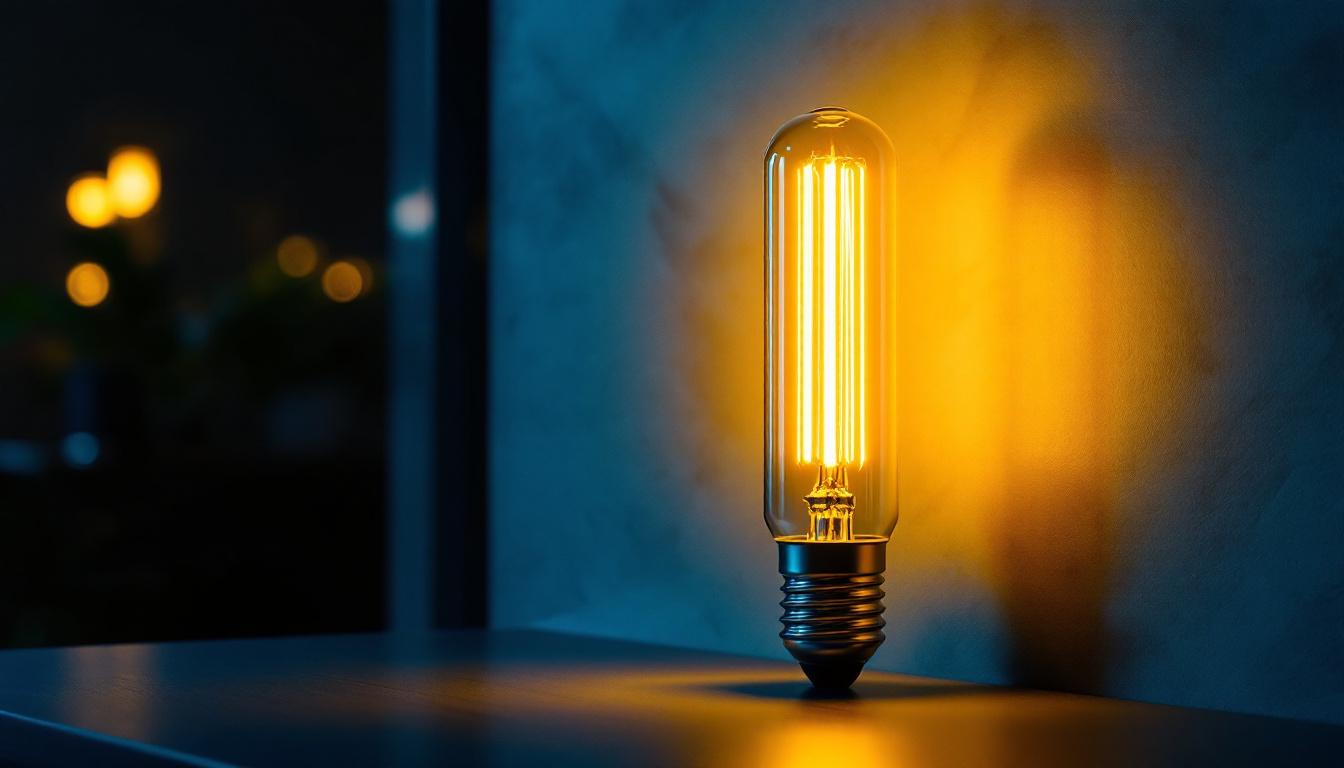
The Genesis of Long Tube Light Bulbs
Long tube light bulbs have been a cornerstone in the lighting industry for decades, serving a wide range of commercial, industrial, and residential applications. Originally designed to provide broad, even illumination over large areas, these bulbs have evolved significantly in terms of technology, efficiency, and design. For lighting contractors, understanding this evolution is crucial to making informed decisions that balance performance, cost, and sustainability.
The earliest long tube bulbs were primarily fluorescent tubes, which revolutionized lighting by offering a more energy-efficient alternative to incandescent bulbs. Their elongated shape allowed for greater light distribution, making them ideal for offices, warehouses, and retail spaces. However, these early versions had limitations, including mercury content, flickering issues, and relatively short lifespans compared to modern standards.
Fluorescent Tubes: The Industry Standard
Fluorescent tubes dominated the market for many years due to their efficiency and cost-effectiveness. They operate by passing an electric current through mercury vapor, which emits ultraviolet light that then excites a phosphor coating inside the tube to produce visible light. This process was groundbreaking at the time, reducing energy consumption by up to 75% compared to incandescent bulbs.
Despite their advantages, fluorescent tubes presented challenges such as warm-up time, flickering, and the need for ballasts. Additionally, the disposal of mercury-containing bulbs required special handling, which added complexity for contractors and end-users alike. As environmental concerns grew, the industry began to seek alternatives that would mitigate these issues while still providing effective lighting solutions.
Enter the LED revolution, which brought about a seismic shift in the lighting landscape. LED (Light Emitting Diode) technology has rapidly gained traction as a viable replacement for traditional fluorescent tubes. Unlike their predecessors, LED tubes do not contain hazardous materials, significantly simplifying disposal processes. They also boast an impressive lifespan, often exceeding 25,000 hours, and can operate efficiently at lower temperatures, reducing the risk of overheating in enclosed fixtures. This transition has not only enhanced safety but also provided a more sustainable option for consumers, aligning with the growing emphasis on eco-friendly practices in both residential and commercial settings.
Moreover, the versatility of LED long tube bulbs has expanded their applications beyond mere illumination. With advancements in smart lighting technology, these bulbs can now be integrated into automated systems, allowing users to control brightness, color temperature, and even scheduling through mobile apps. This level of customization not only enhances user experience but also contributes to energy savings, as lights can be programmed to turn off when not in use or adjust according to the time of day. As the market continues to evolve, lighting contractors must stay informed about these innovations to provide clients with the most effective and forward-thinking solutions available.
Transition to LED Long Tube Bulbs
The lighting industry witnessed a significant shift with the advent of LED (Light Emitting Diode) technology. LED long tube bulbs have rapidly become the preferred choice for lighting contractors due to their superior energy efficiency, longevity, and environmental benefits.
LEDs function differently from fluorescent tubes; they emit light through electroluminescence, which involves the movement of electrons in a semiconductor material. This fundamental difference results in numerous advantages that have propelled LED tubes to the forefront of lighting solutions.
Energy Efficiency and Cost Savings
One of the most compelling reasons for the transition to LED long tubes is their remarkable energy efficiency. LED tubes consume approximately 40-60% less energy than their fluorescent counterparts while delivering equal or better light output. For contractors, this translates into substantial cost savings for clients over the lifespan of the installation.
Moreover, LED long tubes have a significantly longer service life, often exceeding 50,000 hours, compared to around 10,000-15,000 hours for fluorescent tubes. This extended lifespan reduces maintenance frequency and costs, a critical consideration for large-scale commercial and industrial projects. The reduced need for replacements not only lowers operational costs but also minimizes disruptions in workflow, making LED tubes an ideal choice for environments where downtime can be costly.
Improved Light Quality and Flexibility
LED long tube bulbs provide superior light quality, with options for various color temperatures ranging from warm white to daylight. This flexibility allows contractors to tailor lighting solutions to specific environments, enhancing occupant comfort and productivity.
Additionally, LEDs offer instant-on capabilities without flickering or warm-up time, addressing common complaints associated with fluorescent lighting. The directional nature of LED light also reduces wasted light and glare, improving overall lighting effectiveness. Furthermore, the ability to dim LED tubes and integrate them with smart lighting systems provides an added layer of versatility, allowing for dynamic lighting solutions that can adapt to different tasks and moods throughout the day.
In commercial settings, the ability to customize lighting not only enhances aesthetic appeal but also plays a crucial role in energy management strategies. Businesses can leverage advanced lighting controls to optimize energy usage, further driving down costs while creating a more inviting atmosphere for employees and customers alike. As sustainability becomes increasingly important in corporate responsibility, the shift to LED technology aligns perfectly with eco-friendly initiatives, making it a win-win for both the environment and the bottom line.
Technological Innovations Shaping the Future
The evolution of long tube light bulbs continues with ongoing technological advancements that further enhance their functionality and sustainability. Lighting contractors must stay informed about these developments to offer cutting-edge solutions to their clients.
Smart Lighting Integration
Smart lighting technologies are increasingly being integrated into long tube lighting systems. These innovations include sensors, dimming controls, and wireless connectivity, enabling dynamic lighting environments that respond to occupancy, daylight levels, and user preferences.
For contractors, smart lighting presents opportunities to design energy-efficient, user-friendly systems that contribute to building automation and sustainability goals. The ability to remotely monitor and control lighting also simplifies maintenance and reduces operational costs. Furthermore, the integration of IoT (Internet of Things) capabilities allows for real-time data collection and analysis, providing insights into energy usage patterns and enabling predictive maintenance strategies. This not only enhances the overall efficiency of lighting systems but also empowers clients to make informed decisions regarding their energy consumption and environmental impact.
Advancements in Materials and Design
Material science has played a pivotal role in improving the durability and performance of long tube bulbs. Modern LED tubes often feature robust polycarbonate or glass enclosures with enhanced heat dissipation properties, extending their lifespan and reliability.
Innovative designs, such as shatter-resistant coatings and improved phosphor formulations, have further enhanced safety and light quality. These advancements are particularly important in environments where durability and consistent performance are critical, such as manufacturing facilities and healthcare settings. Additionally, the development of lightweight materials has made installation easier and more cost-effective, allowing for versatile applications in various architectural designs. The aesthetic appeal of these modern tube lights has also improved, with options available in different color temperatures and styles, enabling designers to create visually striking environments while maintaining functionality.
Environmental Impact and Regulatory Considerations
The lighting industry has faced increasing scrutiny regarding environmental impact and regulatory compliance. Long tube light bulbs, both fluorescent and LED, are subject to standards aimed at reducing energy consumption and hazardous material use.
Phasing Out Mercury and Hazardous Substances
Fluorescent tubes contain mercury, a toxic substance that poses environmental and health risks if not handled properly. Regulatory agencies worldwide have implemented strict guidelines for the disposal and recycling of these bulbs, increasing the complexity and cost for contractors and facility managers.
LED long tubes, by contrast, are mercury-free and generally more environmentally friendly. Their adoption supports sustainability initiatives and helps clients meet increasingly stringent environmental regulations.
Energy Efficiency Standards and Incentives
Governments and utility companies have established energy efficiency standards that influence the selection of lighting products. Compliance with these standards is essential for contractors to ensure that installations meet legal requirements and qualify for rebates or incentives.
LED long tube bulbs often exceed these standards, making them a preferred choice for projects seeking certification under green building programs such as LEED or WELL. Contractors who are knowledgeable about these standards can provide added value by guiding clients through the compliance and incentive process.
Practical Considerations for Lighting Contractors
For lighting contractors, the evolution of long tube light bulbs presents both challenges and opportunities. Selecting the right product involves balancing technical specifications, client needs, and budget constraints.
Installation and Compatibility
LED long tube bulbs come in various types, including direct wire (ballast bypass), plug-and-play (compatible with existing ballasts), and hybrid models. Understanding these options is critical to ensure compatibility with existing fixtures and to optimize installation costs.
Contractors must assess the condition of existing ballasts and wiring before recommending retrofit solutions. In some cases, removing or bypassing ballasts can improve system reliability and energy savings but may require additional labor and expertise.
Client Education and Communication
Educating clients about the benefits and trade-offs of different long tube lighting options is essential for successful project outcomes. Transparent communication about energy savings, maintenance requirements, and upfront costs helps build trust and supports informed decision-making.
Providing case studies, energy audits, and lifecycle cost analyses can demonstrate the long-term value of investing in modern LED long tube lighting solutions.
Conclusion: Embracing the Future of Long Tube Lighting
The evolution of long tube light bulbs reflects broader trends in the lighting industry toward energy efficiency, sustainability, and smart technology integration. For lighting contractors, staying abreast of these changes is vital to delivering high-quality, cost-effective, and future-proof lighting solutions.
From the early days of fluorescent tubes to the cutting-edge LED and smart lighting systems available today, long tube bulbs continue to illuminate commercial and industrial spaces with greater efficiency and versatility. By embracing these advancements, contractors can enhance their service offerings, meet regulatory demands, and contribute to a more sustainable built environment.
Illuminate Your Projects with LumenWholesale
As the lighting industry continues to advance, LumenWholesale is here to ensure that lighting contractors have access to the most innovative and sustainable long tube lighting solutions. Our commitment to quality and affordability means you can equip your projects with the latest LED and smart lighting technologies without breaking the bank. With our extensive selection of spec-grade lighting products and the convenience of free shipping on bulk orders, you’re guaranteed to find the perfect lighting solutions for any setting. Elevate your lighting game and discover wholesale lighting at the best value today with LumenWholesale.