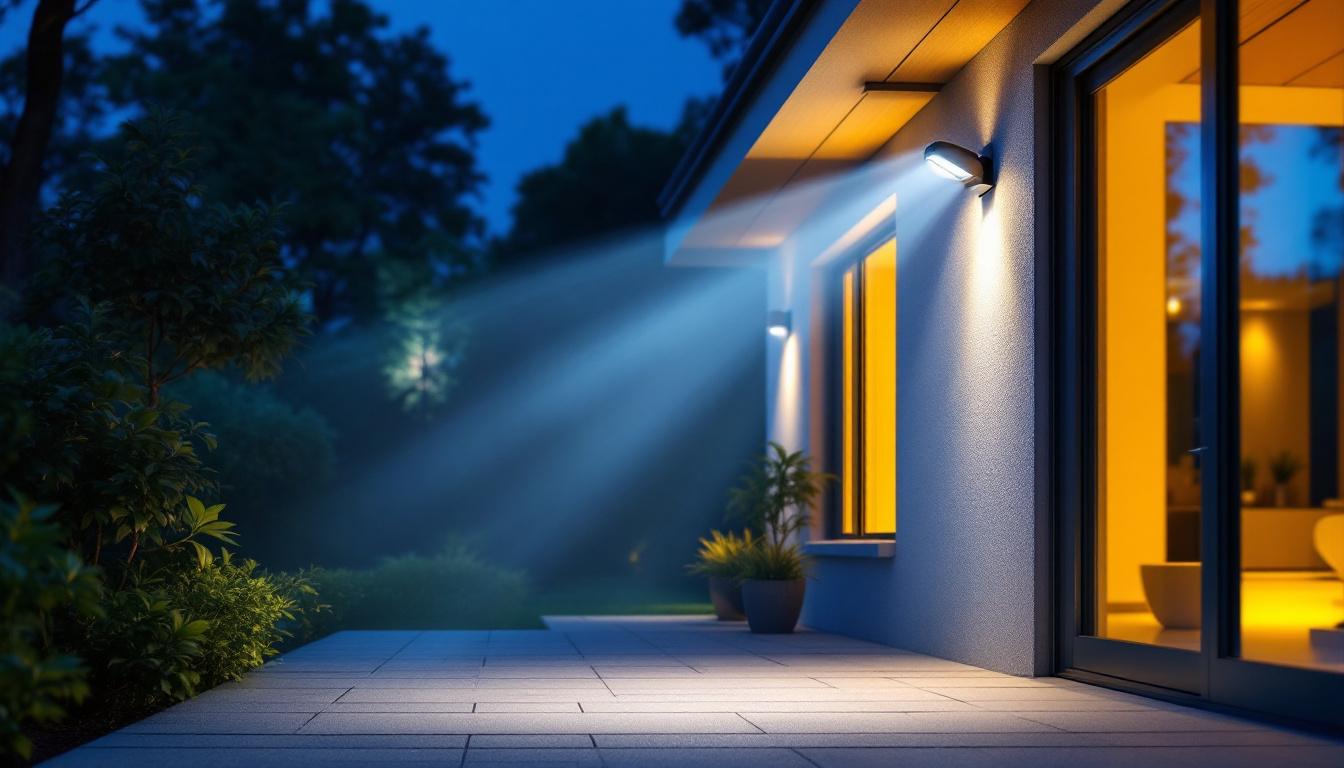
Understanding the Importance of Exterior Security Lighting
Exterior security lighting is a critical component in safeguarding residential, commercial, and industrial properties. For lighting contractors, comprehending the multifaceted role of these lighting systems is essential to delivering effective solutions that meet client expectations and safety standards. Beyond mere illumination, security lighting serves as a deterrent to criminal activity, enhances visibility for surveillance systems, and promotes a sense of safety for occupants and visitors.
Statistics from various security studies consistently show that well-lit exteriors can reduce the likelihood of property crimes by up to 30%. This underscores the importance of strategic placement and appropriate technology selection in exterior lighting projects. Contractors must balance aesthetics, functionality, and energy efficiency while ensuring compliance with local regulations and client requirements.
In addition to crime deterrence, exterior security lighting plays a significant role in accident prevention. Poorly lit areas can lead to slips, trips, and falls, particularly in commercial settings where foot traffic is high. By illuminating walkways, parking lots, and entry points, property owners not only enhance safety but also create a welcoming environment that encourages visitors to feel secure. Moreover, modern lighting solutions such as motion sensors and smart technology can further enhance security measures, as they provide illumination only when needed, thereby conserving energy and reducing costs.
Furthermore, the psychological impact of well-designed exterior lighting cannot be overstated. A well-lit property signals that the owner is vigilant and proactive about security, which can discourage potential intruders. This psychological deterrent is particularly important in neighborhoods where crime rates are a concern. Additionally, the aesthetic appeal of strategically placed lighting can elevate the overall ambiance of a property, making it more attractive to potential buyers or renters. By integrating security lighting with landscape features, contractors can create a harmonious blend of safety and beauty, ultimately increasing the value of the property while ensuring peace of mind for its occupants.
Initial Assessment and Site Evaluation
Conducting a Thorough Site Survey
Before any installation begins, a comprehensive site survey is indispensable. Lighting contractors should evaluate the property’s layout, noting entry points, walkways, parking areas, and blind spots. Understanding the environment—whether urban, suburban, or rural—helps in selecting the appropriate lighting intensity and fixture types. For instance, urban settings may require fixtures with higher lumen outputs to combat the ambient light pollution, while rural areas might benefit from softer, more diffused lighting to maintain the natural ambiance.
During the survey, contractors should also assess existing lighting infrastructure, electrical capacity, and potential obstacles such as trees or architectural features that could affect light distribution. This step ensures that the lighting design maximizes coverage and minimizes shadows where intruders might hide. Additionally, evaluating the time of day and seasonal changes in daylight can inform the placement of fixtures to ensure optimal performance year-round. By considering these factors, contractors can create a lighting plan that not only enhances safety but also complements the aesthetic of the property.
Identifying Client Needs and Security Objectives
Engaging with clients to clarify their security concerns and objectives is equally important. Some clients may prioritize deterrence and visibility, while others might focus on energy efficiency or integration with existing security systems like cameras and alarms. Documenting these preferences allows contractors to tailor solutions that align with both functional and budgetary constraints. Furthermore, discussing the potential for smart lighting technology can open avenues for enhanced control and monitoring, allowing clients to adjust lighting remotely or set schedules that align with their daily routines.
In addition to security objectives, understanding the client’s lifestyle and how they use the space can significantly influence the lighting design. For example, a family with children may require brighter lighting in play areas for safety, while a business owner might need strategically placed lights to highlight signage or pathways for customers. By taking the time to understand these nuances, contractors can provide a more personalized approach that not only meets security needs but also enhances the overall usability of the space.
Design Considerations for Exterior Security Lighting
Choosing the Right Lighting Technology
LED technology has become the preferred choice for exterior security lighting due to its longevity, energy efficiency, and superior light quality. LEDs offer instant illumination and can be easily integrated with smart controls and sensors, enhancing operational flexibility. However, contractors should also consider alternatives such as high-intensity discharge (HID) lamps in specific scenarios where higher lumen output is necessary. While LEDs are more efficient and have a longer lifespan, HID lamps can produce an intense light that may be beneficial in larger outdoor spaces or industrial settings where high visibility is crucial.
Color temperature is another critical factor. Lights with a color temperature between 4000K and 5000K provide bright, white light that improves visibility and color recognition, which is vital for security purposes. Warmer lights may be more aesthetically pleasing but often compromise the effectiveness of security lighting. Additionally, it’s important to consider the surrounding environment when selecting color temperatures; for instance, in areas with a lot of natural foliage, a cooler light may help in distinguishing between shadows and actual movement, thus enhancing security measures.
Strategic Fixture Placement and Mounting Heights
Proper fixture placement is fundamental to eliminating dark zones and glare. Lighting contractors should position fixtures to cover all vulnerable areas, including entrances, driveways, and perimeter fences. Mounting heights typically range from 10 to 20 feet, depending on the fixture type and area size. Higher mounts provide broader coverage but may reduce light intensity at ground level. It’s also essential to consider the angle of the fixtures; downward-facing lights can help reduce light pollution while effectively illuminating the area below.
Using multiple fixtures to create overlapping light patterns can prevent shadows and improve overall security. Adjustable mounts and swivel heads allow for fine-tuning after installation, ensuring optimal coverage. Furthermore, incorporating lighting design principles, such as the use of path lighting along walkways or accent lighting on architectural features, can enhance both safety and aesthetic appeal, making properties not only secure but also inviting.
Incorporating Motion Sensors and Timers
Motion-activated lighting is a powerful tool for security, as sudden illumination can startle intruders and alert property owners. Contractors should select sensors with adjustable sensitivity and detection range to minimize false activations caused by animals or environmental factors. Advanced models even offer features like pet immunity, which can be particularly beneficial in residential settings where pets might trigger the lights unnecessarily.
Timers and photocells can supplement motion sensors by ensuring lights operate during specific hours, conserving energy while maintaining security. Integrating these controls into a centralized system can provide clients with convenient management options. Additionally, smart home technology can allow homeowners to control their security lighting remotely, enabling them to adjust settings or activate lights while away, further enhancing the security of their property. This level of control not only provides peace of mind but also allows for more dynamic responses to potential security threats.
Installation Best Practices
Ensuring Electrical Safety and Compliance
Adhering to electrical codes and safety standards is non-negotiable. Contractors must verify that all wiring, grounding, and circuit protection measures comply with the National Electrical Code (NEC) or relevant local regulations. This includes using weatherproof fixtures and fittings rated for outdoor use to prevent moisture ingress and corrosion.
Proper conduit installation and cable management not only enhance safety but also simplify future maintenance. Labeling circuits and documenting the installation layout are recommended best practices for long-term serviceability.
Minimizing Light Pollution and Glare
While security lighting aims to maximize visibility, excessive brightness or poorly directed light can cause glare, impair neighbors’ vision, and contribute to light pollution. Contractors should use fixtures with appropriate shielding and beam angles to focus light where needed.
Complying with dark sky ordinances, where applicable, demonstrates environmental responsibility and helps maintain good community relations. Employing dimmers or adaptive lighting controls can further reduce unnecessary light output during low-risk periods.
Maintenance and Client Education
Establishing a Maintenance Schedule
Regular maintenance is vital to ensure that exterior security lighting remains effective over time. Contractors should advise clients on routine tasks such as cleaning lenses, checking sensor functionality, and replacing bulbs or components as necessary. Scheduling professional inspections annually or biannually can identify issues before they compromise security.
Training Clients on System Operation
Educating clients about the operation and benefits of their security lighting system enhances satisfaction and encourages proper use. Contractors should provide clear instructions on adjusting timers, motion sensor settings, and troubleshooting common problems. Offering written manuals or digital resources can be a valuable reference for clients.
Emerging Trends and Technologies in Security Lighting
Smart Lighting Integration
The integration of exterior security lighting with smart home and building automation systems is revolutionizing the industry. Lighting contractors should stay informed about protocols such as Zigbee, Z-Wave, and Wi-Fi-enabled devices that allow remote control, scheduling, and real-time monitoring through mobile apps.
These systems can be synchronized with security cameras and alarms to create comprehensive security networks, enhancing responsiveness and user convenience.
Solar-Powered Security Lights
Solar-powered security lighting is gaining traction as a sustainable and cost-effective alternative, especially in locations where electrical infrastructure is limited or costly to install. Modern solar fixtures with efficient photovoltaic panels and long-lasting batteries can provide reliable illumination throughout the night.
Contractors should evaluate site-specific factors such as sunlight exposure and shading to determine the feasibility of solar solutions and advise clients accordingly.
Conclusion: Delivering Effective Exterior Security Lighting Solutions
For lighting contractors, mastering the complexities of exterior security lighting is essential to delivering solutions that protect properties and satisfy client expectations. A systematic approach—starting with thorough site assessments, thoughtful design, meticulous installation, and ongoing maintenance—ensures that security lighting fulfills its critical role.
Staying abreast of technological advancements and best practices empowers contractors to offer innovative, efficient, and compliant lighting systems. Ultimately, well-executed exterior security lighting not only deters crime but also enhances the safety and peace of mind of those who live, work, and visit the illuminated spaces.
Illuminate Your Projects with LumenWholesale
Ready to elevate your exterior security lighting projects with the highest quality products at the best value? Look no further than LumenWholesale. Our spec-grade lighting selection is designed to meet the rigorous demands of any project, ensuring reliability and performance when it matters most. Say goodbye to inflated markups and hello to unbeatable wholesale prices, complemented by the convenience of free shipping on bulk orders. Don’t compromise on quality or cost. Visit LumenWholesale today and discover the perfect blend of quality, affordability, and convenience for all your lighting needs.