In the world of modern lighting solutions, LED strip lights have emerged as a versatile and efficient option for various applications. Particularly, the 6-foot variant has gained popularity among lighting contractors for its adaptability and ease of installation. This article delves into the approaches that lighting contractors can adopt when working with 6-foot LED strip lights, exploring their benefits, installation techniques, and innovative applications.
Understanding LED Strip Lights
LED strip lights are flexible circuit boards populated with light-emitting diodes (LEDs). They are available in various lengths, colors, and brightness levels, making them suitable for a wide range of lighting projects. The 6-foot length is particularly favored for its balance between flexibility and coverage, allowing contractors to create stunning lighting effects without excessive waste. Their adaptability means they can be cut to size or extended with connectors, providing a customizable solution for any project.
Advantages of LED Strip Lights
One of the primary advantages of LED strip lights is their energy efficiency. Compared to traditional lighting solutions, LEDs consume significantly less power while providing the same level of brightness. This not only reduces energy costs for clients but also contributes to a more sustainable approach to lighting. Furthermore, the low heat output of LED lights minimizes the risk of overheating, making them safer to use in enclosed spaces or near heat-sensitive materials.
Additionally, LED strip lights have a longer lifespan, often lasting up to 50,000 hours or more. This longevity means fewer replacements and maintenance, making them an attractive option for contractors looking to provide long-lasting solutions to their clients. The durability of LED technology also means they are less prone to breakage compared to traditional bulbs, which can shatter easily. This resilience is particularly beneficial in high-traffic areas or environments where lighting fixtures may be subject to wear and tear.
Applications of 6-Foot LED Strip Lights
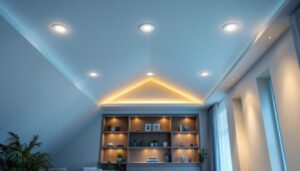
The versatility of 6-foot LED strip lights allows them to be used in various applications. Whether it’s for residential, commercial, or industrial projects, these lights can enhance aesthetics and functionality. In residential settings, they can be installed under cabinets, along staircases, or as accent lighting in living spaces. Homeowners often use them to highlight architectural features or create mood lighting, transforming ordinary spaces into extraordinary environments.
In commercial environments, 6-foot LED strips can be utilized for signage, display cases, and ambient lighting, creating a welcoming atmosphere for customers. Retailers frequently employ these lights to draw attention to products or to create thematic displays that enhance the shopping experience. Moreover, in industrial settings, they can illuminate workspaces, ensuring safety and efficiency. Their ability to provide bright, even lighting helps reduce workplace accidents and improve productivity, making them an essential component in modern industrial design.
Installation Techniques for 6-Foot LED Strip Lights
Proper installation is crucial for maximizing the benefits of LED strip lights. Lighting contractors must be familiar with various techniques to ensure that these lights are installed correctly and safely. The following sections outline some effective installation methods.
Surface Mounting
Surface mounting is one of the most straightforward methods for installing 6-foot LED strip lights. This technique involves adhering the strip directly to a clean, flat surface using adhesive backing. Before installation, it’s essential to prepare the surface by cleaning it thoroughly to ensure a strong bond.
Contractors should also consider using mounting clips or channels for added stability, especially in areas where the strip may be exposed to moisture or physical contact. This not only enhances the durability of the installation but also provides a professional finish. Additionally, surface mounting allows for easy access to the LED strips for maintenance or replacement, making it a practical choice for both residential and commercial applications.
Recessed Installation
For a more seamless look, recessed installation is an excellent option. This method involves creating a groove or channel in the surface where the LED strip will be placed. This approach allows the lights to be hidden while still providing effective illumination.
Recessed installations require careful planning and precise measurements to ensure that the strip fits perfectly within the channel. Additionally, contractors should consider the heat dissipation of the LEDs, as recessed installations can sometimes lead to overheating if not properly ventilated. To mitigate this risk, incorporating heat sinks or ensuring adequate airflow around the installation can significantly enhance the longevity and performance of the LED strips. Furthermore, recessed lighting can create a stunning visual effect, particularly in modern interiors, where the lights can wash walls with a soft glow, adding depth and ambiance to the space.
Power Supply Considerations
When installing 6-foot LED strip lights, selecting the appropriate power supply is vital. Contractors must ensure that the power supply matches the voltage and wattage requirements of the LED strips. An undersized power supply can lead to flickering lights or even damage to the LEDs.
It’s also important to consider the length of the run. For longer installations, it may be necessary to use multiple power supplies or to connect the strips in parallel to maintain consistent brightness throughout the entire length. Additionally, using a dimmable power supply can provide flexibility in lighting control, allowing users to adjust the brightness according to their needs. This feature is particularly beneficial in settings such as theaters or dining areas, where mood lighting plays a crucial role in enhancing the overall experience. Moreover, integrating smart technology with the power supply can offer remote control options, enabling users to manage their lighting with ease and convenience from their smartphones or smart home systems.
Innovative Approaches to Enhance LED Lighting Projects
Lighting contractors can elevate their projects by incorporating innovative techniques and technologies when working with 6-foot LED strip lights. Here are some approaches that can enhance the overall impact of lighting installations.
Smart Lighting Integration
With the rise of smart home technology, integrating LED strip lights into smart systems is becoming increasingly popular. Contractors can offer clients the ability to control their lighting through mobile apps or voice-activated devices, adding convenience and functionality to their spaces.
Smart lighting systems can include features such as dimming capabilities, color changing, and scheduling, allowing users to customize their lighting according to their preferences and needs. This not only enhances the user experience but also positions contractors as forward-thinking professionals in the industry.
Color Temperature and Mood Lighting
Another innovative approach is to utilize different color temperatures to create mood lighting. By offering clients the option to choose between warm, neutral, and cool white light, contractors can help them achieve the desired ambiance in their spaces.
For instance, warm white light is often preferred in residential settings for its cozy and inviting feel, while cool white light may be more suitable for workspaces that require focus and concentration. By understanding the psychology of lighting, contractors can make informed recommendations that enhance the overall atmosphere of a space.
Dynamic Lighting Effects
Dynamic lighting effects, such as color changing and fading, can add an extra layer of excitement to lighting projects. Using RGB LED strip lights, contractors can create vibrant displays that change colors based on user preferences or even sync with music.
These effects can be particularly appealing in entertainment venues, bars, and restaurants, where creating a lively atmosphere is essential. By showcasing their ability to implement dynamic lighting, contractors can differentiate themselves in a competitive market.
Maintenance and Troubleshooting
While LED strip lights are known for their longevity and durability, regular maintenance is still essential to ensure optimal performance. Lighting contractors should educate their clients on the importance of maintenance and provide guidance on common troubleshooting techniques.
Regular Inspections
Conducting regular inspections of LED strip lights can help identify potential issues before they become significant problems. Contractors should recommend that clients check for any signs of damage, such as frayed wires or discoloration of the strips.
Additionally, ensuring that the power supply is functioning correctly is crucial. If clients notice flickering lights or dimming, it may indicate a problem with the power supply or connections. Regular inspections can help maintain the integrity of the installation and prolong the lifespan of the LED strips.
Cleaning and Maintenance
Keeping LED strip lights clean is essential for maintaining their brightness and effectiveness. Dust and debris can accumulate on the surface, reducing light output. Contractors should advise clients on how to clean the strips safely, typically using a soft, damp cloth to wipe away any dirt without damaging the LEDs.
In addition to cleaning, contractors should remind clients to check the adhesive backing periodically. Over time, the adhesive may weaken, leading to the strip becoming detached from its mounting surface. Reapplying adhesive or using mounting clips can help secure the strips in place.
Troubleshooting Common Issues
Contractors should be prepared to assist clients with common troubleshooting issues related to LED strip lights. For instance, if a section of the strip is not lighting up, it may indicate a loose connection or a damaged segment. In such cases, checking the wiring and connections is the first step.
If the entire strip is unresponsive, verifying the power supply and ensuring it is compatible with the LED strips is essential. Educating clients on these troubleshooting techniques can enhance their experience and build trust in the contractor’s expertise.
Conclusion
LED strip lights, particularly the 6-foot variants, offer a wealth of opportunities for lighting contractors to create stunning and functional lighting solutions. By understanding the advantages, installation techniques, and innovative approaches, contractors can elevate their projects and provide exceptional value to their clients.
From smart lighting integration to dynamic effects, the possibilities are endless. As the demand for energy-efficient and versatile lighting solutions continues to grow, lighting contractors who embrace these approaches will undoubtedly stand out in the industry.
Ultimately, the key to success lies in staying informed about the latest trends and technologies, ensuring that clients receive the best possible service and solutions tailored to their unique needs.
Get Your Premium LED Strip Lights at LumenWholesale
Ready to take your lighting projects to the next level with 6-foot LED strip lights? LumenWholesale is here to support your endeavors with top-quality, spec-grade lighting products at unbeatable wholesale prices. Say goodbye to local distributor markups and hello to superior lighting solutions that meet the highest industry standards. With our hassle-free bulk buying and free shipping, you can trust that you’re getting premium lighting at the best value — without hidden fees or compromises. Elevate your lighting projects with the perfect blend of quality, affordability, and convenience. Visit LumenWholesale today and experience wholesale lighting at the best value for your next project.