Understanding the Importance of Kitchen Flood Lighting
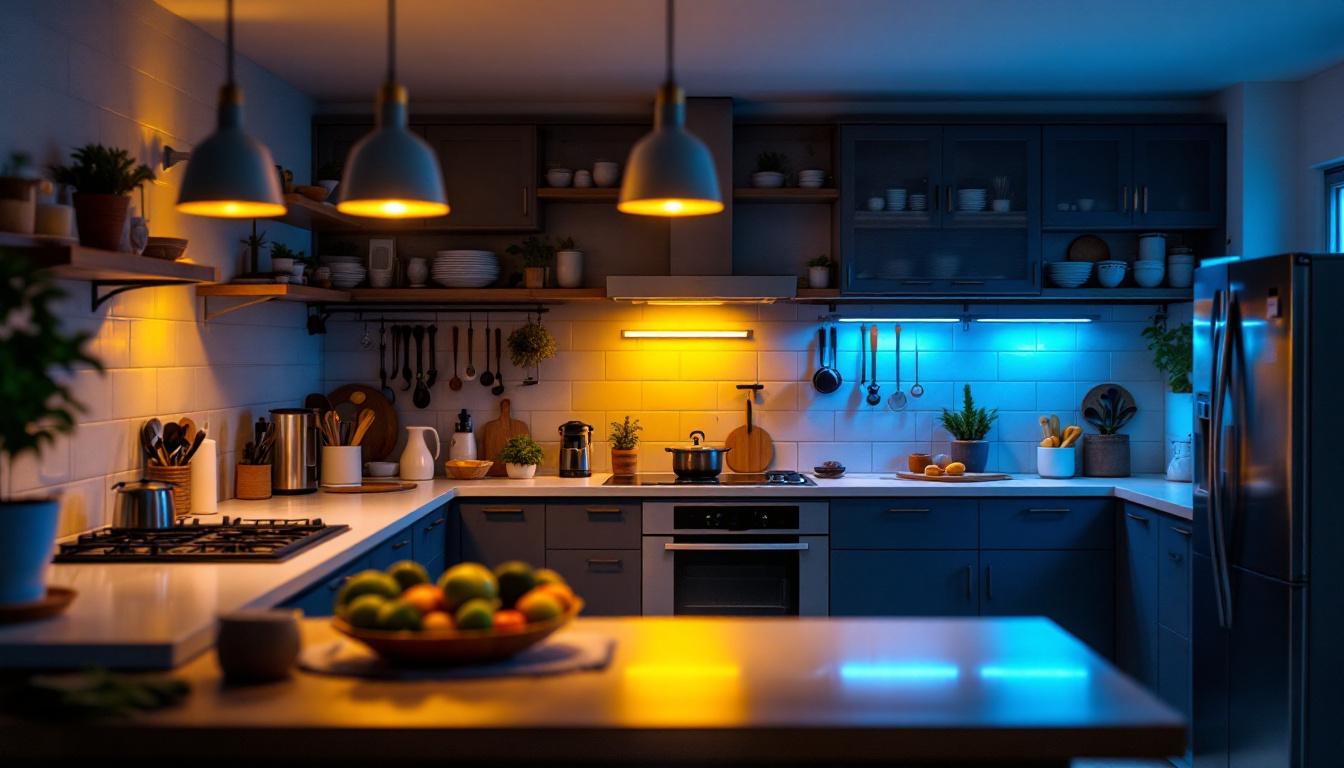
Kitchen flood lights play a crucial role in creating a functional and aesthetically pleasing environment. For lighting contractors, understanding the specific requirements of kitchen lighting is essential to delivering solutions that meet both client expectations and safety standards. Kitchens are high-traffic, multi-functional spaces where tasks such as cooking, cleaning, and socializing occur simultaneously. Proper lighting enhances visibility, reduces accidents, and highlights design elements.
Unlike general ambient lighting, flood lights provide broad, intense illumination that covers large areas evenly. This is particularly important in kitchens where shadows can interfere with food preparation and cleaning tasks. Lighting contractors must balance brightness with energy efficiency and color accuracy to ensure the kitchen is both practical and inviting.
In addition to functionality, the aesthetic appeal of kitchen flood lighting cannot be overlooked. The right lighting can significantly enhance the overall design of the kitchen, complementing cabinetry, countertops, and appliances. For instance, adjustable flood lights can be strategically placed to accentuate architectural features or artwork, creating a warm and inviting atmosphere. Furthermore, the use of dimmable flood lights allows homeowners to easily transition from bright task lighting during meal prep to softer, ambient lighting for entertaining guests, showcasing the versatility of these fixtures.
Moreover, the choice of color temperature in flood lighting is another critical factor that influences the kitchen’s ambiance. Warmer tones can create a cozy and inviting space, while cooler tones may lend a more modern, sleek feel. Lighting contractors should also consider the impact of natural light on the kitchen’s illumination, as the interplay between artificial and natural light can enhance the overall aesthetic and functionality. By thoughtfully integrating flood lighting with other light sources, such as under-cabinet lights and pendant fixtures, contractors can create a layered lighting design that not only meets practical needs but also elevates the kitchen’s style.
Key Considerations for Selecting Kitchen Flood Lights
Brightness and Lumens
One of the primary factors to consider when selecting flood lights for kitchens is brightness. Measured in lumens, brightness ensures that the light output is sufficient for detailed tasks. Kitchens typically require a higher lumen count compared to other rooms due to the need for precision in cooking and cleaning.
Lighting contractors should aim for flood lights that provide between 700 to 1,200 lumens per fixture in kitchen areas. This range offers ample illumination without causing glare or discomfort. Additionally, layering flood lighting with other types of lighting, such as under-cabinet or pendant lights, can help achieve optimal brightness levels. The strategic placement of these lights can create a well-lit environment that enhances both functionality and aesthetic appeal, making it easier to navigate the kitchen during meal prep or entertaining guests.
Furthermore, it’s essential to consider the layout of the kitchen when determining the number and placement of flood lights. Open-concept kitchens may require a different approach compared to more enclosed spaces. For instance, in an open kitchen that flows into a dining area, flood lights can be used to create a seamless transition between spaces, ensuring that both areas are equally illuminated and inviting.
Color Temperature and CRI
Color temperature, measured in Kelvins (K), affects the ambiance and functionality of kitchen lighting. For kitchens, a color temperature between 3,000K and 4,000K is ideal, offering a neutral to cool white light that mimics natural daylight. This range enhances visibility and makes food colors appear more vibrant and true to life.
The Color Rendering Index (CRI) is equally important, as it measures a light source’s ability to reveal colors accurately. A CRI of 80 or higher is recommended for kitchen flood lights to ensure that food and surfaces appear natural and appealing. Lighting contractors should prioritize fixtures with high CRI ratings to meet client expectations and industry standards. Moreover, the right color temperature can influence the mood of the kitchen, making it feel more welcoming and energetic, which is particularly beneficial when hosting family gatherings or dinner parties.
Additionally, it’s worth noting that the choice of color temperature can also impact the perceived size of the kitchen. Cooler temperatures can make a space feel larger and more open, while warmer tones can create a cozy, intimate atmosphere. Therefore, understanding the desired ambiance is crucial for selecting the right flood lights.
Energy Efficiency and Sustainability
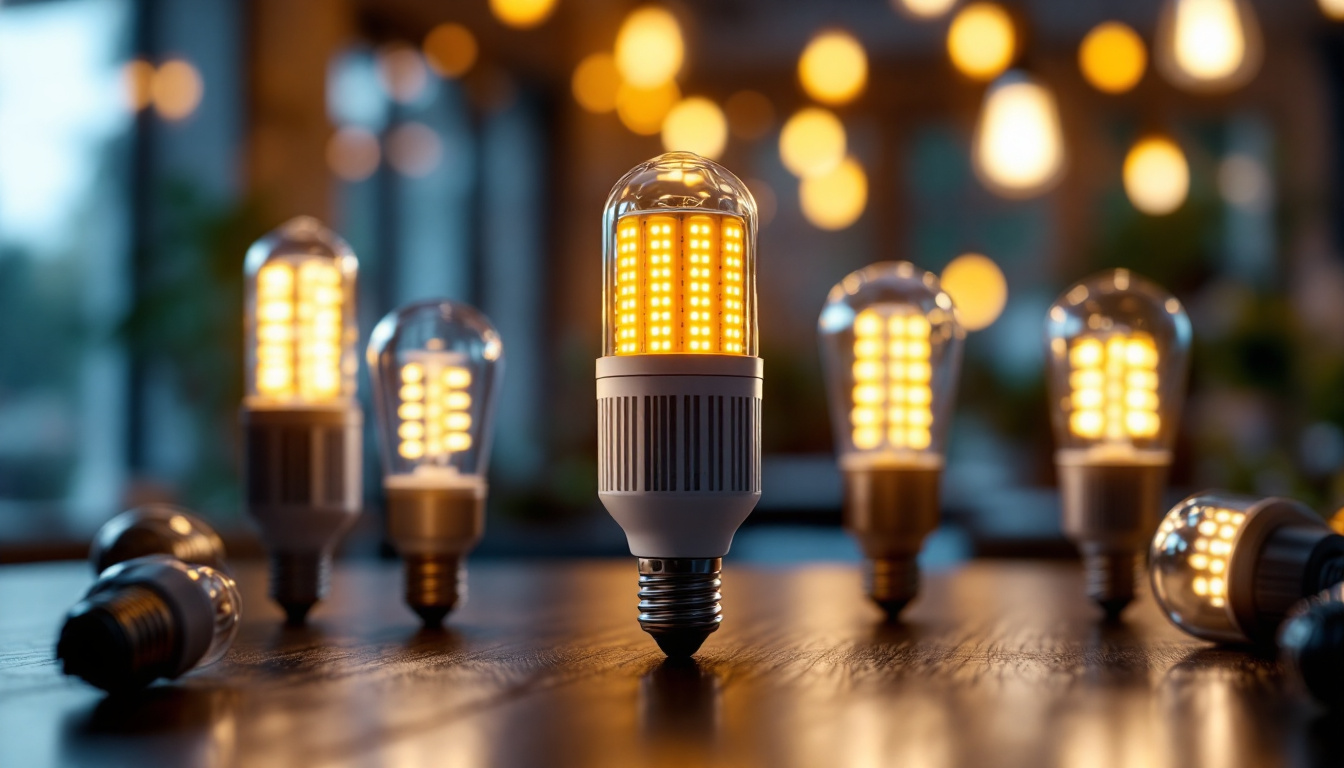
With increasing emphasis on energy conservation, lighting contractors must prioritize energy-efficient flood lights. LED technology has become the standard for kitchen flood lighting due to its low power consumption, long lifespan, and minimal heat output. LEDs can reduce energy costs by up to 75% compared to traditional incandescent or halogen bulbs.
Incorporating energy-efficient flood lights not only benefits homeowners by lowering utility bills but also aligns with green building certifications and regulations. Contractors should advise clients on the long-term savings and environmental benefits of LED flood lighting solutions. Additionally, many LED options now come with smart technology features, allowing homeowners to control their lighting remotely or set schedules, further enhancing energy efficiency and convenience.
Moreover, the shift towards sustainable lighting solutions can also influence the overall design of the kitchen. By selecting flood lights that complement eco-friendly materials and finishes, contractors can help create a cohesive look that reflects the homeowner’s commitment to sustainability. This approach not only adds value to the home but also resonates with environmentally conscious buyers in the real estate market.
Installation Best Practices for Kitchen Flood Lights
Placement and Coverage
Proper placement of flood lights is critical to achieving uniform illumination and avoiding shadows. Lighting contractors should conduct a thorough assessment of the kitchen layout, including workstations, countertops, and appliance locations. Flood lights should be positioned to cover these areas evenly without creating glare or hotspots.
Ceiling-mounted flood lights are commonly used for overall illumination, but recessed fixtures can provide a sleek, unobtrusive look. Adjustable flood lights offer flexibility, allowing homeowners to direct light where it is most needed. Contractors should also consider the height and angle of fixtures to maximize coverage and minimize shadows.
Wiring and Safety Compliance
Kitchen lighting installations must adhere to strict electrical codes and safety standards. Lighting contractors should ensure that all wiring is properly rated for kitchen environments, which may be exposed to moisture and heat. Using fixtures with appropriate IP ratings for damp locations is essential to prevent electrical hazards.
Ground fault circuit interrupters (GFCIs) are required for kitchen outlets and lighting circuits to protect against electrical shock. Contractors must verify that all flood light installations comply with local building codes and regulations. Proper grounding, secure connections, and the use of quality materials contribute to a safe and reliable lighting system.
Integration with Smart Lighting Systems
Smart lighting technology is increasingly popular in modern kitchens, offering convenience and energy savings. Lighting contractors should be familiar with integrating flood lights into smart home ecosystems, including voice control, dimming, and scheduling features.
Compatibility with platforms such as Zigbee, Z-Wave, or Wi-Fi enables homeowners to customize lighting scenes and adjust brightness levels easily. Contractors can add value by recommending flood lights that support smart controls, enhancing the overall kitchen experience.
Common Challenges and Solutions in Kitchen Flood Light Installations
Managing Glare and Reflections
Glare and reflections can be significant issues in kitchens, especially on glossy surfaces like countertops and stainless steel appliances. Excessive glare can cause discomfort and reduce visibility, defeating the purpose of flood lighting.
To mitigate glare, lighting contractors should select fixtures with diffusers or frosted lenses that soften light output. Positioning flood lights at angles that minimize direct reflections and using layered lighting strategies can also help create a balanced and comfortable environment.
Addressing Heat Emission Concerns
Traditional flood lights, such as halogen bulbs, generate considerable heat, which can be problematic in kitchens. Excess heat may affect cooking processes and increase cooling costs. LED flood lights are the preferred solution due to their low heat emission, making kitchens safer and more comfortable.
Contractors should educate clients about the benefits of LED technology and avoid recommending outdated lighting options that contribute to heat buildup. Proper ventilation and fixture selection further reduce heat-related issues.
Ensuring Longevity and Maintenance Ease
Kitchen lighting fixtures are subject to frequent use and exposure to grease, moisture, and dust. Choosing durable flood lights with sealed housings and easy-to-clean surfaces extends the lifespan of the installation.
Lighting contractors should guide clients on maintenance best practices, such as regular cleaning and timely replacement of bulbs or components. Offering warranties and recommending reputable manufacturers can also provide peace of mind.
Trends and Innovations in Kitchen Flood Lighting
Human-Centric Lighting
Human-centric lighting (HCL) is gaining traction in kitchen design, focusing on lighting that supports natural circadian rhythms and enhances well-being. Adjustable color temperature and intensity allow users to tailor lighting to different times of day and activities.
Lighting contractors can incorporate HCL principles by installing flood lights with tunable white capabilities, providing warm light for relaxing evenings and cooler light for daytime tasks. This approach improves comfort and productivity in kitchen spaces.
Minimalist and Integrated Designs
Modern kitchens favor minimalist aesthetics with integrated lighting solutions that blend seamlessly with cabinetry and architectural elements. Recessed flood lights, linear LED fixtures, and slim-profile designs contribute to clean, uncluttered ceilings.
Contractors should stay informed about the latest fixture designs and installation techniques to meet client demands for sleek, contemporary kitchens. Customizable options and modular systems offer flexibility and style.
Advanced Controls and Automation
Automation technology enables sophisticated control over kitchen flood lighting, including occupancy sensors, daylight harvesting, and scene presets. These features optimize energy use and enhance convenience.
Lighting contractors can differentiate their services by offering smart lighting solutions that integrate with home automation systems. Educating clients on the benefits and ease of use of these technologies fosters satisfaction and repeat business.
Conclusion: Delivering Excellence in Kitchen Flood Lighting
For lighting contractors, mastering the essentials of kitchen flood lighting is vital to providing high-quality, safe, and efficient installations. By understanding the unique demands of kitchen environments, selecting appropriate fixtures, and employing best practices in installation and maintenance, contractors can ensure client satisfaction and professional success.
Staying abreast of emerging trends and technologies further enhances a contractor’s ability to offer innovative solutions that meet evolving market needs. Ultimately, well-executed kitchen flood lighting not only illuminates spaces but also elevates the overall kitchen experience for homeowners.
Illuminate Your Projects with LumenWholesale
Ready to elevate your kitchen flood lighting installations with the finest products on the market? Look no further than LumenWholesale, where we provide lighting contractors with exceptional, spec-grade lighting solutions at unparalleled wholesale prices. Our commitment to quality and affordability ensures that you can light up any kitchen with confidence, knowing you’ve sourced your products from a trusted industry leader. Say goodbye to local distributor markups and hello to a vast selection of premium lighting that meets the highest industry standards. Plus, with free shipping on bulk orders, you can stock up on all the lighting essentials you need without worrying about extra costs. Don’t compromise on quality or value—choose LumenWholesale for your next project. Wholesale Lighting at the Best Value.