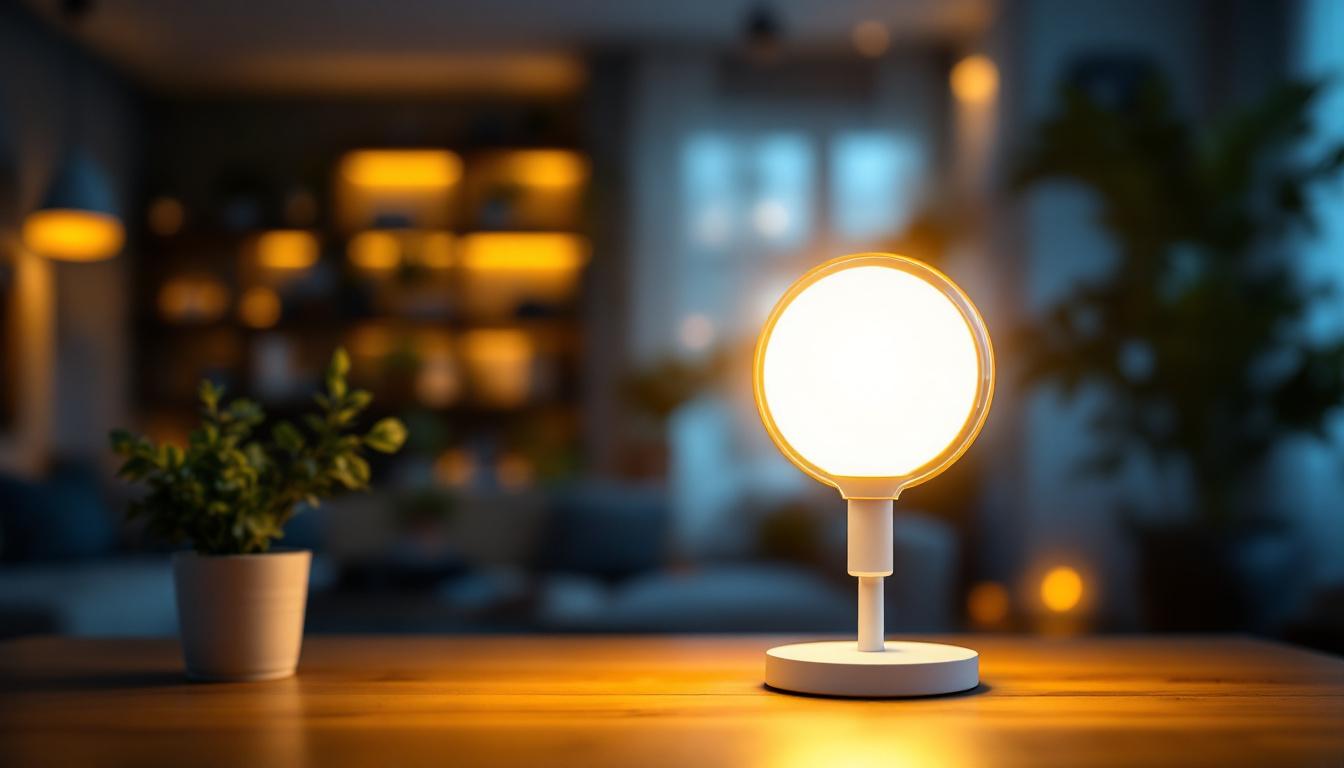
Introduction to LED Technology in Lighting
Light Emitting Diodes, commonly known as LEDs, have revolutionized the lighting industry with their energy efficiency, longevity, and versatility. For lighting contractors, understanding how LED lamps work is crucial not only to recommend the right products but also to optimize installation and maintenance processes. This knowledge translates into better client satisfaction, cost savings, and adherence to evolving industry standards.
Unlike traditional incandescent or fluorescent lamps, LED lamps operate on a fundamentally different principle. They convert electrical energy directly into light through a semiconductor, which results in less wasted energy and more durable lighting solutions. This article delves into the essential facts about LED lamps, focusing on their operational mechanisms, components, benefits, and practical considerations for lighting contractors.
One of the most significant advantages of LED technology is its impressive lifespan, often exceeding 25,000 hours compared to the mere 1,000 hours of incandescent bulbs. This longevity not only reduces the frequency of replacements but also minimizes waste, making LEDs a more environmentally friendly option. Additionally, the durability of LEDs means they are less prone to breakage, which is particularly beneficial in commercial settings where lighting fixtures are subject to wear and tear. Furthermore, the low heat output of LEDs means they operate cooler than traditional bulbs, reducing the risk of heat-related damage to fixtures and surrounding materials.
Moreover, LED technology offers a wide range of color temperatures and brightness levels, allowing for greater flexibility in design and application. From warm whites that create a cozy atmosphere to cool whites ideal for task lighting, contractors can tailor their lighting solutions to meet specific client needs. The ability to dim LED lights also enhances their versatility, enabling users to adjust the ambiance of a space with ease. As smart technology continues to advance, integrating LEDs with smart home systems has become increasingly popular, providing users with enhanced control over their lighting environments, further solidifying LEDs as the future of lighting solutions.
The Science Behind LED Lamps
How LEDs Generate Light
At the core of every LED lamp is the Light Emitting Diode itself—a semiconductor device that emits light when an electric current passes through it. This process is called electroluminescence. When electrons recombine with holes within the semiconductor material, energy is released in the form of photons, producing visible light.
The semiconductor materials commonly used include gallium arsenide, gallium phosphide, and gallium nitride. The choice of material determines the color and wavelength of the emitted light, enabling LEDs to produce a wide spectrum of colors without the need for filters. This versatility not only allows for vibrant displays in decorative lighting but also facilitates the creation of specialized lighting solutions for various applications, from horticultural growth lamps that emit specific wavelengths to enhance plant photosynthesis to medical devices that utilize targeted wavelengths for therapeutic purposes.
Key Components of an LED Lamp
Understanding the anatomy of an LED lamp is essential for contractors, as it affects installation techniques and troubleshooting. The main components include:
- LED Chip: The semiconductor die that emits light.
- Substrate: A base that supports the LED chip and helps dissipate heat.
- Encapsulation: A protective layer, often made of epoxy or silicone, that shields the LED chip and shapes the light output.
- Driver Circuit: Converts the incoming electrical power to the appropriate voltage and current required by the LED chip. This is crucial for maintaining performance and longevity.
- Heat Sink: A thermal management component that dissipates heat away from the LED chip to prevent overheating.
In addition to these primary components, LED lamps often incorporate advanced technologies such as dimming capabilities and smart controls. Dimming allows users to adjust brightness levels according to their needs, enhancing energy efficiency and extending the lifespan of the lamp. Smart controls, which can be integrated with home automation systems, enable users to manage their lighting remotely through smartphones or voice-activated devices, offering convenience and flexibility in modern living spaces. Furthermore, the growing trend towards energy-efficient lighting solutions has led to innovations in LED design, such as tunable white LEDs that allow users to change the color temperature of the light, creating different atmospheres for various activities, from focused work to relaxation.
Energy Efficiency and Performance Benefits
Why LEDs Are More Efficient
One of the primary reasons LED lamps have become the preferred choice in modern lighting is their superior energy efficiency. LEDs convert approximately 80–90% of electrical energy into light, whereas incandescent bulbs convert only about 10–15%, with the remainder lost as heat. This efficiency translates into significant energy savings for residential, commercial, and industrial applications.
For lighting contractors, this means recommending LED solutions can help clients reduce their electricity bills and carbon footprint. Moreover, many regions offer incentives or rebates for upgrading to LED technology, which can be a compelling selling point during project proposals. These financial benefits, combined with the reduced energy consumption, make LEDs not only an environmentally friendly choice but also a financially savvy one. As businesses and homeowners become more conscious of their energy usage, the transition to LED lighting can also enhance their reputation as responsible stewards of the environment.
Longevity and Durability
LED lamps typically have a lifespan ranging from 25,000 to 50,000 hours or more, far exceeding that of traditional lighting options. This longevity reduces the frequency of replacements, lowering maintenance costs and minimizing disruption for clients.
Additionally, LEDs are solid-state devices, making them more resistant to shock, vibration, and temperature fluctuations. This durability is particularly advantageous in commercial and industrial environments where lighting fixtures may be exposed to harsher conditions. For instance, in warehouses or factories, the ability of LED lights to withstand rough handling and extreme temperatures ensures consistent performance and reliability. Furthermore, the reduced need for frequent replacements not only cuts costs but also decreases the environmental impact associated with manufacturing and disposing of lighting products. As such, the longevity of LEDs contributes to a more sustainable lighting solution, aligning with the growing trend towards eco-friendly practices in various industries.
Practical Considerations for Lighting Contractors
Selecting the Right LED Lamp
Choosing the appropriate LED lamp involves more than just wattage and brightness. Contractors must consider factors such as color temperature, color rendering index (CRI), beam angle, and compatibility with existing fixtures and controls.
Color temperature, measured in Kelvins (K), affects the ambiance of a space. For example, warmer tones (2700K–3000K) are preferred in hospitality settings, while cooler tones (4000K–5000K) are common in offices and retail environments. CRI, on the other hand, indicates how accurately a light source reveals colors compared to natural light; a CRI above 80 is generally desirable for most applications.
Installation and Electrical Compatibility
LED lamps require compatible drivers and power supplies to function correctly. Contractors should verify that the existing electrical infrastructure can support LED technology, especially when retrofitting older buildings. Issues such as voltage fluctuations, dimmer compatibility, and electromagnetic interference must be addressed to ensure optimal performance.
Furthermore, proper heat management is critical during installation. Since excessive heat can degrade LED components, ensuring adequate ventilation and using fixtures designed for LED lamps will prolong the lifespan of the installation.
Regulatory Compliance and Standards
Lighting contractors must stay informed about relevant regulations and standards governing LED lighting. These include energy efficiency certifications, safety standards, and environmental regulations. Compliance not only ensures legal adherence but also instills confidence in clients regarding the quality and reliability of the installed lighting systems.
Many LED products now carry certifications such as ENERGY STAR, DLC (DesignLights Consortium), or UL listings, which serve as benchmarks for performance and safety. Selecting certified products simplifies the approval process and can facilitate access to incentive programs.
Emerging Trends and Innovations in LED Lighting
Smart LED Lighting Systems
The integration of LED technology with smart controls is transforming the lighting landscape. Smart LED systems offer features such as remote dimming, color tuning, occupancy sensing, and integration with building management systems. For contractors, this represents an opportunity to provide value-added services and future-proof installations.
These systems not only enhance user experience but also contribute to further energy savings by adapting lighting levels to real-time needs. Understanding the communication protocols and installation requirements of smart LED systems is becoming increasingly important for professionals in the field.
Advancements in LED Materials and Design
Ongoing research continues to improve LED efficiency, color quality, and cost-effectiveness. Innovations such as quantum dot technology and improved phosphor coatings are enabling LEDs to produce more natural and vibrant light. Additionally, advances in thermal management materials and compact driver designs are expanding the range of applications for LED lamps.
Lighting contractors who keep abreast of these developments can better advise clients and tailor solutions that leverage the latest technology for superior performance.
Conclusion: Mastering LED Lighting for Optimal Outcomes
For lighting contractors, a deep understanding of how LED lamps work is indispensable. From the fundamental science of electroluminescence to practical installation considerations and emerging trends, this knowledge empowers professionals to deliver efficient, durable, and innovative lighting solutions.
By selecting the right LED products, ensuring proper installation, and staying informed about industry standards and innovations, contractors can enhance their service offerings, reduce operational costs for clients, and contribute to sustainable building practices. As LED technology continues to evolve, ongoing education and adaptation will remain key to maintaining a competitive edge in the lighting industry.
Illuminate Your Projects with LumenWholesale
Ready to take your lighting projects to the next level? LumenWholesale is here to support you with an extensive selection of top-quality, spec-grade LED lighting products at unbeatable wholesale prices. Say goodbye to inflated markups and hello to superior lighting solutions that meet the highest industry standards. With our hassle-free bulk buying and free shipping, you can trust that you’re getting premium lighting at the best value — without hidden fees or compromises. Elevate your lighting game and experience the perfect blend of quality, affordability, and convenience. Visit LumenWholesale now and make the smart choice for your next project.