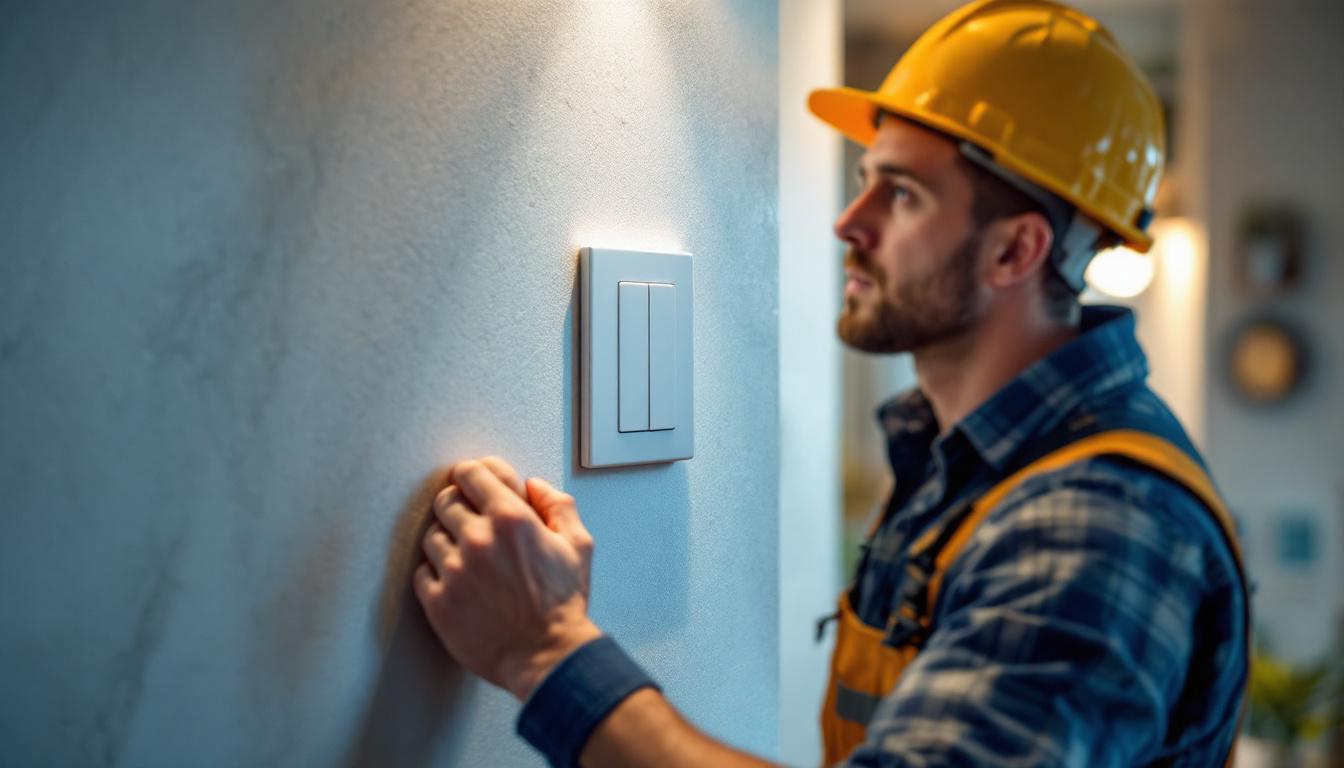
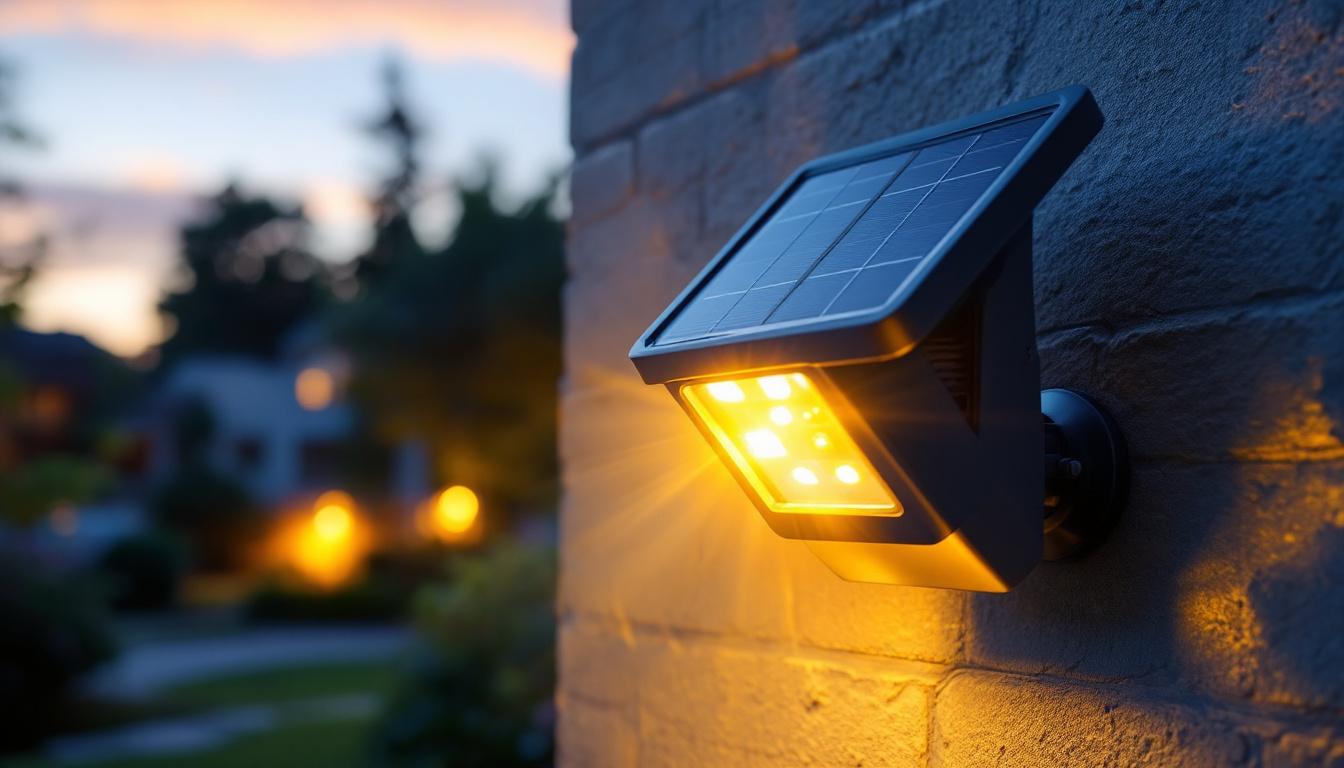
Introduction to the Latest Innovations in Light Switch Technology
Lighting contractors are at the forefront of transforming spaces through illumination, and the tools they use—particularly light switches—play a crucial role in both functionality and aesthetics. The evolution of light switches has accelerated, integrating smart technology, energy efficiency, and enhanced user experience. Staying updated on these advancements is essential for professionals aiming to deliver cutting-edge solutions to clients.
From traditional toggle switches to sophisticated smart panels, the newest light switches offer a range of features that can significantly impact installation complexity, user convenience, and energy management. This guide explores the latest trends, technologies, and practical considerations that lighting contractors should know to remain competitive and efficient.
One of the most exciting developments in light switch technology is the rise of voice-activated controls, which allow users to manage their lighting with simple verbal commands. This innovation not only enhances accessibility for individuals with mobility challenges but also adds a layer of convenience for everyday users. Imagine walking into a room and simply saying, “Turn on the lights,” or “Dim the living room,” without having to fumble for a switch. These systems often integrate seamlessly with smart home ecosystems, allowing for customized lighting scenes that can be adjusted based on time of day or activity, further enhancing the user experience.
Additionally, the incorporation of energy monitoring features in modern light switches is revolutionizing how users interact with their energy consumption. Many of the latest models come equipped with sensors that track usage patterns and provide real-time feedback through mobile applications. This data empowers homeowners to make informed decisions about their lighting habits, leading to more sustainable energy use. Furthermore, contractors can leverage this technology to offer clients tailored solutions that not only meet their aesthetic preferences but also align with their environmental goals, making energy efficiency a key selling point in today’s market.
Smart Light Switches: Revolutionizing Control and Convenience
Integration with Home Automation Systems
Smart light switches have become a cornerstone of modern lighting control, offering seamless integration with home automation ecosystems such as Amazon Alexa, Google Assistant, and Apple HomeKit. These switches allow users to control lighting remotely via smartphones, voice commands, or automated schedules, enhancing convenience and energy savings. With the rise of the Internet of Things (IoT), these devices can also interact with other smart home products, such as thermostats and security systems, creating a cohesive and intelligent living environment.
For lighting contractors, understanding compatibility and installation requirements is critical. Many smart switches require a neutral wire, which may not be present in older homes, necessitating additional wiring or alternative product choices. Additionally, contractors must be familiar with configuring network settings and troubleshooting connectivity issues to ensure smooth client experiences. This knowledge not only streamlines the installation process but also builds trust with clients who may be unfamiliar with smart technology, allowing contractors to position themselves as knowledgeable experts in the field.
Energy Monitoring and Efficiency Features
Beyond simple on/off control, some smart switches now include energy monitoring capabilities. These devices track power consumption in real-time, providing valuable data that homeowners can use to optimize lighting usage and reduce electricity bills. For contractors, recommending switches with these features can add value to their service offerings and appeal to environmentally conscious clients. By presenting clients with detailed reports on energy consumption, contractors can help them make informed decisions about their lighting habits and overall energy efficiency.
Moreover, certain models support dimming and scene-setting functions, allowing precise control over light intensity and ambiance. This flexibility enhances the user experience and can contribute to energy savings by reducing unnecessary lighting levels. Imagine being able to set the perfect lighting for a movie night, dinner party, or a quiet evening at home with just a voice command or a tap on your smartphone. As smart lighting technology continues to evolve, features like geofencing, which adjusts lighting based on the homeowner’s location, are becoming increasingly popular, further enhancing convenience and energy efficiency. This level of customization not only elevates the comfort of a home but also encourages users to engage with their lighting systems in more meaningful ways, transforming the way they interact with their living spaces.
Touch and Motion-Activated Switches: Enhancing User Interaction
Touch-Sensitive Panels for Modern Aesthetics
Touch-activated light switches are gaining popularity for their sleek design and intuitive operation. These switches often feature glass or capacitive touch surfaces that respond to light taps or swipes, providing a modern alternative to mechanical toggles. Their minimalist appearance complements contemporary interiors, making them a preferred choice for upscale residential and commercial projects. Additionally, many touch-sensitive panels can be integrated with smart home systems, allowing users to control lighting through voice commands or mobile apps, further enhancing the user experience.
From an installation perspective, touch switches may require specific mounting hardware and wiring configurations. Lighting contractors should be prepared to handle these nuances and educate clients on the benefits and limitations, such as sensitivity to moisture or the need for compatible bulbs. Moreover, the tactile feedback provided by some models can enhance user interaction, giving a satisfying response that reassures users of their actions. As technology advances, we can expect to see even more innovative features, such as customizable lighting scenes and color temperature adjustments, all controllable through these elegant touch interfaces.
Motion-Activated Switches for Automation and Security
Motion-activated switches offer hands-free lighting control, turning lights on or off based on occupancy detection. These switches are especially useful in areas like hallways, bathrooms, and garages, where automatic lighting enhances convenience and safety while reducing energy waste. The integration of motion sensors not only streamlines daily routines but also contributes to energy efficiency by ensuring lights are only on when needed, which can lead to significant savings on electricity bills over time.
Contractors must consider sensor range, placement, and potential interference when installing motion-activated switches. Advanced models include adjustable sensitivity and timer settings, allowing customization to suit different environments and user preferences. Some systems even feature dual technology sensors that combine passive infrared (PIR) and ultrasonic detection, providing a more reliable and accurate response to movement. As these technologies evolve, we are likely to see enhanced features such as integration with security systems, enabling automatic lighting in response to unusual activity, thus providing an additional layer of safety for homes and businesses alike.
Wireless and Battery-Powered Switches: Flexibility in Installation
Wireless Switches for Retrofit and Smart Home Expansion
Wireless light switches operate without direct wiring to the fixture, communicating via radio frequency or Wi-Fi with smart hubs or bulbs. This technology is ideal for retrofit projects where running new wires is impractical or costly. Lighting contractors can leverage wireless switches to expand smart home capabilities without extensive remodeling.
These switches often come with adhesive backing or magnetic mounts, simplifying installation. However, contractors should advise clients about potential interference from other wireless devices and the importance of maintaining network security.
Battery-Powered Switches for Temporary or Specialized Applications
Battery-powered switches provide an additional layer of flexibility, enabling lighting control in locations lacking electrical infrastructure. They are commonly used in temporary setups, outdoor lighting, or areas where wiring is restricted. The latest models feature long battery life and low-power consumption, minimizing maintenance needs.
Contractors should ensure proper battery replacement schedules and educate clients on the operational limits of these switches, such as reduced range or latency compared to wired counterparts.
Advanced Features and Considerations for Lighting Contractors
Compatibility with LED and Other Modern Lighting Technologies
As LED lighting becomes the standard, compatibility between light switches and LED drivers is paramount. Some switches, especially dimmers, may cause flickering or reduced lifespan if not designed for LED loads. Lighting contractors must select switches tested and certified for use with LED fixtures to ensure optimal performance.
Additionally, understanding the electrical load requirements and surge protection features of switches helps prevent damage and enhances system reliability.
Security and Privacy in Connected Switches
With the rise of smart switches connected to home networks, cybersecurity has become a significant concern. Lighting contractors should prioritize products with robust encryption, regular firmware updates, and secure authentication methods. Advising clients on network security best practices complements the installation process and protects against unauthorized access.
Regulatory Compliance and Safety Standards
Ensuring that light switches comply with relevant electrical codes and safety standards is a fundamental responsibility for contractors. The latest switches often carry certifications such as UL, CE, or FCC, indicating adherence to rigorous testing protocols. Familiarity with local regulations and inspection requirements helps avoid costly rework and liability issues.
Practical Installation Tips and Client Communication
Pre-Installation Assessment and Planning
Before installing new light switches, a thorough assessment of the existing electrical system is essential. Contractors should verify wiring configurations, check for neutral wires, and evaluate load capacities. This preparation minimizes surprises during installation and ensures compatibility with the chosen switch models.
Engaging clients early in the selection process allows for tailored recommendations based on their lifestyle, preferences, and budget. Demonstrating the benefits of newer switch technologies can facilitate informed decisions and increase customer satisfaction.
Training and Support for End Users
Post-installation support is a key differentiator for lighting contractors. Providing clients with clear instructions, demonstration of features, and troubleshooting guidance enhances the overall experience. For smart switches, offering assistance with app setup and network integration can prevent frustration and reduce service calls.
Contractors may also consider creating customized user manuals or video tutorials to address common questions and empower clients to maximize the functionality of their new lighting controls.
Conclusion: Embracing Innovation to Elevate Lighting Solutions
The landscape of light switch technology is rapidly evolving, presenting lighting contractors with exciting opportunities to enhance their service offerings. By staying abreast of the latest advancements—from smart integration and energy monitoring to touch sensitivity and wireless flexibility—professionals can deliver superior, future-proof lighting solutions.
Careful product selection, adherence to safety standards, and proactive client education are essential components of successful installations. Embracing these innovations not only improves operational efficiency but also positions contractors as trusted experts in a competitive market.
Ultimately, the newest light switches are more than just control devices; they are integral elements of modern lighting ecosystems that enrich user experiences and contribute to sustainable energy management.
Upgrade Your Lighting Projects with LumenWholesale
Ready to take your lighting installations to the next level? At LumenWholesale, we provide lighting contractors with the latest and most innovative light switches and spec-grade lighting products at unbeatable wholesale prices. Say goodbye to local distributor markups and hello to a vast selection of high-quality, reliable lighting solutions that meet the highest industry standards. Plus, enjoy the convenience of bulk buying with free shipping, ensuring you get the best value without any hidden fees. Elevate your lighting solutions today and experience the perfect blend of quality, affordability, and convenience. Visit LumenWholesale for Wholesale Lighting at the Best Value.