Understanding Flat LED Recessed Lights: Fundamentals and Benefits
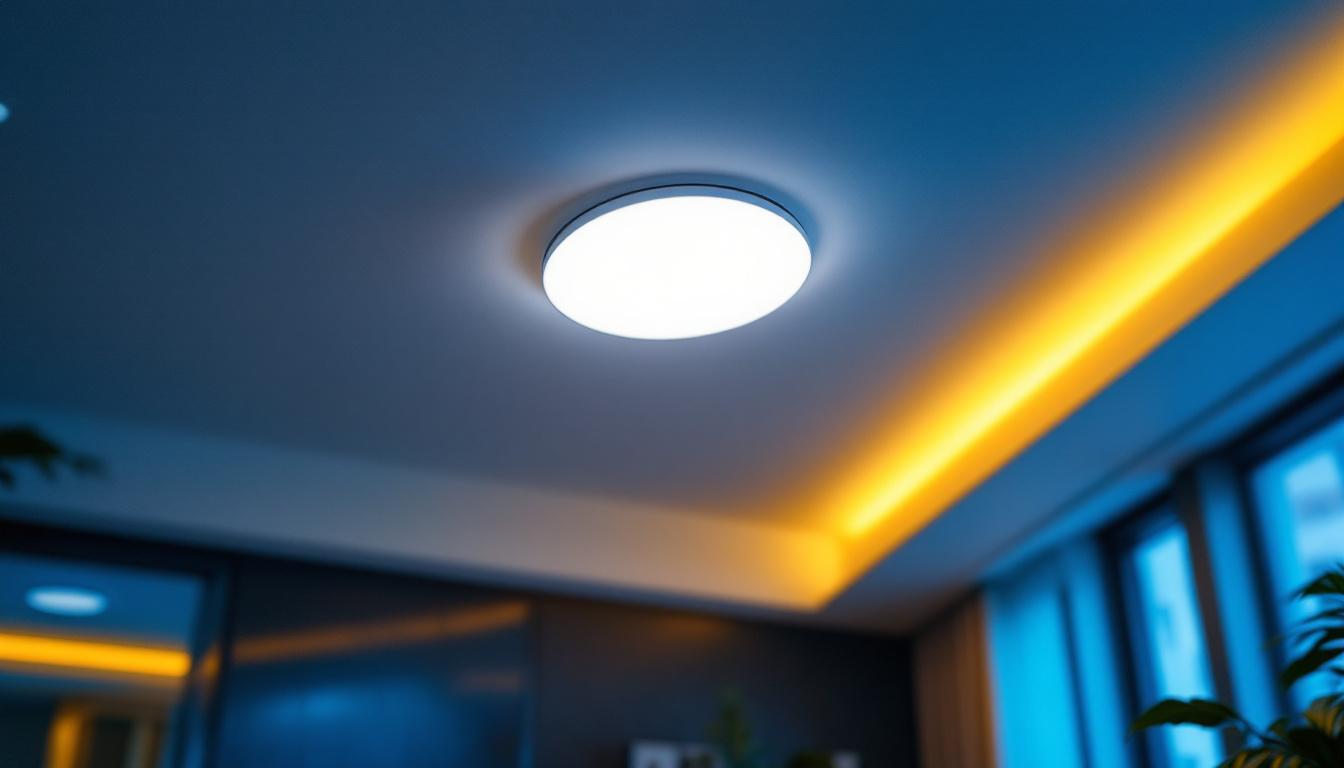
Flat LED recessed lights have become a staple in modern lighting design, offering a sleek, low-profile alternative to traditional fixtures. Their slim, flush-mount design not only enhances aesthetic appeal but also improves energy efficiency and longevity. For lighting contractors, mastering the nuances of these fixtures is essential to delivering both functional and visually pleasing installations.
These lights utilize light-emitting diode (LED) technology, which consumes significantly less power than incandescent or fluorescent bulbs. Moreover, flat LED recessed lights distribute light evenly, reducing harsh shadows and glare, which is critical in commercial and residential settings alike. Understanding the fundamental benefits sets the stage for avoiding common pitfalls during installation and specification.
Why Flat LED Recessed Lights Are Popular Among Clients
Clients increasingly demand lighting solutions that blend seamlessly with interior design while providing superior illumination. Flat LED recessed lights meet these expectations by offering a minimalist profile that integrates well with ceilings of varying textures and materials. Additionally, their energy efficiency aligns with growing environmental consciousness and regulatory standards.
From a contractor’s perspective, these fixtures reduce callbacks related to bulb replacements and overheating issues, thanks to their durable LED components and heat dissipation designs. This reliability translates into long-term client satisfaction and a stronger professional reputation.
Furthermore, the versatility of flat LED recessed lights allows them to be used in various applications, from residential living rooms to commercial office spaces. They can be installed in a grid pattern for uniform lighting or strategically placed to highlight artwork and architectural features. This adaptability makes them a favorite among interior designers who aim to create dynamic, layered lighting schemes that enhance the overall ambiance of a space.
Another compelling advantage is the availability of adjustable color temperatures, which can range from warm whites to cool daylight tones. This feature empowers clients to customize their lighting environment according to their preferences and activities, whether it’s creating a cozy atmosphere for a family gathering or a bright, focused light for workspaces. As technology continues to evolve, many flat LED recessed lights now also offer smart capabilities, allowing users to control brightness and color via mobile apps or voice commands, further enhancing convenience and functionality.
Common Pitfalls in Flat LED Recessed Light Installations
Despite their advantages, flat LED recessed lights present unique challenges that can compromise performance and customer satisfaction if not properly addressed. Recognizing these pitfalls early in the project lifecycle is crucial for lighting contractors aiming to deliver flawless installations.
Incorrect Housing Selection and Compatibility Issues
One of the most frequent mistakes involves mismatching the recessed housing with the LED trim or driver. Flat LED recessed lights often require specific housings designed for their slim profile and heat management needs. Using incompatible housings can lead to poor fixture fit, inadequate ventilation, and potential safety hazards.
Additionally, some LED trims are designed exclusively for new construction, while others suit remodel applications. Contractors must verify the housing type before installation to avoid costly rework and ensure compliance with building codes. It’s also essential to consider the ceiling type and thickness, as these factors can influence the choice of housing. For instance, a housing that works well in a drywall ceiling may not be suitable for a drop ceiling, leading to further complications during installation.
Improper Electrical Connections and Driver Failures
Flat LED recessed lights rely on integrated or external drivers to regulate power. Faulty wiring or using incompatible dimmers can cause flickering, reduced lifespan, or complete fixture failure. Lighting contractors should always follow manufacturer guidelines for wiring and select dimmers rated for LED loads.
Testing electrical connections with appropriate tools before finalizing the installation can prevent operational issues. Moreover, understanding the difference between constant current and constant voltage drivers helps in selecting the right fixture for the application. It’s also worth noting that the quality of the driver can significantly impact the overall performance of the LED lights. Investing in high-quality drivers can lead to better dimming capabilities and longer-lasting installations, ultimately enhancing the satisfaction of the end user.
Poor Thermal Management Leading to Overheating
LEDs generate heat that must be dissipated effectively to maintain performance and longevity. Flat LED recessed lights, due to their compact design, are particularly vulnerable to overheating if installed in confined or insulated spaces without proper clearance. Overheating not only reduces the lifespan of the LED chips but also poses fire risks.
Contractors should ensure that fixtures are rated for insulation contact (IC-rated) when installed in insulated ceilings and follow manufacturer recommendations for spacing around the fixture. Utilizing housings with built-in heat sinks and verifying airflow can mitigate thermal issues. Furthermore, educating clients about the importance of maintaining clearances around recessed lights can prevent future problems. For instance, homeowners should be made aware of the risks associated with placing insulation directly against the fixture, as this can trap heat and lead to premature failure. Regular maintenance checks can also help in identifying any potential overheating issues before they escalate, ensuring a safer and more efficient lighting solution.
Best Practices for Specifying and Installing Flat LED Recessed Lights
Adhering to industry best practices is essential for lighting contractors to maximize the benefits of flat LED recessed lights while minimizing common installation problems.
Accurate Measurement and Layout Planning
Proper spacing and layout directly affect lighting uniformity and aesthetics. Contractors should perform detailed measurements and create lighting plans that consider room dimensions, ceiling height, and the intended use of the space. Overly dense placement can cause glare and wasted energy, while sparse layouts may lead to insufficient illumination.
Using lighting design software or photometric data from manufacturers can assist in determining optimal fixture placement and spacing. This approach ensures compliance with recommended foot-candle levels and enhances client satisfaction.
Selecting the Right Color Temperature and CRI
Color temperature and color rendering index (CRI) significantly influence the ambiance and functionality of a space. Flat LED recessed lights are available in a range of color temperatures, from warm white (2700K-3000K) to daylight (5000K-6500K). Choosing the appropriate temperature depends on the application—for example, warmer tones suit residential living areas, while cooler tones are preferred in workspaces.
High CRI values (above 80) are important for accurately rendering colors, which is especially critical in retail, healthcare, and art gallery environments. Lighting contractors should consult with clients to match lighting specifications with the intended use and desired mood.
Ensuring Compliance with Local Codes and Energy Standards
Flat LED recessed light installations must comply with local building codes, fire safety regulations, and energy efficiency standards such as those set by the International Energy Conservation Code (IECC) or local equivalents. Non-compliance can lead to project delays, fines, or the need for costly modifications.
Contractors should stay informed about evolving regulations and verify that selected fixtures carry necessary certifications, such as UL listing or Energy Star ratings. This diligence not only ensures legal compliance but also enhances the quality and safety of the installation.
Advanced Considerations: Integration and Maintenance
Beyond basic installation, lighting contractors can add value by considering integration with smart controls and planning for long-term maintenance.
Smart Lighting Integration
Flat LED recessed lights are increasingly compatible with smart lighting systems, allowing for features such as dimming, color tuning, and remote control. Integrating these fixtures with building automation systems or voice-activated assistants can elevate client satisfaction and future-proof installations.
Contractors should familiarize themselves with communication protocols like Zigbee, Z-Wave, or Wi-Fi and ensure that the LED fixtures and drivers support these technologies. Proper programming and commissioning are essential to maximize the benefits of smart lighting.
Maintenance Planning and Accessibility
Although LEDs have long lifespans, periodic maintenance remains necessary to address dust accumulation, fixture cleaning, and eventual component replacement. Contractors should design installations with accessibility in mind, avoiding permanent sealing that complicates future servicing.
Providing clients with maintenance guidelines and scheduling periodic inspections can prevent performance degradation and extend the life of the lighting system. Additionally, offering maintenance contracts can create ongoing business opportunities.
Case Studies: Lessons Learned from Real-World Installations
Examining real-world examples highlights the importance of meticulous planning and execution in flat LED recessed light projects.
Commercial Office Retrofit: Avoiding Thermal Issues
A commercial office retrofit project initially experienced premature LED failures due to non-IC-rated fixtures installed in insulated ceilings without adequate clearance. The contractor resolved the issue by replacing housings with IC-rated models featuring enhanced heat sinks and verifying compliance with insulation contact requirements. This adjustment restored fixture longevity and client trust.
Residential New Construction: Achieving Uniform Illumination
In a residential new build, improper spacing of flat LED recessed lights led to uneven lighting and dark spots. The contractor revisited the lighting plan using photometric software and adjusted fixture placement to meet recommended spacing guidelines. The result was a balanced, inviting ambiance that met the homeowner’s expectations.
Retail Space: Integrating Smart Controls Successfully
A retail client sought dynamic lighting to highlight merchandise and adjust ambiance throughout the day. The contractor selected flat LED recessed lights compatible with a Zigbee-based control system and coordinated with the electrical team to install appropriate dimmers and sensors. The project demonstrated the importance of early collaboration and technology compatibility verification.
Conclusion: Elevating Your Craft with Expertise in Flat LED Recessed Lighting
Flat LED recessed lights offer lighting contractors a versatile, energy-efficient solution that meets modern design and performance demands. Avoiding common pitfalls such as incorrect housing selection, poor electrical connections, and thermal management failures is critical to successful installations.
By adhering to best practices in specification, installation, and maintenance—and embracing advanced technologies like smart controls—contractors can deliver superior lighting solutions that satisfy clients and enhance their professional reputation. Continuous learning and attention to detail remain the cornerstone of excellence in the evolving landscape of LED recessed lighting.
Get Your Premium Flat LED Recessed Lights at LumenWholesale
Ready to elevate your lighting installations with the expertise you’ve gained? Choose LumenWholesale for your next project and experience the difference that quality, affordability, and convenience can make. Our extensive selection of spec-grade flat LED recessed lights is designed to meet the highest industry standards, ensuring you deliver top-notch results every time. Say goodbye to inflated markups and hello to unbeatable wholesale prices, free shipping, and the support you need to succeed. Don’t compromise on your lighting solutions—Wholesale Lighting at the Best Value is just a click away.