In the realm of modern lighting design, down light fixtures have emerged as a popular choice for both residential and commercial applications. Their versatility, efficiency, and aesthetic appeal make them a staple in the toolkit of any lighting contractor. Understanding the various aspects of down light fixtures is crucial for contractors who wish to provide their clients with the best possible solutions. This article delves into essential points that lighting contractors should consider when working with down light fixtures.
Understanding Down Light Fixtures
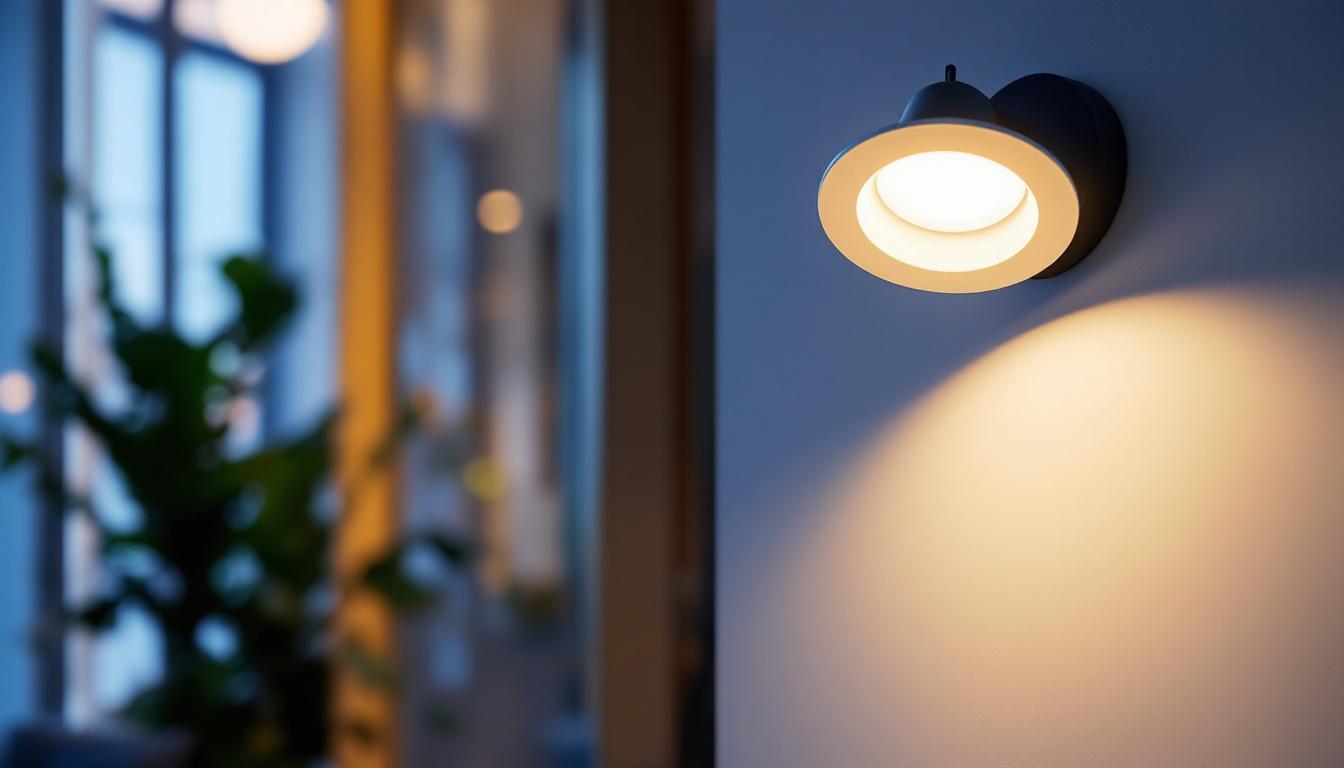
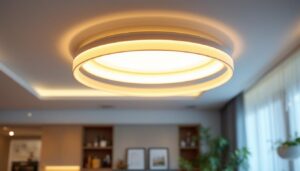
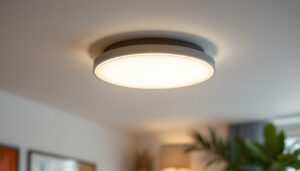
Down light fixtures, often referred to as recessed lighting, are designed to direct light downward, creating a focused illumination effect. They are typically installed in ceilings and can be used to enhance the ambiance of a space, highlight architectural features, or provide general lighting. The design of these fixtures allows them to blend seamlessly into the ceiling, making them an attractive option for various settings. Their unobtrusive nature not only maximizes floor space but also contributes to a clean and modern aesthetic, making them a favored choice in contemporary interior design.
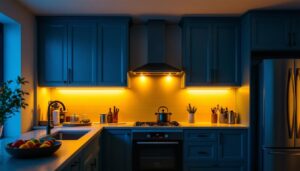
Moreover, down light fixtures can be equipped with dimmers, allowing for adjustable brightness levels that can cater to different moods and activities. This flexibility makes them ideal for multifunctional spaces where lighting needs may change throughout the day. For instance, a kitchen might require bright, focused lighting during meal prep but softer, warmer tones for evening gatherings. The ability to customize lighting enhances the overall functionality of a room, ensuring that it can adapt to various uses and preferences.
Types of Down Light Fixtures
There are several types of down light fixtures available in the market, each with unique characteristics and applications. These include:
- LED Down Lights: Known for their energy efficiency and long lifespan, LED down lights are increasingly popular. They produce less heat and are available in various color temperatures, making them suitable for diverse environments. Additionally, many LED options come with smart technology integration, allowing users to control lighting remotely via smartphone apps or voice commands, further enhancing convenience.
- Halogen Down Lights: Halogen fixtures offer bright, white light and are often used in settings where color accuracy is crucial. However, they tend to consume more energy compared to LEDs. Despite this, their ability to produce a high-quality light output makes them a go-to choice for art galleries and retail spaces where product presentation is key.
- Compact Fluorescent Down Lights: These fixtures provide a good balance between energy efficiency and light output. They are ideal for areas where longer-lasting lighting is needed without the high energy consumption of traditional bulbs. Compact fluorescents are particularly advantageous in commercial settings, where they can significantly reduce electricity costs over time.
Applications of Down Light Fixtures
Down light fixtures are incredibly versatile and can be used in a variety of applications. Common uses include:
- Residential Spaces: In homes, down lights can be used in living rooms, kitchens, and bathrooms to create a warm and inviting atmosphere. They can also be strategically placed in hallways and entryways to provide safety and visibility without overwhelming brightness.
- Commercial Environments: In offices, retail spaces, and restaurants, down lights can enhance the overall aesthetic while providing sufficient illumination for tasks and displays. For example, in a restaurant, down lights can create an intimate dining experience by casting soft shadows and highlighting table settings.
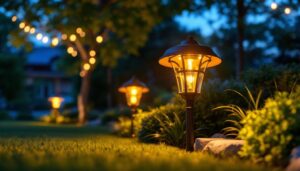
- Architectural Lighting: Down lights can be strategically placed to highlight architectural features, artwork, or landscaping, adding depth and character to a space. By employing different angles and intensities, designers can create dramatic effects that transform ordinary areas into visually stunning environments.
Furthermore, the installation of down light fixtures can significantly influence the perceived size of a room. By directing light downward and away from walls, these fixtures can create an illusion of height, making spaces feel more open and airy. This is particularly beneficial in smaller rooms or areas with low ceilings, where traditional lighting might feel cumbersome or overwhelming. The thoughtful placement of down lights can thus play a crucial role in both the functionality and aesthetics of a space, allowing for a harmonious blend of design and practicality.
Key Considerations for Lighting Contractors
When selecting and installing down light fixtures, several key considerations can significantly impact the overall effectiveness and satisfaction of the lighting solution.
Light Output and Efficiency
Understanding the light output, measured in lumens, is essential when selecting down light fixtures. The brightness required will vary depending on the application and the size of the space. Lighting contractors should consider the following:
- Calculate the total lumens required by considering the room size and intended use.
- Choose fixtures that offer the best lumen output per watt to ensure energy efficiency.
Additionally, it is crucial to assess the distribution of light within the space. A well-planned layout can prevent dark spots and ensure uniform illumination. Lighting contractors should also take into account the type of activities that will occur in the space, as this will influence the placement and intensity of the down lights. For instance, a kitchen may require brighter, focused lighting for cooking tasks, while a living room may benefit from softer, ambient lighting for relaxation.
Color Temperature and Rendering
The color temperature of down light fixtures can significantly affect the mood and functionality of a space. Measured in Kelvin (K), color temperature ranges from warm (2700K) to cool (5000K). Here are some points to keep in mind:
- Warm white light (2700K-3000K) is ideal for residential settings, creating a cozy atmosphere.
- Cool white light (4000K-5000K) is more suitable for commercial spaces, as it promotes alertness and productivity.
- Consider the Color Rendering Index (CRI) to ensure that colors appear true and vibrant under the lighting.
Moreover, the choice of color temperature can also influence the perceived size and warmth of a room. For example, using cooler temperatures can make a small space feel larger and more open, while warmer tones can make expansive areas feel more intimate. It’s also worth noting that the context in which the lighting is used—such as art galleries or retail environments—may require specific color temperatures to enhance the visual appeal of products or artworks. Therefore, understanding the psychological effects of color temperature can help contractors make informed decisions that align with the desired ambiance of the space.
Installation Best Practices
Proper installation is crucial for maximizing the performance and aesthetic appeal of down light fixtures. Lighting contractors should adhere to best practices to ensure a successful installation.
Placement and Spacing
The placement and spacing of down light fixtures can dramatically influence the quality of light in a room. Here are some guidelines:
- For general lighting, fixtures should be spaced evenly across the ceiling, typically 4 to 6 feet apart, depending on the fixture’s lumen output.
- For task lighting, such as over countertops or workspaces, fixtures should be positioned closer together to provide adequate illumination.
Electrical Considerations
When installing down light fixtures, electrical considerations are paramount. Ensure that:
- The electrical circuit can handle the total wattage of the fixtures being installed.
- Proper wiring techniques are used to prevent overheating and ensure safety.
Trends in Down Light Fixtures
The lighting industry is constantly evolving, and staying informed about the latest trends can help contractors provide cutting-edge solutions to their clients.
Smart Lighting Integration
With the rise of smart home technology, many down light fixtures now come equipped with smart features. These include:
- Remote control capabilities through smartphones or voice-activated devices.
- Adjustable brightness and color temperature settings to create customizable lighting experiences.
Energy Efficiency Standards
As sustainability becomes a priority, energy efficiency standards are becoming more stringent. Contractors should be aware of:
- New regulations regarding energy consumption and efficiency ratings for lighting products.
- Incentives available for using energy-efficient lighting solutions, which can benefit both contractors and clients.
Common Challenges and Solutions
While down light fixtures offer numerous benefits, lighting contractors may encounter challenges during installation and maintenance. Understanding these challenges and their solutions is essential for providing excellent service.
Heat Management
One common issue with down light fixtures, particularly halogen models, is heat buildup. Overheating can lead to fixture failure or even fire hazards. To mitigate this risk:
- Ensure proper ventilation in the ceiling cavity to allow heat to dissipate.
- Consider using LED fixtures, which generate significantly less heat than traditional options.
Accessibility for Maintenance
Down light fixtures installed in high ceilings or hard-to-reach areas can pose maintenance challenges. To address this:
- Choose fixtures with long lifespans, such as LEDs, to reduce the frequency of replacements.
- Consider using adjustable or tiltable fixtures that can be accessed more easily for cleaning and maintenance.
Conclusion
Down light fixtures are an essential component of modern lighting design, offering versatility, efficiency, and aesthetic appeal. For lighting contractors, understanding the various types, applications, and installation best practices is crucial for delivering high-quality lighting solutions. By staying informed about industry trends and addressing common challenges, contractors can enhance their service offerings and ensure client satisfaction.
As the demand for energy-efficient and aesthetically pleasing lighting continues to grow, down light fixtures will remain a key player in the lighting landscape. By mastering the intricacies of these fixtures, lighting contractors can position themselves as experts in the field, ready to meet the evolving needs of their clients.
Illuminate Your Projects with LumenWholesale
Ready to elevate your lighting projects with the best in down light fixtures? Look no further than LumenWholesale, where we provide lighting contractors with superior, spec-grade lighting solutions at unbeatable wholesale prices. Our commitment to quality and affordability means you can access a vast selection of top-tier lighting without the burden of inflated costs. Plus, with the convenience of free shipping on bulk orders, you can trust that you’re getting the best value without any hidden fees. Don’t compromise on quality or price. Visit LumenWholesale today and discover the ideal blend of performance, cost-effectiveness, and hassle-free service for all your lighting needs.