Lighting a stairway is more than just a functional necessity; it’s an opportunity to enhance safety, aesthetics, and the overall ambiance of a home or commercial space. For lighting contractors, mastering stairway wall lighting requires a balance of technical skill, design insight, and attention to detail. However, even experienced professionals can fall into common pitfalls that compromise the effectiveness and appeal of their installations.
This article explores the most frequent mistakes lighting contractors make when working with indoor stairway wall lighting, offering insights and solutions to help elevate project outcomes and client satisfaction.
Underestimating the Importance of Proper Illumination Levels
One of the most critical aspects of stairway lighting is ensuring adequate illumination. Insufficient light can lead to safety hazards, while overly bright or uneven lighting can cause discomfort or glare. The stairway is often a transitional space, where individuals move from one level to another, and it deserves special attention to ensure that it is both functional and safe. Proper lighting not only enhances visibility but also contributes to the overall aesthetic of the space, creating a welcoming environment.
Neglecting Safety Standards and Guidelines
Lighting contractors sometimes overlook established lighting standards, such as the Illuminating Engineering Society (IES) recommendations, which specify minimum light levels for stairways. For example, a typical guideline suggests maintaining an average illuminance level of 100 to 150 lux on stair treads to prevent accidents. These standards are based on extensive research into human vision and safety, emphasizing the need for adequate lighting in areas where people are likely to be distracted or in motion.
Failing to meet these standards can result in poorly lit steps, increasing the risk of slips and falls. Contractors should always verify lighting levels with a light meter during installation and adjust fixture placement or wattage accordingly. Additionally, incorporating features such as motion sensors can enhance safety by ensuring lights are activated when someone approaches the stairs, providing an extra layer of security during nighttime hours.
Over-Reliance on Ambient Lighting
Relying solely on ambient room lighting without dedicated stairway wall lighting often leads to shadowed or dim stair treads. This mistake is common when contractors assume that overhead fixtures or natural light suffice for stair illumination. The reality is that ambient light can be unpredictable, varying significantly throughout the day and depending on weather conditions, which can create inconsistent lighting on the stairs.
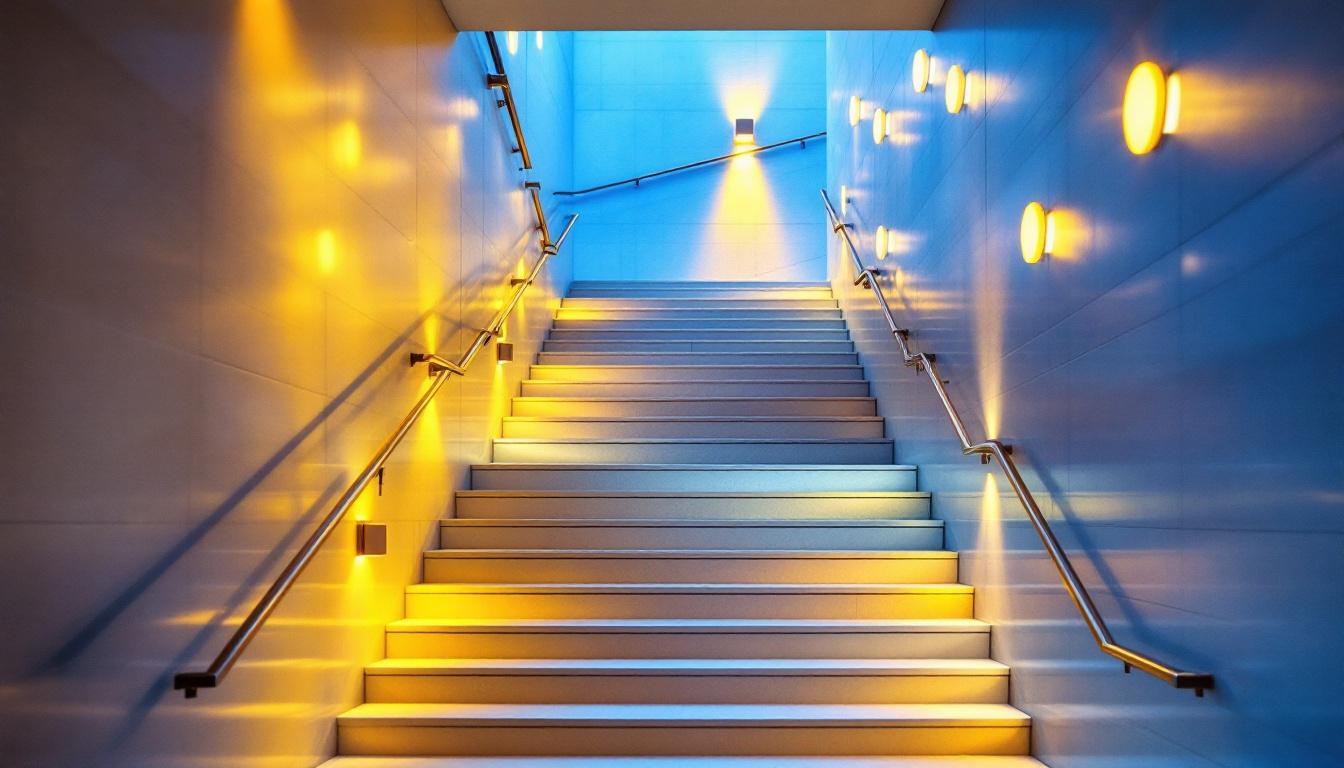
Dedicated wall-mounted fixtures or LED strip lighting along the stair risers can provide consistent, glare-free light that highlights each step, improving visibility and safety. Moreover, using warm-toned LED lights can create a cozy atmosphere, while strategically placed fixtures can also serve as design elements, enhancing the architectural features of the stairway. The right lighting can transform a mundane staircase into a visually appealing focal point, making it an integral part of the home’s interior design.
Improper Fixture Selection and Placement
The choice and positioning of fixtures directly influence both the functionality and aesthetics of stairway lighting. Contractors frequently err in this area, affecting the overall effectiveness of the lighting scheme.
Choosing Inappropriate Fixture Styles
Not all fixtures are suitable for stairway walls. For instance, large, bulky sconces can overwhelm narrow staircases, while fixtures that direct light upward only may fail to illuminate the steps properly.
Contractors should select fixtures designed to cast light downward or sideways to highlight stair treads without creating harsh shadows or glare. Slim-profile LED wall washers or recessed step lights are excellent options for a clean, modern look. Additionally, incorporating fixtures with adjustable heads can provide flexibility, allowing for fine-tuning of light direction based on specific needs or design preferences. This adaptability can enhance both safety and ambiance, making the stairway a welcoming feature of the home rather than a mere transit space.
Poor Fixture Placement and Spacing
Incorrect spacing between fixtures is a common mistake that leads to uneven lighting. Too few fixtures create dark spots, while too many can cause excessive brightness and energy waste.
As a rule of thumb, spacing fixtures at intervals roughly equal to the height at which they are mounted ensures even light distribution. For example, if wall sconces are installed 6 feet above the stair tread, placing them about 6 feet apart creates balanced illumination. Furthermore, considering the angle of the stairs can also play a crucial role in fixture placement. For instance, on a winding staircase, staggered placements may be necessary to ensure that each turn is adequately lit, preventing potential accidents and enhancing the visual flow of the space.
Ignoring the Impact of Wall Color and Texture
Wall surfaces significantly affect how light is reflected and dispersed. Dark or matte walls absorb light, requiring brighter fixtures or closer spacing, while light or glossy walls reflect more light.
Contractors should assess wall finishes during the planning phase and adjust fixture choices and placement accordingly to achieve the desired lighting effect. Additionally, the texture of the wall can create varied lighting effects; for example, a textured surface may scatter light in unpredictable ways, leading to unexpected shadows or highlights. By taking into account both color and texture, contractors can create a cohesive lighting design that not only illuminates the stairs effectively but also enhances the overall aesthetic appeal of the stairway area, ensuring it complements the surrounding decor and architecture.
Failing to Address Glare and Light Pollution
Glare is a frequent complaint in stairway lighting projects, often stemming from poor fixture selection or installation angles. It can cause discomfort and reduce visibility, defeating the purpose of the lighting.
Using Fixtures Without Proper Shielding
Fixtures lacking adequate shielding or diffusers can produce direct glare, especially when mounted at eye level along a stairway. This not only irritates occupants but can also create hazardous visual conditions.
Contractors should prioritize fixtures with built-in shields or frosted lenses that soften light output. Adjustable fixtures can also help direct light precisely where it’s needed without shining directly into the eyes. Additionally, utilizing fixtures that offer a warm color temperature can enhance the overall aesthetic of the space while reducing glare. Warm light tends to be more inviting and less harsh, creating a more comfortable environment for users navigating the stairway.
Overlooking Light Pollution Within the Home
Excessive or poorly directed light can spill into adjacent rooms or hallways, disturbing occupants and detracting from the home’s ambiance. This is particularly problematic in multi-level homes where stairways connect private and public spaces.
Strategic fixture placement and the use of dimmers or smart lighting controls allow contractors to minimize unwanted light spill and tailor illumination to different times and needs. Furthermore, incorporating motion sensors can enhance energy efficiency and provide light only when necessary, thereby reducing the overall light pollution within the home. These sensors can be particularly useful in stairways, where light can automatically activate as someone approaches, ensuring safety without the need for constant illumination. By blending functionality with technology, homeowners can achieve a balance between adequate lighting and a serene living environment.
Ignoring Energy Efficiency and Maintenance Considerations
Modern lighting projects must balance performance with sustainability and long-term maintenance. Contractors sometimes prioritize initial appearance over these critical factors.
Using Inefficient Light Sources
Traditional incandescent or halogen bulbs consume more energy and generate heat, increasing utility costs and potentially affecting stairway materials over time.
LED technology offers superior energy efficiency, longer lifespan, and lower heat output. Contractors should recommend and install LED fixtures or retrofit existing installations to improve efficiency and reduce maintenance frequency. Additionally, the versatility of LED lighting allows for a variety of color temperatures and dimming options, enabling homeowners to customize their lighting experience according to their needs and preferences. This adaptability not only enhances the aesthetic appeal of stairways but also contributes to overall energy savings by allowing users to adjust brightness levels based on the time of day or activity.
Neglecting Accessibility for Maintenance
Stairway wall lighting often requires periodic cleaning or bulb replacement. Fixtures installed in hard-to-reach spots without consideration for accessibility can increase labor costs and inconvenience homeowners.
Contractors should plan installations with maintenance in mind, choosing fixtures that are easy to access or have long-lasting light sources to minimize upkeep. Furthermore, incorporating smart lighting solutions can greatly alleviate maintenance concerns. Smart bulbs can provide notifications when they are nearing the end of their lifespan, allowing homeowners to proactively replace them before they fail. This foresight not only enhances safety by ensuring consistent lighting but also reduces the frequency of maintenance visits, ultimately saving time and money for both contractors and homeowners alike. By prioritizing accessibility and smart technology, contractors can create lighting solutions that are both practical and user-friendly.
Overlooking the Integration of Lighting Controls
Lighting controls enhance the functionality and user experience of stairway lighting but are sometimes neglected or poorly implemented by contractors.
Failing to Include Dimmers or Motion Sensors
Dimmers allow occupants to adjust lighting levels according to time of day or activity, improving comfort and reducing energy use. Motion sensors can automatically illuminate stairways when in use, enhancing safety and convenience.
Incorporating these controls during installation adds value and modernizes the lighting system. Contractors should educate clients on the benefits and options available.
Ignoring Smart Lighting Integration
Smart home technology is increasingly popular, and stairway lighting can be integrated into these systems for remote control, scheduling, and scene setting.
Contractors who stay informed about compatible fixtures and control systems can offer clients advanced solutions that improve functionality and appeal.
Conclusion
Indoor stairway wall lighting is a nuanced aspect of lighting design that demands careful attention to safety, aesthetics, and functionality. Common mistakes made by lighting contractors—such as underestimating illumination needs, poor fixture selection and placement, ignoring glare and light pollution, neglecting energy efficiency, and overlooking lighting controls—can compromise project success.
By understanding and avoiding these pitfalls, lighting contractors can deliver stairway lighting solutions that are safe, visually pleasing, energy-efficient, and user-friendly. This not only enhances the client’s experience but also strengthens the contractor’s reputation for quality and professionalism.
Illuminate Your Projects with LumenWholesale
Ready to avoid the common pitfalls of stairway lighting and elevate your projects to new heights? Choose LumenWholesale for your lighting needs and gain access to top-quality, spec-grade lighting products at unbeatable wholesale prices. With our extensive selection that meets the highest industry standards, you can ensure safety, aesthetics, and functionality in every installation. Plus, enjoy the convenience of bulk buying with free shipping and no hidden fees. Don’t compromise on quality or value—discover wholesale lighting at the best value today and light up your stairway projects with confidence.