Understanding the Importance of Light Bulb Bases in Lighting Projects
For lighting contractors, selecting the right light bulb is only part of the equation. Equally critical is choosing the correct base type for the bulb. The base serves as the mechanical and electrical interface between the light bulb and the fixture, ensuring proper fit, electrical connection, and safety. An incorrect base type can lead to installation difficulties, poor electrical contact, or even damage to the fixture and bulb. For instance, using an E26 base bulb in a fixture designed for an E12 base can result in not only a loose fit but also potential electrical hazards, which can compromise the entire lighting system.
Lighting projects, whether residential, commercial, or industrial, demand precision and attention to detail. Knowing the various base types and their applications is essential for contractors to deliver reliable, efficient, and professional results. This knowledge not only streamlines the installation process but also helps in troubleshooting and maintenance, reducing callbacks and enhancing client satisfaction. Additionally, understanding the nuances of base types, such as the differences between screw bases (like E26 and E12) and pin bases (like GU10 or G4), can significantly impact the overall aesthetic and functionality of a lighting design. For example, a GU10 base is commonly used in track lighting and recessed fixtures, allowing for easy bulb replacement and a secure fit, while G4 bases are often found in low-voltage applications, making them ideal for accent lighting in both residential and commercial spaces.
Moreover, the evolution of lighting technology, particularly with the rise of LED bulbs, has introduced a variety of base types that may not have been as prevalent in traditional incandescent or halogen bulbs. This means that contractors must stay informed about the latest developments and compatibility issues that may arise when integrating new technologies into existing fixtures. For instance, some LED bulbs come with integrated drivers that require specific base types to function correctly, which can complicate the selection process. Therefore, a thorough understanding of both the technical specifications and the practical applications of different light bulb bases is crucial for ensuring that lighting projects not only meet client expectations but also adhere to safety standards and energy efficiency regulations.
Common Base Types and Their Applications
Light bulb bases come in a variety of shapes and sizes, each designed for specific fixtures and lighting needs. Below is a detailed look at the most prevalent base types encountered in the field.
Edison Screw Bases (E26, E27, E12, E14)
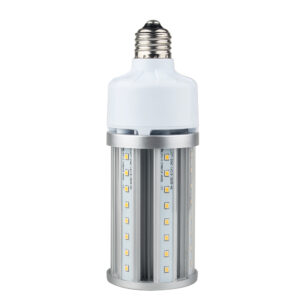
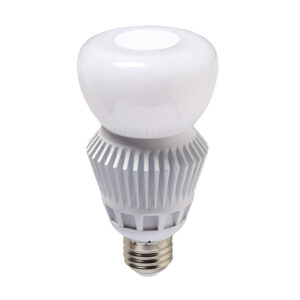
The Edison screw base is the most widely used base type worldwide. Named after Thomas Edison, this base features a threaded metal shell that screws into a matching socket. The most common sizes include E26 and E27, which are often used interchangeably in North America and Europe, respectively.
Smaller Edison screw bases like E12 (candelabra) and E14 (small Edison screw) are typically found in decorative fixtures such as chandeliers and wall sconces. Their ease of use and secure connection make them a staple in residential and commercial lighting projects. Additionally, the versatility of Edison bases allows for a wide range of bulb types, including incandescent, LED, and compact fluorescent, providing consumers with numerous options for energy efficiency and aesthetic appeal.
Bayonet Bases (BA15d, BA15s, B22)
Bayonet bases are characterized by their push-and-twist locking mechanism, providing a secure fit that resists vibration and loosening. The BA15d and BA15s are common in automotive and specialty lighting, while the B22 base is prevalent in the UK, Australia, and other regions.
Bayonet bases are favored in environments where a robust connection is necessary, such as in industrial settings or outdoor fixtures. Their design also simplifies bulb replacement, a benefit for maintenance teams. Furthermore, the ability to easily change bulbs without tools makes bayonet bases particularly popular in applications where frequent bulb changes are required, such as in stage lighting or theatrical productions, ensuring that lighting remains consistent and reliable during performances.
Bi-pin Bases (G4, G5.3, GU10, G13)
Bi-pin bases consist of two pins protruding from the bulb’s base that insert into corresponding sockets. These bases are common in halogen, fluorescent, and LED bulbs used for track lighting, under-cabinet lighting, and recessed fixtures.
For example, the GU10 base features a twist-lock mechanism and is widely used in spotlights and downlights. The G13 base is standard for linear fluorescent tubes, a staple in commercial and industrial lighting. The versatility of bi-pin bases allows for a wide range of lighting applications, from accent lighting in homes to high-output fixtures in warehouses, demonstrating their adaptability to various lighting requirements and environments.
Specialty Bases (MR16, R7s, T5, T8)
Some lighting projects require specialty bases that cater to unique fixture designs or lighting technologies. MR16 bulbs, often used in landscape and accent lighting, use a GU5.3 bi-pin base and operate at low voltage, offering precise beam control.
The R7s base is a double-ended linear base used in floodlights and security lighting. T5 and T8 bases refer to the diameter of linear fluorescent and LED tubes, with T5 being slimmer and more energy-efficient, making them popular in modern commercial installations. Moreover, specialty bases like MR16 and R7s are designed to provide specific lighting effects, such as focused beams for highlighting artwork or wide dispersal for general illumination, making them essential tools for designers and architects who wish to create dynamic lighting environments. The advancements in LED technology have also led to the development of more efficient and longer-lasting options for these specialty bases, further enhancing their appeal in both residential and commercial settings.
Why Correct Base Selection Matters for Contractors
Choosing the correct base type is more than a matter of compatibility; it directly impacts the performance, safety, and longevity of lighting installations.
Ensuring Electrical Compatibility and Safety
Each base type is designed to handle specific voltage and wattage ratings. Using a bulb with an incompatible base can lead to poor electrical contact, overheating, or even electrical hazards. For instance, installing a high-wattage bulb in a fixture rated for lower wattage can cause fixture damage or fire risk.
Contractors must verify the fixture’s specifications and select bulbs with matching base types and electrical ratings to ensure safe operation. This diligence protects both the installation team and end-users.
Facilitating Maintenance and Future Upgrades
Standardizing base types within a project simplifies future maintenance and bulb replacement. When contractors use common base types, facility managers and maintenance personnel can easily source replacements, reducing downtime and operational disruptions.
Moreover, understanding base types enables contractors to recommend energy-efficient upgrades, such as switching from incandescent bulbs with Edison screw bases to LED equivalents with the same base, preserving fixture compatibility while improving energy performance.
Enhancing Project Efficiency and Client Satisfaction
Accurate base selection reduces installation errors and the need for rework. This efficiency translates to cost savings and timely project completion, key factors in client satisfaction and contractor reputation.
Clients appreciate lighting solutions that are reliable, easy to maintain, and energy-efficient. Contractors who demonstrate expertise in base types and lighting technology position themselves as trusted partners in their clients’ projects.
Tips for Lighting Contractors When Selecting and Handling Light Bulb Bases
To maximize success in lighting projects, contractors should adopt best practices related to base types and bulb handling.
Verify Fixture Specifications Before Ordering
Always consult fixture documentation or manufacturer specifications to confirm the required bulb base type and electrical ratings. This step prevents costly mistakes and ensures compatibility.
Keep a Comprehensive Inventory of Common Base Types
Maintaining an inventory of bulbs with various base types allows contractors to respond quickly to client needs and unexpected onsite requirements. Stocking popular bases like E26, GU10, and G13 covers a wide range of applications.
Handle Bulbs Carefully to Avoid Damage
Some bases, especially bi-pin and specialty types, can be fragile. Proper handling during installation prevents bent pins or damaged threads, which can compromise electrical contact and bulb lifespan.
Educate Clients on Base Types and Bulb Replacement
Providing clients with information about the base types used in their lighting systems empowers them to perform safe and correct bulb replacements in the future. This proactive communication reduces service calls and builds client trust.
Emerging Trends and Innovations in Light Bulb Base Technology
The lighting industry continues to evolve, with innovations aimed at improving energy efficiency, ease of installation, and smart functionality. These trends influence base design and selection.
Smart Bulbs and Integrated Bases
Smart lighting solutions often feature integrated bases designed to work with specific fixtures or smart sockets. These bases may incorporate additional contacts or communication protocols to enable dimming, color control, and connectivity.
Contractors must stay informed about these developments to integrate smart lighting seamlessly into projects and advise clients on compatibility.
Modular and Universal Base Designs
Manufacturers are developing modular bases that can adapt to multiple fixture types, reducing the need for diverse inventories and simplifying installation. Universal bases also facilitate retrofitting older fixtures with modern bulbs, extending fixture life and improving sustainability.
Advances in Materials and Durability
New materials and coatings enhance the durability of bulb bases, making them more resistant to corrosion, heat, and mechanical wear. These improvements are particularly valuable in harsh environments such as industrial plants and outdoor installations.
Conclusion: Mastering Base Types for Lighting Project Success
For lighting contractors, a thorough understanding of light bulb base types is indispensable. It ensures that lighting installations are safe, efficient, and aligned with client expectations. From the ubiquitous Edison screw to specialized bi-pin and bayonet bases, each type has a role in delivering optimal lighting solutions.
By prioritizing correct base selection, maintaining an informed inventory, and staying abreast of industry innovations, contractors can enhance project outcomes, reduce maintenance challenges, and build lasting client relationships. In the dynamic field of lighting, mastering the fundamentals such as bulb bases is a cornerstone of professional excellence.
Get the Best in Lighting with LumenWholesale
Ready to elevate your lighting projects with the right base types and top-quality bulbs? Look no further than LumenWholesale, where we provide contractors with spec-grade lighting solutions at unbeatable wholesale prices. Our extensive selection ensures you have access to the best products that meet the highest industry standards. Plus, with free shipping on bulk orders, you can stock up on all the bases and bulbs you need without worrying about hidden fees. Don’t compromise on quality or value—Wholesale Lighting at the Best Value is just a click away. Make the smart choice for your lighting projects with LumenWholesale.