Introduction to White Recessed Lighting
White recessed lighting has become a staple in modern architectural and interior design, offering a sleek, unobtrusive source of illumination that complements a variety of spaces. For lighting contractors, understanding the latest trends in white recessed lights is essential not only to meet client expectations but also to stay competitive in a rapidly evolving industry.
These fixtures, often referred to as can lights or downlights, are installed flush with ceilings, providing clean lines and a minimalist aesthetic. Their versatility allows them to be used in residential, commercial, and hospitality settings, making them a go-to choice for lighting professionals.
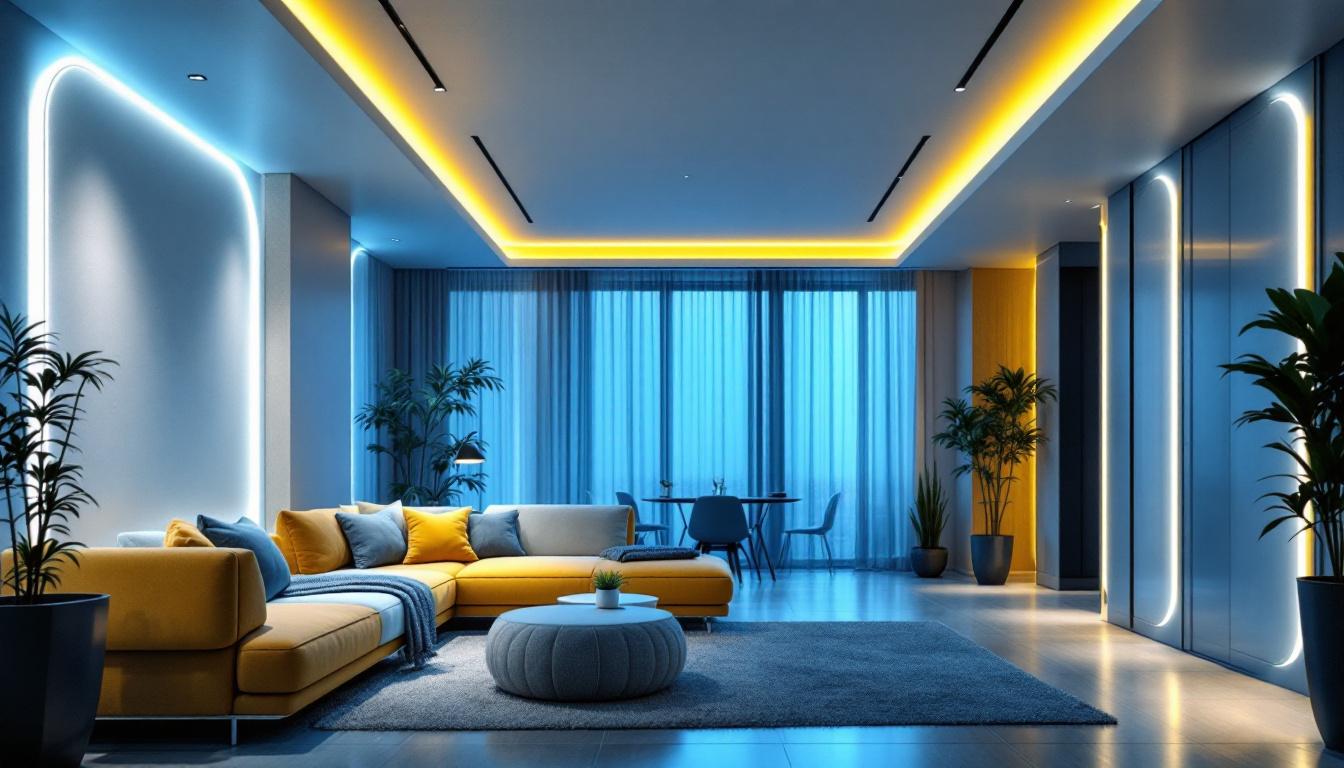
One of the key advantages of white recessed lighting is its ability to create an illusion of space. By distributing light evenly across a room, these fixtures can enhance the perception of height and openness, making them particularly effective in smaller areas or rooms with low ceilings. Additionally, the use of dimmable LED options allows users to adjust the brightness according to the time of day or mood, further enhancing the functionality of the space. This adaptability not only meets the practical needs of homeowners but also aligns with the growing trend towards energy efficiency and sustainability in design.
Moreover, the aesthetic appeal of white recessed lighting can be tailored to suit various design themes. From contemporary to traditional, these fixtures can seamlessly blend into any decor. The availability of different trim styles and finishes allows designers to customize the look, ensuring that the lighting complements other elements within the room. Furthermore, advancements in technology have led to the introduction of smart recessed lighting systems, which can be controlled via smartphone apps or voice commands, adding an extra layer of convenience and modernity to any space.
Why White Recessed Lights Are Popular Among Contractors
White recessed lights offer several advantages that appeal to contractors and clients alike. Their neutral color blends seamlessly with most ceiling finishes, reducing visual clutter and enhancing the perception of space. Additionally, advances in LED technology have made these fixtures more energy-efficient and longer-lasting, which aligns with growing demands for sustainable building practices.
From a contractor’s perspective, white recessed lights are relatively straightforward to install and maintain. Their compatibility with dimmers and smart lighting systems also adds value, enabling customized lighting scenes that enhance ambiance and functionality.
Moreover, white recessed lights are versatile enough to be used in various settings, from residential homes to commercial spaces. In living rooms, they can create a cozy atmosphere for family gatherings, while in offices, they provide bright, focused lighting that boosts productivity. The ability to adjust the brightness and color temperature means that these fixtures can adapt to different activities throughout the day, making them a favorite choice for dynamic environments.
Another compelling reason for their popularity is the wide range of styles and finishes available. Contractors can choose from different trim styles, such as baffle, reflector, or adjustable, allowing for tailored lighting solutions that meet specific client needs. This variety not only enhances the aesthetic appeal of a space but also ensures that the lighting can be optimized for functionality, whether it’s highlighting artwork in a gallery or providing task lighting in a kitchen. As trends in interior design continue to evolve, the adaptability of white recessed lights keeps them relevant and in demand across various projects.
Key Trends in White Recessed Lighting
1. Integration of Smart Lighting Technology
Smart home and building automation have transformed how lighting is controlled and experienced. White recessed lights are increasingly being integrated with smart systems that allow for remote control, scheduling, and voice activation. This trend not only improves user convenience but also contributes to energy savings by optimizing light usage.
For contractors, familiarity with smart lighting protocols such as Zigbee, Z-Wave, and Wi-Fi is becoming indispensable. Offering clients smart-enabled white recessed lighting solutions can differentiate your services and open up new business opportunities. Moreover, the ability to customize lighting scenes for different activities—such as movie nights, reading, or entertaining—adds a layer of personalization that enhances the overall user experience. As smart home ecosystems continue to evolve, the integration of recessed lighting with other smart devices, such as thermostats and security systems, will create a more cohesive and efficient living environment.
2. Enhanced Energy Efficiency and Sustainability
Energy efficiency remains a top priority in lighting design. LED white recessed lights now dominate the market due to their low power consumption and high lumen output. Many products also carry certifications like ENERGY STAR and DLC (DesignLights Consortium), which assure compliance with stringent energy standards.
Lighting contractors should prioritize specifying fixtures with high efficacy (lumens per watt) and long rated lifespans to reduce maintenance costs and environmental impact. Additionally, using fixtures with recyclable materials and low toxic content aligns with green building certifications such as LEED and WELL. The push for sustainability also extends to the manufacturing processes of these lights, with many companies adopting eco-friendly practices that minimize waste and carbon footprints. As consumers become more environmentally conscious, offering sustainable lighting options can serve as a strong selling point and attract a clientele that values green initiatives.
3. Adjustable and Directional Features
While traditional recessed lights provide fixed, downward illumination, contemporary designs often include adjustable trims or gimbals that allow the light beam to be directed where needed. This flexibility is particularly valuable in retail and gallery environments where accent lighting highlights products or artwork.
Contractors should be aware of the different trim options—such as eyeball, wall wash, and baffle trims—and understand their applications to recommend the most effective lighting solutions for each project. Additionally, the use of tunable white technology in adjustable recessed lights allows users to modify the color temperature throughout the day, mimicking natural light patterns. This feature not only enhances the aesthetic appeal of a space but also supports circadian rhythms, promoting well-being and productivity among occupants.
4. Minimalist and Ultra-Thin Designs
Architectural trends favor clean, minimalist aesthetics, and recessed lighting has evolved accordingly. Ultra-thin and low-profile white recessed lights are gaining popularity, especially in spaces with shallow ceiling cavities or where a subtle lighting effect is desired.
These fixtures often feature slim bezels and refined finishes that blend almost invisibly into the ceiling plane, enhancing the modern look without compromising performance. Contractors should consider these options when working with contemporary interiors or retrofit projects with limited ceiling depth. Furthermore, the advancements in LED technology have allowed for even more compact designs without sacrificing light quality or output. This trend not only caters to aesthetic preferences but also addresses practical challenges in urban settings where ceiling heights may be restrictive. As a result, ultra-thin recessed lights are becoming a go-to solution for designers looking to achieve a sleek, unobtrusive lighting scheme that complements modern architectural styles.
Technical Considerations for Lighting Contractors
Color Temperature and CRI
Choosing the correct color temperature and color rendering index (CRI) is critical to achieving the desired ambiance and functionality. White recessed lights typically range from warm white (2700K–3000K) to cool white (4000K–5000K), with some applications benefiting from tunable white options that allow users to adjust the color temperature dynamically.
High CRI values (80 and above) are important for spaces where color accuracy is essential, such as retail or healthcare environments. Lighting contractors should guide clients in selecting fixtures that balance aesthetic preferences with practical needs.
Dimming Compatibility
Dimming capabilities are often requested by clients to create versatile lighting environments. However, not all white recessed LED fixtures are compatible with every dimmer type. Contractors must verify compatibility with leading dimmer technologies, including TRIAC, ELV, and 0-10V systems, to ensure smooth, flicker-free dimming performance.
Providing expert advice on dimmer selection and installation can prevent costly callbacks and enhance client satisfaction.
Installation and Retrofit Challenges
Installing white recessed lights can vary in complexity depending on ceiling construction, accessibility, and electrical infrastructure. New construction projects offer more flexibility, while retrofit installations may require specialized fixtures designed for shallow ceilings or insulation contact (IC) ratings to meet fire safety codes.
Contractors should be proficient in assessing site conditions and selecting the appropriate housing and trim combinations to ensure compliance and optimal performance.
Emerging Innovations Impacting White Recessed Lighting
Human-Centric Lighting (HCL)
Human-centric lighting focuses on supporting human health and well-being by mimicking natural light patterns. White recessed lights with tunable white capabilities allow for dynamic adjustments in color temperature and intensity throughout the day, promoting circadian rhythm regulation.
As awareness of HCL grows, lighting contractors have an opportunity to incorporate these systems into office, educational, and healthcare projects, adding value through improved occupant comfort and productivity.
Advanced Optical Controls
Recent advances in optical design have led to recessed lights that offer better glare control and more uniform light distribution. Micro-lens arrays and precision reflectors reduce hotspots and create softer, more comfortable illumination.
Understanding these technologies enables contractors to specify fixtures that enhance visual comfort, an increasingly important factor in both commercial and residential lighting schemes.
Integration with Renewable Energy Systems
As renewable energy adoption rises, white recessed lighting systems are being designed to integrate seamlessly with solar panels and energy storage solutions. Low-voltage LED systems powered by photovoltaic sources provide sustainable lighting options, especially in remote or off-grid locations.
Contractors involved in green building projects should explore these integrations to offer comprehensive energy solutions that align with client sustainability goals.
Best Practices for Lighting Contractors When Specifying White Recessed Lights
To maximize the benefits of white recessed lighting, contractors should adopt a holistic approach to specification and installation:
- Assess the Space Thoroughly: Consider ceiling height, room function, and existing lighting to determine the optimal number and placement of fixtures.
- Prioritize Quality and Certification: Select fixtures from reputable manufacturers with certifications that guarantee performance and safety.
- Plan for Future Flexibility: Incorporate smart controls and adjustable fixtures to accommodate evolving client needs.
- Coordinate with Other Trades: Work closely with electricians, architects, and interior designers to ensure seamless integration.
- Educate Clients: Provide clear explanations about the benefits and limitations of different options to help clients make informed decisions.
Conclusion
White recessed lighting continues to be a versatile and popular choice in the lighting industry, driven by trends in smart technology, energy efficiency, and design innovation. For lighting contractors, staying informed about these developments is crucial to delivering high-quality, future-proof solutions that satisfy client demands.
By mastering the technical nuances, embracing emerging innovations, and adhering to best practices, contractors can position themselves as trusted experts in white recessed lighting, ensuring successful projects and long-term business growth.
Get Your Premium White Recessed Lights at LumenWholesale
Ready to elevate your lighting projects with the latest trends in white recessed lighting? LumenWholesale is here to support your success. Our extensive collection of spec-grade lighting products combines quality, affordability, and convenience to meet the demands of any project. Say goodbye to middleman markups and hello to unbeatable wholesale prices, all while enjoying the benefits of free shipping on bulk orders. Don’t compromise on performance—choose LumenWholesale for reliable lighting solutions that align with the innovative trends discussed in this article. Wholesale Lighting at the Best Value is just a click away.