The Critical Role of Lighting in Grocery Store Environments
Lighting is often an overlooked element in grocery store design and renovation projects, yet it plays a pivotal role in shaping the shopping experience, influencing consumer behavior, and supporting operational efficiency. For lighting contractors, understanding the unique demands of grocery store lighting is essential to delivering solutions that meet both retailer and customer expectations.
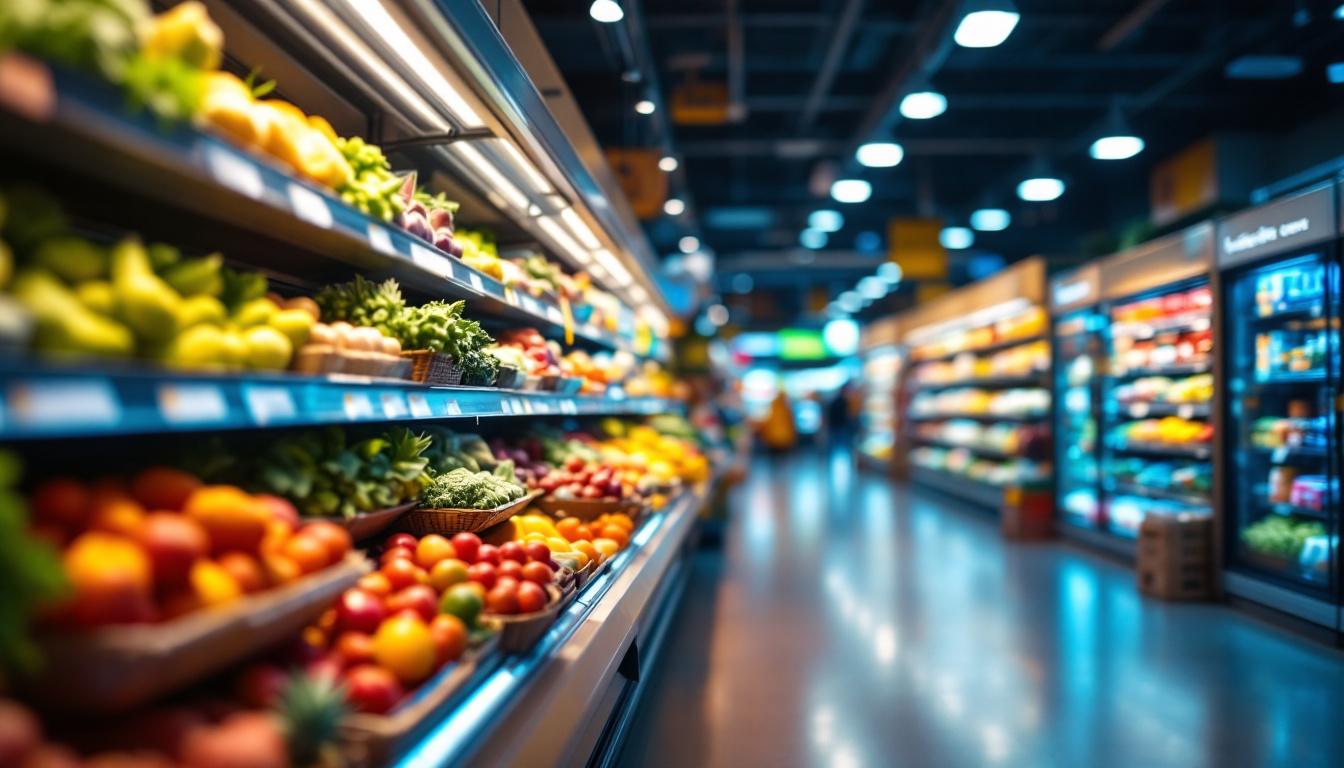
Unlike general retail spaces, grocery stores present a complex environment where lighting must balance functionality, aesthetics, and energy efficiency. From fresh produce displays to refrigerated sections and checkout areas, each zone has distinct lighting requirements that contribute to the overall ambiance and effectiveness of the store.
Studies show that well-designed lighting can increase sales by highlighting product quality and freshness, encouraging impulse purchases, and enhancing customer comfort. Conversely, poor lighting can detract from product appeal, cause shopper fatigue, and increase operational costs due to inefficient energy use.
Why Grocery Store Lighting Often Gets Overlooked
Despite its importance, lighting is frequently treated as an afterthought in grocery store projects. This oversight can stem from budget constraints, tight construction schedules, or a lack of specialized knowledge regarding grocery-specific lighting needs. As a result, many stores end up with generic lighting solutions that fail to optimize the shopping environment.
Lighting contractors have a unique opportunity to fill this gap by advocating for tailored lighting designs that address the nuances of grocery retail. This requires a deep understanding of product presentation, shopper psychology, and the technical challenges posed by different store areas. For instance, the lighting in the dairy section must not only illuminate the products but also create a cool, inviting atmosphere that encourages shoppers to linger. Similarly, the bakery section benefits from warm, inviting lighting that enhances the visual appeal of freshly baked goods, making them more irresistible to customers.
Moreover, the integration of smart lighting technologies can further enhance the grocery shopping experience. By utilizing sensors and automated systems, stores can adjust lighting levels based on the time of day, customer traffic, and even specific promotions. This dynamic approach not only improves energy efficiency but also allows for a more personalized shopping environment. For example, during peak hours, brighter lighting can help guide customers through aisles more efficiently, while softer lighting during quieter times can create a relaxed atmosphere, encouraging shoppers to explore and discover new products.
Key Considerations for Effective Grocery Store Lighting
Delivering a successful lighting project in a grocery store setting involves several critical considerations. Each aspect influences how products are perceived and how shoppers navigate the space.
Color Rendering and Temperature: Bringing Products to Life
Color rendering index (CRI) and color temperature are fundamental factors in grocery lighting. A high CRI (above 80) ensures that colors appear natural and vibrant, which is especially important for fresh produce, meat, and bakery items.
Warm color temperatures (2700K–3500K) are often used in bakery and meat sections to evoke warmth and freshness, while cooler temperatures (4000K–5000K) can be effective in produce and dairy areas to enhance the perception of cleanliness and freshness. Balancing these temperatures within a store creates zones that subtly influence shopper moods and perceptions. Additionally, the strategic use of color can evoke emotions and drive purchasing decisions; for instance, the vibrant greens of vegetables can stimulate appetite and encourage healthier choices, while the golden hues of baked goods can create a sense of indulgence and comfort.
Lighting Layers: Ambient, Accent, and Task
Effective grocery store lighting employs multiple layers to create a dynamic and functional environment. Ambient lighting provides uniform illumination for general visibility, while accent lighting highlights specific products or displays, drawing shopper attention and enhancing visual interest.
Task lighting is essential in areas such as checkout counters and service desks, where precision and clarity are paramount. Integrating these layers ensures that every part of the store is adequately lit for its purpose, improving both shopper experience and employee productivity. Furthermore, the interplay of these lighting types can be used to guide customers through the store; for example, brighter lighting in high-traffic areas can encourage movement, while softer lighting in seating areas can invite shoppers to linger and enjoy their shopping experience. This thoughtful approach not only enhances the aesthetic appeal of the store but also strategically influences customer behavior.
Energy Efficiency and Sustainability
Energy consumption is a major concern for grocery retailers, given the large square footage and extended operating hours typical of these stores. Lighting can account for a significant portion of energy costs, making efficiency a priority.
LED technology has revolutionized grocery store lighting by offering high efficiency, long lifespan, and superior light quality. Incorporating advanced controls such as dimmers, occupancy sensors, and daylight harvesting systems further reduces energy usage while maintaining optimal lighting conditions. Additionally, the move towards sustainable lighting solutions not only lowers operational costs but also aligns with the growing consumer demand for environmentally responsible practices. Many grocery stores are now exploring solar-powered lighting options and integrating smart technology that adjusts lighting based on the time of day or customer traffic patterns, creating a more adaptive and eco-friendly shopping environment. This commitment to sustainability not only benefits the bottom line but also enhances the store’s reputation as a responsible community member, appealing to environmentally conscious shoppers.
Challenges Unique to Grocery Store Lighting Projects
Lighting contractors must navigate several challenges that are specific to grocery environments. Awareness and proactive management of these issues can differentiate a successful project from a subpar one.
Refrigerated and Frozen Food Lighting
Lighting refrigerated cases presents a unique challenge due to temperature constraints and the need to minimize heat emission. Traditional lighting solutions can increase cooling loads and compromise product quality.
Modern LED fixtures designed for refrigerated environments offer low heat output and moisture resistance, helping maintain ideal temperatures and product appearance. Selecting the right fixture and placement is critical to avoid glare and shadows that can detract from product visibility.
Glare and Shopper Comfort
Glare can cause discomfort and reduce the appeal of a shopping environment. Bright, unshielded fixtures or improper aiming can create harsh reflections on shiny packaging or produce surfaces.
Lighting contractors must carefully select fixture types, beam angles, and mounting heights to minimize glare. Diffusers and indirect lighting techniques can also enhance visual comfort, encouraging shoppers to linger longer and explore more products.
Maintenance and Accessibility
Given the operational hours and layout of grocery stores, lighting maintenance can be disruptive and costly. Fixtures should be chosen not only for performance but also for ease of access and durability.
Long-life LEDs reduce the frequency of replacements, and modular fixture designs simplify repairs. Planning for maintenance access during the design phase helps avoid costly downtime and ensures consistent lighting quality.
Innovative Lighting Solutions Transforming Grocery Stores
Advancements in lighting technology and design strategies are enabling grocery stores to create more engaging and efficient environments than ever before.
Dynamic Lighting Controls and Tunable White Systems
Dynamic lighting controls allow stores to adjust light levels and color temperatures throughout the day, aligning with natural circadian rhythms and shopper behavior patterns. This adaptability can enhance mood, reduce eye strain, and optimize energy use.
Tunable white systems enable precise control over color temperature, allowing retailers to tailor lighting to specific product categories or promotional events. These systems offer a new level of flexibility and customization that can significantly impact shopper engagement.
Human-Centric Lighting in Grocery Stores
Human-centric lighting (HCL) focuses on supporting human well-being through lighting design. In grocery stores, HCL can improve employee alertness and comfort during long shifts, while also creating a more inviting atmosphere for customers.
Incorporating HCL principles involves adjusting light intensity and spectrum to mimic natural daylight patterns, which can positively affect mood and productivity. This approach is gaining traction as retailers recognize the value of enhancing both employee and shopper experiences.
Integration with Digital Signage and Smart Systems
Lighting is increasingly integrated with digital signage and smart building systems to create interactive and responsive environments. For example, lighting can be programmed to highlight promotional displays in sync with digital content, drawing attention and reinforcing marketing messages.
Smart lighting systems also provide valuable data on energy consumption and fixture performance, enabling proactive maintenance and continuous optimization. This integration represents the future of grocery store lighting, where technology and design converge to maximize impact.
Best Practices for Lighting Contractors in Grocery Store Projects
To excel in grocery store lighting projects, contractors should adopt a comprehensive and collaborative approach.
Early Involvement and Collaboration
Engaging with architects, store planners, and retailers early in the project ensures that lighting is integrated seamlessly with other design elements. Early collaboration allows contractors to influence fixture selection, layout, and control strategies, resulting in a more cohesive and effective lighting solution.
Thorough Site Assessment and Customization
Every grocery store is unique, with varying layouts, product mixes, and customer demographics. Conducting detailed site assessments and tailoring lighting designs to specific store needs enhances effectiveness and satisfaction.
Contractors should evaluate natural light availability, ceiling heights, fixture mounting options, and product placement to develop customized lighting plans that maximize impact.
Ongoing Support and Maintenance Planning
Providing post-installation support and maintenance planning is critical for sustaining lighting performance. Contractors can offer training for store staff on lighting controls and recommend maintenance schedules that minimize disruption.
Building long-term relationships with grocery retailers through reliable service and support can lead to repeat business and positive referrals.
Conclusion: Lighting as a Strategic Asset in Grocery Retail
Grocery store lighting is far more than a functional necessity; it is a strategic asset that influences shopper behavior, enhances product presentation, and drives operational efficiency. For lighting contractors, recognizing the unique challenges and opportunities in this sector opens the door to delivering high-value projects that stand out.
By prioritizing tailored lighting designs, leveraging advanced technologies, and fostering collaborative partnerships, contractors can transform grocery stores into vibrant, inviting spaces that benefit retailers, employees, and customers alike. Ultimately, lighting is the missing piece in many grocery store projects—and addressing it thoughtfully can make all the difference.
Illuminate Your Projects with LumenWholesale
Ready to elevate your grocery store lighting projects with solutions that blend innovation, efficiency, and cost-effectiveness? Look no further than LumenWholesale. We provide lighting contractors with the highest quality, spec-grade lighting products at wholesale prices that simply can’t be matched by local distributors. Our extensive selection is designed to meet the most rigorous industry standards, ensuring your projects shine with reliability and performance. Plus, with free shipping on bulk orders, you can trust that you’re getting premium lighting at the best value — no hidden fees, no compromises. Make LumenWholesale your go-to for lighting that transforms grocery stores into inviting and strategic spaces. Wholesale Lighting at the Best Value is just a click away.