Understanding the Importance of Detail Shop Lighting
For lighting contractors, selecting the right lighting solutions for detail shops is a critical task that directly impacts the quality of work, safety, and overall efficiency. Detail shops—where vehicles are cleaned, polished, and restored—require lighting that reveals imperfections, enhances color accuracy, and minimizes shadows. Proper lighting not only improves the precision of detailing work but also reduces eye strain and fatigue for technicians.
Given the specialized nature of these environments, lighting contractors often face unique challenges when specifying and installing shop lights. Questions frequently arise around the best types of fixtures, optimal placement, and the balance between brightness and energy efficiency. Understanding these factors is essential to delivering lighting systems that meet the high standards of detail shops.
Why Lighting Quality Matters in Detail Shops
Detail shops depend heavily on visual inspection to identify surface defects such as swirl marks, scratches, and paint imperfections. High-quality lighting with appropriate color rendering index (CRI) and color temperature allows detailers to see true colors and subtle flaws that might otherwise go unnoticed.
Moreover, consistent and shadow-free illumination ensures that technicians can work comfortably and accurately for extended periods. Poor lighting can lead to mistakes, rework, and ultimately dissatisfied customers. For contractors, this means that investing time in understanding the lighting needs of detail shops pays off in client satisfaction and repeat business.
In addition to enhancing the quality of work, effective lighting can also play a significant role in the overall ambiance of the detail shop. A well-lit environment not only boosts the morale of technicians but also creates a welcoming atmosphere for customers. When clients enter a detail shop that is brightly lit and organized, they are more likely to feel confident in the services being provided. This sense of professionalism can be a deciding factor in their choice to return for future detailing needs or recommend the shop to others.
Furthermore, the integration of modern lighting technologies, such as LED fixtures, can contribute to long-term cost savings for detail shop owners. These energy-efficient solutions not only reduce electricity bills but also have a longer lifespan compared to traditional lighting options. By educating clients on the benefits of investing in high-quality, energy-efficient lighting, contractors can help them make informed decisions that enhance both the functionality and sustainability of their businesses.
“`html
Common Questions Lighting Contractors Encounter
What Type of Light Fixtures Are Best for Detail Shops?
Fluorescent tubes were once the standard in many detail shops due to their widespread availability and relatively low cost. However, LED technology has largely supplanted fluorescents because of its superior energy efficiency, longer lifespan, and improved light quality.
LED shop lights offer several advantages: they provide instant-on brightness without flickering, have higher CRI values (often 90+), and can be selected with color temperatures that mimic daylight (around 5000K to 6500K). This daylight spectrum is ideal for revealing true paint colors and imperfections.
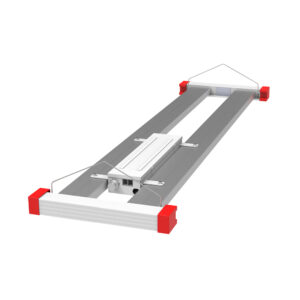
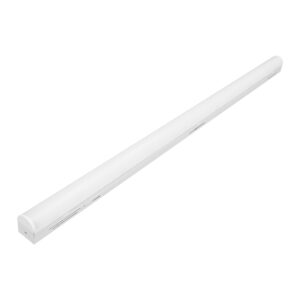
Contractors should recommend fixtures that are durable, moisture-resistant, and easy to maintain. Linear LED fixtures, often in continuous rows, are popular for detail shops because they provide uniform illumination across large work areas.
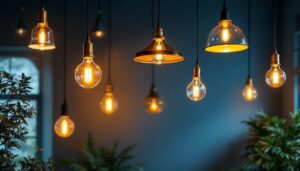
In addition to linear fixtures, pendant lights can also be an excellent option for detail shops, especially in areas where more focused lighting is required. These fixtures can be hung at varying heights, allowing for customization based on the specific tasks being performed. This flexibility can enhance the overall functionality of the workspace, ensuring that all areas receive adequate lighting without compromising on aesthetics.
How Bright Should Detail Shop Lighting Be?
Brightness is measured in lumens, and the required lumen output depends on the size of the space and the tasks performed. For detail shops, lighting levels typically range from 1000 to 2000 lux (approximately 93 to 186 foot-candles) at the work surface.
Higher brightness levels help technicians detect fine surface defects and work with precision. However, excessive brightness can cause glare and discomfort, so it’s important to balance intensity with proper fixture placement and diffusers.
Lighting contractors should also consider layering lighting—combining ambient, task, and accent lighting—to create an environment that supports various detailing activities.
Furthermore, the use of smart lighting systems can enhance the adaptability of detail shop lighting. These systems allow for real-time adjustments based on the specific needs of the task at hand, enabling technicians to increase brightness when needed or soften the light during less intensive work. Such technology not only improves the work environment but can also lead to significant energy savings over time.
What Color Temperature Is Ideal for Detail Shops?
Color temperature, measured in Kelvin (K), affects how colors appear under the light source. For detail shops, a color temperature between 5000K and 6500K is generally recommended. This range closely resembles natural daylight, which is essential for accurate color matching and defect detection.
Lower color temperatures (2700K to 3500K) produce warmer, yellowish light that can distort colors and mask imperfections. Conversely, very high color temperatures above 7000K may appear too harsh and cause eye fatigue.
Lighting contractors should specify fixtures with a high CRI (90 or above) in the daylight color temperature range to ensure the best visual clarity for detailers.
Additionally, it’s important for contractors to educate shop owners about the impact of color temperature on customer perception. A well-lit environment that accurately showcases the details of a vehicle can enhance the overall customer experience, making the shop appear more professional and trustworthy. This can lead to increased customer satisfaction and repeat business.
How Should Detail Shop Lights Be Positioned?
Proper positioning of lighting fixtures is crucial to minimize shadows and glare. Typically, lights are installed directly above work areas in continuous rows to provide even illumination. The height of installation should allow light to cover the entire vehicle surface without creating hotspots.
Some detail shops incorporate adjustable or movable lights to focus on specific areas during inspection or polishing. Contractors might also recommend wall-mounted or side lighting to reduce shadows cast by the technician’s body or tools.
In addition, diffusers or frosted lenses can help soften the light and reduce harsh reflections, which is particularly important on glossy vehicle surfaces.
Moreover, incorporating task lighting at the workstation level can significantly enhance visibility for intricate detailing tasks. For instance, using flexible LED task lights that can be directed precisely where needed can help technicians achieve the highest level of detail without straining their eyes. This attention to lighting detail can improve both the quality of work and the comfort of the employees.
Are There Energy Efficiency Considerations for Detail Shop Lighting?
Energy efficiency is a significant concern for detail shops, which often operate long hours and require consistent lighting. LED fixtures are the preferred choice due to their low power consumption and long operational life, which reduces maintenance and replacement costs.
Contractors should look for fixtures with ENERGY STAR certification or DLC (DesignLights Consortium) listings, which indicate verified energy performance. Incorporating lighting controls such as occupancy sensors, dimmers, and timers can further optimize energy use without compromising lighting quality.
Beyond cost savings, efficient lighting contributes to sustainability goals, which many businesses prioritize today.
Additionally, educating shop owners about the potential for rebates or incentives for implementing energy-efficient lighting solutions can be beneficial. Many utility companies offer programs that help offset the initial investment in LED technology, making it an even more attractive option for detail shop owners looking to enhance their operations while being environmentally conscious.
“`
Advanced Lighting Solutions and Technologies
Smart Lighting Controls
Modern detail shops are increasingly adopting smart lighting systems that allow for customized control of brightness and color temperature. These systems enable technicians to adjust lighting conditions based on specific tasks or time of day, enhancing comfort and precision.
For contractors, integrating smart controls means installing compatible fixtures and control hubs that can be managed via mobile apps or centralized panels. This flexibility also supports energy savings by enabling automated dimming or shutoff when areas are unoccupied.
UV and Inspection Lights
In addition to general illumination, some detail shops use ultraviolet (UV) or specialized inspection lights to detect contaminants, sealant coverage, or imperfections invisible under normal lighting. These lights complement the primary lighting system and require careful specification to avoid eye safety issues.
Lighting contractors should advise clients on appropriate UV light types and ensure proper shielding or usage protocols are in place.
Anti-Glare and Eye Comfort Features
Given the extended periods detailers spend under bright lights, minimizing glare and eye strain is essential. Fixtures with anti-glare louvers, diffusers, or indirect lighting designs help create a comfortable visual environment.
Contractors can also recommend ergonomic lighting layouts that reduce reflections on vehicle surfaces and provide balanced illumination from multiple angles.
Installation and Maintenance Best Practices
Ensuring Proper Wiring and Safety Compliance
Lighting contractors must adhere to local electrical codes and safety standards when installing detail shop lights. This includes using appropriate wiring methods, grounding, and surge protection to ensure safe and reliable operation.
Detail shops often have wet or humid environments, so fixtures should be rated for damp or wet locations to prevent electrical hazards.
Routine Maintenance and Fixture Longevity
Regular cleaning of fixtures and replacement of components like diffusers or drivers helps maintain optimal light output and color quality. LED fixtures generally require less maintenance than older technologies but still benefit from periodic inspection.
Contractors can offer maintenance plans or training for shop staff to ensure lighting systems continue to perform at their best over time.
Conclusion: Delivering Optimal Lighting Solutions for Detail Shops
Lighting contractors play a pivotal role in enhancing the functionality and professionalism of detail shops. By addressing common questions about fixture types, brightness, color temperature, positioning, and energy efficiency, contractors can design lighting systems that support meticulous detailing work and improve technician comfort.
Staying informed about the latest lighting technologies and best practices enables contractors to provide tailored solutions that meet the demanding requirements of detail shops. Ultimately, well-designed lighting not only elevates the quality of vehicle detailing but also contributes to the success and reputation of the business.
“`html
Illuminate Your Detail Shop with LumenWholesale
Ready to elevate your detail shop’s lighting to the next level? At LumenWholesale, we provide lighting contractors with the highest quality, spec-grade lighting products at prices that can’t be beaten. Our expansive selection is designed to meet rigorous industry standards, ensuring that every detail shop shines with reliability and high performance. Say goodbye to local distributor markups and hello to hassle-free bulk buying with free shipping. Choose LumenWholesale for the perfect combination of quality, affordability, and convenience. Discover the best value in wholesale lighting by visiting Wholesale Lighting at the Best Value today.
“`