Outdoor Roof Lights: Understanding the Science Behind it for Lighting Contractors
Outdoor roof lights play a crucial role in enhancing the aesthetics and functionality of outdoor spaces. For lighting contractors, understanding the science behind these fixtures is essential for delivering quality installations that meet client expectations. This article delves into the various aspects of outdoor roof lights, including their design considerations, types, and the technology that drives them.
Understanding Outdoor Roof Lighting
Outdoor roof lighting encompasses a range of fixtures designed to illuminate exterior spaces, including patios, decks, and walkways. These lights not only provide safety and security but also enhance the visual appeal of a property. As a lighting contractor, it’s important to grasp the fundamental principles that govern outdoor lighting design.
The Importance of Outdoor Lighting
Outdoor lighting serves multiple purposes. Primarily, it enhances safety by illuminating walkways and entrances, reducing the risk of accidents during nighttime. Additionally, well-placed lights can deter potential intruders, adding a layer of security to residential and commercial properties.
Beyond safety, outdoor lighting contributes significantly to the ambiance of a space. It can highlight architectural features, create a welcoming atmosphere, and extend the usability of outdoor areas into the evening hours. Understanding these benefits allows contractors to tailor their lighting designs to meet specific client needs. For instance, using warm-toned lights can create a cozy and inviting environment for family gatherings, while cooler tones might be more suitable for modern, sleek outdoor spaces aimed at entertaining guests.
Key Design Considerations
When designing outdoor roof lighting, several factors must be considered. The first is the purpose of the lighting. Is it meant for safety, aesthetics, or both? Understanding the primary function will guide the selection of fixtures and placement.
Another important consideration is the type of space being illuminated. Different environments, such as residential backyards, commercial patios, or public parks, have unique lighting requirements. Contractors must assess the space to determine the appropriate lighting fixtures, intensity, and distribution. For example, in a residential setting, softer, ambient lighting may be preferred to create a serene atmosphere, while in commercial spaces, brighter, more focused lighting can enhance visibility and attract customers. Moreover, the integration of smart lighting technology can offer clients the ability to control their outdoor lighting remotely, providing convenience and energy efficiency.
Types of Outdoor Roof Lights
Outdoor roof lights come in various types, each designed for specific applications and aesthetics. Familiarity with these types allows contractors to make informed decisions when recommending fixtures to clients.
Recessed Lighting
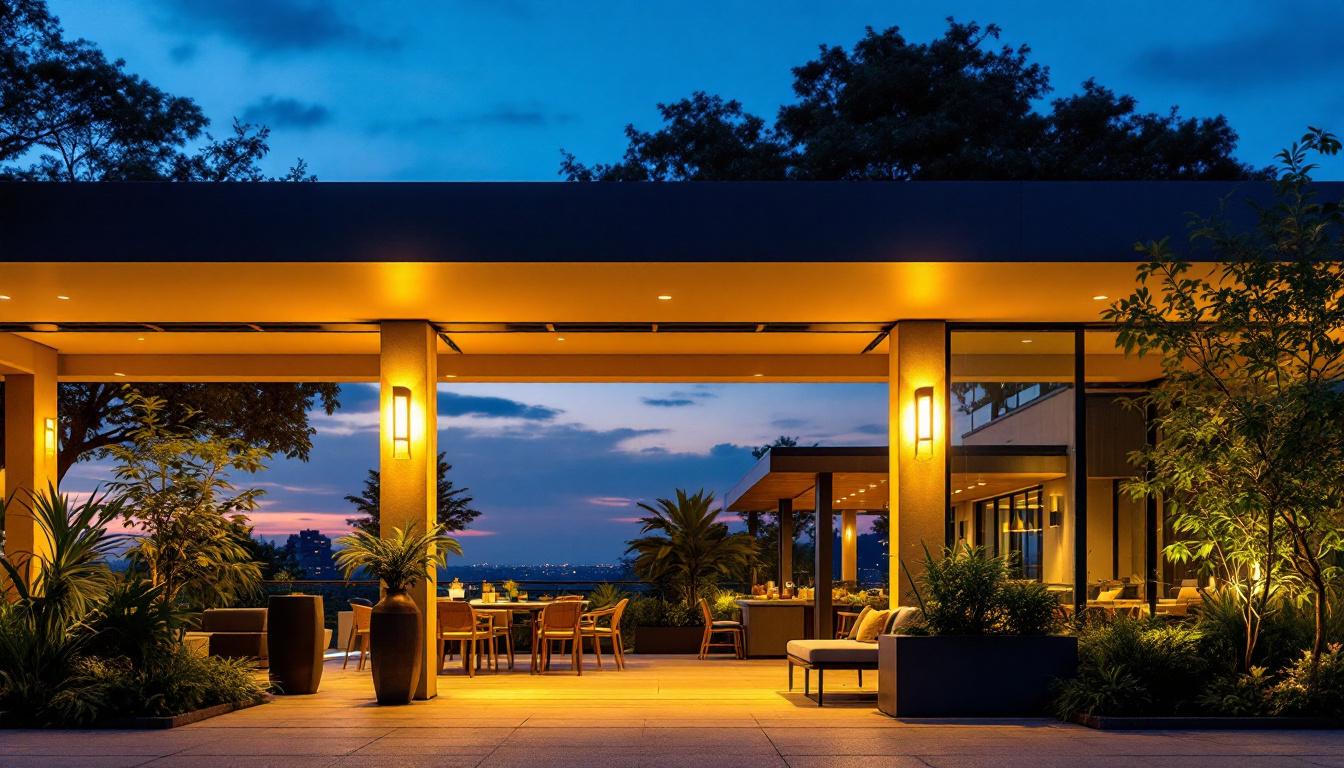
Recessed lighting is a popular choice for outdoor applications, as it provides a clean, unobtrusive look. These fixtures are installed into the roof or ceiling, allowing them to blend seamlessly with the architecture. They are ideal for illuminating decks, patios, and outdoor kitchens.
When selecting recessed lights, contractors should consider factors such as beam angle, lumen output, and color temperature. A narrow beam angle may be suitable for highlighting specific areas, while a wider angle can provide general illumination. Additionally, using dimmable recessed lights can enhance the ambiance, allowing homeowners to adjust the brightness according to the occasion, whether it’s a lively gathering or a quiet evening under the stars.
Wall-Mounted Fixtures
Wall-mounted fixtures are versatile and can be used in various outdoor settings. These lights are typically mounted on walls or columns and can serve both functional and decorative purposes. They come in various styles, including sconces, floodlights, and lanterns.
Contractors should pay attention to the height at which these fixtures are installed, as this can affect the distribution of light. Additionally, selecting fixtures with adjustable heads can provide flexibility in directing light where it is needed most. Moreover, wall-mounted fixtures can be designed to complement the overall aesthetic of the home, with options ranging from modern sleek designs to rustic lantern styles, allowing homeowners to express their personal taste while enhancing safety and visibility.
Post and Path Lights
Post and path lights are essential for illuminating walkways and driveways. These fixtures are typically mounted on posts or stakes and provide a gentle glow that enhances safety without overpowering the surrounding area. They can also be used to create visual interest along pathways.
When recommending post and path lights, contractors should consider the spacing between fixtures to ensure even illumination. Additionally, the height of the fixtures can impact the effectiveness of the lighting, especially in areas with heavy foot traffic. Incorporating solar-powered options can also be a sustainable choice, as they harness sunlight during the day to provide illumination at night, reducing energy costs while still ensuring safety and beauty in outdoor spaces. Furthermore, these lights can be designed with various decorative elements, such as colored lenses or intricate patterns, to add a unique touch to the landscape, making the outdoor area more inviting and visually appealing.
Lighting Technology and Innovations
Advancements in lighting technology have transformed the outdoor lighting landscape. Understanding these innovations is essential for lighting contractors to stay competitive and offer the best solutions to clients.
LED Technology
Light Emitting Diodes (LEDs) have become the standard for outdoor lighting due to their energy efficiency and longevity. Unlike traditional incandescent bulbs, LEDs consume significantly less energy and have a much longer lifespan, reducing maintenance costs for clients.
Moreover, LEDs are available in various color temperatures, allowing contractors to create the desired ambiance. Whether a warm, inviting glow or a cooler, more modern feel is needed, there is an LED option to suit every project.
Smart Lighting Solutions
Smart lighting technology is revolutionizing outdoor lighting. These systems allow for remote control and automation, enabling clients to adjust their outdoor lighting from their smartphones or through voice commands. This level of control enhances convenience and can lead to energy savings.
For lighting contractors, integrating smart lighting solutions can differentiate their services. Understanding how to install and configure these systems will be a valuable asset, as more clients seek to incorporate smart technology into their homes.
Solar-Powered Lighting
Solar-powered outdoor lights are an eco-friendly option that has gained popularity in recent years. These fixtures harness solar energy during the day and use it to power the lights at night. They are particularly useful in areas where electrical wiring may be impractical or cost-prohibitive.
Contractors should be aware of the limitations of solar-powered lights, such as their reliance on sunlight and potential performance issues in cloudy or shaded areas. However, when used appropriately, they can be an excellent addition to any outdoor lighting design.
Installation Best Practices
Proper installation is critical to ensuring the longevity and effectiveness of outdoor roof lights. Following best practices can help contractors deliver high-quality results that satisfy client expectations.
Planning the Layout
Before installation, it is essential to plan the lighting layout carefully. This involves determining the placement of fixtures based on the intended use of the space and the desired lighting effects. A well-thought-out layout will ensure even illumination and avoid dark spots.
Contractors should also consider the power supply and wiring requirements during the planning phase. Ensuring that the electrical system can support the chosen fixtures is crucial for a successful installation.
Adhering to Local Codes and Regulations
Lighting contractors must familiarize themselves with local building codes and regulations regarding outdoor lighting. Compliance with these standards is essential to ensure safety and avoid potential legal issues. This may include restrictions on light pollution, fixture height, and energy efficiency requirements.
Staying informed about local regulations will not only protect contractors but also enhance their reputation as knowledgeable professionals in the field.
Testing and Adjusting Lighting
After installation, testing and adjusting the lighting is a vital step. Contractors should evaluate the performance of each fixture, ensuring that they provide the desired illumination levels and effects. This may involve adjusting angles, changing bulbs, or repositioning fixtures as necessary.
Client feedback during this phase is invaluable. Engaging clients in the testing process can help ensure that the final result meets their expectations and allows for any last-minute adjustments.
Maintenance and Troubleshooting
Regular maintenance is essential to keep outdoor roof lights functioning optimally. Lighting contractors should educate clients on the importance of maintenance and provide guidance on how to care for their fixtures.
Routine Inspections
Encouraging clients to conduct routine inspections can help identify potential issues before they become significant problems. This includes checking for damaged fixtures, ensuring that bulbs are functioning, and cleaning lenses to maximize light output.
Contractors can offer maintenance services or provide clients with a checklist to follow. This proactive approach can enhance client satisfaction and extend the lifespan of the lighting system.
Troubleshooting Common Issues
Lighting contractors should be prepared to troubleshoot common issues that may arise with outdoor roof lights. This includes addressing problems such as flickering lights, inadequate illumination, or complete fixture failure.
Understanding the potential causes of these issues, such as faulty wiring, bulb burnout, or sensor malfunctions, will enable contractors to provide effective solutions. Offering troubleshooting support can further establish a contractor’s reputation as a reliable expert in outdoor lighting.
Conclusion
Outdoor roof lights are an essential component of effective outdoor lighting design. For lighting contractors, understanding the science behind these fixtures, including their types, technology, installation best practices, and maintenance, is crucial for delivering high-quality results.
By staying informed about advancements in lighting technology and adhering to best practices, contractors can enhance their services and meet the evolving needs of clients. As outdoor spaces continue to gain importance, the role of lighting contractors in creating functional and aesthetically pleasing environments will remain invaluable.
Illuminate Your Projects with LumenWholesale
Ready to elevate your outdoor lighting projects with the highest quality fixtures at unbeatable prices? Look no further than LumenWholesale. Our spec-grade lighting selection is designed to meet the rigorous demands of any outdoor space, ensuring durability and performance that your clients can trust. Say goodbye to middleman markups and hello to cost-effective, premium lighting solutions. With free shipping on bulk orders, LumenWholesale is your go-to source for lighting that combines quality, affordability, and convenience. Don’t compromise on excellence—choose Wholesale Lighting at the Best Value for your next installation.